Buying guide · Picks updated November 6, 2026
Best Lip Balms for a Perfume Allergy (2026)
Our top pick for lip balms for a perfume allergy in 2026 is Catrice Care In Colours Lip Balm: fragrance-free, no essential oils, no labelled fragrance allergens. These 5 picks pass every rule for this need, out of 55 lip balms whose full ingredient lists we decoded. Picks updated November 6, 2026.
The catch: 1 of these 5 picks contain silicones. If you avoid silicones, go for #1, #2, #3 and #4.
Looking for a lip balm that suits a perfume allergy? Start with the back of the tube, where the full ingredient list (INCI, the standard label list) shows what is really inside. Every lip balm on this page passed the same three checks: no added fragrance, no essential oils, and no labeled fragrance allergens.
Edited by Bez · Our full method

Best overall
AffiliateCatrice Care In Colours Lip Balm
- Fragrance-free
- No essential oils
- No labelled fragrance allergens
- No drying alcohol
- Sulfate-free
- Silicone-free
Key ingredients: Shea butter · Vitamin E
Our picks, ranked by their ingredient lists
1Catrice
Care In Colours Lip Balm
lip balm · 3 g · 12 ingredients
- Fragrance-free
- No essential oils
- No labelled fragrance allergens
- With shea butter
- With vitamin E
 2
Eucerin
Aquaphor SOS Repair Lips
lip balm · 10 ml · 19 ingredients
£7.36−26%Amazon UK
- Fragrance-free
- No essential oils
- No labelled fragrance allergens
- With glycerin
- With vitamin C
 3
La Roche-Posay
Cicaplast Lip Balm
lip balm · 7.5 ml · 15 ingredients
£7.20−15%Amazon UK
- Fragrance-free
- No essential oils
- No labelled fragrance allergens
- With panthenol
- With shea butter
 4
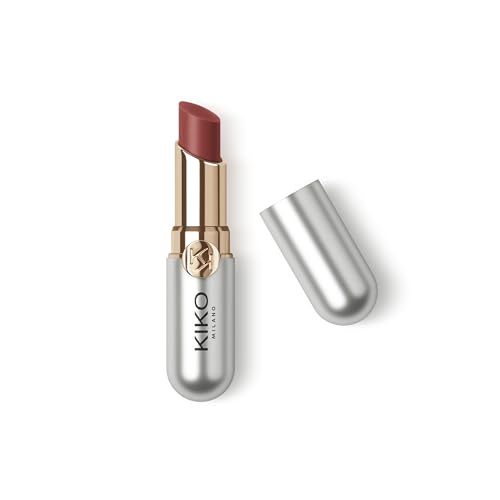
Kiko Milano
Jelly Stylo
lip balm · 2 g · 28 ingredients
£13.00Amazon UK
- Fragrance-free
- No essential oils
- No labelled fragrance allergens
- With vitamin E
 5
Anua
PDRN Lip Serum
lip balm · 10 ml · 34 ingredients
- Fragrance-free
- No essential oils
- No labelled fragrance allergens
- With ceramides
- With hyaluronic acid
Amazon UK prices as of 6 November 2026, 11:05 GMT; Amazon sets the final price at checkout.
Compare every pick
Affiliate| Product | Ingredients | Fragrance | Essential oils | Labelled fragrance allergens | Drying alcohol | Sulfates | Silicones | Key ingredients | Buy |
|---|---|---|---|---|---|---|---|---|---|
| 1Catrice Care In Colours Lip BalmBest overall | 12 | Shea butter, Vitamin E | Amazon | ||||||
| 2Eucerin Aquaphor SOS Repair LipsMost key ingredients | 19 | Glycerin, Vitamin C, Panthenol | Amazon | ||||||
| 3La Roche-Posay Cicaplast Lip Balm | 15 | Panthenol, Shea butter | Amazon | ||||||
| 4Kiko Milano Jelly Stylo | 28 | Vitamin E | Amazon | ||||||
| 5Anua PDRN Lip Serum | 34 | Ceramides, Hyaluronic acid, Glycerin | Amazon |
What every pick leaves out
Every pick is free of added fragrance (Parfum, Fragrance or Aroma), essential oils like lavender or peppermint, and the 26 scent chemicals the EU makes brands name on the label. Fragrance is the most common cause of cosmetic contact allergy, and fragrance-free labels can still contain essential oils. A dermatologist can patch test to find exactly which fragrance ingredients you react to.
- Fragrance-free
- No essential oils
- No labelled fragrance allergens
How to choose
What should you look for on the ingredient list?
Start with the full ingredient list, called INCI, the standard label list. Ingredients are listed from highest amount to lowest, down to about 1%; below that the order is free. Look for no added fragrance, which shows up as Parfum, Fragrance or Aroma. Also check for no essential oils, such as lavender, citrus peel, peppermint or tea tree. Scented plant oils carry the same fragrance allergens as perfume.
Does 'unscented' mean the balm has no fragrance?
Not always. Unscented products can still contain a masking fragrance that hides the smell of other ingredients. Fragrance-free means no added fragrance, but only the full ingredient list proves it. Read the label, not the front of the pack. Choose a balm where the list shows no Parfum, Fragrance or Aroma, and no essential oils.
How do you test a new balm safely?
Patch test anything new before you use it all over. Put a little on a small area, such as inside the elbow, and wait several days. Check the list for any scent chemical you already know you react to, such as linalool or limonene. A dermatologist can patch test to find exactly which fragrance ingredients you react to. See a doctor, dermatologist or pharmacist for any health question.
Frequently asked questions
Which are the best lip balms for a perfume allergy in 2026?
Catrice Care In Colours Lip Balm is our top pick in 2026: fragrance-free, no essential oils, no labelled fragrance allergens. The runners-up are Eucerin Aquaphor SOS Repair Lips, La Roche-Posay Cicaplast Lip Balm and Kiko Milano Jelly Stylo. Every pick is chosen by code from its full ingredient list.
Is an unscented lip balm safe for a perfume allergy?
Not always. "Unscented" products can still contain a masking fragrance that hides the smell of other ingredients. "Fragrance-free" means no added fragrance, but only the full ingredient list proves it. Read the label before you buy.
Do essential oils count as fragrance for a perfume allergy?
Yes. Essential oils, the scented plant oils such as lavender, citrus peel, peppermint or tea tree, carry the same fragrance allergens as perfume. "Fragrance-free" labels can still contain them, so check the full list for these oils.
What should I look for on the ingredient list?
Check three things. Skip any product listing Parfum, Fragrance or Aroma. Skip scented plant oils such as lavender or peppermint. Skip labeled fragrance allergens, the 26 scent chemicals the EU makes brands name, such as linalool and limonene. Read the full INCI list, the standard ingredient list on the label.
Should I patch test a new lip balm first?
Yes. Patch test anything new: apply a little to a small area, such as inside the elbow, for several days before using it all over. It is a simple way to check your skin's reaction before you commit.
Can a dermatologist find which fragrance I react to?
Yes. A dermatologist can patch test to find exactly which fragrance ingredients you react to. Fragrance is the most common cause of cosmetic contact allergy. For a clear answer about your own skin, see a dermatologist or pharmacist.