
Balea
Niacinamide Night Cream
moisturizer · 50 ml · 14 ingredients
- Fragrance-free
- No essential oils
- No labelled fragrance allergens
- With niacinamide
- With glycerin
Full ingredient lists, decoded. Free-from facts on every product.
Shop by need · Perfume allergy
504 products in our library pass every rule for perfume allergy: free of fragrance, essential oils and labelled fragrance allergens. The best of each type are below, picked by code and updated November 6, 2026.
The catch: 5 of the 22 products below contain silicones; every card shows its flags, so skip those if you avoid it.
Start with the ingredient list, not the front of the bottle. Look for added fragrance listed as Parfum, Fragrance or Aroma, and for scented plant oils such as lavender or citrus peel. "Unscented" can still hide a masking fragrance, so every product on this page was picked from its full ingredient list.
Balea
moisturizer · 50 ml · 14 ingredients

Catrice
moisturizer · 9.5 ml · 13 ingredients

Eucerin
moisturizer · 10 ml · 19 ingredients

La Roche-Posay
moisturizer · 40 ml · 18 ingredients

Beauty of Joseon
cleanser · 100 g · 20 ingredients

CeraVe
cleanser · 236 ml · 22 ingredients

CeraVe
cleanser · 473 ml · 23 ingredients

La Roche-Posay
cleanser · 12 g · 24 ingredients

Aveeno
body lotion · 50 ml · 25 ingredients

La Roche-Posay Lipikar
body lotion · 11 g · 36 ingredients

Altruist
body lotion · 50 ml · 23 ingredients

Aveeno
body lotion · 400 ml · 14 ingredients

Catrice
lip balm · 3 g · 12 ingredients

La Roche-Posay
lip balm · 7.5 ml · 15 ingredients

Anua
lip balm · 10 ml · 34 ingredients

Bulldog
deodorant · 15 ml · 22 ingredients

Vichy
deodorant · 50 ml · 6 ingredients

Sanex
deodorant · 200 ml · 5 ingredients

Catrice
mascara · 9.5 ml · 19 ingredients
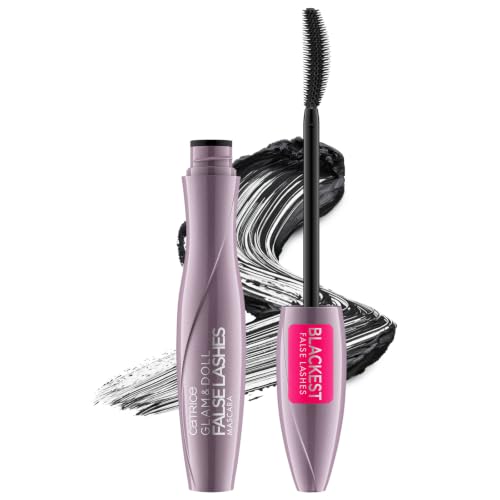
Catrice
mascara · 9.5 ml · 19 ingredients

Essence
mascara · 8 ml · 20 ingredients

Essence
mascara · 12 ml · 20 ingredients
These picks leave out added fragrance, listed as Parfum, Fragrance or Aroma, and scented plant oils such as peppermint or tea tree. Fragrance is the most common cause of cosmetic contact allergy. Essential oils carry the same allergens as perfume, and "fragrance-free" labels can still contain them. The picks also leave out the 26 scent chemicals the EU makes brands name on labels, such as linalool and limonene. A dermatologist can patch test to find exactly which fragrance ingredients you react to.
Read the full ingredient list, not the front label. Look for Parfum, Fragrance or Aroma. Fragrance is the most common cause of cosmetic contact allergy, and sensitive, eczema-prone and rosacea-prone skin usually does better without it. Be careful with unscented: it can still contain a masking fragrance that hides the smell of other ingredients. Only the full list proves a product is fragrance-free.
Scan for essential oils and labelled allergens. Scented plant oils such as lavender, citrus peel, peppermint or tea tree carry the same fragrance allergens as perfume, and fragrance-free labels can still contain them. Also check for the 26 scent chemicals the EU makes brands name, such as linalool and limonene. Ingredients below about 1% can appear in any order, so read every line.
Patch test anything new before using it all over. Apply a little to a small area, such as inside the elbow, for several days. Use it all over only after that. A dermatologist can patch test to find exactly which fragrance ingredients you react to, so see one if you want to pin down your triggers.
Fragrance-free means the product has no added fragrance. Fragrance shows up on the ingredient list as Parfum, Fragrance or Aroma. Only the full ingredient list proves a product is truly fragrance-free, so read it rather than trusting the front label.
No. Unscented products can still contain a masking fragrance, which is added to hide the smell of other ingredients. Fragrance-free means no added fragrance. Check the full ingredient list to tell the two apart.
Essential oils carry the same fragrance allergens as perfume. Scented plant oils such as lavender, citrus peel, peppermint and tea tree can be in products labeled fragrance-free. Check the list for these oils too.
The EU makes brands name 26 scent chemicals on the label, such as linalool and limonene. If you know you react to one of them, check the ingredient list for that name. These chemicals also show up in products scented only with essential oils.
Patch test anything new by applying a little to a small area, such as inside the elbow, for several days before using it all over. For a precise answer, a dermatologist can patch test to find exactly which fragrance ingredients you react to.