Best Skincare Routine for Eczema (Gentle & Effective)
The short answer
Gentle cleanse with lukewarm water, apply thick fragrance-free emollient within 3 minutes.
Why Routine Is the Foundation of Eczema Management
Eczema is not a condition that responds well to reactive treatment alone. Because the underlying skin barrier defect is persistent — not just present during flares — every day of neglected barrier care accumulates subclinical damage that makes the next flare more likely and more severe.
A consistent, well-chosen routine does four things simultaneously:
- Repairs the barrier — replacing the lipids and proteins the eczema skin cannot make efficiently
- Reduces transepidermal water loss (TEWL) — keeping moisture in
- Reduces S. aureus colonization — some cleansers and bathing practices lower bacterial burden
- Reduces sensitization — an intact barrier is less permeable to allergens and irritants
This guide presents the routine in morning and evening steps, followed by the key clinical principles that make it work.
The Morning Routine
Step 1: Cleanse with a Gentle, Soap-Free Cleanser
Wash your face (and hands if affected) with lukewarm — not hot — water and a fragrance-free, soap-free, SLS-free cleanser formulated for sensitive or eczema-prone skin. Creamy or oil-based cleansers are generally better tolerated than foaming formulas.
Apply with clean hands; avoid washcloths unless they are soft and freshly laundered. Pat — do not rub — the skin dry with a soft towel.
What to avoid: bar soaps (even "gentle" ones tend to be alkaline and disrupt the skin's protective acid mantle), fragranced cleansers, exfoliating face washes, and cleansers containing SLS.
Step 2: Apply Emollient Immediately
While skin is still slightly damp, apply your fragrance-free emollient to all affected and prone-to-eczema areas. Do not wait for the skin to dry — the "3-minute rule" is clinically supported.
Apply a generous, even layer. Do not rub vigorously; smooth the product on.
Step 3: Apply Prescription or OTC Treatment (If in Active Flare)
If you have an active eczema flare on the face or body, apply your prescribed topical treatment after (or thin-layered under) the emollient per your dermatologist's guidance. The emollient does not meaningfully block topical steroid absorption; it can improve penetration of the active ingredient into well-hydrated skin.
Step 4: Mineral SPF 30+ Sunscreen (On the Face)
UV exposure can trigger eczema flares and worsen post-inflammatory hyperpigmentation. Apply a fragrance-free mineral sunscreen (zinc oxide and/or titanium dioxide) to the face and any sun-exposed areas. Mineral sunscreens are generally better tolerated on eczema-prone skin than chemical UV filters.
Re-apply every 2 hours in direct sun.
The Evening Routine
Step 1: Bathe or Shower (Lukewarm, 5–10 Minutes)
Daily bathing is beneficial for eczema skin — it hydrates the stratum corneum and physically removes irritants, allergens, and bacterial burden. Key principles:
- Lukewarm water only — hot water strips barrier lipids and increases itching
- 5–10 minutes maximum — longer bathing leaches lipids from the skin
- Fragrance-free, soap-free cleanser — apply only to areas that need cleaning (armpits, groin), not as a full-body wash
- Pat dry, do not rub — with a soft, freshly laundered towel; leave the skin slightly damp
Do not use: scented bubble bath, bath oils with fragrance, emollient bath additives with sodium lauryl sulfate (a UK RCT found these no more effective than water alone, and some contain SLS), or products marketed as "natural" with botanical extracts.
Step 2: Apply Emollient While Skin Is Still Damp — The Critical Window
Immediately after patting dry (within 3 minutes), apply a generous amount of thick fragrance-free emollient to the entire body — not only to visibly affected areas. The surrounding skin has compromised barrier function even when it looks unaffected.
Use a spatula or spoon to remove product from jars rather than fingertips, which can introduce bacteria.
How much emollient? For a full-body application in an adult with moderate eczema, this typically means 250–500 g per week. Thin applications are often underdosing — the most common reason emollients "don't work."
Step 3: Apply Prescription Topical Treatment to Active Areas
Apply your topical corticosteroid or calcineurin inhibitor only to areas of active eczema. Do not apply medicated treatments to clinically clear skin (unless on a proactive maintenance protocol prescribed by a dermatologist).
Fingertip unit (FTU) dosing guide:
| Body Area | Approximate FTUs (Adult) |
|---|---|
| Face and neck | 2.5 FTU |
| One arm (hand to shoulder) | 3 FTU |
| One leg (foot to top of thigh) | 6 FTU |
| Trunk front or back | 7 FTU |
| Genital area | 1 FTU |
One FTU = a strip of cream from the tip of the index finger to the first knuckle, approximately 0.5 g. It covers an area roughly double the size of an adult hand.
Step 4 (Optional): Wet Wrap Therapy for Severe Flares
Wet wrap therapy is a medical-grade home technique for severe flares, recommended by the AAD for use when guided by a dermatologist:
- Bathe in lukewarm water (5–10 min)
- Pat dry, apply emollient generously
- Apply thin layer of topical corticosteroid over eczema areas (if prescribed)
- Wrap in warm damp bandage or cotton tubing (not dripping wet — damp)
- Cover with dry layer
- Leave on for 2–8 hours or overnight
Wet wraps reduce TEWL, enhance topical medication penetration, and provide a physical barrier against scratching. Do not use for prolonged periods or on infected skin without dermatologist supervision.
Bleach Baths: The Evidence-Based Anti-Staph Tool
Staphylococcus aureus colonization worsens eczema by producing inflammatory toxins. Bleach baths (sodium hypochlorite baths) are a dermatologist-recommended method to reduce S. aureus burden on the skin.
Protocol (as per AAD guidance):
- Mix ½ cup (approximately 120 ml) of regular household bleach (5–6% sodium hypochlorite) into a full bathtub of lukewarm water
- This creates approximately 0.005% sodium hypochlorite solution — equivalent to a swimming pool
- Soak for 5–10 minutes
- Rinse with lukewarm clean water (no soap rinse needed unless desired)
- Pat dry, apply emollient immediately
- Frequency: 2–3 times per week
Do not use concentrated bleach; do not increase the concentration; do not apply to the face; stop if significant irritation occurs.
A number of clinical studies have confirmed that bleach baths reduce eczema severity scores and flare frequency compared to water alone, particularly in people with recurrent bacterial superinfection.
Laundry and Household Routine
Eczema management extends beyond the bathroom cabinet. Residues from laundry products remain in fabrics after washing and are a significant underappreciated trigger:
- Use a fragrance-free, dye-free laundry detergent (double-rinse cycle if possible)
- Avoid fabric softeners and dryer sheets — these leave fragrance residue and can sensitize eczema skin
- Wash new clothing before wearing — new garments often contain processing chemicals and dyes
- Choose cotton clothing wherever possible; avoid wool and synthetic fabrics directly against eczema-prone skin
- Maintain comfortable indoor humidity (approximately 45–55% relative humidity) — very dry indoor air accelerates TEWL; a humidifier in the bedroom can reduce nighttime flares
Managing Flares vs. Maintenance Phases
A critical distinction in eczema care that is often overlooked:
| Phase | Goal | Emollient | Topical Treatment |
|---|---|---|---|
| Active flare | Reduce inflammation rapidly | Apply 2× daily | Apply as prescribed until resolved |
| Early post-flare | Consolidate repair | Apply 2× daily | Taper frequency per dermatologist guidance |
| Remission / clear skin | Prevent next flare | Apply at least once daily | Proactive twice-weekly on formerly affected sites (if on proactive protocol) |
Proactive maintenance therapy — applying a topical corticosteroid or TCI to previously affected areas twice weekly, even when the skin appears clear — has been shown to significantly extend the time between flares in multiple randomized trials. This requires a prescription and should be done under dermatologist supervision.
Products to Avoid in an Eczema Routine
| Category | Specific Ingredients to Avoid | Why |
|---|---|---|
| Fragrance | Parfum/fragrance, linalool, limonene, geraniol, eugenol | Leading contact sensitizers in eczema skin |
| Cleansing agents | Sodium lauryl sulfate (SLS), sodium laureth sulfate (SLES) | Disrupt barrier, cause stinging |
| Essential oils | Tea tree, lavender, eucalyptus, citrus oils | Potent contact allergens in sensitized skin |
| Botanical extracts | Chamomile, calendula, arnica, feverfew, witch hazel | Common sensitizers despite "natural" perception |
| Preservatives | Methylisothiazolinone (MI/MCI), formaldehyde releasers | Frequent patch test positives in eczema patients |
| Emulsifiers | Lanolin (wool fat) | Allergen in sensitized individuals |
| Other | Alcohol denat. (SD alcohol), olive oil | Barrier disruption and impaired barrier repair |
When to Adjust or Escalate
Your routine should be working. If, after 4–6 weeks of consistent adherence, eczema is:
- Still moderate-to-severe
- Disrupting sleep 3+ nights per week
- Requiring topical corticosteroids more than 2–3 weeks per month
…then the routine is not enough and prescription escalation is warranted. See a dermatologist to discuss topical calcineurin inhibitors, systemic treatments, or biologic therapy. Emollient and trigger-avoidance remain relevant at every treatment level — they are not replaced by prescription therapy, they complement it.
Step by step
- 1
Cleanse gently with a fragrance-free, soap-free cleanser
Use lukewarm water (not hot) and a creamy, fragrance-free, SLS-free cleanser. Apply with clean hands, not a washcloth. Pat skin dry with a soft towel — never rub. Limit bathing or showering to 5–10 minutes. This cleanses without stripping barrier lipids or triggering itch.
- 2
Apply thick fragrance-free emollient within 3 minutes of bathing
While the skin is still slightly damp, apply a generous layer of a fragrance-free cream or ointment (ceramide-containing, petrolatum-based, or colloidal oatmeal) to the entire body — not only visibly affected areas. The surrounding skin's barrier is also compromised. This is the single most important step: sealing humidity in before it evaporates.
- 3
Apply prescription topical treatment to active eczema areas
After emollient, apply your topical corticosteroid or calcineurin inhibitor (tacrolimus, pimecrolimus) only to areas of active eczema — not to clear skin. Use the fingertip unit (FTU) method to dose correctly: one FTU covers an area roughly double the size of an adult hand. On the face, use only low-potency options (hydrocortisone 1% OTC or tacrolimus) — never medium- or high-potency steroids.
- 4
Apply fragrance-free mineral SPF 30+ sunscreen in the morning
Apply a zinc oxide or titanium dioxide mineral sunscreen to the face and sun-exposed skin every morning. Mineral formulations are better tolerated on eczema-prone skin. UV exposure can trigger flares and worsen post-inflammatory hyperpigmentation. Reapply every 2 hours in direct sun.
- 5
Take 2–3 bleach baths per week (if clinician-recommended)
Add ½ cup of regular household bleach (5–6% sodium hypochlorite) to a full, lukewarm bathtub. Soak for 5–10 minutes, then rinse with clean water, pat dry, and immediately apply emollient. This reduces Staphylococcus aureus colonization on the skin — a key driver of flares. Use only at dermatologist recommendation.
- 6
Wash all clothing and bedding in fragrance-free, dye-free detergent
Switch to a fragrance-free, dye-free laundry detergent. Eliminate fabric softeners and dryer sheets — they leave fragrance residue in fabrics. Use a double-rinse cycle if available. Choose loose-fitting cotton clothing directly against the skin; avoid wool and coarse synthetic fabrics. Wash new clothing before wearing.
- 7
Identify and eliminate personal triggers
Keep a simple flare diary: note when flares occur, what products were used, environment, stress levels, and foods consumed. Common facial triggers include fragrances, cold wind, and new skincare products. Body triggers often include laundry products, sweating, and specific fabrics. Pattern recognition over 4–6 weeks typically identifies the 2–3 major triggers for an individual.
Products that fit: eczema-prone skin
Picked by code from each product's full ingredient list.

Gold Bond
Lot Eczema Reli Size 8z Gold Bond Eczema Relief Lotion 8z
moisturizer · 226 g · 32 ingredients
£17.14Amazon UK
- Fragrance-free
- No essential oils
- No labelled fragrance allergens
- No drying alcohol
- No MI/MCI

Naturium
Marshmallow Root Barrier Balm
moisturizer · 50 g · 58 ingredients
£21.60−20%Amazon UK
- Fragrance-free
- No essential oils
- No labelled fragrance allergens
- No drying alcohol
- No MI/MCI

Uriage
Xemose C8+ Lipid-Replenishing Anti-Itch Balm
moisturizer · 500 ml · 24 ingredients
£19.30−17%Amazon UK
- Fragrance-free
- No essential oils
- No labelled fragrance allergens
- No drying alcohol
- No MI/MCI
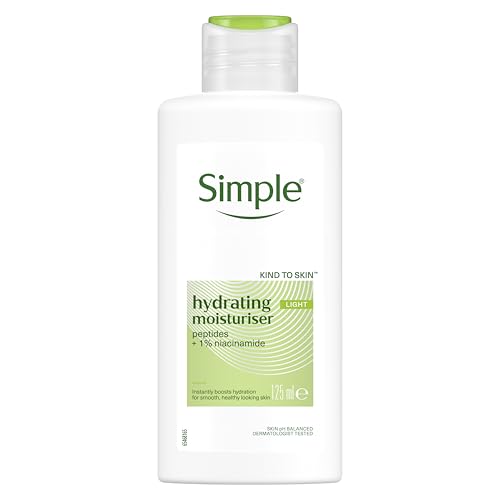
Simple
Hydrating Light Moisturiser
moisturizer · 125 ml · 30 ingredients
£2.56−34%Amazon UK
- Fragrance-free
- No essential oils
- No labelled fragrance allergens
- No drying alcohol
- No MI/MCI
Amazon UK prices as of 6 November 2026, 06:08 GMT; Amazon sets the final price at checkout.
Frequently asked questions
Does a consistent eczema skincare routine actually make a difference in 2026?
Yes — and the evidence for this is robust. Clinical trials consistently show that daily emollient use reduces flare frequency, lowers topical corticosteroid consumption, and improves patient-reported quality of life compared to on-demand use. A randomized controlled trial published in the British Medical Journal found that consistent twice-daily emollient use from early infancy delayed eczema onset in high-risk infants. Proactive maintenance topical therapy (twice-weekly steroid or TCI to previously affected sites) significantly extends the time between flares. Routine is not a soft recommendation — it is the structural foundation of eczema management.
How much moisturizer is enough for eczema?
Most people significantly underdose. For a full-body application in an adult with moderate eczema, clinical guidance suggests using approximately 250–500 g of emollient per week (roughly 35–70 g per application). A teaspoon-sized amount for the full body is insufficient. If you're going through a tub of moisturizer in under 2 weeks, you're probably in the right range. The emollient should leave the skin noticeably soft and protected, not a thin barely-there film.
Should I moisturize eczema before or after my topical steroid?
The most widely recommended order — supported by AAD guidance — is to apply your emollient first, then your topical corticosteroid or calcineurin inhibitor on top of or alongside it. Some dermatologists recommend a short wait (a few minutes) between emollient and steroid application; others advise applying simultaneously. What's consistently advised against is applying emollient directly after steroids with immediate dilution — you want the active medication to contact the skin, not be immediately covered with a thick barrier. In practice, apply emollient to the full body and then apply the topical medication specifically to eczema-affected areas.
Can I use the same routine during a flare and in remission?
The emollient and cleansing steps remain constant. What changes is the treatment step: during a flare, use your topical corticosteroid or TCI on affected areas daily or as directed. In remission, if you are on a proactive maintenance protocol, use a lower frequency (typically twice weekly) on formerly affected areas — this has strong evidence for extending flare-free periods. In both phases, daily emollient on all skin (not only affected areas) continues. Stopping the emollient when skin clears is a very common mistake that accelerates relapse.
What is wet wrap therapy and when should I use it?
Wet wrap therapy is a medical technique for severe eczema flares: apply emollient and optionally a thin layer of topical corticosteroid to eczema-affected skin, then wrap in a damp cotton layer, covered by a dry layer, for 2–8 hours or overnight. It significantly reduces TEWL, increases medication penetration, hydrates the barrier, and provides a physical barrier against scratching. It is most effective for severe acute flares in children and adults. Do not use wet wraps on infected skin, and do not use for prolonged periods without dermatologist guidance — it can over-hydrate the skin if overused. It is appropriate for home use when a dermatologist has explained the technique.
Health information, not medical advice.
Beauty Comparison is an independent editorial publication. This page is researched and sourced to the authorities listed below, but it is general information — not a diagnosis or a substitute for personalised advice from a qualified doctor, dermatologist or pharmacist. If your symptoms are severe, spreading, painful, or not improving, see a healthcare professional.Sources
- 01American Academy of Dermatology: Updated Atopic Dermatitis Guidelines for Topical Therapies — American Academy of Dermatology (AAD), 2023-01-01. Moisturizers strongly recommended for eczema; bleach baths conditionally recommended for reducing S. aureus colonization (2–3 times weekly); wet wrap therapy conditionally recommended for hydrating bandage technique; topical antimicrobials not recommended; bathing followed by moisturizer to enhance skin hydration.
- 02How to use bleach baths to help manage eczema flares — American Academy of Dermatology (AAD). Bleach bath protocol: ½ cup of regular household bleach (5–6% sodium hypochlorite) in full bathtub; 5–10 minute soak; rinse with clean water; 2–3 times per week; reduces S. aureus colonization on eczema skin.
- 03Atopic dermatitis: Self-care — American Academy of Dermatology (AAD). Bathing in lukewarm water 5–10 minutes; apply moisturizer within 3 minutes; use fragrance-free, dye-free laundry products; avoid wool and synthetic fabrics; identify and avoid personal triggers; apply topical medications before moisturizer on face and thin-skin areas.
- 04Efficacy of Nonprescription Moisturizers for Atopic Dermatitis: An Updated Review of Clinical Evidence — PubMed Central / NIH, 2020-08-01. Ceramide-containing and colloidal oatmeal moisturizers demonstrate clinical efficacy in reducing AD flare frequency; daily moisturization increases skin hydration and decreases TEWL in children and adults; therapeutic moisturizers formulated for AD are comparable to prescription barrier creams; thicker vehicles outperform thin lotions.
- 05A daily regimen of a ceramide-dominant moisturizing cream and cleanser restores the skin permeability barrier in adults with moderate eczema: A randomized trial — PubMed Central / NIH, 2021-09-01. Randomized, double-blind, placebo-controlled trial (n=100 adults with moderate eczema): ceramide-dominant cream significantly reduced TEWL and increased skin hydration versus placebo over 28 days; ceramide group reported greater relief of itching, dry skin, and improved softness.
- 06Eczema Skin Care Routine: Best and Worst Products — Cleveland Clinic Health Essentials. Apply moisturizer immediately after bathing (3-minute rule); use fragrance-free detergent; avoid fabric softeners; avoid fragrances, SLS, lanolin, essential oils, and botanicals; cotton clothing preferred; humidity control recommended.