Hidradenitis Suppurativa Skincare: What to Use on Affected Skin
The short answer
HS-affected skin needs gentle antiseptic washes, fragrance-free moisturizers, and dressings.
Skincare for HS: Why It Requires a Different Approach
Hidradenitis suppurativa (HS) affects the skin in areas that standard skincare advice rarely covers — armpits, groin, inner thighs, buttocks, and under the breasts. The lesions are deep in the dermis (not on the surface), driven by follicular occlusion and immune dysregulation, not by dirty skin or bacteria alone. This means the goal of an HS skincare routine is different from a conventional one:
- Reduce surface bacterial burden without stripping the skin barrier
- Minimize follicular trauma — any friction, mechanical abrasion, or harsh chemistry makes flares worse
- Manage active lesions and wounds with appropriate dressings
- Support the surrounding skin's integrity so it can tolerate medical treatments
Skincare cannot treat HS — that requires medical and sometimes surgical intervention. But the right skincare routine meaningfully reduces flare frequency, manages discomfort between treatment episodes, and protects the surrounding skin from secondary damage.
For a comprehensive overview of HS, its causes, and full treatment options, see the HS condition guide.
The #1 Rule: Stop Scrubbing
Before anything else, understand what not to do. Scrubbing HS-affected skin is one of the most harmful things a patient can do. Mechanical abrasion — with washcloths, exfoliating gloves, body scrubs, loofahs, or even vigorous towel-drying — increases follicular trauma, disrupts the skin barrier, and triggers inflammation that feeds directly into the HS cycle.
The same applies to chemical exfoliants:
- AHAs (glycolic acid, lactic acid) — too irritating for inflamed, barrier-compromised HS skin
- BHAs (salicylic acid) — while technically a comedolytic, it is not appropriate for use on active HS lesions; the acid irritation outweighs any potential follicular benefit
- Physical scrubs — coarse particles cause microtears that worsen follicular damage
Gentle contact with the skin using the hands or a soft cloth, rinsed well and patted dry (not rubbed), is the correct approach.
Daily Cleansing: What to Use
The choice of body wash is not cosmetic for HS patients — it is a functional decision with clinical evidence behind it.
Antiseptic/Antibacterial Washes
Chlorhexidine 4% solution (e.g., Hibiclens) is a surgical-grade antiseptic that kills a broad spectrum of bacteria on the skin surface. It is used in HS dermatology protocols to reduce the bacterial load in affected intertriginous zones. Apply to affected areas, leave briefly on the skin, then rinse thoroughly. Avoid mucosal surfaces (eyes, ears, genitals directly). The 4% concentration is appropriate; do not use full-strength products in concentrations above 4% on sensitive skin without clinician guidance.
Benzoyl peroxide (4%–10%) body wash reduces Cutibacterium and Staphylococcal species on the skin surface. It is an accessible OTC option, widely recommended by dermatologists for HS skincare, and can be used daily or on alternate days depending on skin tolerance. Note that benzoyl peroxide bleaches fabric — rinse thoroughly, or use dark towels and old clothing.
Zinc pyrithione body wash is a gentler antimicrobial and antifungal option that some HS patients tolerate better than chlorhexidine or benzoyl peroxide, particularly those with sensitive surrounding skin. It is useful for routine maintenance when active lesion count is low.
Sodium hypochlorite (bleach) wash at 0.006% (e.g., CLn BodyWash) has been evaluated in a published real-world study of 145 HS patients across all Hurley stages. All measured symptoms — pain, redness, swelling, drainage, itching, and odor — improved significantly by week four, with pain showing the greatest reduction (average score 3.52 → 1.62, p<0.001). Over 60% of participants reported fewer and shorter flares. 88.8% said they would recommend it. The "dab method" — applying the wash directly to an active lesion and leaving it for up to 24 hours — showed even greater benefits for acute symptoms.
How to Use Antiseptic Washes
- Apply the wash to affected skin areas using hands (no scrubbing tools)
- Lather gently and leave on for 30–60 seconds before rinsing (follow product instructions)
- Rinse thoroughly with warm (not hot) water
- Pat dry gently with a clean, soft towel — do not rub
- Apply any prescribed topical medications (e.g., clindamycin 1%) to affected areas while skin is dry
What to Avoid in a Cleanser
| Ingredient | Why to Avoid |
|---|---|
| Fragrance (any form) | Triggers inflammation and contact irritation on compromised HS skin |
| Alcohol (denatured, ethanol) | Strips skin barrier; desiccates already inflamed tissue |
| Dyes and colorants | Unnecessary irritants with no benefit |
| Parabens | Potential irritants in barrier-damaged skin |
| Physical exfoliants (beads, seeds, salt) | Cause follicular trauma directly |
| Harsh surfactants (SLS in high concentration) | Strip lipid barrier in intertriginous skin |
Moisturizers and Emollients
HS-affected skin — and the surrounding skin exposed to drainage, dressings, and topical treatments — benefits from regular moisturization to preserve barrier function.
What to Look For
Choose a moisturizer that is:
- Fragrance-free (not just unscented — "unscented" products can still contain masking fragrances)
- Non-comedogenic — labeled as such; avoid heavy occlusives like pure petrolatum in actively folded skin areas where it may trap heat
- Free of alcohol, dyes, parabens, and essential oils
- Formulated for sensitive skin — cream or lotion format rather than a body butter with heavy fragrant oils
Brands that dermatologists consistently recommend for HS patients because they formulate to these standards include:
- CeraVe — Moisturizing Cream or Lotion; contains ceramides and hyaluronic acid, designed for barrier repair
- Cetaphil — Moisturizing Cream; minimal ingredient list, widely tolerated
- Vanicream — Moisturizing Skin Cream; formulated specifically to exclude the most common contact irritants
These are general-purpose sensitive-skin formulations, not HS-specific products. The value is what they exclude, not any active ingredient they contain.
When and Where to Apply
Apply moisturizer to surrounding healthy skin, not onto active open lesions or draining wounds. For skin folds specifically, use a thin layer to avoid creating a warm, occluded environment that promotes bacterial growth. If in doubt, apply to the margins of affected areas rather than directly onto active inflammation.
Deodorant and Antiperspirant for HS
Deodorant choice is a significant practical issue for most HS patients, given the axillary predominance of disease. Research on deodorant tolerability in HS patients shows a clear pattern:
- Solid stick deodorants are the worst tolerated: 52% of users report all deodorant products worsen their HS, and 24% rate solid sticks specifically as "very harmful." The combination of waxy solid texture, fragrance in most formulations, and mechanical friction during application contributes to follicular trauma.
- Spray deodorants are the best tolerated in the same research cohort, rated helpful by 31% of users — still modest, but meaningfully better than other formats.
- Topical antimicrobials (chlorhexidine solution, benzoyl peroxide wash) used as part of the daily cleansing routine provide odor control by reducing bacterial burden — often more effectively than conventional deodorants in affected axillae.
What to Look For in a Deodorant
Choose a spray or roll-on format (avoid heavy roll-on ball friction) that is:
- Alcohol-free
- Fragrance-free
- Baking-soda-free (sodium bicarbonate irritates skin; it is a common "natural" deodorant ingredient to avoid)
- Dye-free and paraben-free
- Aluminum-containing (if an antiperspirant is needed) — aluminum salts are the active antiperspirant ingredient and are not a known HS trigger; they help reduce sweating that aggravates intertriginous maceration
If sweating significantly worsens your HS, discuss botulinum toxin injections with your dermatologist — they temporarily reduce axillary sweating for 4–6 months and are sometimes offered as a procedure for HS patients with hyperhidrosis contributing to flares.
Hair Removal on HS-Affected Skin
Hair removal in affected areas is a complex issue because follicular trauma from hair removal can trigger flares, yet unwanted hair in intertriginous zones is a common concern.
| Method | Tolerability for HS | Notes |
|---|---|---|
| Laser hair removal | Best tolerated — 85% rate it helpful | Reduces follicular density and may reduce new lesion formation; requires multiple sessions; not usually covered by insurance |
| Shaving | Poorest tolerated — 75% rate it harmful | Causes nicks, razor burn, folliculitis, and direct follicular trauma in HS-affected skin |
| Waxing | Avoid entirely | Pulls on the follicle root, causes epidermal tearing, and strongly aggravates HS |
| Depilatory creams | Use with extreme caution | Contain alkaline chemicals; irritating on already-inflamed or barrier-compromised skin |
| Electrolysis | Acceptable with clinician input | Permanent but slow; not studied in HS specifically |
If shaving is the only option, the AAD recommends: wash the area with antibacterial soap first, apply a gel-to-foam shaving gel (not a dry shave), use a sharp blade, and shave with the grain of hair growth to minimize follicular trauma.
Wound Care for Active Lesions
Active, draining HS lesions require more than standard skincare — they need wound management.
Managing Drainage and Odor
- Warm compresses applied for 10 minutes several times a day relieve pain and encourage natural drainage. This is among the highest-ranked interventions in dermatologist wound care surveys (recommended by 76% of clinicians).
- Diluted white vinegar compress: Soak a clean cloth in a 1:4 solution of white vinegar and water; apply to active lesions for 10–15 minutes. The mildly acidic pH inhibits bacterial growth and significantly reduces odor.
- Sodium hypochlorite wash (0.006%) used as a dab method (applied to active lesions and left for up to 24 hours) showed significant patient-reported improvements across all active lesion symptoms in published research.
- Do not squeeze or pop nodules — internal rupture accelerates sinus tract formation.
Dressings
For lesions that actively drain, protecting clothing and surrounding skin with appropriate dressings is essential for quality of life and preventing secondary infection. Dermatologist surveys show:
- Abdominal pads — the most commonly recommended dressing (80% of dermatologists); highly absorbent, available at any pharmacy
- Gauze pads — recommended by 76%; good for smaller lesions or as inner layer
- Menstrual pads or panty liners — recommended by 52% for axillary and groin areas; practical, discreet, and widely available
Change dressings at least once daily, or more frequently if drainage is heavy. Follow any specific wound care plan your dermatologist has prescribed.
Clothing and Environmental Adjustments
Mechanical friction is a direct contributor to follicular trauma in HS. Clothing choices can meaningfully reduce flare frequency:
- Loose-fitting garments over affected areas — avoid tight waistbands, underwire bras, and tight jeans that press or rub against skin folds
- Natural, breathable fabrics (cotton, bamboo) over synthetic fabrics that trap heat and moisture
- Seamless underwear and "boy shorts" style undergarments for groin disease — recommended by approximately half of dermatologists in wound-care surveys
- Wireless bras with thick fabric bands for inframammary disease — reduce both friction and heat accumulation
- Moisture-wicking fabrics during exercise or hot weather
- Stay cool and avoid excessive sweating: Heat and sweating promote maceration of intertriginous skin. Limit intense outdoor activity in peak heat; use air conditioning; choose cooler hours for exercise.
Skincare During Medical Treatment
If you are on medical treatments for HS, your skincare routine needs to account for these interactions:
On topical clindamycin 1%: Apply to dry, clean skin after your antiseptic wash. Do not apply other active products (AHAs, retinoids, benzoyl peroxide) to the same areas at the same time — this is unnecessary and can increase irritation.
On oral antibiotics (tetracyclines, doxycycline): Use SPF 30+ daily on all exposed skin. Doxycycline increases photosensitivity significantly, and sun exposure should be minimized during the course.
On biologics (adalimumab, secukinumab, bimekizumab): Continue the antiseptic wash routine; biologics do not replace surface hygiene. Report any new skin infections or unusual lesions to your dermatologist promptly.
After procedures (deroofing, I&D, wide excision): Follow your surgeon's specific wound-care protocol exactly. Do not apply commercial skincare products to surgical wounds until healing is confirmed.
What to Tell Your Dermatologist About Your Skincare
At your dermatology appointments, proactively disclose:
- Every product you use in affected areas (cleansers, deodorants, shaving products, moisturizers)
- Any product that appears to worsen lesions or trigger flares
- Your hair removal method
- Any wound-care products you are self-managing
Some seemingly innocuous products — "natural" deodorants with baking soda, tea tree oil-containing washes, or fragrant body oils — are common but non-obvious triggers that a dermatologist can help identify and eliminate from your routine.
The Evidence Gap: What We Don't Know Yet
It is important to be honest about the limits of HS skincare evidence. Unlike in acne or rosacea, there are no large randomized controlled trials comparing specific skincare regimens in HS. Most recommendations for cleansers, moisturizers, and wound-care adjuncts are based on:
- Expert consensus from HS specialist dermatologists
- Patient surveys (such as the deodorant and hair removal tolerability research)
- Small real-world studies (such as the sodium hypochlorite wash data)
- Extrapolation from wound-care and barrier-skin research
This does not make the recommendations wrong — it means they should be interpreted as supportive adjuncts to evidence-based medical treatment, not substitutes for it. A dermatologist remains the essential partner in an HS management plan.
Products that fit: sensitive skin
Picked by code from each product's full ingredient list.

Naturium
Marshmallow Root Barrier Balm
moisturizer · 50 g · 58 ingredients
£21.60−20%Amazon UK
- Fragrance-free
- No essential oils
- No drying alcohol
- No MI/MCI
- No menthol, camphor and witch hazel
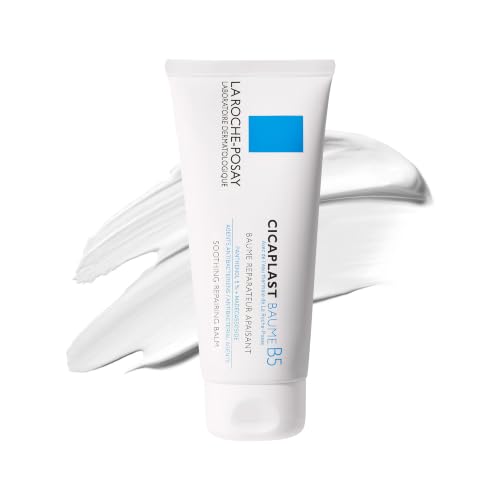
La Roche-Posay
Cicaplast Baume B5 Soothing Repair
moisturizer · 100 ml · 33 ingredients
- Fragrance-free
- No essential oils
- No drying alcohol
- No MI/MCI
- No menthol, camphor and witch hazel

Beauty of Joseon
Red Bean Water Gel
moisturizer · 99.9 ml · 58 ingredients
- Fragrance-free
- No essential oils
- No drying alcohol
- No MI/MCI
- No menthol, camphor and witch hazel

Uriage
Xemose C8+ Lipid-Replenishing Anti-Itch Balm
moisturizer · 500 ml · 24 ingredients
£19.30−17%Amazon UK
- Fragrance-free
- No essential oils
- No drying alcohol
- No MI/MCI
- No menthol, camphor and witch hazel
Amazon UK prices as of 6 November 2026, 06:19 GMT; Amazon sets the final price at checkout.
Frequently asked questions
What is the best body wash for hidradenitis suppurativa in 2026?
No single body wash has been approved or proven in a large RCT to treat HS, but dermatologist consensus and available real-world evidence point to three categories. Chlorhexidine 4% solution (e.g., Hibiclens) is a broad-spectrum surgical antiseptic widely recommended for daily HS skincare. Benzoyl peroxide 4–10% body wash reduces skin surface bacteria and is accessible OTC. Sodium hypochlorite 0.006% wash (e.g., CLn BodyWash) showed significant patient-reported improvements in pain, drainage, odor, and flare frequency in a published study of 145 HS patients across all Hurley stages. Zinc pyrithione is a gentler daily-use option for patients who find the above too drying. All should be used gently — no scrubbing — and paired with a fragrance-free, non-comedogenic moisturizer on surrounding skin.
Can I use retinol or AHAs if I have HS?
Not on actively affected HS skin. AHAs (glycolic acid, lactic acid) and BHAs (salicylic acid) are chemical exfoliants that increase skin turnover and lower skin pH — mechanisms that worsen the already-compromised barrier and inflamed follicular environment in HS-affected areas. Retinol increases cell turnover and can be irritating; it is not established as beneficial for HS lesions. If you have both HS-affected skin folds and separate concerns on the face or non-affected body areas, you may use these actives on the non-affected zones under dermatologist guidance. Topical tretinoin and isotretinoin (oral) have been studied for HS specifically, with limited and mixed results — these are medical decisions, not OTC skincare choices.
Is it safe to use tea tree oil on HS lesions?
No. Tea tree oil is a common 'natural antibacterial' recommendation, but it is explicitly listed as an ingredient to avoid for HS-affected skin by Cleveland Clinic dermatologists and others. Its high concentration of terpinen-4-ol and other terpenoids is irritating to inflamed, barrier-compromised skin and can trigger or worsen contact dermatitis on HS lesions. Stick to clinically supported antiseptics: chlorhexidine, benzoyl peroxide, or sodium hypochlorite at appropriate concentrations.
What deodorant should I use if I have axillary HS?
Choose a spray or roll-on format that is alcohol-free, fragrance-free, baking-soda-free, dye-free, and paraben-free. Published research on HS patients found solid stick deodorants were rated 'very harmful' by 24% of users and worsened HS in over half of users who tried any deodorant. Spray formats were the best-tolerated in the same cohort. Many HS patients find that using a chlorhexidine or benzoyl peroxide wash daily provides better odor control than conventional deodorant because it targets the bacterial source of odor directly. If sweating is a significant driver of flares, discuss botulinum toxin axillary injections with your dermatologist.
Should I cover HS lesions or leave them open to air?
Active draining HS lesions should be covered with appropriate dressings — not left open. Dressings protect clothing and surrounding skin from drainage, reduce maceration of adjacent skin, and limit secondary contamination. Dermatologists most commonly recommend absorbent abdominal pads, gauze pads, or menstrual/panty pads for practical daily use. Change dressings at least once daily. Do not apply adhesive bandages directly to HS lesions — the adhesive and the removal process both cause follicular trauma. Follow any wound-care plan your dermatologist has prescribed.
What makeup is safe to use around HS-affected areas?
If you use makeup near HS-affected skin, choose products that are: non-comedogenic (labeled 'won't clog pores'), fragrance-free, dye-free, and alcohol-free. Water-based or powder formulas are less likely to cause follicular occlusion than oil-heavy or thick cream formulas. Avoid applying foundation or concealer directly onto active lesions or open wounds — this risks bacterial introduction and product-driven follicular blockage. On healed skin or scarring where lesions have resolved, gentle mineral foundations or tinted SPF products formulated for sensitive skin are appropriate. Discuss with your dermatologist if you use topical clindamycin on facial HS-adjacent areas, as some makeup can interact with prescribed topicals.
Health information, not medical advice.
Beauty Comparison is an independent editorial publication. This page is researched and sourced to the authorities listed below, but it is general information — not a diagnosis or a substitute for personalised advice from a qualified doctor, dermatologist or pharmacist. If your symptoms are severe, spreading, painful, or not improving, see a healthcare professional.Sources
- 01Hidradenitis Suppurativa: Self-Care — American Academy of Dermatology (aad.org). AAD recommendations for HS skincare: antimicrobial washes with benzoyl peroxide or zinc pyrithione, avoiding scrubbing, loose clothing, smoking cessation, weight loss; deodorant advice (avoid alcohol, baking soda, parabens, dyes, fragrance); laser hair removal and careful shaving technique.
- 02Hidradenitis Suppurativa: Diagnosis and Treatment — American Academy of Dermatology (aad.org). Topical clindamycin, resorcinol, antiseptic washes, and antimicrobial washes as topical/procedural options in HS treatment; dermatologist-prescribed skincare plan including antibacterial wash and gentle antiperspirant; wound care protocol.
- 03Deodorant/Antiperspirant Use and Hair Removal Practices for Hidradenitis Suppurativa: Recommendations from a Single-Center Survey — PubMed Central / NIH. Survey of HS patients: solid stick deodorant rated 'very harmful' by 24%, 52% report all deodorants worsen HS; spray deodorants best tolerated (31% rated helpful); laser hair removal rated helpful by 85% of users; shaving rated harmful by 75%; chlorhexidine and benzoyl peroxide wash found helpful for odor control (64–67%).
- 04Real-World Efficacy of Sodium Hypochlorite Body Wash in Managing Hidradenitis Suppurativa — PubMed Central / NIH. 145-patient real-world study: 0.006% sodium hypochlorite (CLn BodyWash) significantly reduced pain (3.52→1.62), redness, swelling, drainage, itching, and odor within 4 weeks (all p<0.001); 88.8% would recommend it; dab-method application showed benefits for acute active lesions; 60%+ reported fewer and shorter flares.
- 05Wound Care Counseling of Patients with Hidradenitis Suppurativa: Perspectives of Dermatologists — PubMed Central / NIH. Dermatologists most commonly recommend abdominal pads (80%), gauze (76%), and menstrual pads/panty liners (52%) as dressings; warm compresses recommended by 76%; bleach baths by 50%; boy shorts (48%) and wireless bras (34%) as clothing modifications; significant educational gap — over one-third of dermatologists do not counsel about wound care.
- 06North American Clinical Management Guidelines for Hidradenitis Suppurativa: Part II — Topical, Intralesional, and Systemic Medical Management — PubMed Central / Journal of the American Academy of Dermatology. Expert consensus supporting chlorhexidine, benzoyl peroxide, and zinc pyrithione skin cleansers; topical clindamycin 1% as first-line topical agent; resorcinol 15% as keratolytic; intralesional triamcinolone 10 mg/mL for acute lesions; avoidance of deodorants with irritant ingredients.
- 07The Best Soap Products That Can Help With Hidradenitis Suppurativa — Cleveland Clinic Health. Dermatologist recommendations: chlorhexidine (Hibiclens), benzoyl peroxide, and zinc pyrithione washes for HS; CeraVe, Cetaphil, and Vanicream as barrier-supportive moisturizers; ingredients to avoid including tea tree oil, rubbing alcohol, BHAs, fragrances, dyes, parabens, and exfoliators/scrubs/loofahs.
- 08Hidradenitis Suppurativa — StatPearls — NCBI Bookshelf / StatPearls Publishing. HS pathophysiology: follicular occlusion and immune dysregulation (not primarily bacterial); prodromal symptoms in 50% of patients; comorbidities; general management including pain management, hygiene, smoking cessation, and weight loss.