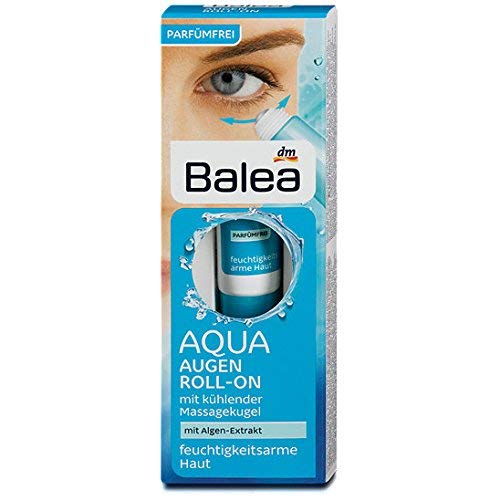
Balea
Aqua Eye Roll-On
deodorant · 15 ml · 22 ingredients
£5.49Amazon UK
- Fragrance-free
- No essential oils
- With hyaluronic acid
- With glycerin
- With panthenol
Full ingredient lists, decoded. Free-from facts on every product.
Ingredient dictionary
Citric acid is a mild, naturally occurring acid found in citrus fruit. In skincare and haircare it mainly adjusts pH, helping keep a formula stable. It is on the label of 679 products in our library. Checked against our library November 6, 2026.
Citric acid occurs naturally in citrus fruits such as lemons and limes, which is where its name comes from. Most of the citric acid used in cosmetics is made by fermenting sugar with a common mold, the same route used for many food-grade acids. Purified, it is a white, crystalline powder that dissolves easily in water.
Formulators use it mainly to fine-tune pH, so a product feels comfortable on skin or hair and stays stable on the shelf. It also binds stray metal ions, which helps keep color and scent steady. Because it is water-soluble, it blends easily into shampoos, cleansers and lotions. At typical cosmetic levels it feels light and clean, with no greasy residue.
Good for
Suits most skin and hair types, and shows up often in cleansers, shampoos, body washes and lotions.
For most people, citric acid is well tolerated in rinse-off and leave-on products at the levels used in cosmetics. It is a common food-grade acid. People with very sensitive or broken skin may notice a brief tingle. If irritation lingers, stop using the product and ask a dermatologist.
It can, in a light way. Acids like this can loosen the bonds between dead skin cells, which helps the surface look smoother. In most rinse-off cleansers and lotions the effect is small. It is not a strong peel, and it is not the main job here.
Balea
deodorant · 15 ml · 22 ingredients
£5.49Amazon UK

Balea
serum · 30 ml · 23 ingredients
£9.99Amazon UK

Balea
serum · 30 ml · 13 ingredients
£13.41Amazon UK

Balea
sunscreen · 50 ml · 25 ingredients

Balea
body wash · 150 ml · 10 ingredients
£15.53Amazon UK

Balea
serum · 30 ml · 16 ingredients
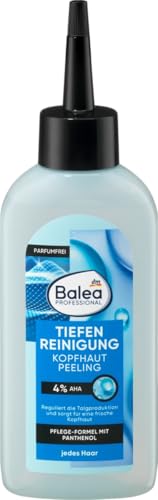
Balea
scalp treatment · 150 ml · 10 ingredients

Bioderma Sensibio
micellar water · 250 ml · 15 ingredients
£13.82−8%Amazon UK
Amazon UK prices as of 6 November 2026, 06:19 GMT; Amazon sets the final price at checkout.