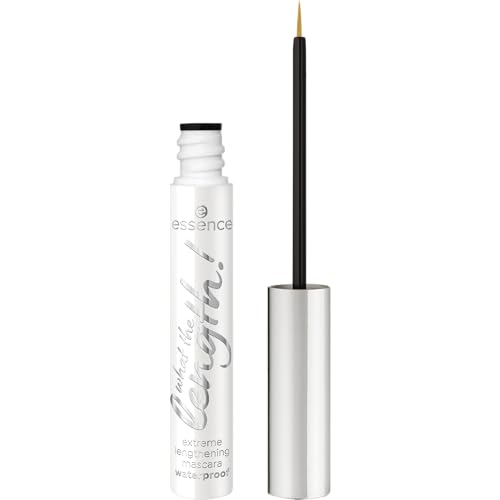
Essence
What The Length! Lash Growth Serum
brow product · 4 ml · 19 ingredients
- Fragrance-free
- No essential oils
- With glycerin
- With panthenol
- With peptides
Full ingredient lists, decoded. Free-from facts on every product.
Ingredient dictionary
Also listed as: Hypromellose, HPMC
A plant-derived cellulose that has been modified to dissolve in water. It mainly thickens, binds and helps films form on the skin or hair. It is on the label of 17 products in our library. Checked against our library November 6, 2026.
Hydroxypropyl methylcellulose starts with cellulose, the fiber that makes up plant cell walls. It is usually sourced from wood pulp or cotton. Chemists treat the cellulose with an alkaline solution, then add small chemical groups, hydroxypropyl and methyl, along its chain. These added groups make the molecule dissolve in water, which plain cellulose does not do.
Formulators use it mainly as a thickener and stabilizer. It builds body in lotions and washes without making them greasy. In sunscreens, it helps keep the formula evenly mixed and can help form a thin, flexible film on the skin. The feel is smooth and slightly slippery rather than heavy.
Good for
Suits people who like smooth, lightweight body lotions, washes and sunscreens. It is generally well tolerated by most skin types.
It is generally well tolerated and rarely causes irritation, but anyone with sensitive skin should patch test new products. Patch testing means applying a small amount to a patch of skin and waiting a day or two before using it more widely.
Yes. Hypromellose is the pharmaceutical name for the same material, so you may see it on medicine labels too. HPMC is a common short form. On cosmetic labels, the INCI name, short for International Nomenclature of Cosmetic Ingredients, is the standard name.
Essence
brow product · 4 ml · 19 ingredients
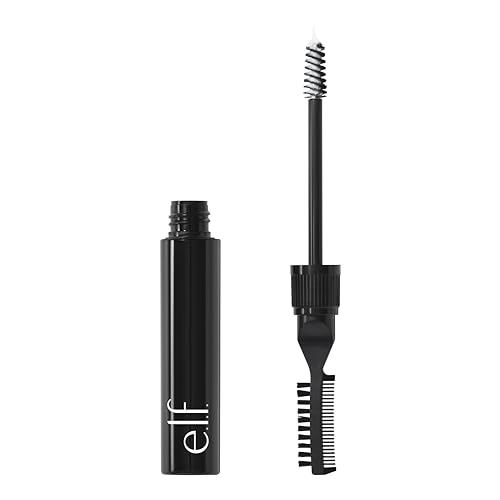
e.l.f.
brow product · 7.8 g · 30 ingredients

Original Source
body lotion · 500 ml · 19 ingredients

The Body Shop
shampoo · 400 ml · 22 ingredients
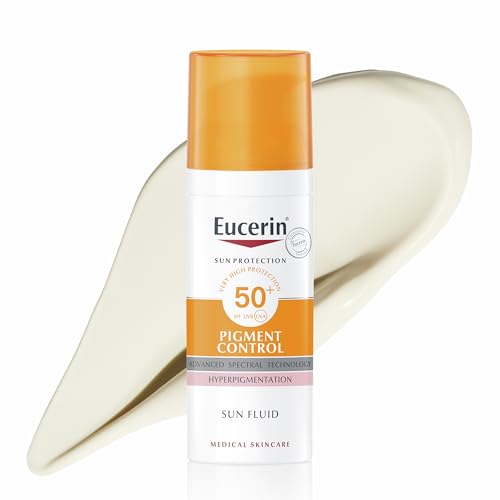
Eucerin
sunscreen · 50 ml · 31 ingredients

Nivea Men
shaving cream · 75 ml · 25 ingredients
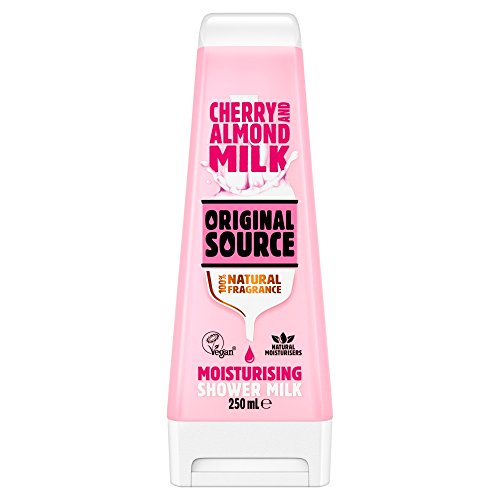
Original Source
body wash · 250 ml · 19 ingredients

Medik8
retinol serum · 30 ml · 47 ingredients