
Burt's Bees
Lip Balm Ultra Conditioning
lip balm · 4.25 g · 21 ingredients
£4.48−4%Amazon UK
- Fragrance-free
- No essential oils
- With shea butter
- With vitamin E
Full ingredient lists, decoded. Free-from facts on every product.
Ingredient dictionary
Also listed as: d-Limonene
Limonene is a natural scent molecule found in citrus peel oils. It gives products a fresh, citrusy smell and helps dissolve other ingredients. It is on the label of 392 products in our library. Checked against our library November 6, 2026.
The catch: limonene is one of 26 scent chemicals the EU requires brands to name on labels, so check the ingredient list if you know you react to it, including in products scented only with essential oils.
Limonene is a terpene, a family of natural molecules that plants make to build their scents. It is found in the peel of citrus fruits like oranges and lemons, and cosmetic limonene is often sourced from citrus peel oil.
Formulators use limonene mainly for its bright, citrus smell, and it also helps dissolve oils and fragrance blends. It feels light on the skin and evaporates fairly quickly. Exposed to air, limonene can oxidize over time, so brands often add antioxidants to help keep a formula stable.
Good for
People who enjoy a bright, citrus-style scent in shampoo, lotion or deodorant. Anyone with a known fragrance allergy should read labels closely.
Yes, it occurs naturally in citrus peel oils. Cosmetic limonene can come from citrus peel or be made in a lab. Either way, it is a common ingredient that many formulators rely on for scent.
It is a known fragrance allergen. Most people tolerate it well, but some develop redness, itching or irritation. If you suspect a reaction, stop using the product and check with a doctor.
Burt's Bees
lip balm · 4.25 g · 21 ingredients
£4.48−4%Amazon UK

Dove
deodorant · 50 ml · 22 ingredients

Dr. Bronner's
body wash · 140 g · 15 ingredients
£8.13Amazon UK
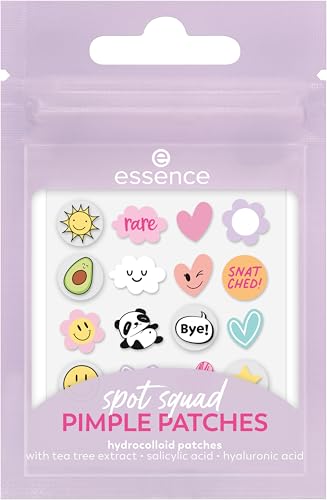
Essence
acne treatment · 11 ingredients
£2.12Amazon UK

Honest
shampoo · 283.5 ml · 28 ingredients
£16.98−6%Amazon UK

Axe
deodorant · 150 ml · 10 ingredients

Axe
deodorant · 150 ml · 15 ingredients
£14.99Amazon UK

Balea
deodorant · 50 ml · 13 ingredients
Amazon UK prices as of 6 November 2026, 06:19 GMT; Amazon sets the final price at checkout.