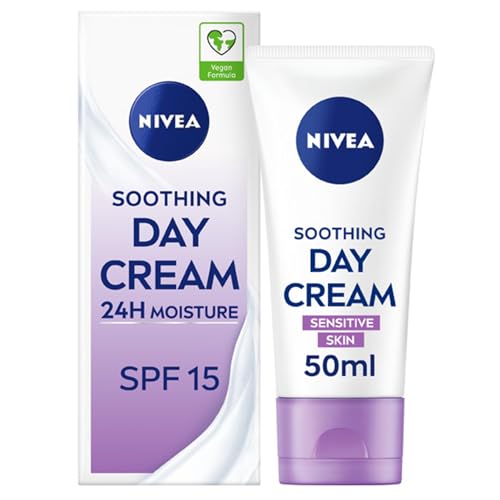
Nivea
Sensitive Day Cream
sunscreen · 50 ml · 23 ingredients
- Fragrance-free
- No essential oils
- With glycerin
- With panthenol
- With piroctone olamine
Full ingredient lists, decoded. Free-from facts on every product.
Ingredient dictionary
Octocrylene is a synthetic, oil-soluble organic UV filter that absorbs UVB and some UVA rays, so the skin is shielded from them. It is on the label of 28 products in our library. Checked against our library November 6, 2026.
The catch: octocrylene is a chemical filter, so people with very sensitive skin, or anyone wanting a mineral-only sunscreen, often look for products without it.
Octocrylene is a man-made ingredient. It is made by chemical synthesis, not taken from plants or minerals. In its pure form it is a thick, oily liquid that dissolves in oils and not in water, which is why it blends easily into the oil part of a sunscreen.
Formulators use it mainly to absorb UV light in sunscreens. It is also valued for helping to stabilize avobenzone, another sun filter that can break down in sunlight on its own. On the skin it feels smooth and slightly oily, so formulators balance it with lighter ingredients. Like most sunscreen filters, it is best applied generously and reapplied as directed.
Good for
Suits people who are comfortable with chemical filters and want a lightweight sunscreen.
Most people tolerate it well, but it can cause allergic skin reactions in some people. If your skin reacts easily, try a small patch test first and stop use if redness or itching appears.
No. Octocrylene is an organic, or chemical, filter. Mineral sunscreens use zinc oxide or titanium dioxide instead, which sit on the skin and reflect UV light.
Nivea
sunscreen · 50 ml · 23 ingredients

Eucerin Sun
sunscreen · 200 ml · 19 ingredients

Piz Buin
sunscreen · 200 g · 23 ingredients

Piz Buin
sunscreen · 200 ml · 28 ingredients

Olay
sunscreen · 100 ml · 34 ingredients

Bondi Sands
sunscreen · 75 ml · 21 ingredients

Garnier
self-tanner · 200 ml · 20 ingredients

Labello
sunscreen · 4.8 g · 25 ingredients