
La Roche-Posay
L'Orealposay Micellar Water
micellar water · 400 ml · 13 ingredients
- No essential oils
- With glycerin
Full ingredient lists, decoded. Free-from facts on every product.
Ingredient dictionary
Also listed as: Fragrance, Aroma, Parfum/Fragrance
Parfum is the scent blend added to a product to give it its smell, often a mix of many natural and lab-made aroma materials. It is on the label of 78 products in our library. Checked against our library November 6, 2026.
The catch: fragrance is the most common cause of cosmetic contact allergy, so sensitive, eczema-prone and rosacea-prone skin usually does better without it.
Parfum is a blend of many aroma materials. Some come from plants, such as essential oils, and others are made in a lab. Perfumers mix them to build a specific scent. The exact recipe is usually kept private, so the label groups it under one name.
Formulators use it to give a product a pleasant, steady smell and to mask the odor of other ingredients. In a shampoo, lotion or deodorant, it shapes how the product feels to use. Its main effect is sensory, so it adds scent but does not moisturize or cleanse.
Good for
Shoppers who enjoy a scent in their routine and have skin that tolerates added fragrance well.
Yes, on most labels they mean the same thing. Both name the scent added to the product. Parfum is the INCI term, the standard name used across ingredient labels worldwide.
It can be for some people. Fragrance is the most common cause of cosmetic contact allergy. If your skin is sensitive, eczema-prone or rosacea-prone, a fragrance-free product is usually the better choice.
La Roche-Posay
micellar water · 400 ml · 13 ingredients

Nuxe
micellar water · 200 ml · 10 ingredients
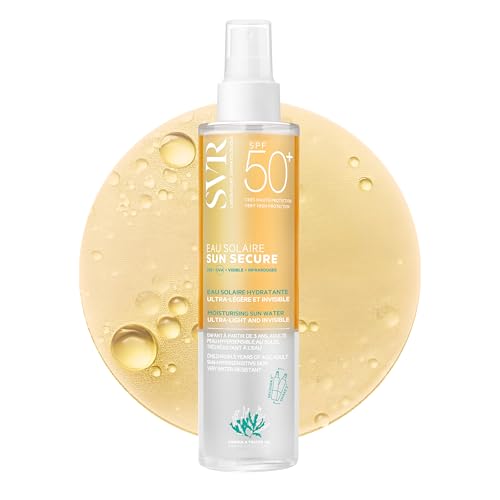
SVR
sunscreen · 200 ml · 22 ingredients

Moroccanoil
lip balm · 33 ingredients

OGX
serum · 385 ml · 33 ingredients

Davines
shampoo · 250 ml · 21 ingredients

La Roche-Posay
micellar water · 200 ml · 13 ingredients

Garnier Fructis
moisturizer · 250 ml · 20 ingredients