
Balea
Face Cream Niacinamide SPF 30
sunscreen · 50 ml · 25 ingredients
- Fragrance-free
- No essential oils
- With niacinamide
- With glycerin
- With panthenol
Full ingredient lists, decoded. Free-from facts on every product.
Ingredient dictionary
Also listed as: 1,2-Propanediol
Propylene Glycol is a colorless, slightly syrupy liquid that attracts water and is mainly used to hydrate, dissolve ingredients and help products spread. It is on the label of 207 products in our library. Checked against our library November 6, 2026.
Propylene glycol is a synthetic liquid made from propylene oxide, a building block from the petrochemical industry. It is colorless, nearly odorless, and slightly thick, like a light syrup. Formulators have used it in cosmetics for decades, and you will often see it in shampoos, moisturizers, sunscreens, mascaras and cleansers.
In a formula, it does several jobs. It is a humectant, meaning it attracts water, so it helps skin and hair stay hydrated. It also works as a solvent, helping other ingredients blend, and some preservatives perform better alongside it. On skin, it feels light and slightly slippery rather than greasy.
Good for
Suits most skin and hair types, and is found in everyday products like moisturizers, cleansers and shampoos.
Propylene glycol is widely considered safe in cosmetics at normal use levels. Most people tolerate it well. A few people with very sensitive or broken skin may notice stinging, and rarely someone is allergic to it. If a product stings, stop using it.
Not quite. Car antifreeze usually contains ethylene glycol, a different chemical that is not used in cosmetics. Propylene glycol is a related but separate ingredient, and it is used in cosmetics and some foods. Both are glycols, so the names look alike.
Balea
sunscreen · 50 ml · 25 ingredients

Balea
scalp treatment · 150 ml · 10 ingredients

Bioderma
micellar water · 100 ml · 10 ingredients
£7.99−5%Amazon UK

Bioderma Sensibio
micellar water · 250 ml · 15 ingredients
£13.67−9%Amazon UK
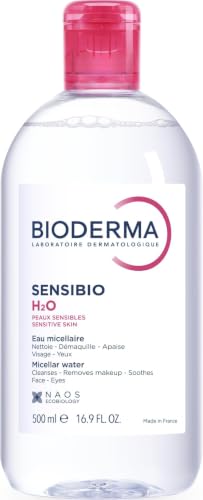
Bioderma Sensibio
micellar water · 500 ml · 10 ingredients
£13.44−10%Amazon UK

Bioderma Sensibio
micellar water · 500 ml · 10 ingredients
£9.86−11%Amazon UK

Catrice
brow product · 1 g · 11 ingredients
Catrice
brow product · 9.5 ml · 13 ingredients
Amazon UK prices as of 6 November 2026, 04:30 GMT; Amazon sets the final price at checkout.