JAK Inhibitors for Alopecia Areata: How They Work
The short answer
JAK inhibitors block the IFN-γ and IL-15 immune signals that destroy hair follicles in alopecia.
What Are JAK Inhibitors?
Janus kinase (JAK) inhibitors are a class of oral targeted immunosuppressants that block intracellular signaling through the Janus kinase family of enzymes (JAK1, JAK2, JAK3, and TYK2). These enzymes transmit signals from cytokine receptors on the cell surface into the nucleus, where they regulate gene expression — including genes governing immune cell activation, proliferation, and cytokine production.
By blocking specific JAKs, these drugs can interrupt the immune cascades driving autoimmune conditions without broadly suppressing the entire immune system. This precision is what makes them useful in alopecia areata: the autoimmune attack on hair follicles is mediated by a relatively well-defined JAK-dependent signaling pathway, which can be targeted.
Why Hair Follicles Are Attacked in Alopecia Areata
To understand how JAK inhibitors work, it helps to understand why the immune system attacks hair follicles in the first place.
Healthy, actively growing hair follicles exist in a state of immune privilege — a protected microenvironment in which normal immune surveillance is suppressed. This privilege is maintained by anti-inflammatory molecules including:
- TGF-β (transforming growth factor beta)
- α-MSH (alpha melanocyte-stimulating hormone)
- Reduced or absent MHC class I expression on follicular cells
This protection prevents the immune system from recognizing follicle-specific proteins as foreign and mounting an attack.
In alopecia areata, immune privilege collapses. Triggers — which may include viral infections (Epstein-Barr virus, hepatitis), psychological stress, or remain unidentified — disrupt these protective signals and upregulate MICA (MHC class I chain-related protein A) on follicular cells. MICA acts as a "danger signal" for natural killer (NK) cells and autoreactive CD8+ T cells, which infiltrate the hair follicle in a characteristic perifollicular "bee-swarm" pattern visible on biopsy.
The JAK-STAT Pathway in Alopecia Areata
Once inside the follicle, activated immune cells release two key cytokines:
Interferon-gamma (IFN-γ):
- Released by CD8+ T cells and NK cells
- Binds to IFN-γ receptor on follicle cells
- Activates JAK1 and JAK2, which phosphorylate STAT1 and STAT3
- STAT1 drives expression of pro-inflammatory genes and MHC class I upregulation on follicle cells, amplifying the immune attack
Interleukin-15 (IL-15):
- Released by keratinocytes under immune stress
- Activates JAK1 and JAK3, which phosphorylate STAT3 and STAT5
- IL-15 is particularly important for maintaining the autoreactive CD8+ T cell population within the follicle microenvironment — it functions as a survival and expansion signal for the cells driving hair loss
Both IFN-γ and IL-15 signaling together create a self-amplifying inflammatory loop: immune cells are activated, they damage follicles, the damage recruits more immune cells, which release more IFN-γ and IL-15. The net effect is that anagen hair follicles are prematurely pushed into the catagen and telogen phases — the hair stops growing and sheds.
JAK inhibitors interrupt this loop by blocking the enzymatic activity of the JAKs that IFN-γ and IL-15 need to transmit their signals. Without functional JAK signaling, STAT phosphorylation does not occur, pro-inflammatory gene expression is suppressed, and the immune attack on the follicle subsides — allowing follicles to re-enter anagen and hair to regrow.
The Three FDA-Approved JAK Inhibitors
Three JAK inhibitors are currently FDA-approved specifically for severe alopecia areata.
Baricitinib (Olumiant — Eli Lilly)
| Mechanism | Selective JAK1 and JAK2 inhibitor |
| FDA approval for AA | June 13, 2022 — first systemic treatment ever approved for severe AA |
| Approved population | Adults with severe alopecia areata |
| Dosing | 2 mg or 4 mg once daily; 4 mg superior to 2 mg |
| Pivotal trial | BRAVE-AA1 and BRAVE-AA2 (Phase 3, global) |
Key trial data: In the BRAVE-AA trials, baricitinib 4 mg achieved SALT ≤20 (defined as ≤20% scalp hair loss, meaning ≥80% scalp coverage) in 38.8% of patients at week 36, compared to 6.2% of placebo recipients. For SALT ≤10 (≥90% coverage), the response rate was approximately 22%.
Notable: Baricitinib was the first systemic drug ever approved for alopecia areata, representing a paradigm shift from decades in which no systemic treatment was approved for this condition.
Ritlecitinib (Litfulo — Pfizer)
| Mechanism | Covalent (irreversible) inhibitor of JAK3 and the TEC kinase family (BMX, BTK, ITK, TXK, TEC) |
| FDA approval for AA | June 23, 2023 |
| Approved population | Adults and adolescents aged 12 and older — the only JAK inhibitor approved in this age group |
| Dosing | 50 mg once daily (with optional 200 mg loading dose for 4 weeks) |
| Pivotal trial | ALLEGRO Phase 2b/3 (N=718) |
Key trial data: At 24 weeks, approximately 25–31% of patients on ritlecitinib 50 mg achieved SALT ≤20, with response rates continuing to improve through week 48. At the 50 mg dose, around 25–34% achieved SALT90 (≥90% regrowth) compared to 0% placebo.
Why JAK3/TEC selectivity matters: JAK3 is expressed predominantly in immune cells (T cells, NK cells, B cells), in contrast to JAK2, which is broadly expressed including in hematopoietic progenitor cells. Theoretically, JAK3-selective inhibition provides targeted immunosuppression with less interference with blood cell production and cardiovascular function — though the clinical significance of this selectivity in practice is still being evaluated in long-term safety data.
Deuruxolitinib (Sun Pharmaceutical)
| Mechanism | JAK1 and JAK2 inhibitor (deuterated form of ruxolitinib for improved metabolic stability) |
| FDA approval for AA | 2024 |
| Approved population | Adults with severe alopecia areata |
| Dosing | Twice daily |
Network meta-analysis data: A 2024 systematic review and network meta-analysis of 13 randomized controlled trials (3,613 patients) found that deuruxolitinib 12 mg had the highest probability of achieving SALT75 (≥75% scalp coverage) among all JAK inhibitors studied. However, the same analysis noted that deuruxolitinib had a greater likelihood of adverse events than other JAK inhibitors in the comparison.
How the Drugs Differ: Selectivity and Safety Trade-offs
| Drug | JAK Targets | Key Selectivity | Common AEs | Boxed Warning |
|---|---|---|---|---|
| Baricitinib | JAK1, JAK2 | Broader; JAK2 affects erythropoiesis | Acne, lipid elevation, infections | Yes |
| Ritlecitinib | JAK3, TEC family | Immune-cell selective; spares JAK2 | Nasopharyngitis, headache, infections | Yes |
| Deuruxolitinib | JAK1, JAK2 | Broad; similar to baricitinib | Infections, lipid changes | Yes |
All three carry the same FDA Boxed Warning covering:
- Serious infections including bacterial, viral, fungal, and opportunistic (especially herpes zoster)
- Malignancy — including lymphoma and lung cancer (based on data from JAK inhibitors used at higher doses for other indications including rheumatoid arthritis and ulcerative colitis)
- Major adverse cardiovascular events (MACE) — cardiovascular death, myocardial infarction, stroke
- Thrombosis — deep vein thrombosis and pulmonary embolism
The Boxed Warning was established largely from data on tofacitinib used at higher doses in older patients with rheumatoid arthritis who had elevated cardiovascular risk factors. The absolute risk in younger, otherwise healthy AA patients on dermatological doses is lower, but cannot be fully separated from the class warning. Prescribing dermatologists screen patients for cardiovascular risk, active infections, history of malignancy, and smoking before initiating treatment and monitor labs (CBC, lipids, liver enzymes) during therapy.
What to Expect During Treatment
Before starting: Your dermatologist will assess SALT score (severity of scalp hair loss), check for latent tuberculosis and baseline bloodwork, review contraindications (active serious infection, pregnancy), and discuss the risks and monitoring requirements.
During the first 8–16 weeks: Fine, short, sometimes unpigmented hair begins to appear. Progress is gradual; photographs taken every 4–8 weeks help track response.
At 24–36 weeks: The maximum benefit period used in pivotal trials. If a patient has not shown meaningful improvement (at least some regrowth) by 36 weeks, the prescriber will review whether to continue, dose-adjust, or switch agents.
Long-term: The fundamental limitation of all JAK inhibitors in AA is that they suppress rather than cure the underlying autoimmune process. Hair loss returns after discontinuation in the vast majority of patients — often within 3 months for some agents. Indefinite treatment is therefore the expected requirement for most patients who respond, with ongoing safety monitoring.
Who Is a Candidate for JAK Inhibitors?
JAK inhibitors for alopecia areata are indicated for:
- Adults with severe alopecia areata (defined in trials as SALT ≥50, i.e., ≥50% scalp hair loss)
- Adolescents ≥12 years for ritlecitinib
- Patients with alopecia totalis or alopecia universalis
- Patients who have failed or cannot tolerate conventional treatments (intralesional corticosteroids, contact immunotherapy)
They are not appropriate for:
- Mild or moderate patchy disease that responds to conventional therapy
- Patients with active serious infections
- Patients with a history of certain malignancies (individualized assessment)
- Pregnancy or breastfeeding
- Patients with significant cardiovascular risk factors (requires careful individualized risk-benefit analysis)
Cost and access are practical barriers. These are branded medications without generic alternatives currently available, and insurance coverage varies significantly. Patient assistance programs are offered by the manufacturers.
What Happens if JAK Inhibitors Stop Working?
Some patients experience initial response followed by diminishing efficacy (secondary non-response). This may reflect:
- Re-emergence of residual memory T cells that JAK inhibitors fail to eliminate
- Subtherapeutic drug levels
- Development of disease resistance mechanisms
Strategies being explored include: increasing the dose (within approved ranges), switching to a different JAK inhibitor with a different selectivity profile, adding oral low-dose minoxidil, or transitioning to a clinical trial of emerging agents.
The Evolving Landscape
The field is moving rapidly. Agents in late-stage development include brepocitinib (TYK2/JAK1 inhibitor) and abrocitinib (JAK1 selective), both showing efficacy signals in Phase 2 studies. Topical JAK inhibitors (ruxolitinib cream is FDA-approved for vitiligo, a related immune-privilege condition) are being studied for AA with the appeal of systemic safety avoidance, though scalp penetration and efficacy for extensive disease remain open questions.
The FDA approval of three JAK inhibitors for AA between 2022 and 2024 represents the most significant therapeutic advance for this condition in its entire documented history.
Products that fit: thinning hair
Picked by code from each product's full ingredient list.

OGX
ProGrowth + Peptide Scalp Serum
scalp treatment · 10 ml · 16 ingredients
- Fragrance-free
- No essential oils
- With caffeine
- With niacinamide
- With peptides

Balea
Ultra Sensitive Shampoo
shampoo · 250 ml · 20 ingredients
£3.90Amazon UK
- Fragrance-free
- No essential oils
- With niacinamide
- With panthenol
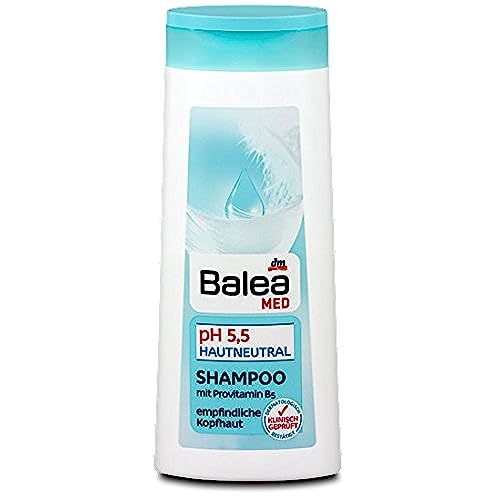
Balea
Med pH Skin Neutral Shampoo ProvitaminB5
shampoo · 300 ml · 26 ingredients
£3.99Amazon UK
- No essential oils
- With niacinamide
- With panthenol

The Body Shop
Banana Truly Nourishing Shampoo
shampoo · 250 ml · 23 ingredients
£12.00Amazon UK
- No essential oils
- With peptides
- With panthenol
Amazon UK prices as of 6 November 2026, 05:32 GMT; Amazon sets the final price at checkout.
Frequently asked questions
Are JAK inhibitors safe for alopecia areata in 2026?
FDA-approved JAK inhibitors for alopecia areata — baricitinib, ritlecitinib, and deuruxolitinib — have demonstrated acceptable safety profiles in their pivotal trials at dermatological doses, but all carry an FDA Boxed Warning for serious infections, malignancy (including lymphoma and lung cancer), major adverse cardiovascular events, and thrombosis. These are class-wide warnings established from data on related JAK inhibitors used at higher doses in older patients with rheumatoid arthritis; the absolute risk in younger, otherwise healthy patients on AA doses is lower, but remains a consideration requiring individualized assessment. Regular monitoring of labs (CBC, lipids, liver enzymes) and screening for infection risk are standard. Long-term safety data beyond 52 weeks are still accumulating.
How do I know if I qualify for JAK inhibitors for my alopecia areata?
JAK inhibitors are approved and typically prescribed for severe alopecia areata — generally defined as ≥50% scalp hair loss (SALT score ≥50), alopecia totalis, or alopecia universalis. They are not typically used for mild or moderate patchy disease that responds to conventional treatments like intralesional corticosteroids. Ritlecitinib is also approved for adolescents aged 12 and older. A board-certified dermatologist evaluates SALT score, prior treatment history, overall health, cardiovascular risk factors, and infection risk before prescribing. Access and insurance coverage vary.
Why does hair loss return after stopping JAK inhibitors?
JAK inhibitors suppress the autoimmune mechanism driving AA — blocking IFN-γ and IL-15 JAK-STAT signaling — but do not eliminate the underlying immune memory that generates the attack. When the drug is stopped, the suppressive effect lifts and residual autoreactive CD8+ memory T cells, which persist in the scalp skin, re-activate and resume their attack on follicles. Studies show approximately 100% of tofacitinib responders relapsed within 3 months of stopping treatment. This pattern appears consistent across the JAK inhibitor class, which is why indefinite treatment is expected for most responders.
What is the difference between baricitinib and ritlecitinib for alopecia areata?
Both are FDA-approved for severe AA but differ in JAK selectivity. Baricitinib (Olumiant, JAK1/2) was the first approved (June 2022) and has the most robust Phase 3 data: 38.8% of patients achieved SALT ≤20 at 36 weeks (vs 6.2% placebo, BRAVE-AA). Ritlecitinib (Litfulo, JAK3/TEC kinase covalent inhibitor) was approved June 2023 and is the only JAK inhibitor approved for adolescents aged 12+, making it the preferred option for younger patients. Ritlecitinib's more selective mechanism theoretically spares JAK2-dependent hematopoietic pathways, and its pivotal trial showed rates of serious adverse events similar to placebo. Efficacy comparisons between the two are limited as they were studied in separate trials; a network meta-analysis suggests deuruxolitinib may achieve the highest SALT75 rates.
Can JAK inhibitors be used with other alopecia areata treatments?
Yes. In clinical practice, JAK inhibitors are frequently combined with oral low-dose minoxidil (which promotes follicular cycling) to enhance response. Intralesional corticosteroids can be used for breakthrough patches while a patient is on systemic JAK inhibition. Combining two JAK inhibitors is not standard and not recommended due to additive risk without established additional benefit. Some patients transitioning from DPCP (contact immunotherapy) to JAK inhibitors may briefly overlap the treatments under dermatologist supervision. The combination of JAK inhibitors with other immunosuppressants (e.g., methotrexate, cyclosporine) is generally avoided due to additive infection risk.
Health information, not medical advice.
Beauty Comparison is an independent editorial publication. This page is researched and sourced to the authorities listed below, but it is general information — not a diagnosis or a substitute for personalised advice from a qualified doctor, dermatologist or pharmacist. If your symptoms are severe, spreading, painful, or not improving, see a healthcare professional.Sources
- 01Which is the Ideal JAK Inhibitor for Alopecia Areata — Revisiting the Immunomechanisms of the JAK Pathway — PubMed Central / PMC10373824, 2023-07-01. IFN-γ activates JAK1/JAK2 via STAT1; IL-15 activates JAK1/JAK3 via STAT3/STAT5; CD8+NKG2D+ T cells drive follicle destruction; baricitinib BRAVE-AA 38.8% SALT≤20 at week 36 vs 6.2% placebo; ritlecitinib JAK3/TEC selective; 100% relapse within 3 months of tofacitinib discontinuation.
- 02Hair loss types: Alopecia areata treatment — American Academy of Dermatology (AAD). Baricitinib FDA-approved adults (once daily); ritlecitinib FDA-approved ages 12+ (once daily); deuruxolitinib FDA-approved adults (twice daily); JAK inhibitors for extensive disease and alopecia totalis/universalis.
- 03Comparative efficacy and safety of JAK inhibitors in moderate-to-severe alopecia areata: systematic review and network meta-analysis — PubMed Central / PMC11039836, 2024-04-01. Network meta-analysis 13 RCTs, 3,613 patients: deuruxolitinib 12 mg highest SALT75 probability (SUCRA 0.9761); ritlecitinib 50 mg optimal efficacy-safety balance; baricitinib 4 mg superior to 2 mg; deuruxolitinib greater adverse event likelihood than ritlecitinib.
- 04Alopecia Areata: An Updated Review for 2023 — PubMed Central / PMC10291119, 2023-06-01. JAK-STAT pathway central to AA pathogenesis; immune privilege collapse via MICA upregulation; CD8+ T cells release IFN-γ; baricitinib approved June 2022 (first systemic AA treatment); ritlecitinib approved June 2023; JAK inhibitors 38–84% achieving SALT≤20–50 depending on drug and dose.
- 05Alopecia Areata - StatPearls - NCBI Bookshelf — National Center for Biotechnology Information (NCBI). Immune privilege collapse in AA: triggers inhibit TGF-β and α-MSH, upregulate MICA, activate NK cells, release IFN-γ/IL-15 through JAK-STAT to arrest anagen; bee-swarm lymphocytic infiltrate; JAK inhibitor Boxed Warning for infections, malignancy, MACE, thrombosis.
- 06Alopecia areata: Causes — American Academy of Dermatology — American Academy of Dermatology (AAD). AA is autoimmune — immune system attacks hair follicles; genetic factors include HLA alleles; environmental triggers include viral infections and stress; atopic dermatitis, hay fever, and asthma increase AA risk.