Keratin Treatment: What It Is, How Long It Lasts & Side Effects
The short answer
Keratin treatments smooth and de-frizz hair for 2–6 months by filling the cuticle with protein.
What Is a Keratin Treatment?
A keratin treatment — sometimes called a Brazilian blowout, Brazilian keratin treatment (BKT), or hair smoothing treatment — is a semi-permanent salon procedure that deposits hydrolyzed keratin protein into the hair shaft, then seals it flat with a high-heat flat iron. The result is dramatically reduced frizz, improved manageability, and a smoother, shinier surface that lasts weeks to months.
Keratin is the primary structural protein of human hair. Each strand is composed of three layers: the outermost cuticle (overlapping, scale-like cells), the middle cortex (tightly packed keratin fibrils that give hair its strength and color), and the innermost medulla. Frizz and roughness occur primarily when the cuticle scales lift — caused by humidity, chemical damage, heat stress, or mechanical trauma. Keratin treatments address this directly by supplementing lost or disrupted protein and mechanically pressing the cuticle smooth.
These treatments are distinct from permanent hair relaxers (which use alkaline chemicals to break and reform disulfide bonds irreversibly) and from temporary conditioning masks. A keratin treatment is semi-permanent — it gradually washes out as the cuticle rehydrates and protein deposits diffuse away.
How Keratin Treatments Work: The Mechanism
Protein Deposition
Salon keratin products contain hydrolyzed keratin — keratin broken into smaller peptide fragments by acid or enzymatic hydrolysis, making it small enough to penetrate the cuticle surface and partly enter the cortex. Research published in Molecules (2025) using SEM and fluorescent penetration experiments confirmed that hydrolyzed keratin deposits on the cuticle to form a protective film and partly penetrates the cortex, improving tensile properties and UV resistance.
The Crosslinking Agent
The critical ingredient — and the center of most safety debate — is the crosslinking agent that bonds the deposited keratin into place and holds the cuticle flat:
- Formaldehyde / methylene glycol: The original and most effective agent. Methylene glycol (a liquid form of formaldehyde) releases formaldehyde gas when heated, forming covalent bonds between keratin chains and the hair shaft. This produces the most durable results but presents documented health risks (see Safety section below).
- Glyoxylic acid: The main "formaldehyde-free" alternative. Glyoxylic acid reacts similarly with keratin amino residues (primarily amine groups) to form stable bonds. It is less irritating in acute use, but emerging evidence — including case reports of acute kidney injury from scalp absorption — has raised new safety questions.
- Other carbonyl compounds: Glutaraldehyde, citric acid, and proprietary blends are used in some systems with variable efficacy and safety profiles.
The Heat-Sealing Step
After the product is applied and allowed to process for 20–45 minutes, a stylist flat-irons the hair at 230–450°F (110–230°C) in very thin sections. This heat step activates the crosslinking chemistry, locks the cuticle flat, and drives the protein deeper into the cortex. The number of flat-iron passes and the temperature directly affect both the smoothing result and the degree of any protein or cuticle damage.
Types of Keratin Treatments
| Type | Key Crosslinker | Formaldehyde Concern | Longevity | Best For |
|---|---|---|---|---|
| Brazilian Blowout / BKT | Methylene glycol (formaldehyde precursor) | High | 3–6 months | Maximum smoothing, coarse/very frizzy hair |
| Glyoxylic acid smoothing | Glyoxylic acid | Low acute / emerging renal risk | 2–4 months | Moderate frizz, formaldehyde-sensitive clients |
| Cysteine / amino acid treatments | Cysteine (amino acid) | Negligible | 6–10 weeks | Mild frizz, fine hair, color-treated hair |
| At-home keratin kits | Variable | Variable | 4–8 weeks | Convenience; less controlled results |
Key nuance: Products labeled "formaldehyde-free" or "organic" are not automatically safer. Testing by ChemRisk (cited in OSHA's hair salon safety guidance) found that some "formaldehyde-free" products contained between 3% and 11.5% formaldehyde by weight. Methylene glycol — the liquid precursor — does not appear on the label as "formaldehyde" but releases it on heating.
How Long Does a Keratin Treatment Last?
Most professional keratin treatments last 2–6 months. The range reflects several variables:
Factors that shorten results:
- Sulfate-containing shampoos (sodium lauryl or laureth sulfate) — these detergents strip the cuticle-sealing protein film most aggressively
- Frequent washing (more than 3–4 times per week accelerates protein diffusion)
- Swimming in chlorinated or saltwater pools without protective oil or cap
- High-porosity hair (cuticle gaps allow water ingress and protein loss faster)
- Humidity in the first 72-hour cure window before the crosslinking fully sets
- Heavy-handed heat styling without a protectant
Factors that extend results:
- Sulfate-free, sodium chloride–free shampoo used throughout the treatment life
- Washing 2–3 times per week maximum
- Rinsing hair before swimming and applying a light oil barrier
- Silk or satin pillowcase (reduces mechanical friction at the cuticle)
- Avoidance of sodium chloride in styling products (salt opens the cuticle)
What to Expect: The Process Step-by-Step
A professional keratin treatment typically runs 2–4 hours in the salon. Here is what the process looks like:
- Clarifying wash: A sulfate-heavy shampoo (often provided) strips existing buildup and opens the cuticle for maximum product uptake.
- Towel dry to damp: The product penetrates best into damp — not wet or dry — hair.
- Section and apply: The keratin solution is painted onto hair in sections, root to tip, and combed through for even distribution. Most stylists leave the scalp bare by a few millimeters to minimize skin exposure.
- Processing time (20–45 min): The product dwells. Some systems use gentle heat from a hood dryer to begin activation.
- Blow-dry: The hair is dried fully straight before flat-ironing.
- Flat-iron sealing (the critical step): Very thin sections are pressed at high heat, multiple passes. This seals the cuticle and activates the crosslink.
- Leave-in cure: The treatment continues to crosslink over the next 72 hours; clients are instructed not to wash, wet, or bind the hair during this window.
Safety: Formaldehyde and Health Risks
Formaldehyde Exposure Risk
This is the most clinically significant concern with keratin treatments and the reason that informed consent matters before booking.
The U.S. Occupational Safety and Health Administration (OSHA) has issued detailed guidance on formaldehyde in hair salons. In 2011 enforcement inspections, OSHA measured salon air formaldehyde concentrations during keratin treatment application that exceeded OSHA's 15-minute short-term exposure limit (2 ppm) by five times in some salons. The FDA has issued warning letters to product manufacturers for mislabeling formaldehyde-containing products as "formaldehyde-free."
Known health effects from formaldehyde exposure in this context include:
- Acute: Eye irritation, respiratory tract inflammation, headache, dizziness, nausea, chest tightness, skin rash
- Occupational (repeated): Hair stylists performing multiple treatments daily have developed occupational asthma and sensitization
- Carcinogenicity: Formaldehyde is classified as a human carcinogen (Group 1) by the International Agency for Research on Cancer (IARC) — primarily based on nasopharyngeal cancer risk from occupational inhalation. The risk for a client receiving occasional treatments is substantially lower than for stylists with chronic daily exposure, but it is not zero.
A 2022 PMC systematic review of chemical straighteners (pmc.ncbi.nlm.nih.gov/articles/PMC9073307/) found documented effects including scalp eczema, burns, inflammation, and hair shaft structural damage across the broader category of chemical straightening treatments.
Glyoxylic Acid and Kidney Risk
Glyoxylic acid ("formaldehyde-free") alternatives were initially welcomed as a safer option. However, an emerging body of case reports — including a 2025 PMC article titled "Oxalate Nephropathy Associated with Glyoxylate-Containing Hair-Straightening Products: A Call for Caution" — has identified a newly described skin–kidney axis: glyoxylate absorbed through the scalp can be metabolized to oxalate, which crystallizes in renal tubules and causes acute kidney injury (AKI) in susceptible individuals.
This risk appears concentrated in people with pre-existing kidney disease, but cases in otherwise healthy adults have also been reported. The phenomenon remains under active investigation, and vigilance is warranted — particularly for people with any history of kidney stones or reduced kidney function.
Scalp Skin Reactions
A clinical-dermatoscopic study of 43 patients (PMC9231525, 2022) documented psoriasiform scalp reactions — scaling, redness, and inflammation — following Brazilian keratin treatments. These reactions resolved in most patients after stopping treatment, but some required topical steroid therapy.
Who Should Avoid Keratin Treatments
- Pregnant women: OSHA and published pregnancy safety reviews advise caution or avoidance. Occupational formaldehyde exposure has been associated with elevated miscarriage risk in studies of hairdressers. The MotherToBaby Fact Sheets (NCBI Bookshelf, NBK582739) note that occasional personal use by clients is unlikely to cause birth defects, but advises pregnant women to consult their healthcare provider and ensure the salon is well-ventilated.
- People with kidney disease or history of kidney stones: Given the emerging glyoxylate–oxalate AKI data, the risk–benefit calculus is unfavorable. Avoid formaldehyde-free glyoxylic acid systems until the evidence picture is clearer.
- Scalp psoriasis, eczema, or open scalp wounds: Chemical exposure to inflamed or broken skin dramatically increases systemic absorption and local irritation risk.
- Anyone with respiratory conditions (asthma, COPD): The aerosol and heat-released vapors during application pose a meaningful inhalation risk, particularly in poorly ventilated salons.
- Children and adolescents: There is no established safety data for keratin treatments in pediatric hair; the chemical exposure risks are disproportionate relative to any cosmetic benefit.
Keratin Treatments vs. Other Smoothing Options
| Option | How It Works | Permanence | Damage Risk | Cost |
|---|---|---|---|---|
| Keratin treatment | Protein infusion + cuticle sealing | 2–6 months | Low–moderate | $$–$$$ |
| Relaxer (lye/no-lye) | Breaks disulfide bonds permanently | Permanent until grown out | High | $–$$ |
| Japanese straightening | Restructures disulfide bonds permanently | Permanent | Moderate–high (if misapplied) | $$$ |
| Cysteine treatment | Amino acid infusion, no aldehydes | 6–10 weeks | Very low | $$ |
| Blow-dry + heat protectant | Temporary mechanical smoothing | Until next wash | Low (with protectant) | $ |
| Anti-humidity serum / sealer | Coats cuticle surface | Until next wash | Negligible | $ |
For people concerned about chemical exposure, frizz-causes-and-fixes covers non-chemical approaches including anti-humidity hair tips that work topically wash-to-wash without cumulative chemical load.
Aftercare: How to Maximize Longevity
The most critical aftercare rules — supported by the chemistry of how keratin treatments work — are:
The first 72 hours:
- Do not wash or wet the hair
- Avoid tucking hair behind ears, using clips or bands that create a crease, or tying hair up — the crosslinks are still forming and the cuticle can be deformed
- Stay out of rain, steam, and high humidity
- If hair accidentally gets wet, blow-dry it straight immediately on a low-heat setting
Ongoing maintenance:
- Use only sodium lauryl/laureth sulfate–free shampoo — sodium chloride should also be absent from your shampoo and styling products
- Wash 2–3 times per week maximum
- Apply a lightweight oil or leave-in conditioner to maintain moisture and surface protection
- Use a heat protectant before any flat-iron or blow-dry session (even treated hair can be heat-damaged)
- Rinse hair with fresh water before swimming in pools or the ocean; apply a protective oil; wash with sulfate-free shampoo immediately after
Cost and What to Expect at a Salon
Pricing varies significantly by region, salon tier, hair length, and product used:
- Budget salons / keratin express treatments: $80–$150
- Mid-range professional salons: $150–$300
- High-end or specialist salons: $300–$600+
At-home keratin kits exist (typically $20–$80) but present greater difficulty applying consistent heat and product distribution, and the same safety considerations apply — perhaps more so, since home application often lacks professional ventilation.
When booking, ask the salon:
- Which specific product and brand they use
- Whether it contains formaldehyde or methylene glycol
- Whether the salon has adequate ventilation (ideally, direct exhaust fans and fresh air circulation)
- Whether they can open windows or doors during your treatment
See also the keratin treatment guide vs. other options and our hub on damage, repair, and protection for context on where keratin treatments fit in a broader hair health strategy.
Products with keratin
Picked by code from each product's full ingredient list.

Ziaja
Goat’s Milk Hair Conditioner
conditioner · 200 ml · 13 ingredients
- No essential oils
- With panthenol
- With keratin

OGX
Bond Protein Repair Sealing Hair Serum
hair oil · 50 ml · 25 ingredients
- No essential oils
- With glycerin
- With panthenol
- With keratin

Batiste
Original 532421 Dry Shampoo
dry shampoo · 50 ml · 8 ingredients
- No essential oils
- With keratin
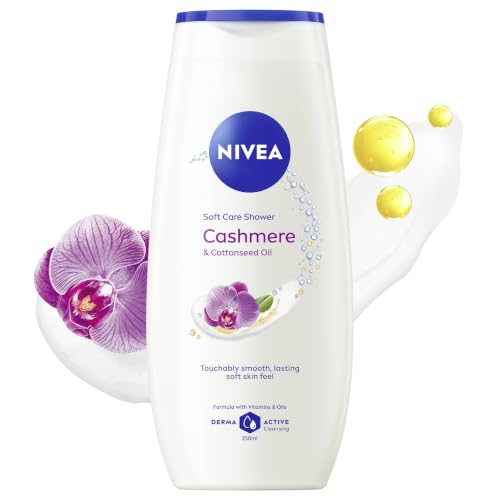
Nivea
Cashmere and Cottonseed Oil Soft Care Shower Gel
body wash · 250 ml · 20 ingredients
- No essential oils
- With glycerin
- With keratin
Frequently asked questions
Is keratin treatment still recommended in 2026?
Professional keratin treatments remain widely used in 2026, but the safety conversation has evolved. OSHA and the FDA have documented that formaldehyde-releasing formulas (including many labeled 'formaldehyde-free') can expose stylists and clients to hazardous formaldehyde concentrations. Separately, newer glyoxylic acid ('aldehyde-free') systems have been linked in recent case reports and a 2025 PMC review to acute kidney injury from scalp absorption. Neither category is banned, and for healthy adults receiving occasional treatments in well-ventilated salons, the risk is considered low — but it is not zero. Anyone pregnant, with kidney disease, respiratory conditions, or a sensitive scalp should consult a physician before proceeding.
How long does a keratin treatment last?
Most professional keratin treatments last 2–6 months. The primary variables are your shampoo choice (sulfate-based shampoos strip results fastest), washing frequency, and whether you swim in chlorinated or salt water regularly. Using a sodium-lauryl/laureth-sulfate-free shampoo, washing no more than 3 times per week, and protecting hair before swimming can push results toward the 5–6 month end. Fine or low-porosity hair often holds results longer than coarse or high-porosity hair.
Can a keratin treatment damage your hair?
A keratin treatment applied correctly by an experienced stylist on healthy hair is unlikely to cause significant structural damage — in fact, the protein infusion component temporarily improves tensile strength and reduces breakage. However, repeated treatments at high heat, over-processing color-treated or already-damaged hair, or misapplying a formula can cause cuticle damage, dryness, and breakage over time. A 2023 PMC review of acid-based smoothing systems found differential effects on cuticle and cortex properties, with more aggressive systems producing measurable shaft weakening. The risk is cumulative, particularly when combined with other chemical services.
Can I color my hair before or after a keratin treatment?
Most stylists recommend coloring your hair 1–2 weeks before a keratin treatment, not after. Applying keratin immediately after color can seal in unevenness and lock out the toner corrections you might want. Coloring after a keratin treatment opens the cuticle (especially with permanent color, which requires an alkaline developer) and can strip the treatment significantly, shortening its life. If you need both, consult with your colorist and keratin stylist to sequence them correctly.
What is the difference between a Brazilian blowout and a keratin treatment?
'Brazilian blowout' is a brand-name product and a general term used (loosely) for the entire category of Brazilian keratin treatments. All Brazilian blowouts are keratin treatments, but not all keratin treatments are Brazilian blowouts. The term 'keratin treatment' is the broader category. In practice, a stylist might call any heat-sealed protein-smoothing service a keratin treatment. What matters most is the specific product and crosslinking agent used — ask your stylist directly about the formulation rather than relying on the marketing name.
Is a keratin treatment safe during pregnancy?
Caution is warranted. The MotherToBaby evidence review (NCBI Bookshelf) notes that occasional personal use by a pregnant client in a well-ventilated salon is unlikely to cause birth defects, but recommends consulting a healthcare provider. Occupational data — from hairdressers performing multiple treatments daily — shows a statistical association between sustained formaldehyde exposure and miscarriage risk. Given this uncertainty and the availability of alternatives, most obstetricians advise avoiding formaldehyde-releasing treatments during pregnancy. Cysteine-based or amino acid treatments (free of aldehydes) are the lowest-risk option if smoothing is desired.
Sources
- 01Hair Smoothing Products That Release Formaldehyde When Heated — U.S. Food and Drug Administration (FDA). FDA issued warning letters to keratin treatment manufacturers for mislabeling products as formaldehyde-free; methylene glycol releases formaldehyde gas when heated; associated health reactions include eye, respiratory, and dermatological effects.
- 02Hair Salons: Facts about Formaldehyde in Hair Products — U.S. Occupational Safety and Health Administration (OSHA). OSHA measured formaldehyde concentrations in salons using Brazilian keratin treatments at up to five times the OSHA short-term exposure limit (2 ppm); Brazilian Blowout Acai contained 11.5% formaldehyde; salon citations and fines were issued; ventilation and PPE are required for stylist safety.
- 03Oxalate Nephropathy Associated with Glyoxylate-Containing Hair-Straightening Products: A Call for Caution — PubMed Central / PMC, 2025-01-01. Glyoxylate absorbed through the scalp from 'formaldehyde-free' keratin treatments is metabolized to oxalate via LDH, causing calcium oxalate crystallization in renal tubules and acute kidney injury; describes a skin–kidney axis warranting caution with repeated glyoxylic acid exposure.
- 04Effects of chemical straighteners on the hair shaft and scalp — PubMed Central / PMC, 2022-05-01. Systematic review of 33 studies (2000–2020) documenting chemical straightener effects including scalp eczema, burns, inflammation, hair shaft damage, and altered amino acid composition; long-term effects remain understudied.
- 05Performance and Mechanism of Hydrolyzed Keratin for Hair Photoaging Prevention — PubMed Central / Molecules (MDPI), 2025-03-01. SEM and fluorescent penetration experiments confirmed hydrolyzed keratin deposits on hair cuticle to form a protective film and partly penetrates the cortex; improves tensile strength and UV resistance; verifies the protein-deposition mechanism underlying keratin treatments.
- 06Psoriasiform skin reaction due to Brazilian keratin treatment: A clinical-dermatoscopic study of 43 patients — PubMed Central / PMC, 2022-06-01. 43 patients developed psoriasiform scalp reactions (scaling, erythema, inflammation) following Brazilian keratin treatments; most resolved after discontinuation; some required topical corticosteroid therapy.
- 07Hair Treatments — MotherToBaby Fact Sheets — NCBI Bookshelf / MotherToBaby. Occasional personal use of keratin treatments during pregnancy not expected to significantly increase birth defect risk when used correctly; caution advised for occupational exposure; recommends consulting healthcare provider; pregnant hairdressers face higher risk from chronic formaldehyde exposure.
- 08Formaldehyde replacement with glyoxylic acid in semipermanent hair straightening: a new and multidisciplinary investigation — PubMed, 2014-06-01. Glyoxylic acid reacts with keratin amino residues similarly to formaldehyde; shown to act as a hair straightening agent; comparative mechanical testing showed both formaldehyde and glyoxylic acid reduced breakage resistance — the crosslinking chemistry is confirmed.