Lipstick Types Explained: Matte, Satin, Gloss, Liquid, Bullet
The short answer
Lipstick type is determined by its formula and finish: matte is flat and long-wearing.
Why Lipstick Types Differ: The Formula Determines the Finish
The five terms you see on lipstick packaging — matte, satin, gloss, liquid, bullet — each describe a specific combination of raw materials and the finish that results. Understanding what is actually in the tube explains why one formula lasts eight hours and another needs touching up after a single coffee.
All lip color formulas share a common architecture: colorants (pigments and dyes), a carrier that delivers them to the lip, and film-formers or structurants that anchor the color in place. The proportions and chemistry of those elements produce every finish on the market.
The Biology Behind Why Lip Color Behaves Differently on Lips
Lip skin is structurally unique. The vermilion — the colored part of the lips — is a transitional zone between skin and mucous membrane. It has only 3–5 cell layers in its stratum corneum compared to 16 on the rest of the face, contains no sebaceous glands and no sweat glands, and as a result has no natural oil or sweat to buffer moisture loss. Research published in Scientific Reports (PMC9797544) found that transepidermal water loss (TEWL) from the lower lip vermilion runs almost three times higher than from the cheeks.
This anatomy matters for formula performance. Because lips have no protective sebum film, high-pigment, low-oil formulas can pull water from the lip surface, creating the drying sensation associated with some mattes. Emollient-rich formulas feel comfortable precisely because they compensate for what the lips cannot produce themselves.
Bullet Lipstick: The Classic Formula
The bullet format — a molded, twist-up stick — has existed for over a century and remains the most common lipstick delivery system. A conventional bullet is a semi-solid matrix held together by waxes, with oil as the primary solvent and pigment carrier.
What's in a Bullet
A well-characterized optimized formulation (PMC6271003) contains approximately 39% castor oil, 20% beeswax, 5% carnauba wax, 5% candelilla wax, and the remainder as additional solvents and pigment. The wax fraction — typically 15–25% of the total formula — sets the melting point, structural integrity, and how the stick feels on application.
Key waxes and what they do:
| Wax | Source | Function |
|---|---|---|
| Beeswax | Honeycomb | Primary structurant; gives stick cohesion and glossy drag |
| Carnauba wax | Brazilian palm leaves | Raises melting point; adds rigidity and shine |
| Candelilla wax | Mexican shrub leaves | Vegan alternative hardener; balanced sheen |
| Microcrystalline wax | Petroleum-derived | Adds flexibility; reduces brittleness |
| Ozokerite | Mineral | Improves texture; stabilizes formula |
Castor oil is frequently the single largest ingredient by weight in a bullet lipstick — sometimes constituting up to 50% of the emollient phase. It is a viscous, polar oil with excellent pigment-wetting properties, which is why it dominates the phase used to grind and disperse the pigment before the formula is assembled.
Other emollients include esters, jojoba oil, avocado oil, lanolin derivatives, and silicones. The specific selection shapes whether the bullet feels matte, creamy, or glossy.
Bullet Finish Ranges
A single bullet format can produce multiple finishes depending on the oil-to-wax ratio and added ingredients:
- Higher wax, lower oil: More opaque, more transfer-resistant, slightly drier
- Higher oil, lower wax: More emollient, glossier, less opaque, shorter wear
- Added mica/pearl: Light-diffusing effect producing the "metallic" or "shimmer" look
Matte Lipstick: High Pigment, Flat Finish
Matte formulas — whether in bullet or liquid form — achieve their flat, non-reflective finish through two mechanisms: a high concentration of finely milled pigment particles that scatter light evenly, and a reduced oil content that prevents the sheen that emollients create.
Why Matte Can Feel Drying
The matte finish requires that oil-content is kept low. As noted above, lip skin has no sebaceous glands to compensate for this, and its naturally high TEWL makes the surface particularly sensitive to film-forming compounds that compete with moisture. Some matte formulas also include alcohol-based quick-dry solvents or clay-based mattifying agents, which contribute to tightness. This is why proper preparation — exfoliation, a hydrating balm applied before application, and allowing the balm to absorb — is standard advice for wearing matte formulas comfortably.
Matte Wear Time
Bullet-format mattes typically last 3–4 hours before requiring a touch-up, depending on eating and drinking. Liquid matte formulas (discussed below) can last significantly longer, as their film-forming chemistry anchors the color independently of the wax structure.
Satin Lipstick: The Comfortable Middle
Satin (also called "cream" or "lustre") formulas occupy the middle ground between matte and gloss. They contain more emollients than matte formulas and incorporate light-diffusing pearl particles — typically mica, titanium dioxide-coated mica, or synthetic fluorphlogopite — that create a soft, dimensional sheen without the high-intensity reflection of gloss.
The comfortable wear associated with satin formulas comes from their higher emollient content, which compensates for lip skin's moisture vulnerability. Many dermatologists and makeup artists recommend satin finishes for people with dry, chapped, or mature lips, where a matte or gloss finish can accentuate texture or feel uncomfortable with prolonged wear.
Satin formulas tend to wear for 2–4 hours, with gradual fading rather than the clean-off pattern seen with glosses.
Lip Gloss: Maximum Shine, Short Wear
Gloss formulas are predominantly oil- and emollient-based. The classic high-shine gloss is built on ingredients like polybutene, hydrogenated polyisobutene, castor oil, and silicone oils (cyclopentasiloxane, dimethicone), which remain liquid on the lips and reflect light intensely to create the signature wet look.
Because gloss contains minimal waxes and no film-forming polymer, it has almost no mechanism for staying on the lip surface. Wear time is typically 1–2 hours, and transfer occurs immediately. The benefit is that the emollient-heavy formula is comfortable for any lip type and the texture can also create a plumping optical effect by reflecting light from the center of the lips.
Tinted glosses occupy the overlap between gloss and sheer lipstick: they add a wash of color via a low pigment concentration in a high-oil base.
Liquid Lipstick: Film-Forming Technology
Liquid lipsticks represent a fundamentally different formulation approach. Instead of a wax-and-oil matrix, they suspend high concentrations of pigment in a volatile solvent (most commonly isododecane) along with film-forming polymers — primarily acrylates copolymer and trimethylsiloxysilicate (TMS), a silicone resin.
How Liquid Lipstick Sets
When applied with the wand applicator, the isododecane solvent evaporates rapidly — usually within 1–2 minutes — leaving the pigment particles locked inside a thin, flexible polymer film bonded to the lip surface. Because there is no emollient-heavy oil phase to soften or slide, the set film is highly transfer-resistant and can withstand eating, drinking, and face masks.
Why liquid mattes can be drying: The polymer film, while durable, is also occlusive in a way that does not replace the emollients a bullet lipstick would provide. Some film-former-heavy formulas pull residual moisture from the lip surface as they cure. Newer hybrid formulas incorporate low levels of conditioning emollients (hyaluronic acid derivatives, vitamin E, jojoba oil) without compromising film integrity.
Wear Time and Removal
Liquid lipsticks, once set, can last 8–12 hours without touch-up under typical wear conditions. Removal requires an oil-based makeup remover or micellar oil to dissolve the polymer film; water-based removers are largely ineffective.
Pigments and Colorants: The Legal Framework
All color additives in US-market lipstick must comply with FDA regulations — they are the only cosmetic ingredients that require pre-market approval under federal law. Two regulatory categories apply:
Certifiable (synthetic organic) colors: FD&C dyes and D&C dyes that must be batch-certified by the FDA. Common in lipstick: D&C Red 6, D&C Red 7, D&C Red 27, D&C Red 33.
Exempt from certification (natural/mineral): Iron oxides (browns, reds, blacks), titanium dioxide (white, opacity), mica (shimmer), ultramarines. These are approved by specification without batch testing.
Lakes — the insoluble form of a dye, made by precipitating it with a metal salt onto a substrate — are commonly used in lipstick because they do not bleed in the presence of oils, which pure dyes can. A lake is named by combining the dye name with the precipitating metal: "D&C Red 7 Calcium Lake."
Importantly, a color additive approved for external cosmetics (eyeshadow, blush) is not automatically approved for lip products, which are partially ingested. The FDA maintains a separate listing for colors permitted in lip products, and brands must comply with these specific approvals.
The FDA recommends a maximum of 10 ppm lead as an impurity in cosmetic lip products and monitors the market for compliance.
Choosing the Right Finish: A Summary Guide
| Finish | Wear Time | Transfer Resistance | Comfort | Best For |
|---|---|---|---|---|
| Matte bullet | 3–4 hours | Low–moderate | Low–moderate | Bold day color; touch-up friendly |
| Matte liquid | 8–12 hours | Very high | Lowest | Long events; no touch-up preference |
| Satin / cream bullet | 2–4 hours | Low | High | Daily wear; dry or mature lips |
| Gloss | 1–2 hours | None | Very high | Moisture focus; layering over liner |
| Metallic / shimmer bullet | 2–4 hours | Low | Moderate | Special occasion; statement looks |
By Lip Concern
- Dry lips: Satin bullet or conditioning gloss. Prep skin before any matte formula.
- Lip lines / feathering: Matte liquid (minimal movement) or waxy bullet with a liner barrier.
- Long events (weddings, long days): Liquid matte or a stain-based formula.
- Daily comfort and flexibility: Satin or cream bullet with SPF if available.
The New Wave: Hybrid and Comfort-Enhanced Formulas
The clearest trend in lipstick formulation is the "hybrid" — liquid formulas engineered to deliver the wear of a polymer film with the comfort of an emollient bullet. These formulas use lower concentrations of film-former, or add conditioning agents that integrate into the cured film without disrupting its structure. Ingredients like hyaluronic acid, vitamin E esters, and plant ceramide precursors now appear in long-wear liquid formulas that were entirely absent from the category five years ago.
The reverse engineering is also happening: bullet lipsticks are incorporating micronized film-formers into the wax matrix to extend wear without converting to a liquid format.
Understanding the formula is the most direct path to knowing what you are buying — and knowing what to expect when you open the tube.
Products that fit this guide
Picked by code from each product's full ingredient list.

Catrice
Care In Colours Lip Balm
lip balm · 3 g · 12 ingredients
- Fragrance-free
- No essential oils
- With shea butter
- With vitamin E
Catrice
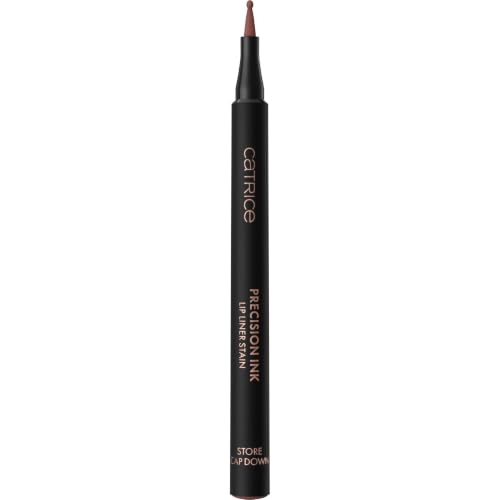
Precision Ink Lip Liner Stain
lipstick · 1 ml · 16 ingredients
- Fragrance-free
- No essential oils
- With hyaluronic acid
- With glycerin

Eucerin
Aquaphor SOS Repair Lips
lip balm · 10 ml · 19 ingredients
£7.36−26%Amazon UK
- Fragrance-free
- No essential oils
- With glycerin
- With vitamin C
- With panthenol

La Roche-Posay
Cicaplast Lip Balm
lip balm · 7.5 ml · 15 ingredients
£7.20−15%Amazon UK
- Fragrance-free
- No essential oils
- With panthenol
- With shea butter
Amazon UK prices as of 6 November 2026, 05:32 GMT; Amazon sets the final price at checkout.
Frequently asked questions
What does the current evidence say about matte lipstick and lip health in 2026?
Matte lipsticks do not cause lasting harm to healthy lips under typical use, but they are not designed to support lip hydration. Research published in Scientific Reports (2022) confirms that lip skin loses water at almost three times the rate of cheek skin, and has no sebaceous glands to compensate. Formulas with a high film-forming polymer load and minimal emollients can compound this moisture loss with extended daily wear. The practical mitigation — a petrolatum- or ceramide-based balm applied before the lipstick and a nourishing treatment at night — is consistent with what dermatologists recommend for maintaining lip barrier health.
What is the difference between a matte and satin lipstick?
The primary difference is the oil-to-wax ratio and the presence of light-reflecting particles. Matte formulas have a high pigment load and low emollient content, producing flat, opaque color with no shine. Satin formulas include more emollients and typically incorporate light-diffusing pearl particles (mica, titanium dioxide-coated mica) that create a soft, dimensional sheen without the full reflectiveness of a gloss. Satin formulas are generally more comfortable because their higher emollient content compensates for the lips' natural lack of sebum.
Why does liquid lipstick last longer than bullet lipstick?
Liquid lipstick uses a fundamentally different chemistry. It suspends pigment and film-forming polymers (typically acrylates copolymer and trimethylsiloxysilicate) in a volatile solvent such as isododecane. When you apply it, the solvent evaporates within 1–2 minutes, leaving a thin polymer film bonded to the lip surface — similar to a flexible coating. Bullet lipstick is a wax-and-oil matrix with no curing mechanism: it sits on the lip surface and is susceptible to transfer through friction, heat, and contact. The polymer film in liquid formulas resists all of these.
Are the color additives in lipstick safe?
Color additives in US-market lipsticks are regulated by the FDA and are the only cosmetic ingredients that require pre-market approval under federal law. Each approved colorant has a specific listing that includes permitted uses, concentration limits, and purity specifications. The FDA also monitors heavy metal impurities, recommending a maximum of 10 ppm lead in lip products, and conducts market surveillance testing. Certifiable dyes (FD&C and D&C series) must pass batch testing before use. No approved colorant system in current use has a demonstrated health risk at levels found in commercially sold lipsticks.
What waxes are in lipstick and why?
Most bullet lipsticks use a blend of at least three waxes: beeswax (or a vegan equivalent like candelilla wax) as the primary structurant, carnauba wax to raise the melting point and add shine, and candelilla or microcrystalline wax to fine-tune texture. Each wax has a different melting point and crystal structure. Using only one creates a brittle or greasy stick; blending two or three gives the formula the right balance of hardness at room temperature, smooth application above skin temperature (around 37°C), and adhesion to the lip. The wax phase typically constitutes 15–25% of the total formula.
Can I wear matte lipstick on dry lips?
Yes, with preparation. Exfoliate lips gently 2–3 times per week to remove flaking skin. Apply a balm containing petrolatum, glycerin, or ceramides and allow it to absorb fully before applying the lipstick — blot lightly if the lips feel too slippery to hold color. Choose a matte-satin hybrid if a fully flat matte is uncomfortable. Avoid balms containing menthol or eucalyptus before application, as these can irritate already-dry lip skin. At night, apply a nourishing lip treatment to restore the moisture the matte formula may have drawn from the surface during the day.
Sources
- 01Color Additives and Cosmetics: Fact Sheet — U.S. Food and Drug Administration (FDA). Color additives are the only cosmetic ingredients requiring FDA pre-market approval; certifiable (FD&C/D&C) dyes must be batch-tested; colors approved for external cosmetics are not automatically approved for lip products.
- 02Limiting Lead in Lipstick and Other Cosmetics — U.S. Food and Drug Administration (FDA). FDA recommends a maximum of 10 ppm lead as an impurity in cosmetic lip products; waxes and oils account for more than half the total weight of most lip products.
- 03Optimization of Natural Lipstick Formulation Based on Pitaya Seed Oil Using D-Optimal Mixture Design — PubMed Central / MDPI Cosmetics, 2018-12-01. A well-characterized lipstick formulation contains approximately 39% castor oil, 20% beeswax, 5% carnauba wax, 5% candelilla wax; wax content of 15–25% governs melting point and structural stability.
- 04Formulation and Evaluation of Alternative to Beeswax for Vegan Lipsticks — PubMed Central / PMC12319492, 2025-01-01. Castor oil is a viscous polar oil and is the primary emollient and pigment-wetting agent in lipstick; plant-derived waxes (carnauba, candelilla, sunflower) are viable vegan alternatives to beeswax with comparable structural performance.
- 05Analysis of Clinical Presentations, Lip Transepidermal Water Loss and Associated Dermatological Conditions in Patients with Chronic Cheilitis — PubMed Central / Scientific Reports (Nature), 2022-12-28. Lip TEWL is almost three times higher than cheek TEWL; the vermilion stratum corneum is thin and devoid of sebaceous and salivary glands, making lips structurally prone to dryness — a key reason matte formulas can feel drying on the lip surface.
- 06Preparation, Characterization and Evaluation of Organogel-Based Lipstick Formulations — PubMed Central / MDPI Cosmetics (PMC8293262), 2021-07-01. Glossy lipstick finish correlates with lower hardness and stiffness; matte finishes correlate with higher pigment concentration and lower oil content; principal component analysis confirms wax-to-oil ratio as the primary determinant of finish.
- 07Two Decades of Transfer-Resistant Lipstick — Cosmetics & Toiletries. Film-forming polymers (acrylate copolymers, trimethylsiloxysilicate, volatile silicones/hydrocarbons like isododecane) are the core technology behind transfer-resistant and long-wear liquid lipstick formulas.