Best Primer for Oily Skin: Pore-Minimizing & Oil-Control Picks
The short answer
For oily skin, use a mattifying primer with kaolin clay or silica.
Why Oily Skin Needs a Specific Primer
Oily skin isn't just a cosmetic inconvenience — it's a physiology difference. Sebaceous glands in oily skin produce more sebum than average, and that oil migrates continuously to the skin surface throughout the day. When it reaches the emulsified oils in your foundation, it chemically disrupts them, breaking down coverage, causing mid-face patching, and producing the "melting" or "sliding" effect many oily-skin wearers know well.
A standard silicone primer reduces this somewhat — it creates a barrier and smooths texture — but it doesn't absorb oil. For oily skin, you need a primer that actively intercepts sebum before it reaches your foundation. That is the job of a mattifying primer.
What to Look for in a Primer for Oily Skin
Non-Negotiable Features
1. Oil-absorbing mineral actives The most important ingredients are the ones that do the actual work:
| Ingredient | Function |
|---|---|
| Kaolin clay | Fine particulate clay; absorbs oil and mild impurities; suitable for sensitive skin |
| Silica (silicon dioxide) | Ultra-fine mineral that absorbs sebum and creates a soft-focus finish |
| Nylon-12 | Synthetic polymer; high oil absorption + silky feel |
| Starch (tapioca, corn) | Natural oil absorber; less effective than minerals but tolerated well |
Any primer for oily skin should contain at least one of these in the first five to seven ingredients.
2. Niacinamide (ideally 2–5%) Niacinamide is vitamin B3 in cosmetically active form. Alongside its role in skin barrier function and redness reduction, clinical trials have shown it measurably reduces sebum excretion with consistent use — providing a longer-term regulatory benefit that raw oil-absorption cannot match. Primers that combine niacinamide with kaolin or silica address both immediate and cumulative oil control.
3. Non-comedogenic, fragrance-free formula Oily skin is often also acne-prone. Fragrance can irritate sensitized skin and the acne that frequently accompanies oiliness. Non-comedogenic formulation avoids ingredients known to clog pores.
4. Matte or satin-finish claim This is the marketing marker that reliably predicts the right formula type: matte-finish primers contain oil-absorbing actives; dewy-finish primers contain emollients and luminizers that have the opposite effect on oily skin.
Features to Avoid
- "Dewy," "glow," "illuminating," or "luminous" primers — these add light-reflecting particles and emollients that worsen shine
- Rich plant oils (argan, rosehip, marula) in the base — these are beneficial for dry skin but provide extra surface oil for already oily skin
- Heavy occlusives (petrolatum, mineral oil) — not appropriate for sebum-overproductive skin
- Primer in a cream or balm texture — usually contains more emollients; look for gel, fluid, or lightweight lotion textures instead
How Mattifying Primers Work
Mattifying primer works by one primary mechanism: physical oil absorption. The mineral particles (kaolin, silica) are porous and lipophilic — they attract and hold sebum molecules in their micro-pores, effectively keeping the oil that reaches the skin surface away from the makeup layers above.
This is a finite capacity system: a mattifying primer can only absorb so much oil before it is saturated. For very oily skin that produces significant sebum within 2–3 hours, using setting powder on top of foundation (in addition to a mattifying primer underneath) extends the effective control significantly.
Some mattifying primers are also silicone-based, giving them a dual function:
- The dimethicone fills pores and creates a smooth base (the silicone function)
- The kaolin or silica absorbs sebum throughout the day (the mattifying function)
These silicone-mineral hybrids are the most effective single-product option for oily skin with visible pores.
Application Strategy for Oily Skin
Technique amplifies the performance of any primer on oily skin:
-
Start with a clean, oil-free base. Use a gel or lightweight lotion moisturizer — not a heavy cream or oil-based formula — and an oil-free SPF. Rich skincare underneath "feeds" the primer's absorbent capacity before your skin's own oil does.
-
Apply a thin, even layer. Pea-sized amount, maximum. More primer does not improve oil control; it adds unnecessary product that can pill or look cakey under foundation.
-
Focus on the T-zone (forehead, nose, chin) if that is your primary oil zone. Cheeks that are not oily do not need a mattifying primer — if they are dry, they may benefit from a small amount of hydrating primer there instead.
-
Let it set for 60 full seconds. Pressing foundation over primer that has not fully set reduces adhesion and oil-control effectiveness. Time this with getting dressed or choosing a lip color.
-
Use a long-wear or matte foundation. Primer prepares the surface; the foundation you choose determines much of the final outcome. A mattifying or long-wear foundation formula builds on what the primer started.
-
Set with a translucent setting powder. On very oily skin, a light dusting of finely milled setting powder over foundation closes the system and adds another layer of oil absorption. This combination — mattifying primer + long-wear foundation + setting powder — is the most robust approach for all-day oil control.
Ingredients to Look for vs. Avoid: Quick Reference
| Look for | Avoid |
|---|---|
| Kaolin clay | Argan, rosehip, or marula oil |
| Silica / silicon dioxide | Heavy occlusives (petrolatum, mineral oil) |
| Nylon-12 | Glycerin in high concentration (can feel tacky) |
| Niacinamide (2–5%) | "Illuminating" or "radiant" in the name |
| Dimethicone (for pore control) | Rich cream or balm texture |
| "Matte finish" or "oil-free" label | Fragrance and alcohol (if acne-prone) |
What If Your Primer Isn't Working?
If you are using a mattifying primer and still experiencing significant oil breakthrough and foundation breakdown, the issue is usually upstream:
- Skincare is too rich. A heavy moisturizer or oil-based serum underneath creates an oily surface that primer cannot fully control. Switching to a gel-based, oil-free moisturizer resolves this most commonly.
- You need more oil control in the skincare layer. A mattifying moisturizer or a niacinamide serum applied before primer addresses sebum regulation at the source.
- The primer has insufficient absorptive capacity for your skin. Some formulas simply have lower kaolin or silica concentrations. Look for a product where kaolin or silica appears higher in the ingredient list.
- You need the primer + powder combination. Setting powder on top of foundation is not optional for very oily skin — it is the most reliable final-absorption layer.
See the what-is-primer article for the full primer mechanism explanation, or silicone vs water-based primer for the base chemistry comparison.
Products that fit: oily skin
Picked by code from each product's full ingredient list.

Catrice
Under Eye Primer Stick
primer · 4.5 g · 27 ingredients
- Fragrance-free
- No essential oils
- With niacinamide
- With hyaluronic acid
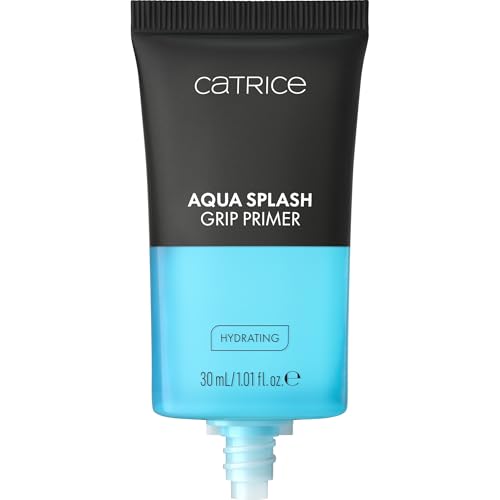
Catrice
Aqua Splash Grip Primer
primer · 30 ml · 17 ingredients
£4.79Amazon UK
- No essential oils
- With niacinamide
- With hyaluronic acid

Wet n Wild
Bare Focus Niacinamide Skin Tint
foundation · 32 ml · 32 ingredients
£3.19Amazon UK
- Fragrance-free
- No essential oils
- With niacinamide
- With hyaluronic acid

Revolution Beauty London
Revolution Superfix Glow Primer
primer · 24 ml · 51 ingredients
- No essential oils
- With niacinamide
- With hyaluronic acid
Amazon UK prices as of 6 November 2026, 06:08 GMT; Amazon sets the final price at checkout.
Frequently asked questions
What is the best type of primer for extremely oily skin in 2026?
For very oily skin, the most effective primer type is a mattifying silicone-mineral hybrid — one that contains dimethicone for pore filling and texture blurring combined with kaolin clay and/or silica for active sebum absorption. Adding niacinamide (vitamin B3) to that formula provides a longer-term sebum-regulating benefit. This combination, layered under a long-wear foundation and finished with a translucent setting powder, gives the most robust all-day oil control available in cosmetic products.
Can primer alone control oily skin for a full day?
For moderately oily skin, yes — a good mattifying primer combined with a long-wear foundation can extend wear significantly. For severely oily skin that produces visible shine within 2–3 hours even with primer, you need to address multiple layers: lightweight oil-free skincare underneath, mattifying primer, long-wear or matte foundation, and translucent setting powder on top. Midday blotting with oil-absorbing sheets (not adding more powder) also helps without disturbing makeup.
Should oily skin use silicone primer or water-based primer?
Either can work, but for oily skin a silicone-based mattifying hybrid (dimethicone + kaolin/silica) is usually more effective than a pure water-based formula because the silicone fills pores while the mineral ingredients absorb sebum. Water-based primers are the better option if you have oily skin that is also acne-prone and you find silicone congesting — in that case, look for a water-based primer with niacinamide and light mineral absorbers.
Does primer cause more oiliness if left on skin too long?
Mattifying primers eventually reach their sebum-absorption capacity after several hours, especially on very oily skin. Once saturated, they no longer actively absorb new oil, but they do not actively increase oiliness either — they simply stop controlling it. For events requiring very long wear, combining primer with setting powder extends the effective control window beyond what primer alone provides.
Is there a primer that also treats oily skin, not just covers it?
Niacinamide-containing primers come closest to treating as well as covering. Niacinamide (vitamin B3) has strong clinical evidence for reducing sebum excretion with consistent daily use — studies report reductions of up to 20% in sebum output over several weeks. So a primer with 2–5% niacinamide both controls oil on the day of application (via absorptive minerals) and gradually reduces the amount of oil produced if used consistently.
Sources
- 01Facial primer provides immediate and long-term improvements in mild-to-moderate facial hyperpigmentation and fine lines associated with photoaging — PubMed Central / Clinical, Cosmetic and Investigational Dermatology, 2015-09-02. Clinical study supporting the effectiveness of primer in improving skin surface appearance and texture; provides scientific basis for pore-minimizing and smoothing primer claims.
- 02Facial skin pores: a multiethnic study — PubMed Central / Clinical, Cosmetic and Investigational Dermatology, 2015-02-18. Documents the structure and sebum relationship of facial pores, providing context for why sebum management is central to pore appearance on oily skin.
- 03Niacinamide: A B vitamin that improves aging facial skin appearance — Dermatologic Surgery / PubMed, 2004-09-01. Double-blind controlled trial showing that 5% niacinamide applied to facial skin for 12 weeks significantly reduced sebum excretion, improved skin elasticity, and reduced hyperpigmentation.