Shaving vs Waxing vs Laser Hair Removal: The Full Comparison
The short answer
Laser offers the longest-lasting hair reduction; waxing removes hair for 3–6 weeks.
Which Hair Removal Method Is Actually Better?
The honest answer is: it depends on what you're optimizing for. Shaving, waxing, and laser hair removal are not competing for the title of universally best — they sit at different points on the cost, permanence, pain, and risk spectrum. This page maps those tradeoffs against dermatological evidence so you can make an informed decision.
Method 1: Shaving
How It Works
A razor blade cuts the hair shaft at or just below the skin surface. It does not affect the follicle — the root remains intact and regrowth begins immediately.
Results and Duration
Regrowth is visible within 1–3 days for most people. Body hair (legs, underarms) may feel smooth for a day or two longer than facial hair. There is no clinical evidence that frequent shaving changes hair thickness, coarseness, or color — the blunt cut simply makes regrowth feel stubbly compared to the tapered tip of unshaved hair.
Advantages
- Cost: The lowest ongoing cost of any hair removal method.
- Speed: Can be completed in minutes.
- No pain when performed correctly.
- Safe for all skin types and tones.
- Suitable in pregnancy — no heat, no chemicals, no light.
Risks and Side Effects
- Razor burn: A diffuse, blotchy skin irritation caused by friction, dull blades, or dry shaving. It typically resolves within a few hours to a few days.
- Razor bumps (pseudofolliculitis barbae): Ingrown hairs where the blunt-cut shaft curves back into the skin — particularly common in people with tightly curled hair (see razor-bumps-guide for full management).
- Cuts and nicks: Minor but common; risk of secondary infection in immunocompromised individuals.
- Folliculitis: Bacterial infection of the follicle; risk is elevated if shaving over broken skin or with a contaminated blade.
Best Shaving Technique (Dermatology-Backed)
- Shave on wet, softened skin — immediately post-shower is ideal.
- Use a sharp blade; replace multi-blade cartridges every 5–7 uses.
- Apply a lubricating shaving cream or gel, not dry soap.
- Shave in the direction of hair growth (not against the grain) to reduce ingrown hair risk — especially for anyone prone to razor bumps.
- Rinse with cool water afterward and apply a fragrance-free, alcohol-free moisturizer.
Method 2: Waxing
How It Works
Hot or cold wax is applied to the skin and adheres to the hair shaft. When the wax is pulled away (against the direction of hair growth), the hair is removed from the root via mechanical epilation. Because the follicle is disrupted, regrowth takes 3–6 weeks and hair initially grows back with a tapered tip, which feels softer than shaved stubble.
Results and Duration
Visible smoothness typically lasts 3–6 weeks. With repeated waxing over months to years, some follicles are damaged and may stop producing hair entirely — a gradual thinning effect noted anecdotally and in small studies, though this is not documented in large controlled trials.
Advantages
- Results last substantially longer than shaving.
- No heat-based skin risk (with strip wax at correct temperatures).
- Economical compared to laser — particularly for at-home kits.
- Available everywhere; no specialist required for basic body waxing.
Risks and Side Effects
| Risk | Notes |
|---|---|
| Post-waxing folliculitis | Micro-abrasions from the wax strip allow S. aureus to enter; studies estimate up to 20% of cosmetic waxing clients develop post-procedure folliculitis |
| Ingrown hairs | Particularly common on the bikini line and legs in people with curly hair |
| Skin lifting / burns | Hard wax applied too hot can remove superficial skin, especially in areas using topical retinoids or oral isotretinoin (active retinoid users must pause waxing) |
| Post-inflammatory hyperpigmentation (PIH) | More pronounced in darker skin tones; trauma from waxing triggers melanin deposition |
| Allergic contact dermatitis | Reactions to resin, fragrance, or preservatives in wax products |
| Pain | Significant with first treatments; diminishes somewhat with repeated sessions |
Waxing contraindications: Active retinoid use (including tretinoin, adapalene, oral isotretinoin), sunburned skin, open lesions, skin thinned by steroids, accutane treatment, and any topical prescription product that reduces the cohesion of skin cells. Waxing over spider veins or varicose veins is also inadvisable.
Best Practices to Reduce Waxing Risks
- Ensure skin is clean and dry (no oils or lotions) before waxing.
- Test wax temperature on the inner wrist before full application.
- Do not double-dip a wax stick — use fresh strips each time.
- Apply a gentle antiseptic or tea-tree-based aftercare lotion immediately after.
- Avoid tight clothing over freshly waxed areas for 24 hours.
- Exfoliate gently (with a soft cloth or mild AHA) 48–72 hours before and 48 hours after to prevent ingrown hairs.
Method 3: Laser Hair Removal
How It Works
Laser hair removal uses the principle of selective photothermolysis: a laser emits light at a wavelength selectively absorbed by melanin in the hair shaft and follicular matrix. The light energy converts to heat, raising the temperature of the follicle to a level that damages the hair-producing cells (bulge stem cells and dermal papilla) while leaving surrounding skin undamaged. For this to work, there must be sufficient contrast between the melanin in the hair and the melanin in the skin.
The FDA classifies laser hair removal devices as those producing permanent hair reduction — defined by the agency as "the long-term, stable reduction in the number of hairs regrowing when measured at 6, 9, and 12 months after the completion of a treatment regimen." This is not the same as permanent removal: some regrowth is expected over years, and maintenance sessions are typically needed.
Types of Laser Used
| Laser Type | Wavelength | Best For | Fitzpatrick Skin Types |
|---|---|---|---|
| Alexandrite | 755 nm | Fine to medium dark hair | Types I–III |
| Diode | 800–810 nm | Most hair and skin types | Types I–IV |
| Nd:YAG (long-pulsed) | 1064 nm | Darker skin tones | Types IV–VI |
| Ruby | 694 nm | Fine, light hair | Types I–II only |
| IPL (not a true laser) | 500–1200 nm (broad spectrum) | Light-skin, dark-hair | Types I–III (risk rises beyond) |
A 2018 meta-analysis of clinical trials found that laser hair removal achieved mean hair reductions of 57–70% at 6 months after three treatment sessions, depending on the device type. More recent rotational protocols (cycling three wavelengths across treatment sessions) achieved up to 75% reduction at 6 months. With 6–8 sessions, the AAD and clinical trial data consistently support reductions in the range of 60–90% depending on skin/hair type and technique.
How Many Sessions Are Needed?
Hair grows in cycles — anagen (active growth), catagen (transition), and telogen (resting). Laser is only effective on hairs in the anagen phase. Because not all follicles are in anagen simultaneously, multiple sessions spaced 4–8 weeks apart are required to capture each follicle in its growth phase. The AAD advises that most people need 6–8 sessions, with some areas (upper lip, underarms) responding faster than others (legs, back). Annual or biannual maintenance is typical.
Advantages
- Longest-lasting results of any non-surgical hair removal method.
- Reduced ingrown hairs — a documented benefit, as the follicle is destroyed rather than just depilated.
- Excellent for razor bump sufferers — laser is the only evidence-based curative option for moderate-to-severe pseudofolliculitis barbae, producing lasting reduction in hair growth.
- Cumulative cost savings relative to lifetime waxing costs, for many people.
Risks and Side Effects
- Pigment changes: Hyperpigmentation or hypopigmentation can occur, especially if treatments are performed on tanned skin or with an inappropriate laser for the Fitzpatrick type. This is the most common serious adverse effect.
- Burns and scarring: Possible with excessive fluences or incorrect settings; rare when performed by a trained clinician with appropriate technology.
- Paradoxical hypertrichosis: Rare but documented — stimulation of fine terminal hair growth, more common in skin types III–V and with IPL systems.
- Eye injury: All lasers present an ocular hazard; appropriate eyewear is mandatory for patient and practitioner.
- Pain: Described as a rubber-band snap; well tolerated by most without anesthesia, though topical numbing cream is available for sensitive areas.
IPL vs. True Laser
IPL (Intense Pulsed Light) uses a broad-spectrum filtered lamp rather than a single-wavelength coherent light source. It is less precise and generally less effective than purpose-built hair removal lasers, particularly for darker skin types where the risk of melanin scatter is higher. Long-pulsed Nd:YAG laser has been demonstrated in head-to-head studies to be more effective and safer than IPL for Fitzpatrick types IV–VI. IPL devices are widely marketed as home-use devices; they are safer for home use than professional-grade lasers but produce slower and less complete results.
Safety by Skin Tone
This is one of the most clinically important considerations. For Fitzpatrick types I–III (fair to medium skin with dark hair), any standard laser type is appropriate when performed correctly. For types IV–VI, the Nd:YAG 1064 nm laser is the standard of care: its longer wavelength penetrates more deeply with less melanin absorption at the epidermal level, reducing the risk of burns and pigment changes. A 2025 PMC review on managing pseudofolliculitis barbae in skin of color specifically highlights Nd:YAG as the preferred modality for darker complexions.
The AAD strongly recommends choosing a board-certified dermatologist for laser treatments — not a spa or untrained technician — particularly for skin types IV and above.
Side-by-Side Comparison
| Factor | Shaving | Waxing | Laser / IPL |
|---|---|---|---|
| Duration of results | 1–3 days | 3–6 weeks | Years (permanent reduction) |
| Pain | None (if done well) | Moderate–high | Mild–moderate |
| Cost per session | Very low | Low–moderate | High |
| Lifetime cost | High (consumables) | Moderate | Can be lower long-term |
| Risk of ingrown hairs | High (curly hair) | Moderate | Low (reduces them) |
| Skin type suitability | All types | All types (with care) | Varies by laser type |
| Works on light/fine hair | Yes | Yes | Limited (needs melanin) |
| Works on gray/white hair | Yes | Yes | No |
| At-home friendly | Yes | Partially | IPL only (lower efficacy) |
| Pregnancy-safe | Yes | With caution | Not recommended |
Which Method Is Right for You?
Choose shaving if: You want instant, low-cost, zero-commitment hair removal and don't mind daily or alternate-day maintenance. Shaving is the default for most people and entirely appropriate for life. If you are prone to razor bumps, see razor-bumps-guide for technique adjustments.
Choose waxing if: You want 3–6 weeks of smooth skin, dislike daily shaving, and don't have contraindications (retinoid use, easily lifted skin). Be prepared to manage ingrown hairs with regular gentle exfoliation, and prioritize hygiene to reduce folliculitis risk.
Choose laser if: You want long-term, low-maintenance hair reduction and have dark hair against light-to-medium skin. It is also the most evidence-based treatment for chronic razor bumps. Commit to 6–8 sessions spaced monthly for best results. Consult a board-certified dermatologist — especially for darker skin tones — to select the right laser type.
Avoid laser if: Your hair is white, gray, red, or very blonde (insufficient melanin contrast), you are pregnant, or you have active tanning or photosensitizing conditions or medications.
A Note on Other Methods
- Electrolysis: The only method FDA-recognized as truly permanent (each follicle is individually destroyed by electric current). Slow and labor-intensive but works on all hair colors and skin types.
- Depilatory creams: Chemical dissolution of the hair shaft using thioglycolate salts. Results similar to shaving in duration; risk of chemical burn if left too long. Test on a small area first.
- Threading: Mechanical epilation using a twisted cotton thread; popular for facial hair and brows. Results similar to waxing; low cost; no heat.
For further reading, see the body-beauty hub for related body skin topics.
Products that fit: razor bumps
Picked by code from each product's full ingredient list.
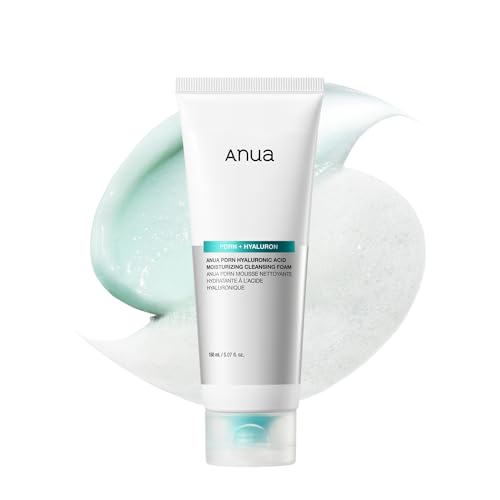
Anua
PDRN Hyaluronic Acid Moisturizing Cleansing Foam
body wash · 150 ml · 51 ingredients
- No drying alcohol
- With allantoin
- With niacinamide

The Body Shop
Strawberry Shower Gel
body wash · 250 ml · 18 ingredients
£14.99Amazon UK
- No drying alcohol
- With salicylic acid
- With aloe vera

Nivea
Derma Skin Clear Wash Gel
body wash · 150 ml · 10 ingredients
£3.00−40%Amazon UK
- No drying alcohol
- With salicylic acid
- With niacinamide

The Body Shop
Satsuma Shower Gel Vegan
body wash · 750 ml · 20 ingredients
- No drying alcohol
- With salicylic acid
- With aloe vera
Amazon UK prices as of 6 November 2026, 06:19 GMT; Amazon sets the final price at checkout.
See the full guide: Best Shaving Creams and Gels for Razor Bumps →
Frequently asked questions
Is laser hair removal permanent in 2026?
The FDA recognizes laser hair removal as producing 'permanent hair reduction' — not permanent removal. Clinical trials consistently show 60–90% reduction in hair regrowth after 6–8 sessions. Most people experience results lasting several years, but some regrowth occurs over time and annual maintenance sessions are typically recommended. The term 'permanent removal' would require electrolysis (which destroys follicles individually) rather than laser.
Does waxing permanently reduce hair growth over time?
Repeated waxing can damage follicles over time, leading to progressively finer and sparser regrowth — an effect reported anecdotally by longtime waxers. However, this is not well-documented in large controlled clinical trials and it is not a reliable or predictable outcome. Laser hair removal is the only method with robust clinical evidence for measurable permanent hair reduction.
Is laser hair removal safe for dark skin?
Yes — when the correct laser is used. Long-pulsed Nd:YAG (1064 nm) laser is the evidence-based choice for Fitzpatrick skin types IV–VI. Its longer wavelength penetrates more deeply with less risk of damaging epidermal melanin, reducing the chance of burns and hypopigmentation. IPL and shorter-wavelength lasers (alexandrite, ruby) carry higher risk on darker skin and should generally be avoided. Consult a board-certified dermatologist rather than a general salon.
Can laser hair removal treat razor bumps (pseudofolliculitis barbae)?
Yes — and it is the most effective long-term treatment for moderate-to-severe pseudofolliculitis barbae. By reducing the number of actively growing hairs, laser (particularly Nd:YAG for darker skin) removes the source of the problem rather than just managing symptoms. Significant improvement in razor bumps is reported after just 2–3 laser sessions in published studies. See the full [razor-bumps-guide](/razor-bumps-guide) for treatment context.
Is waxing safe while pregnant?
Waxing is generally considered low-risk during pregnancy, with some caveats. Skin is more sensitive and more prone to irritation and hyperpigmentation during pregnancy due to hormonal changes. Hot wax near the abdomen should be avoided. Salon hygiene should be verified to reduce infection risk. Shaving is the safest option during pregnancy as it carries no heat, chemical, or light-based risk.
How long before laser hair removal do I need to stop waxing?
You must stop waxing (and plucking or threading) at least 4–6 weeks before laser treatment — and for the duration of your laser course. These methods remove the hair root, which is the target the laser needs to be present in the follicle to destroy. Shaving is permitted and actually preferred before laser sessions, as it removes the surface hair shaft while leaving the root intact for the laser to target.
Health information, not medical advice.
Beauty Comparison is an independent editorial publication. This page is researched and sourced to the authorities listed below, but it is general information — not a diagnosis or a substitute for personalised advice from a qualified doctor, dermatologist or pharmacist. If your symptoms are severe, spreading, painful, or not improving, see a healthcare professional.Sources
- 016 ways to remove unwanted hair — AAD Patient Education — American Academy of Dermatology (aad.org). AAD overview of hair removal methods including shaving, waxing, and laser; recommends board-certified dermatologist for laser treatments; notes that lasers and light sources are the most effective methods for long-term hair removal.
- 02Laser hair removal: FAQs — AAD — American Academy of Dermatology (aad.org). Laser does not provide permanent removal but offers long-lasting reduction; multiple sessions required; potential side effects include burning, scarring, and permanent skin discoloration; choose a board-certified dermatologist.
- 03Laser Hair Removal — StatPearls (NCBI Bookshelf) — National Library of Medicine / StatPearls. Selective photothermolysis mechanism; wavelength targets (alexandrite 755 nm, diode 800 nm, Nd:YAG 1064 nm); Nd:YAG preferred for darker skin types; 6–8 sessions typically needed; anagen-phase dependency explained.
- 04Laser Hair Removal — Cleveland Clinic — Cleveland Clinic (clevelandclinic.org). Results last longer than waxing/plucking but are not permanent; most people need multiple treatments; 6–8 sessions is typical guidance; treats unwanted hair on face, leg, arm, underarm, bikini line.
- 05Laser Treatment in Hirsutism: An Update — PubMed Central / NIH, 2020-04-01. Meta-analysis data: hair reductions of 57–70% at 6 months after three laser sessions across diode, Nd:YAG, alexandrite, and ruby; IPL less effective and less precise than true lasers particularly for darker skin types.
- 06Comparison of SHR Mode IPL with Alexandrite and Nd:YAG Lasers for Leg Hair Reduction — PubMed Central / NIH, 2014-07-01. Head-to-head comparison: long-pulsed Nd:YAG more effective and safer than IPL for skin types IV–VI; IPL can be used in all types with appropriate filters but is less precise; alexandrite most efficient for fair-skinned individuals.
- 07Beyond the Razor: Managing Pseudofolliculitis Barbae in Skin of Color — PubMed Central / NIH, 2025-05-01. Nd:YAG laser is the preferred modality for pseudofolliculitis barbae in darker skin tones; laser hair removal is the most definitive long-term treatment for PFB; adjunctive topical treatments and shaving technique optimization also reviewed.
- 08Post waxing folliculitis: a clinicopathological evaluation — PubMed, 2013-10-01. Waxing causes micro-abrasions enabling S. aureus follicular invasion; folliculitis documented as a complication of cosmetic waxing; mechanical epilation can cause irritation, folliculitis, and scarring.