Best Scalp Actives for Hair Growth Ranked by Evidence (2026)
The short answer
Minoxidil has the strongest evidence for hair growth; rosemary oil, caffeine, peptides.
Why Evidence Tier Matters for Hair Growth Ingredients
The scalp active market is saturated with promises. Brands invoke clinical studies freely, but the quality of that evidence varies enormously — from rigorously controlled, multi-site randomized trials with thousands of participants (minoxidil) to single-arm, industry-funded pilot studies with 20 volunteers. This guide applies a consistent evidence-tier framework:
- Strong: Multiple large, independent, placebo-controlled RCTs; replicated results; regulatory approval
- Moderate: At least one well-designed independent RCT with meaningful outcomes; replicated in systematic review
- Preliminary: Small or industry-funded RCTs with positive signals; needs independent replication
- Limited: Case series, in-vitro data, or observational studies only
Every evidence claim below is linked to peer-reviewed literature. Tier is honest, not promotional.
Tier 1 — Strong Evidence
Minoxidil (Topical 2% and 5%)
Mechanism: Minoxidil is a potassium channel opener that vasodilates scalp microvessels and prolongs the anagen (growth) phase of the hair cycle. It is a prodrug: follicular sulfotransferase converts it to the active form, minoxidil sulfate. Those with higher scalp sulfotransferase activity respond better. Secondary mechanisms include stimulation of dermal papilla cells, modulation of Wnt/β-catenin signaling, and secretion of growth factors (PDGF-C, CXCL1) from adipose-derived stem cells.
Evidence: FDA-approved for androgenetic alopecia (AGA) in men (5%) and women (2% and 5%) since 1988. Decades of double-blind, placebo-controlled RCTs confirm increased hair counts, slowed progression, and scalp coverage improvement. Peak efficacy is typically reached at 12 months; response requires continuous use — stopping reverses gains within months. A 2024 review in Dermatology and Therapy confirmed topical minoxidil remains the gold standard first-line topical treatment for AGA.
Oral minoxidil (low-dose): Low-dose oral minoxidil (0.25–5 mg daily) has emerged as an effective off-label option, particularly for patients who find topical application difficult. Controlled studies show oral minoxidil 5 mg/day was more effective than 5% topical at 6 months in men with AGA. Evidence for women at 0.5–2.5 mg/day is growing strongly. Hypertrichosis (unwanted body hair) is the main dose-limiting side effect.
Best for: Androgenetic alopecia (male and female pattern), chronic telogen effluvium, alopecia areata (adjunct).
Realistic expectation: Visible improvement in 3–6 months; peak results at 12 months; requires indefinite use.
Tier 2 — Moderate Evidence
Rosemary Oil (Rosmarinus officinalis / Salvia rosmarinus)
Mechanism: Rosemary oil appears to work primarily by enhancing scalp microcirculation — a mechanism relevant to follicles that are miniaturizing partly due to poor vascular supply. It may also modulate prostaglandins (increasing PGE2, reducing LTB4) and has demonstrated 5-alpha reductase inhibitory activity in some laboratory studies.
Evidence: The foundational study — Panahi et al. (2015) — randomized 100 AGA patients to rosemary oil vs. minoxidil 2% for 6 months. At the 6-month endpoint, both groups showed a significant, equivalent increase in hair count (p < 0.05 vs. baseline); rosemary produced less scalp itching. This is a single-blind trial of moderate size, so it is not definitive, but a direct head-to-head equivalence result is meaningful.
A 2025 three-armed RCT (Rosmagain™, PMC12256010) found rosemary-containing preparations significantly improved hair growth rate, thickness, density, length, and reduced hair fall. Hair thickness improved by 66–68% and hair density by 32%, confirming the 2015 finding with a newer formulation.
A 2024 comprehensive overview (PMC11549889) and a 2025 systematic review (PMC12386765) both rate rosemary oil as the strongest botanical alternative to minoxidil currently supported by head-to-head RCT data.
Best for: Early-to-moderate androgenetic alopecia; people who prefer botanical actives or cannot tolerate minoxidil's irritation.
Realistic expectation: Results appear at 6 months, not before. Comparable to minoxidil 2%, not 5%. Should be applied consistently, typically 5–10 drops massaged into the scalp daily.
Caffeine (Topical)
Mechanism: Caffeine penetrates the hair follicle efficiently and inhibits phosphodiesterase, increasing intracellular cAMP. This promotes keratinocyte proliferation, counteracts the growth-suppressing effect of DHT on isolated follicles in vitro, and extends the anagen phase in ex vivo human hair follicle models.
Evidence: A 2025 systematic review (PMC11855793) identified 9 trials meeting inclusion criteria, covering 684 participants with AGA, excessive hair loss, or hair thinning. All 9 trials reported outcomes favoring topical caffeine. However, evidence quality was rated medium in 3 studies and low or very low in the remaining 6. No study is yet rated high quality by standard criteria (GRADE). The consistent directional result across all included studies is encouraging; the weak individual study methodology prevents a strong rating.
A head-to-head trial comparing a caffeine-based shampoo to minoxidil 5% showed non-inferiority on some endpoints — but this was a single, industry-associated study.
Best for: AGA as an add-on to primary treatment; people seeking a well-tolerated, widely available active with a plausible mechanism.
Realistic expectation: Modest standalone benefit; likely more useful as a complementary active than a replacement for minoxidil or rosemary oil.
Tier 3 — Preliminary Evidence
Peptide Complexes: Redensyl, Procapil, Capixyl
These are proprietary, multi-component actives developed specifically for cosmeceutical hair products:
- Redensyl: Contains DHQG (dihydroquercetin glucoside) and EGCG2 (epigallocatechin gallate glucoside), targeting the outer root sheath stem cells and inducing anagen. Manufacturer-sponsored studies claim a 28-day improvement in the anagen:telogen ratio.
- Procapil: Combines biotinoyl tripeptide-1 with apigenin (a flavonoid) and oleanolic acid (from olive leaves), targeting scalp microcirculation, follicle aging, and DHT-mediated atrophy.
- Capixyl: Biotinoyl tripeptide-1 combined with red clover extract, targeting the extracellular matrix and follicle anchorage.
Evidence: A 2025 PMC review (PMC12251978) examined these ingredients specifically. A randomized study by Karaca et al. (120 patients, 18–55 years) compared Redensyl + Capixyl + Procapil (RCP) combination topically vs. 2% minoxidil for AGA: RCP produced approximately 2.5× more hair growth than minoxidil at 24 weeks. However, the study "lacked objective evaluation methods," and independent replication does not yet exist. A Procapil + PRP trial showed 11.9% improvement over 6 months — significant, but from a small cohort.
A 2023 prospective study (PMC10247907) on a commercial serum combining Redensyl and Procapil reported measurable improvements in hair count and patient-reported outcomes in mild-to-moderate alopecia — but lacked a placebo arm.
Rating: The mechanism is scientifically plausible, early results are positive, and tolerability is high. But the evidence base is dominated by small, industry-sponsored, or methodologically limited studies. These ingredients warrant cautious optimism, not strong confidence.
Best for: Patients seeking to augment primary treatment or for those with early, mild hair thinning who want a well-tolerated cosmeceutical option.
Saw Palmetto (Serenoa repens)
Mechanism: Inhibits 5-alpha reductase types I and II, reducing scalp DHT by approximately 30–40%. Less potent than pharmaceutical finasteride but shares the mechanism.
Evidence: A 2023 RCT showed oral saw palmetto oil reduced hair fall by up to 29% and measurably lowered serum DHT. 2025–2026 placebo-controlled trials in menopausal women showed significant improvements in terminal hair count and density at 180 days. Full detail in the saw palmetto guide.
Best for: Postmenopausal women with androgenetic pattern who prefer a botanical DHT inhibitor.
Note: Not safe in pregnancy or for women trying to conceive. See /saw-palmetto-hair-loss for the full safety profile.
Pumpkin Seed Oil
Mechanism: May inhibit 5-alpha reductase and reduce pro-inflammatory interleukin-6 at the follicle level.
Evidence: A single placebo-controlled trial in men (400 mg/day, 24 weeks) showed a 40% increase in hair count vs. 10% with placebo. Replication in women or larger samples is lacking.
Rating: Limited — one positive trial, no replication.
Tier 4 — Limited Evidence (Supplementation Alone)
Biotin (Vitamin B7)
Biotin is the most heavily marketed hair supplement on the market. The evidence does not support the hype — for most people.
Evidence: A 2024 comprehensive review (PMC11324195) concluded: biotin supplementation benefits those with confirmed biotin deficiency or specific metabolic enzyme disorders (biotinidase deficiency, holocarboxylase synthetase deficiency) that cause alopecia as a symptom. For healthy individuals without deficiency, there is insufficient evidence that biotin supplementation improves hair growth or reduces loss. An earlier review (PMC5582478) found that all reported cases showing improvement were in people with an underlying pathology — not healthy volunteers.
One note: biotin deficiency may be more common than previously assumed. A study found 38% of women presenting with hair loss had suboptimal serum biotin levels — suggesting that testing before dismissing biotin is reasonable, particularly in those with nutritional risk factors (restrictive diets, frequent alcohol use, prolonged antibiotic use).
What to do: Test, don't assume. If your serum biotin is low, supplementation is evidence-based. If it is normal, biotin supplements are unlikely to produce meaningful hair benefit.
Iron and Vitamin D
Not scalp actives per se, but critical cofactors. Iron-deficiency anemia and iron-deficient states (low serum ferritin < 30–70 ng/mL depending on reference range) are among the most common reversible causes of hair loss in women. Vitamin D receptors are present in hair follicles; deficiency has been associated with telogen effluvium and alopecia areata. Address deficiencies before adding cosmeceutical actives — their impact often exceeds any supplement.
Comparing the Evidence at a Glance
| Active | Evidence Tier | Mechanism | Approved | Best For |
|---|---|---|---|---|
| Minoxidil (topical) | Strong | KATP opener, anagen extension | FDA-approved | AGA (men + women) |
| Oral minoxidil | Moderate-strong | Same | Off-label | AGA, refractory cases |
| Rosemary oil | Moderate | Microcirculation, PGE2 | No | AGA, mild-moderate |
| Caffeine (topical) | Moderate | cAMP, keratinocyte proliferation | No | AGA, adjunct use |
| Redensyl / Procapil / Capixyl | Preliminary | Stem cell activation, microcirculation | No | Mild thinning, adjunct |
| Saw palmetto | Preliminary | 5-alpha reductase inhibition | No | Androgenetic (postmenopause) |
| Pumpkin seed oil | Limited | 5-AR inhibition, anti-inflammatory | No | Male AGA (1 trial) |
| Biotin | Limited (deficiency only) | Cofactor in keratin synthesis | No | Confirmed deficiency |
Matching Active to Hair Loss Type
Not all hair loss responds to the same ingredient:
Androgenetic alopecia (pattern thinning): Minoxidil is first-line. Add a DHT inhibitor (pharmaceutical finasteride/spironolactone under medical supervision, or saw palmetto for a botanical option). Rosemary oil as an adjunct or alternative.
Telogen effluvium (diffuse shedding after stress, illness, or nutritional event): Treat the root cause first — correct iron deficiency, vitamin D, protein intake. Minoxidil may accelerate recovery but is not the primary intervention. Scalp actives alone will not resolve TE.
Scalp inflammation or seborrheic dermatitis: Ketoconazole shampoo is evidence-based; treating the inflammatory environment can improve hair retention without specific growth actives.
Post-partum hair loss: Almost always self-resolving within 6–12 months. Excessive intervention is not warranted.
How to Layer Scalp Actives Safely
You do not need to use every effective ingredient simultaneously. A rational, low-friction approach:
- Confirm your diagnosis — get bloodwork (ferritin, TSH, vitamin D, hormones) and ideally a dermatologist's assessment before spending money on actives.
- Lead with the strongest evidence — if you have AGA, start with minoxidil (topical or oral under GP guidance). Rosemary oil can run alongside it.
- Add one variable at a time — starting four new actives simultaneously makes it impossible to know what is working or causing any adverse reaction.
- Give each active 3–6 months — hair cycles are long. Assessing results at 4 weeks is not meaningful.
- Document with photos — same lighting, same time of day, same scalp zone, every 8 weeks.
The Bottom Line
The best ingredient for hair growth is the one with the strongest evidence for your hair loss mechanism. Minoxidil is the non-negotiable gold standard for androgenetic alopecia. Rosemary oil is a legitimate alternative for those who cannot or prefer not to use minoxidil. Caffeine and peptide complexes offer incremental upside as adjuncts. Biotin is only warranted if you have confirmed deficiency.
Chasing trending ingredients without identifying your hair loss type is the most common and most expensive mistake in hair care. The cluster guides linked below cover each active in detail.
Products that fit: thinning hair
Picked by code from each product's full ingredient list.

Briogeo
Superfoods Acai + Passionfruit Lightweight Hydration Hair Mask
hair mask · 236 ml · 46 ingredients
£33.00Amazon UK
- No essential oils
- With caffeine
- With niacinamide
- With panthenol

Balea
Ultra Sensitive Shampoo
shampoo · 250 ml · 20 ingredients
£3.90Amazon UK
- Fragrance-free
- No essential oils
- With niacinamide
- With panthenol

Hairification
H24 Leave-In Repair Hair Mask
hair mask · 50 ml · 25 ingredients
- No essential oils
- With peptides
- With panthenol
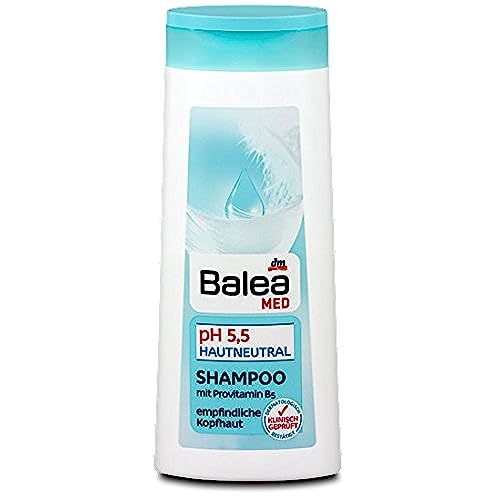
Balea
Med pH Skin Neutral Shampoo ProvitaminB5
shampoo · 300 ml · 26 ingredients
£3.99Amazon UK
- No essential oils
- With niacinamide
- With panthenol
Amazon UK prices as of 6 November 2026, 06:19 GMT; Amazon sets the final price at checkout.
Frequently asked questions
What is the most evidence-backed ingredient for hair growth in 2026?
Minoxidil, without question. It is the only topical treatment FDA-approved for hair loss in both men and women, with over three decades of independent randomized controlled trial data. Nothing else — rosemary oil, caffeine, peptides, or supplements — comes close to the breadth and quality of minoxidil's evidence base. Among natural alternatives, rosemary oil has the strongest support: a head-to-head RCT showed it matched minoxidil 2% for hair count at 6 months. After that, caffeine has a systematic review (all trials favored it, but evidence quality is mostly low) and peptide complexes have promising but small-scale data.
Can you combine multiple scalp actives for better results?
Yes, and combination approaches are increasingly supported by research. Minoxidil with a DHT inhibitor (finasteride, or rosemary oil for a botanical option) addresses two distinct pathways and is the most rationally justified pairing for androgenetic alopecia. Adding a peptide serum as a third layer is low-risk and may offer incremental benefit. However, introduce one active at a time over 3-month intervals so you can isolate what is working. Stacking five new actives simultaneously provides no diagnostic signal and increases the risk of scalp sensitization.
Is rosemary oil really as good as minoxidil?
The 2015 Panahi RCT found rosemary oil produced equivalent hair count increases to minoxidil 2% at 6 months, with less scalp itching. That is a meaningful result and the reason rosemary oil earns Tier 2 (moderate evidence) in this guide. However, it was a single-blind trial of 100 people, and the comparison was to minoxidil 2% — not the stronger 5% concentration. Rosemary oil is a credible alternative or adjunct to minoxidil 2%, not a replacement for stronger treatment in more advanced hair loss.
Do hair growth shampoos with caffeine actually work?
Topical caffeine penetrates the follicle and has a credible mechanism (inhibits phosphodiesterase, raises cAMP, extends anagen in ex vivo models). The 2025 systematic review found all 9 eligible trials favored caffeine, but most carried low or very low evidence ratings. A shampoo is a rinse-off product — contact time with the follicle is brief. Leave-on serums and lotions likely deliver caffeine more effectively than shampoos. Caffeine products are reasonable as an add-on to primary treatment, not as standalone therapy.
Should women take biotin for hair loss?
Only if they have confirmed biotin deficiency. The scientific consensus (supported by multiple systematic reviews through 2024) is that biotin supplementation does not improve hair growth in people with normal serum biotin levels. However, biotin deficiency may be more common in women with hair loss than previously thought — one study found 38% were deficient. A simple blood test determines whether supplementation is warranted. If deficiency is confirmed, biotin supplementation (typically 2.5–5 mg/day) is evidence-based. Without deficiency, save your money.
Sources
- 01Applications and efficacy of minoxidil in dermatology — PubMed Central / Dermatology and Therapy, 2024-11-01. Minoxidil is FDA-approved for AGA since 1988, acts via potassium channel opening and multiple growth factor pathways, requires continuous use, and remains the gold standard topical treatment for androgenetic alopecia.
- 02Expanding the therapeutic landscape of minoxidil for androgenetic alopecia: topical, oral and sublingual formulations — PubMed Central / Journal of Dermatological Treatment, 2025-01-01. Oral minoxidil 5 mg/day was more effective than topical 5% and 2% in male AGA at 6 months; low-dose oral options (0.25–5 mg) are emerging as practical alternatives for patients who cannot use topical formulations.
- 03Rosemary oil vs minoxidil 2% for the treatment of androgenetic alopecia: a randomized comparative trial — PubMed / Skinmed, 2015-01-01. In 100 AGA patients randomized to rosemary oil or minoxidil 2% for 6 months, both groups showed equivalent significant increases in hair count at 6 months (p < 0.05); scalp itching was more frequent in the minoxidil group.
- 04Rosmagain as a Natural Therapeutic for Hair Regrowth and Scalp Health: A Double-Blind, Randomized, Three-Armed, Placebo-Controlled Clinical Trial — PubMed Central / Journal of Clinical Medicine, 2025-04-01. Rosemary-containing preparations significantly improved hair growth rate, thickness (+66–68%), density (+32%), length, and reduced hair fall vs. placebo in a three-armed RCT.
- 05Caffeine as an Active Ingredient in Cosmetic Preparations Against Hair Loss: A Systematic Review of Available Clinical Evidence — PubMed Central / Cosmetics, 2025-02-01. Systematic review of 9 trials (684 participants) found all studies reported outcomes favoring topical caffeine for hair loss; evidence quality was medium in 3 studies, low-to-very-low in the remaining 6.
- 06Topical Alternatives for Hair Loss: Beyond the Conventional — PubMed Central / International Journal of Trichology, 2025-07-01. Review of cosmeceutical actives including Redensyl, Procapil, Capixyl, Baicapil, saw palmetto extract, and pumpkin seed oil; a Redensyl+Capixyl+Procapil combination trial showed 2.5× more hair growth than minoxidil 5% at 24 weeks, but lacked objective evaluation; evidence for all is preliminary.
- 07Biotin for Hair Loss: Teasing Out the Evidence — PubMed Central / Journal of the American Academy of Dermatology, 2024-08-01. Biotin supplementation benefits hair growth only in confirmed deficiency or specific enzyme disorders; evidence is insufficient for supplementation in healthy individuals without deficiency.
- 08Oral and Topical Administration of a Standardized Saw Palmetto Oil Reduces Hair Fall and Improves the Hair Growth in Androgenetic Alopecia Subjects – A 16-Week Randomized, Placebo-Controlled Study — PubMed Central / Clinical, Cosmetic and Investigational Dermatology, 2023-11-13. Oral standardized saw palmetto oil reduced hair fall by up to 29% and significantly decreased serum DHT vs. placebo in a 16-week RCT of androgenetic alopecia subjects.