Peptides for Hair Density: Redensyl, Capixyl & Procapil Explained
The short answer
Redensyl, Capixyl, and Procapil are peptide-based scalp actives with small clinical trials showing hair density.
What Are Scalp Peptides and Why Do They Matter for Hair Growth?
Peptides are short chains of amino acids — the building blocks of proteins. In the context of scalp health and hair growth, peptides function as signal molecules: they mimic or trigger the biological signals that govern the hair follicle growth cycle. Unlike vitamins or minerals that provide nutritional substrate, scalp peptides target the molecular switches that determine whether a follicle stays in anagen (growth) or shifts into telogen (resting/shedding).
The three most clinically studied peptide-based complexes for hair density are Redensyl, Capixyl, and Procapil. Each is a proprietary blend of peptides and supporting compounds, each targeting a different aspect of follicular miniaturization. Understanding what distinguishes them helps set realistic expectations and informs product choice.
Redensyl: Targeting Hair Follicle Stem Cells
What It Is
Redensyl is a patented multi-component complex developed by Givaudan. Its key molecules are:
- DHQG (dihydroquercetin-glucoside) — a stabilized polyphenol derived from the larch tree
- EGCG2 (epigallocatechin gallate-glucoside) — a green tea derivative
- Glycine and zinc chloride as supporting components
How It Works
DHQG targets hair follicle stem cells (ORS — outer root sheath cells) in the bulge region — the reservoir of follicular stem cells that must activate to initiate anagen phase. Specifically:
- β-catenin activation: DHQG activates the Wnt/β-catenin signaling pathway, which is the master switch for anagen phase initiation. This promotes stem cell division and differentiation into new hair shaft-producing cells.
- BCL2 upregulation (anti-apoptosis): DHQG protects stem cells from programmed cell death, preserving the regenerative pool.
- Dermal papilla fibroblast metabolism: Supports the metabolic activity of dermal papilla cells, which regulate follicular growth signals (VEGF, IGF-1, FGF).
EGCG2 provides a complementary anti-inflammatory and antioxidant effect at the follicle, reducing oxidative stress that can accelerate miniaturization.
Clinical Evidence
A double-blind, placebo-controlled study of 26 men with grade 3–4 androgenetic alopecia compared 3% Redensyl applied once daily for 3 months vs. placebo:
- Significant increase in anagen hair proportion in the Redensyl group vs. placebo
- Manufacturer-cited data suggests approximately 17% increase in hair density after 84 days
It is important to note: this study is small (n=26) and manufacturer-associated. Independent replication in larger trials is needed. Redensyl is also included in the Soulflower Rosemary Redensyl Tetragain serum study (PMC11800316), which showed efficacy in women, though this was an open-label single-arm study.
Capixyl: Building the Follicular Matrix
What It Is
Capixyl is a patented complex developed by Lucas Meyer Cosmetics, combining:
- Acetyl tetrapeptide-3 (Ac-KGHK) — a biomimetic peptide derived from a signal fragment of ECM proteins
- Red clover extract (rich in biochanin A, an isoflavone)
How It Works
Acetyl tetrapeptide-3 (Ac-KGHK) acts as a matrikine — a signaling fragment released when extracellular matrix (ECM) proteins are degraded. It triggers repair responses:
- Stimulates collagen III and laminin production in human fibroblasts (confirmed by immunofluorescence)
- Upregulates collagen VII in skin explants
- Improves the anchoring of the hair follicle to its surrounding dermis via ECM protein reinforcement
- Reduces interleukin-8 (IL-8) inflammatory signaling in follicular cells, counteracting the chronic perifolllicular inflammation seen in AGA
Biochanin A from red clover extract inhibits 5α-reductase and androgen receptor signaling, adding an antiandrogenic mechanism. Capixyl's combined anti-inflammatory and antiandrogenic action positions it uniquely — it addresses both the hormonal and inflammatory components of follicular miniaturization.
Clinical Evidence
Small placebo-controlled pilot study (30 men with AGA):
- 15 treated with 5% Capixyl lotion, 15 with placebo, applied daily as 20 drops for 4 months
- Capixyl: anagen/telogen ratio increased by 46%
- Placebo: anagen/telogen ratio decreased by 33%
- A 79-percentage-point difference in the primary endpoint — clinically striking but in a very small trial
24-week RCT — Capixyl-type active vs. 3% minoxidil (n=32): A 24-week, triple-blinded, randomized controlled study compared a herbal complex containing biochanin A (red clover), acetyl tetrapeptide-3, and ginseng extract (1 mL twice daily) vs. 3% minoxidil solution. The combination showed comparable efficacy to 3% minoxidil with no local adverse reactions. This provides the clearest head-to-head evidence for Capixyl-type actives, though the comparison was to 3% minoxidil rather than the standard 5%.
Procapil: The Triple-Target Approach
What It Is
Procapil is a patented complex developed by Sederma, combining three botanically derived components:
- Biotinyl-GHK (biotinoyl tripeptide-1) — biotin conjugated to the GHK (glycine-histidine-lysine) matrikine peptide
- Apigenin — a flavonoid from citrus fruits
- Oleanolic acid — a triterpene from olive tree leaves
How It Works
Each component targets a different driver of AGA:
Oleanolic acid → 5α-Reductase inhibition: Oleanolic acid inhibits both type 1 and type 2 5α-reductase enzymes, reducing DHT production at the follicle. This is the same enzymatic target as prescription finasteride. It also inhibits androgen receptor signaling.
Apigenin → Scalp microcirculation: Apigenin is a vasodilatory flavonoid that dilates capillaries in the scalp, improving oxygen and nutrient delivery to the dermal papilla. Better microcirculation prolongs the anagen phase by supporting follicle metabolism. The same mechanism proposed for minoxidil's vasodilatory component.
Biotinyl-GHK → Follicular anchoring: The GHK matrikine peptide stimulates adhesion proteins (vimentin, desmogleins, desmocollins, laminin 5, collagen IV) that anchor the hair follicle within the dermis. In AGA, progressive weakening of follicular anchoring contributes to miniaturization and eventual follicle loss. Biotinyl-GHK also promotes keratinocyte multiplication.
Clinical Evidence
In a clinical study of 18 volunteers using a Procapil-containing formulation:
- 67% showed significant improvement in mean anagen/telogen ratio
- Studies comparing Procapil with PRP (platelet-rich plasma) therapy demonstrated 11.9% improvement from baseline over 6 months in the Procapil group
One randomized study (54 patients) compared Procapil with PRP vs. Redensyl + saw palmetto + biotin with PRP — both combinations showed significant improvement, with the Redensyl combination showing 21.9% improvement vs. 11.9% for Procapil, suggesting the two have different potency or complementary targets.
Comparing the Three: A Quick Reference
| Feature | Redensyl | Capixyl | Procapil |
|---|---|---|---|
| Primary target | Hair follicle stem cells (Wnt/β-catenin) | ECM matrix + inflammation + 5α-reductase | DHT (5α-reductase) + microcirculation + follicular anchoring |
| Key molecule | DHQG (larch tree polyphenol) | Acetyl tetrapeptide-3 + biochanin A | Oleanolic acid + apigenin + biotinyl-GHK |
| Mechanism analogy | Reactivates the stem cell "battery" | Rebuilds the follicular scaffold + reduces inflammation | Multi-pronged: DHT, circulation, anchoring |
| Typical use concentration | 3% | 3–5% | 3% |
| Best clinical evidence | Small DBRCT (n=26) | RCT vs. 3% minoxidil comparable efficacy | 67% improvement in anagen/telogen ratio (n=18) |
| Evidence level | Preliminary–moderate | Moderate | Preliminary–moderate |
How to Use Peptide Serums for Hair Density
- Format matters: Peptides denature or rinse away before absorbing sufficiently in shampoos. Use a leave-in scalp serum or tonic for clinical-level efficacy.
- Concentration: Look for products stating the active at 3–5%. Many commercial products use sub-efficacious concentrations to permit the ingredient on the label without meaningful activity.
- Application: Apply to dry or slightly damp scalp, target thinning areas, and massage in for 2–3 minutes. Do not rinse.
- Frequency: Once daily is supported by clinical protocols; twice daily may be used but shows diminishing returns.
- Timeline: No visible results before 3 months; meaningful density changes require 6 months of consistent use.
- Combination use: These three peptides target different mechanisms and are frequently combined in multi-active products. Using all three simultaneously is rational given their complementary targets — and is common in commercial formulations.
How Peptide Actives Compare to Minoxidil and Other Actives
Peptide-based actives are not FDA-approved for hair loss — they are cosmetic ingredients. Their evidence base is smaller and the studies generally less rigorous than the minoxidil literature. However, for those unwilling or unable to use minoxidil (tolerability, pregnancy concerns, preference for natural/cosmetic positioning), peptide serums represent the strongest non-drug alternatives available.
For a side-by-side comparison of all scalp growth actives including caffeine, rosemary, and saw palmetto, see Best Ingredients for Hair Growth.
For the Rosemary Oil vs. Minoxidil and Caffeine for Hair Growth deep dives, see those articles. The Hair Ingredients & Treatments hub provides the full landscape.
Products with peptides
Picked by code from each product's full ingredient list.
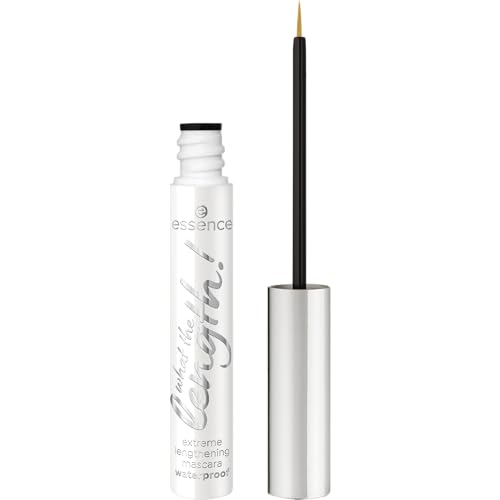
Essence
What The Length! Lash Growth Serum
brow product · 4 ml · 19 ingredients
£4.99Amazon UK
- Fragrance-free
- No essential oils
- With glycerin
- With panthenol
- With peptides

La Roche-Posay
Toleriane Dermallergo Fluid
moisturizer · 40 ml · 18 ingredients
- Fragrance-free
- No essential oils
- With glycerin
- With squalane
- With peptides

Neutrogena
Collagen Bank Face Moisturiser
sunscreen · 50 ml · 19 ingredients
£16.66−33%Amazon UK
- Fragrance-free
- No essential oils
- With glycerin
- With peptides
- With shea butter
Neutrogena
Collagen Bank Vitamin C Serum
exfoliant · 15 ml · 16 ingredients
- Fragrance-free
- No essential oils
- With vitamin C
- With peptides
Amazon UK prices as of 6 November 2026, 04:30 GMT; Amazon sets the final price at checkout.
Frequently asked questions
What does the latest evidence say about Redensyl, Capixyl, and Procapil in 2026?
A 2025 PMC review of topical hair loss alternatives (PMC12251978) and a 2025 overview of short peptides for hair loss (PMC13113319) confirm that these three remain the most studied peptide-based scalp actives. Evidence is characterized as promising but limited by small study sizes and often industry involvement. A 24-week RCT found Capixyl-type actives comparable to 3% minoxidil. Larger independent trials are still needed across all three ingredients.
Which is better — Redensyl, Capixyl, or Procapil?
They work through different mechanisms, making direct comparison difficult. Capixyl has the most head-to-head comparison data (vs. 3% minoxidil). Procapil targets the most mechanisms simultaneously (DHT, circulation, anchoring). Redensyl has the most compelling mechanistic basis (Wnt/β-catenin stem cell activation). Many practitioners and commercial formulations combine all three, given their complementary targets and no documented interactions between them.
Do peptide hair serums actually work?
Small but well-designed placebo-controlled studies for each ingredient show statistically significant improvements in anagen/telogen ratio and, in Capixyl's case, efficacy comparable to 3% minoxidil. These are not null results — the ingredients have genuine biological activity. The limitation is that studies are small, sometimes industry-sponsored, and no ingredient has been tested against 5% minoxidil (the current OTC standard). Peptide serums are legitimate evidence-based options, not empty marketing claims.
How long do peptide hair serums take to work?
Clinical protocols measure primary endpoints at 3–4 months and confirm results at 6 months. No peptide serum should be expected to show meaningful density improvement in under 12 weeks. The most reliable assessment is at 6 months of consistent daily leave-in application.
Can I use peptide hair serums with minoxidil?
There is no documented interaction between peptide-based scalp actives and topical minoxidil. Given their complementary mechanisms (peptides address DHT, ECM, stem cells; minoxidil opens potassium channels and induces VEGF), concurrent use is rationally supported. Apply minoxidil and the peptide serum at different times of day — for example, minoxidil in the morning and the peptide serum in the evening.
Are peptide shampoos effective?
Shampoos have very limited contact time with the scalp (typically 1–3 minutes before rinsing), which is insufficient for peptide absorption. Peptides are relatively large, polar molecules that need sustained contact to penetrate the follicular microenvironment. Leave-in serums or tonics are significantly more effective delivery vehicles. A peptide shampoo may provide mild benefit but should not be the primary or sole delivery method.
Sources
- 01Topical Alternatives for Hair Loss: Beyond the Conventional — PubMed Central / PMC, 2025-01-01. Comprehensive review of Redensyl, Capixyl, Procapil, and Baicapil mechanisms and clinical evidence; confirms these as the most studied peptide-based hair loss alternatives to pharmaceutical treatments.
- 02Overview of Short Peptides for Hair Loss — PubMed Central / PMC, 2025-01-01. Review confirming acetyl tetrapeptide-3 (Capixyl component) stimulates collagen III and laminin production in fibroblasts, upregulates collagen VII in skin explants, and Capixyl increased anagen/telogen ratio by 46% vs. -33% placebo in small AGA trial.
- 03Real-World Efficacy and Safety of Cuticapil Stem Hair Serum as an Add-On to Minoxidil in Androgenetic Alopecia: A Prospective Observational Study — PubMed Central / PMC, 2025-01-01. Real-world study confirming clinical benefit of peptide-based hair serum (containing Redensyl and Procapil) as add-on to minoxidil in AGA, with significant improvements in hair density and anagen rate.
- 04Prospective Efficacy and Safety Study of an Innovative Kerascalp Hair Growth Serum in Mild-to-Moderate Alopecia in India: Regrowth Study — PubMed Central / PMC, 2023-01-01. Prospective study with combination serum including Procapil and Redensyl in mild-to-moderate AGA: significant hair density and anagen improvement; 67% of Procapil-treated subjects showed significant improvement in anagen/telogen ratio.
- 05A Clinical Evaluation of the Safety, Efficacy, and Tolerability of the Soulflower Rosemary Redensyl Hair Growth Serum (Tetragain) in Healthy Female Subjects for the Treatment of Alopecia — PubMed Central / PMC, 2025-01-01. Open-label single-arm study in female alopecia patients: serum containing Redensyl, rosemary oil, AnaGain, and MelanoGray showed significant improvements in hair density, growth, and reduction in gray hair.