Curly Girl Method With an Oily Scalp: How to Make It Work
The short answer
Use low-poo instead of co-wash, wash more frequently (every 3–5 days).
Can You Do CGM With an Oily Scalp?
Yes — but not with the standard protocol. The default CGM guidance (co-wash, wash every 7–14 days, liberal conditioning) was designed for dry scalps with tight coils. If your scalp produces visible sebum within 2–4 days of washing, following that advice will result in a persistently greasy, itchy scalp that undermines your curl results.
The good news: an oily scalp and great curls are not mutually exclusive. The solution is to treat the scalp and the hair lengths as two separate problems with two separate strategies.
Why Some Scalps Produce More Oil
Sebum production is primarily driven by androgen hormones and is highly individual. Research on scalp sebum dynamics shows that the scalp sebaceous glands refill to their resting sebum level ("casual level") within approximately 2–3 days of washing — significantly slower than on the face (which regreases in about 3 hours), but still fast enough that some people notice visible oiliness every 2–4 days.
Factors that increase scalp sebum production:
- Hormones: Androgens (testosterone and its metabolites) stimulate sebaceous gland activity. This explains why sebum production peaks after puberty, fluctuates with the menstrual cycle and pregnancy, and declines after menopause.
- Genetics: Baseline sebaceous gland size and activity are partially heritable.
- Over-washing: Paradoxically, stripping the scalp daily with harsh sulfate shampoos can trigger compensatory increased sebum production — not a well-supported universal claim, but observed clinically.
- Diet and stress: Not strongly supported by clinical evidence, but stress hormones (androgens, cortisol) do influence sebum output.
If you are following CGM and your scalp is oily, co-washing is not the solution. Co-washing relies on cetyl alcohol, a nonionic surfactant with minimal cleansing ability — completely insufficient to remove excess sebum from an oily scalp.
The Oily-Scalp CGM Protocol
1. Always Use Low-Poo (or Periodically, a Gentle Sulfate Shampoo)
Choose a sulfate-free shampoo (low-poo) with moderate cleansing surfactants as your primary cleanser. Look for:
- Cocamidopropyl betaine (amphoteric, effective and gentle)
- Sodium lauroyl methyl isethionate
- Disodium laureth sulfosuccinate
Apply shampoo only to the scalp — not the lengths. Massage thoroughly for 1–2 minutes, then rinse. Allow the diluted lather to run through the lengths as it rinses; this is sufficient for the mid-shaft and ends, which are dry and don't need strong cleansing.
If low-poo alone cannot manage your sebum production (hair looks or feels greasy the day after washing), use a gentle sulfate shampoo for the scalp once every 1–2 weeks, followed immediately by a deeply hydrating conditioner on the lengths and ends. This targeted approach cleans what needs cleaning without punishing the hair shaft.
2. Wash More Frequently
CGM often recommends washing once every 7–14 days. For an oily scalp, that is too infrequent. Wash every 3–5 days — or whenever your scalp feels uncomfortable or your hair looks greasy — using your low-poo on the scalp only.
There is no evidence that washing curly hair every 3–5 days with a gentle cleanser damages the hair. The dryness concern comes from harsh sulfate shampoos stripping hair oils. With a low-poo and thorough conditioning of the lengths afterward, washing every 3–5 days maintains scalp health without compromising curl moisture.
3. Never Apply Conditioner or Styling Products to the Scalp
This is the most critical technique adjustment. In CGM, conditioner and styling products go from mid-shaft to ends only. Applying conditioner to an oily scalp adds more lipids to an already saturated environment, worsening greasiness within hours of washing.
Practical application:
- Rinse-out conditioner: Apply from ears down. Use a clip to keep it off the scalp while it processes. Rinse thoroughly.
- Leave-in conditioner: Apply from mid-shaft to ends. Keep it 2–4 inches away from the scalp.
- Styling gel or cream: Apply from mid-shaft to ends. If you must apply near the roots for frizz control, use a very small amount of lightweight gel only.
4. Scalp-Only vs. Length-Only Products
Think of your hair care as two separate routines running simultaneously:
| Zone | Products | Goal |
|---|---|---|
| Scalp | Low-poo shampoo, occasional scalp serum, no conditioner | Cleanliness, balance, sebum management |
| Mid-shaft to ends | Conditioner, leave-in, styling products | Moisture, curl definition, frizz control |
Some people with very oily scalps also benefit from a diluted apple cider vinegar rinse on the scalp between wash days — 1–2 tablespoons ACV diluted in a cup of water, applied to the scalp, left for 2 minutes, rinsed. The acidity can help balance scalp pH and reduce oiliness between washes, though this is anecdotal rather than clinically proven.
5. Clarify Monthly
Even with low-poo, product residue and mineral deposits accumulate over time. An oily scalp is also more prone to buildup because excess sebum creates an adhesive layer that traps other residues. Clarify with a gentle sulfate shampoo every 3–4 weeks to clear buildup before it dulls curls or contributes to scalp issues.
Extending Time Between Washes
If you want to stretch between wash days without scalp greasiness:
Dry shampoo: Applied directly to the scalp roots, dry shampoo (talc- or starch-based) absorbs excess sebum and provides temporary freshness. Avoid the hair lengths — dry shampoo on curls creates a dusty, frizzy texture. Use sparingly — overuse contributes to its own form of buildup. Choose formulas without heavy silicones or polymers for easier washing out.
Scalp sprays: Some water-based scalp sprays with mild astringents (witch hazel, aloe) temporarily reduce surface sebum. These are lighter than dry shampoo and better for curly hair but provide less oil absorption.
Pineappling or refreshing on day 2–3: On non-wash days, pineapple your hair at night (loose high ponytail with a silk scrunchie) and refresh the lengths in the morning with a water-based curl refresher spray. Focus the refresher spray on the mid-shaft and ends, not the scalp — this revives the curls without adding to scalp oiliness.
When Oily Scalp Is Actually Seborrheic Dermatitis
Seborrheic dermatitis (seb derm) is a common chronic inflammatory skin condition caused by an overactive immune response to Malassezia — a yeast that thrives in sebum-rich environments. It is one of the most frequent reasons an "oily scalp" is also itchy, flaky, or reddened.
The NCBI Bookshelf clinical review on seborrheic dermatitis describes it as presenting with "erythematous, scaly plaques associated with itch, often presenting in hair-bearing areas of the scalp." Curly hair complicates management because the standard advice — frequent washing with medicated shampoos — conflicts with the moisture-preservation goals of CGM.
A 2024 PMC review on seborrheic dermatitis in diverse hair types notes that standard medicated shampoos "can be extremely drying" for textured hair, and recommends formulations and washing schedules tailored to hair type.
Practical approach for CGM with seborrheic dermatitis:
- Use a medicated shampoo (ketoconazole 2%, zinc pyrithione, or selenium sulfide) on the scalp — the scalp is where the condition is active and where the antifungal is needed.
- Apply medicated shampoo only to the scalp; let it sit for 3–5 minutes before rinsing.
- Immediately follow with a deeply hydrating, CGM-compatible conditioner on the hair lengths to counteract the drying effect.
- Co-wash or condition the lengths between medicated wash days to maintain moisture without over-treating the scalp.
See a dermatologist if: scalp itching and flaking do not improve with zinc pyrithione or ketoconazole shampoo after 4–6 weeks, if the scalp is inflamed or weeping, or if hair thinning accompanies the scalp symptoms.
Oily Scalp CGM: Step-by-Step Routine
Wash Day (Every 3–5 Days)
- Wet hair thoroughly with warm water.
- Apply low-poo shampoo to the scalp only. Massage for 1–2 minutes. Rinse.
- Apply rinse-out conditioner from ears to ends. Leave for 5–15 minutes. Rinse fully.
- Apply leave-in conditioner from mid-shaft to ends immediately while hair is dripping wet.
- Apply lightweight styling gel from mid-shaft to ends. Scrunch upward.
- Dry using microfiber towel plop (10–15 min), then air-dry or diffuse on low.
- Scrunch out the gel cast once completely dry.
Between Wash Days
- Pineapple at night with a silk scrunchie and sleep on a silk pillowcase
- Refresh only the mid-shaft and ends with a water-based curl refresher if needed
- If scalp feels uncomfortable, apply dry shampoo to the roots only
- Do not wet the hair, re-apply product, or add any conditioner to the scalp area
Common Mistakes With Oily Scalp and CGM
- Co-washing an oily scalp: Will not clean effectively — scalp becomes progressively greasier
- Going 10+ days between washes: Creates ideal conditions for Malassezia and scalp buildup, especially in an oily environment
- Applying conditioner or leave-in to the roots: Worsens oiliness within hours of washing
- Using a dry shampoo that contains silicones or heavy polymers: Can contribute to scalp buildup that worsens the oiliness problem over time
- Attributing all scalp oiliness to CGM incompatibility: Often, CGM requires adjustment rather than abandonment — the scalp and hair are different zones with different needs
Related Resources
For the full CGM routine, see the Curly Girl Method guide. For cleansing method comparisons, see Low-Poo vs. Co-Wash. For wavy hair modifications, see CGM for wavy hair.
Step by step
- 1
Choose a low-poo shampoo as your primary cleanser
Select a sulfate-free shampoo with mild surfactants such as cocamidopropyl betaine or sodium lauroyl methyl isethionate as the first or second ingredient. Avoid co-wash products — they do not have sufficient cleansing power for an oily scalp. For very oily scalps, keep a gentle sulfate shampoo for occasional (every 1–2 weeks) scalp-only washes when low-poo is insufficient.
- 2
Wash every 3–5 days — not weekly or biweekly
An oily scalp reaches its sebum resting level within 2–3 days of washing. Extending beyond 5 days will result in a greasy, potentially itchy scalp and undermines your curl results. Wash as frequently as your scalp demands — there is no evidence that gentle low-poo washing every 3–5 days damages curly hair.
- 3
Apply shampoo only to the scalp, not the lengths
Dispense low-poo into your palm, work into the scalp with fingertip massage for 1–2 minutes, and rinse thoroughly. The diluted shampoo running through the lengths during rinsing is sufficient to clean the mid-shaft and ends without stripping them. Do not apply shampoo directly to the hair lengths.
- 4
Apply rinse-out conditioner from mid-shaft to ends only
After rinsing the shampoo, apply silicone-free rinse-out conditioner only from mid-shaft to ends — starting at least 3–4 inches below the scalp. Leave for 5–15 minutes, then rinse fully. Do not leave conditioner at the roots or scalp.
- 5
Apply leave-in and styling products below the ears only
After rinsing, apply leave-in conditioner to dripping-wet hair from mid-shaft to ends. Apply styling gel with an upward scrunching motion from the ends upward, stopping below the roots. Keep all products away from the scalp to avoid worsening oiliness at the roots.
- 6
Dry, then use dry shampoo on roots only if needed between washes
After styling, air-dry or diffuse on low heat without touching. Between wash days, if the scalp feels oily before your next wash day, apply a small amount of dry shampoo to the roots only — not the lengths. Avoid silicone-containing dry shampoos that can contribute to scalp buildup.
- 7
Clarify monthly and monitor for seborrheic dermatitis
Every 3–4 weeks, use a gentle sulfate-containing clarifying shampoo on the scalp to remove accumulated sebum, product residue, and mineral deposits that low-poo cannot fully clear. If your scalp develops persistent itching, flaking, or visible redness alongside oiliness, consult a dermatologist — seborrheic dermatitis requires medicated treatment compatible with your hair care routine.
Products that fit: itchy, sensitive scalp
Picked by code from each product's full ingredient list.
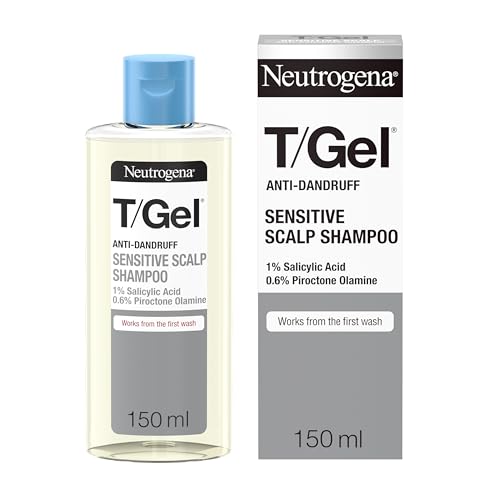
Neutrogena
T/Gel Anti Dandruff Shampoo
shampoo · 150 ml · 15 ingredients
- Fragrance-free
- No essential oils
- No MI/MCI
- With piroctone olamine
- With salicylic acid
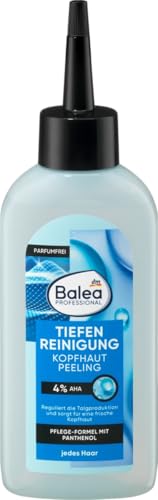
Balea
Professional Scalp Scrub Deep Cleansing
scalp treatment · 150 ml · 10 ingredients
- Fragrance-free
- No essential oils
- No MI/MCI
- With panthenol

OGX
ProGrowth + Peptide Scalp Serum
scalp treatment · 10 ml · 16 ingredients
- Fragrance-free
- No essential oils
- No MI/MCI
- With panthenol

Matrix
So Silver Purple Toning Shampoo
shampoo · 300 ml · 17 ingredients
- Fragrance-free
- No essential oils
- No MI/MCI
- With salicylic acid
Frequently asked questions
Can CGM work if I have an oily scalp?
Yes, with significant modifications to the standard protocol. The key changes: use low-poo (not co-wash), wash every 3–5 days rather than weekly or biweekly, and never apply conditioner or styling products to the scalp or root area. The core CGM principles — silicone-free products, gentle handling, moisture focus for the hair lengths — all still apply. The scalp simply needs to be treated as a separate zone with more thorough, more frequent cleansing.
Why does my scalp get oily so fast even when I'm doing CGM?
Scalp oiliness is driven by sebaceous gland activity, which is primarily hormonal (androgen-dependent) and largely individual. Published research shows that scalp sebum returns to its resting level within 2–3 days of washing — this is physiological, not a response to the products you use. If your scalp produces sebum faster than this, you simply need to wash more frequently than CGM's default recommendations. CGM was not designed for high-sebum scalps; adjust your wash frequency to match your scalp's actual production.
Is an oily scalp with itching and flaking CGM-related or something else?
Oily scalp with itching and flaking is a classic presentation of seborrheic dermatitis — a chronic inflammatory scalp condition driven by Malassezia yeast, not directly by your hair care routine, though infrequent washing can worsen it by allowing sebum (yeast's food source) to accumulate. CGM's recommendation to wash infrequently can aggravate seborrheic dermatitis. See a dermatologist for proper diagnosis and treatment — medicated shampoos (ketoconazole, zinc pyrithione) can be used on the scalp while CGM-compatible conditioning continues on the hair lengths.
Should I use dry shampoo between CGM wash days for an oily scalp?
Occasionally, yes. Dry shampoo absorbs excess sebum and extends the comfortable period between wash days. However, use it sparingly on curly hair — applying too much, or applying it to the hair lengths rather than just the roots, creates a dusty, frizzy residue that is difficult to remove with low-poo. Choose a formula without heavy silicones, and plan a clarifying wash every 3–4 weeks to clear any accumulation from the scalp.
How often should someone with an oily scalp clarify when doing CGM?
Every 3–4 weeks, or more frequently if you notice dullness, buildup, or worsening scalp symptoms. An oily scalp is more prone to buildup because excess sebum creates an adhesive layer that traps product residues and mineral deposits. Monthly clarifying with a gentle sulfate shampoo (scalp only) keeps the scalp environment clean, which in turn keeps the curl results looking their best.
Sources
- 01Pro and Contra of Cleansing Conditioners — Skin Appendage Disorders / PubMed Central, 2019-01-01. Cetyl alcohol (co-washing's primary surfactant) has very low cleansing ability — insufficient for scalps with significant sebum production; co-washing may lead to buildup and is not recommended for oily scalp conditions.
- 02Revisiting, in vivo, the hair regreasing process by the Sebuprint method — PubMed Central, 2020-01-01. Scalp sebum casual level is reached approximately 2–3 days after washing; sebum production rate is highly individual and hormonally driven — oily scalp individuals need more frequent cleansing regardless of hair care method.
- 03Seborrheic Dermatitis: Overview — InformedHealth.org — NCBI Bookshelf / Institute for Quality and Efficiency in Health Care, 2022-01-01. Seborrheic dermatitis is associated with increased sebum secretion and Malassezia yeast proliferation; presents with scaly, itchy patches in hair-bearing areas of the scalp; common treatments include ketoconazole and zinc pyrithione shampoos.
- 04When Patient Diversity Informs Formulation: Reimagining Treatment for Seborrheic Dermatitis — PubMed Central, 2024-01-01. Standard medicated shampoos for seborrheic dermatitis can be extremely drying for textured/curly hair; once-daily formulations compatible with extended wash intervals are preferred; protective styles and personalized washing frequencies are recognized factors in treatment outcomes for diverse hair types.
- 05Physiology, Sebaceous Glands — StatPearls — NCBI Bookshelf / StatPearls. Sebum production is androgen-dependent, peaks post-puberty, and varies with hormonal changes; sebaceous glands secrete via holocrine secretion and sebum escapes along the hair shaft; sebum output rate determines appropriate scalp cleansing frequency.
- 066 curly hair care tips from dermatologists — American Academy of Dermatology (AAD). Curly hair should be washed at a minimum every 2–3 weeks; however, going too long without washing can cause dandruff due to oil overproduction on the scalp — indicating that washing frequency should be calibrated to scalp oil production, not a fixed schedule.