Estrogen & Skin: How Falling Levels Drive Collagen Loss
The short answer
Estrogen stimulates collagen synthesis in the dermis.
Estrogen as a Skin Hormone
Estrogen is not merely a reproductive hormone. It is a systemic regulator of connective tissue maintenance — and the skin is one of its principal target organs. Estrogen receptors (ERα and ERβ) are expressed throughout the skin:
- Keratinocytes (the primary epidermal cell) — estrogen regulates their proliferation and differentiation
- Dermal fibroblasts — estrogen directly stimulates collagen and glycosaminoglycan synthesis
- Melanocytes — estrogen influences pigmentation and melanin transfer
- Sebaceous gland cells — estrogen modulates sebum production
- Hair follicle cells — estrogen regulates the hair growth cycle
This anatomical distribution explains why falling estrogen at menopause affects so many aspects of skin quality simultaneously — it is not a single downstream effect but a multisystem withdrawal.
The Two Mechanisms of Estrogen-Driven Collagen Loss
Estrogen's role in collagen homeostasis operates through two distinct pathways, acting in opposite directions on the same outcome:
Mechanism 1: Stimulating Collagen Synthesis
Estrogen binds to ERα and ERβ in dermal fibroblasts. These hormone-receptor complexes act as transcription factors — they enter the cell nucleus and bind to estrogen response elements (EREs) in the promoter regions of collagen genes. The result is upregulation of Type I and Type III procollagen synthesis.
Type I collagen is the most abundant structural protein in human dermis, providing tensile strength. Type III collagen provides flexibility. Together they form the collagen fibril network that gives skin its thickness, firmness, and mechanical resilience. Estrogen increases the production of both.
Mechanism 2: Suppressing Collagen Degradation
Estrogen suppresses the expression and activity of matrix metalloproteinases — specifically MMP-1 (interstitial collagenase) and MMP-3 (stromelysin). These enzymes are the molecular scissors that cleave and degrade collagen fibrils. UV radiation is the primary environmental inducer of MMP activity; estrogen counteracts this.
At menopause, the loss of estrogen removes both mechanisms simultaneously:
- Less collagen is synthesized because fibroblast stimulation declines
- More collagen is degraded because MMP suppression is removed
The net result is accelerated structural collagen loss — substantially faster than the gradual age-related decline of the pre-menopausal years.
The Numbers: How Much Collagen Is Lost and How Fast
The clinical evidence is specific and sobering:
| Metric | Rate |
|---|---|
| Skin collagen loss, first 5 years post-menopause | ~30% |
| Ongoing skin collagen loss after year 5 | ~2% per year |
| Skin thickness decline | ~1.13% per postmenopausal year |
| Annual skin elasticity decline (early post-menopause) | ~1.5% |
These figures represent accelerated structural aging. A woman who loses 30% of her skin collagen in five years at menopause is experiencing something categorically different from the gradual ~1% annual collagen decline of the pre-menopausal decades.
Collagen and elastin production peak in the skin at approximately age 25–30, then decline gradually. The menopausal transition superimposes a step-change acceleration on this background decline.
What Collagen Loss Looks Like: The Clinical Picture
The structural consequences of estrogen-driven collagen loss manifest as recognizable skin changes:
Skin thinning: Dermal collagen provides most of the skin's physical bulk. As it declines, skin becomes visibly thinner — more translucent, more delicate, and more easily damaged.
Wrinkling: Collagen fibers provide the scaffolding that keeps skin smooth under mechanical stress. As the scaffold thins, the skin cannot fully spring back from repeated facial movements, and lines deepen and become permanent.
Loss of firmness and elasticity: Collagen works in concert with elastin; both decline. The combined loss produces laxity — the skin no longer snaps back to position the way it did, and gravitational changes become more visible.
Increased fragility: Thinner, collagen-depleted skin bruises more easily, heals more slowly, and is less tolerant of procedures and actives.
Skin rigidity changes: Research suggests that loss of skin rigidity — a subtle biomechanical change — may be an earlier measurable sign of estrogen withdrawal than visible wrinkle formation. The collagen cross-linking that gives the skin its mechanical properties begins to change before deep wrinkles appear.
Beyond Collagen: Estrogen's Broader Skin Functions
While collagen loss is the most structurally significant consequence of estrogen decline, estrogen governs several other skin-quality factors simultaneously:
Hyaluronic Acid and Skin Hydration
Estrogen stimulates the synthesis of glycosaminoglycans (GAGs) in the dermis — primarily hyaluronic acid — the molecules that bind and retain water within the dermal matrix. Falling estrogen reduces GAG production, lowering the skin's intrinsic moisture-holding capacity and contributing to the characteristic dryness of postmenopausal skin.
Epidermal Cell Turnover
Estrogen regulates keratinocyte proliferation in the epidermis. Deficiency slows epidermal renewal, contributing to a duller surface texture and less efficient exfoliation of dead cells.
Sebaceous Gland Function
Estrogen (working in concert with androgens) modulates sebum production. Most women experience drier skin after menopause as combined hormonal changes reduce sebaceous gland activity. Some women — particularly those in the fluctuating early perimenopause — experience temporary acne from relative androgen dominance as estrogen declines.
Skin Vascularity
Estrogen is angiogenic — it promotes the formation and maintenance of dermal capillaries. Reduced estrogen lowers cutaneous blood flow, contributing to a duller, less luminous skin tone and impairing the delivery of oxygen and nutrients to skin cells.
Wound Healing
Estrogen supports immune cell activity and angiogenesis in healing wounds. Postmenopausal skin heals measurably more slowly from minor trauma, abrasions, and procedures.
The Evidence for Estrogen Replacement on Skin
The direct evidence for estrogen's effects on skin is unusually specific for a hormone therapy study:
- Topical estradiol applied to skin significantly increased Type I procollagen synthesis — women showed higher increases than men in controlled studies
- One year of oral estrogen therapy increased dermal thickness by 30% in postmenopausal women in a controlled study
- Six months of oral estrogen increased skin collagen content by 6.49% in another controlled measurement
- Long-term oral estrogen correlated with significantly lower wrinkle scores versus never-treated postmenopausal women
- Women over 65 taking estrogen showed a relative risk of 0.68 for pressure ulcers and 0.65 for venous ulceration versus untreated women — reflecting improved skin structural integrity and healing
These are among the most direct evidence of any intervention's effect on skin structure. The studies are clear that estrogen — when medically appropriate — has real, measurable effects on the skin parameters that decline at menopause.
The decision to use hormone therapy (HT) involves a full medical assessment of cardiovascular risk, breast cancer history and risk, and personal history. It is not a skincare decision; it is a medical one. A physician or gynecologist should make this assessment with the individual.
Non-Hormonal Strategies: Approximating Estrogen's Collagen Effects
For women who are not candidates for hormone therapy, or who want to address collagen support through skincare, the following approaches have the strongest evidence base:
Topical Retinoids
Retinol (OTC) and tretinoin (prescription) work through nuclear receptors (RARs) to stimulate fibroblast collagen production and directly inhibit MMP-1 and MMP-8. This is a mechanistically overlapping approach to estrogen's dual mechanism — building from the synthesis side while suppressing degradation. Decades of clinical trial data confirm their efficacy for structural skin improvement. See retinol for the full evidence and protocol.
Broad-Spectrum SPF
UV radiation is the primary activator of MMP enzymes in the skin. Daily broad-spectrum SPF 30+ is the most effective single intervention for preventing ongoing collagen degradation from the most controllable source. This is relevant before, during, and after menopause.
Topical Vitamin C (L-Ascorbic Acid)
Vitamin C is a required cofactor for the hydroxylation of proline and lysine residues during collagen synthesis — without adequate vitamin C, the collagen triple helix cannot form correctly. Topical vitamin C also neutralizes free radicals generated by UV exposure (which would otherwise activate MMPs). Applied as a stable L-ascorbic acid serum at 10–20%, it supports both collagen production and protection.
Peptides
Collagen-stimulating peptides — particularly palmitoyl pentapeptide-4 (Matrixyl) and palmitoyl tripeptide-1 — have evidence for stimulating fibroblast activity and collagen synthesis in vitro and in some human trials. They are a gentler, less irritating adjunct than retinoids and can be layered with them.
Niacinamide
Niacinamide supports barrier function, reduces inflammation, and inhibits the transfer of melanin to keratinocytes. It does not directly stimulate collagen synthesis, but by protecting the epidermal barrier from irritation and UV damage, it limits the inflammatory signaling that drives MMP activity.
Summary: The Collagen-Estrogen-Aging Triangle
Estrogen is not the only driver of skin aging, but during the menopausal transition, it becomes the dominant driver — producing structural changes at a rate that cannot be fully explained by chronological aging alone. Understanding the dual mechanism (synthesis stimulation + degradation suppression) clarifies both why the decline is so rapid and which interventions can meaningfully slow it.
The practical framework: protect existing collagen with daily SPF; stimulate new collagen with retinoids and vitamin C; support barrier function with ceramides and hyaluronic acid; and, if medically appropriate, discuss hormone therapy with a physician as the most direct structural intervention.
Products that fit: mature skin
Picked by code from each product's full ingredient list.

Medik8
Advanced Pro-Collagen+ Peptide Cream
moisturizer · 50 ml · 56 ingredients
£79.00−4%Amazon UK
- Fragrance-free
- No essential oils
- With peptides
- With vitamin C
- With ceramides

Beauty of Joseon
Dynasty Cream Hydrating Face Moisturizer
moisturizer · 100 ml · 37 ingredients
£22.22−31%Amazon UK
- Fragrance-free
- No essential oils
- With niacinamide
- With ceramides
- With hyaluronic acid
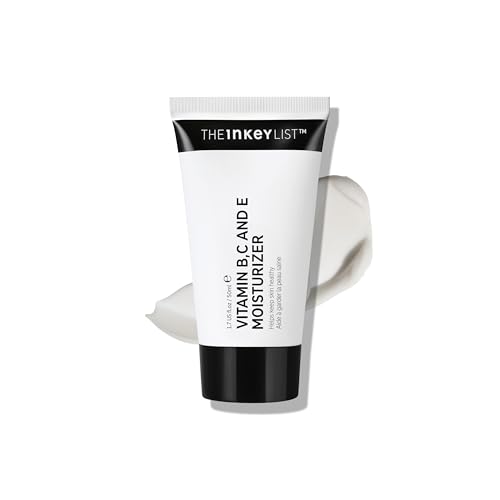
The Inkey List
Vitamin B
moisturizer · 50 ml · 22 ingredients
£7.99Amazon UK
- Fragrance-free
- No essential oils
- With vitamin C
- With niacinamide
- With hyaluronic acid

Caudalie
Vinoperfect Dark Spot Niacinamide Moisturizer
moisturizer · 50 ml · 29 ingredients
£39.00Amazon UK
- No essential oils
- With peptides
- With niacinamide
- With hyaluronic acid
Amazon UK prices as of 6 November 2026, 06:19 GMT; Amazon sets the final price at checkout.
Frequently asked questions
What is the current evidence on estrogen and skin collagen in 2026?
The evidence base remains consistent and well established. Controlled studies document approximately 30% collagen loss in the first five years after menopause, with ~2% annual loss thereafter. The mechanisms — estrogen receptor-mediated fibroblast stimulation (synthesis) and MMP suppression (prevention of degradation) — are confirmed by molecular and clinical research. Studies showing oral estrogen therapy increasing dermal thickness by 30% in one year and skin collagen by 6.49% in six months are not new but have been replicated. No new research has fundamentally changed this picture. The clinical guidance remains: protect existing collagen with SPF and retinoids, and discuss systemic or topical estrogen therapy with a physician where appropriate.
How quickly does skin collagen decline after menopause?
The decline is rapid compared to pre-menopausal rates. Approximately 30% of skin collagen is lost in the first five years after menopause — a rate of around 6% per year in that early window. After this initial accelerated phase, the rate settles at approximately 2% per year of remaining collagen. This means that in 10 years post-menopause, a woman may have lost close to 40–50% of the collagen she had at the transition — accounting for both the early acceleration and the ongoing gradual loss.
Can diet support collagen production after menopause?
Diet can support the raw material inputs for collagen synthesis, though it cannot substitute for the fibroblast-stimulating effect of estrogen. Adequate dietary protein provides the amino acids (particularly glycine, proline, and hydroxyproline) that form collagen. Vitamin C is a required cofactor for collagen triple helix formation — deficiency impairs collagen synthesis regardless of fibroblast activity. Adequate zinc supports collagen cross-linking enzymes. Foods rich in antioxidants can reduce the oxidative stress that activates MMP-driven collagen degradation. However, a well-balanced diet is supportive infrastructure rather than a substitute for evidence-based interventions like retinoids and SPF.
Are collagen supplements effective for post-menopausal skin?
The evidence for oral collagen supplementation has improved in recent years but is still considered preliminary to moderate. Hydrolyzed collagen peptides (5–10g daily) appear to increase skin hydration and elasticity in some RCTs, with effects more pronounced in older women. The proposed mechanism is that absorbed collagen-derived peptides signal fibroblasts to produce more endogenous collagen — not that dietary collagen is incorporated directly into skin. The evidence does not yet match the strength of topical retinoids or SPF for structural collagen preservation, but supplementation is low-risk and may have a modest supporting role. Look for products with peer-reviewed clinical data, not just marketing claims.
Is topical estrogen an option for skin aging without systemic hormone therapy?
Topical (cutaneous) estrogen is an active area of clinical interest but is not yet a standard first-line recommendation for aesthetic skin aging in most guidelines. Topical estradiol applied to the face has been shown in studies to increase procollagen I synthesis and improve skin thickness. However, even topical application results in some systemic absorption. The safety profile relative to systemic HT depends on concentration, application area, and individual medical history. This is a physician-level conversation — not an OTC option. Women interested in this approach should discuss it with a dermatologist or gynecologist who can assess their individual risk profile.
Health information, not medical advice.
Beauty Comparison is an independent editorial publication. This page is researched and sourced to the authorities listed below, but it is general information — not a diagnosis or a substitute for personalised advice from a qualified doctor, dermatologist or pharmacist. If your symptoms are severe, spreading, painful, or not improving, see a healthcare professional.Sources
- 01Estrogens and Aging Skin — PubMed Central / Dermato-Endocrinology (PMC3772914), 2013-07-01. Skin thickness declines 1.13% per postmenopausal year; collagen content falls 2% per year; Type I and III collagen decline ~30% in first 5 post-menopausal years; oral estrogen increased dermal thickness 30% in 1 year; oral estrogen increased skin collagen 6.49% in 6 months; topical estradiol increased procollagen I in elderly subjects; women on estrogen replacement: RR 0.68 pressure ulcers, RR 0.65 venous ulceration.
- 02Targeting Estrogen Signaling and Biosynthesis for Aged Skin Repair — PubMed Central / PMC10645088, 2023-10-01. Estrogen regulates skin aging through ERα and ERβ in keratinocytes, fibroblasts, melanocytes, and sebaceous glands; estrogen deficiency elevates MMP activity causing collagen degradation; estrogen suppresses MMP-1 and MMP-3; estrogen deficiency linked to altered oxidative state and impaired angiogenesis.
- 03Menopause and the Skin: Old Favorites and New Innovations in Cosmeceuticals for Estrogen-Deficient Skin — PubMed Central / Dermatology and Therapy (PMC7859014), 2021-01-01. Estrogen receptors expressed in keratinocytes, fibroblasts, melanocytes, hair follicles, and sebaceous glands; estrogen deficiency drives dryness, wrinkles, atrophy, impaired wound healing, and reduced vascularity via combined collagen synthesis reduction and MMP elevation; SERMs and phytoestrogens as emerging topical alternatives.
- 04Sex Hormones and Skin Collagen Content in Postmenopausal Women — PubMed Central / PMC1549492, 1983-01-01. Landmark biopsy study: mean collagen content 48% greater in postmenopausal women treated with estrogen and testosterone implants for 2–10 years versus untreated age-matched controls; estrogen/testosterone prevents the collagen decrease that occurs with aging after menopause.
- 05Beneficial Regulation of Type I Collagen and MMP-1 Expression by Estrogen — PubMed Central / PMC3456089, 2012-01-01. Estrogen directly upregulates Type I collagen gene expression in dermal fibroblasts via ERα/β activation; simultaneously suppresses MMP-1 (interstitial collagenase) expression; dual mechanism of both increasing synthesis and reducing degradation of dermal collagen.