Perimenopause Skin Changes: What Happens & How to Adapt
The short answer
Perimenopause causes measurable collagen loss, dryness, thinning.
What Is Perimenopause, and Why Does It Affect the Skin?
Perimenopause is the transitional phase before menopause — typically lasting 4 to 8 years — during which ovarian hormone production becomes irregular and eventually declines. Menopause itself is defined as the complete cessation of menstrual periods for 12 consecutive months; perimenopause is everything leading up to that point.
The skin is a genuine hormonal organ. Estrogen receptors (ERα and ERβ) are expressed in keratinocytes, dermal fibroblasts, melanocytes, hair follicles, and sebaceous glands. When estrogen levels fluctuate and fall during perimenopause, the effects ripple through every layer of the skin — epidermis, dermis, and the glandular structures within it.
The perimenopausal transition also brings declining progesterone (which supports dermal water retention and extracellular matrix formation) and testosterone (which supports sebum production and cutaneous blood supply). The combined hormonal withdrawal creates a pattern of skin changes that is predictable, measurable, and — importantly — largely addressable.
The Collagen Clock: What the Numbers Mean
The most clinically significant structural change during perimenopause and early menopause is accelerated collagen loss. Research published in peer-reviewed literature documents this with unusual precision:
- ~30% of skin collagen is lost in the first five years after menopause begins
- ~2% of remaining collagen is lost every subsequent year
- Skin thickness declines by approximately 1.13% per postmenopausal year
Collagen (primarily Types I and III in the dermis) provides tensile strength and volume to skin. Elastin provides rebound. Glycosaminoglycans — including hyaluronic acid — hold water in the dermis. Estrogen upregulates production of all three, and stimulates fibroblast activity that maintains the extracellular matrix. Falling estrogen simultaneously depresses synthesis and elevates matrix metalloproteinases (MMPs) — the enzymes that degrade collagen — accelerating net collagen loss from both directions.
The result is skin that becomes visibly thinner, looser, more wrinkled, and drier over a compressed timeframe. This is not simply chronological aging; it is a hormonally accelerated version of the same process, and the timeline is tight enough that many women notice visible changes within 12–24 months of the menopausal transition.
Perimenopause Skin Changes: What to Expect and When
Skin changes during perimenopause do not wait for menopause to be complete — they begin during the transition itself, as estrogen fluctuates. The pattern is individual, but the following changes are well documented:
Increased Dryness and Sensitivity
Estrogen stimulates epidermal lipid production, the synthesis of hyaluronic acid in the dermis, and the expression of aquaporin water channels in skin cells. Falling estrogen reduces all of these, increasing transepidermal water loss (TEWL) and reducing the skin's capacity to retain moisture. The sensation is dry, tight, sometimes itchy skin — even in women who had previously oily or combination skin.
The epidermal barrier becomes less efficient, making skin more reactive to products and environmental exposures it previously tolerated. Fragrance, certain preservatives, and actives that were previously well tolerated may now cause irritation.
Thinning and Loss of Firmness
The dermis loses thickness as collagen and elastin decline. Capillary density falls, reducing the skin's vascularity and contributing to a duller, less "lit from within" appearance. The subcutaneous fat layer also shifts distribution during this period, which affects facial volume.
Wrinkle Progression
Changes in skin rigidity — which may precede visible wrinkle deepening — are among the earliest measurable signs of estrogen deprivation. Estrogen maintains the cross-linking of collagen fibers; without it, the architecture becomes looser and less resilient. Fine lines deepen, and new lines form in areas of repeated movement.
Altered Sebum Production and Acne
Most women experience reduced sebum production during perimenopause as declining estrogen and testosterone lower the activity of sebaceous glands. This contributes to the dryness pattern above.
However, a subset of women — particularly those in the earlier stages of perimenopause when estrogen is fluctuating rather than in steady decline — experience new or worsened hormonal acne. Breakouts typically concentrate along the jaw, chin, and lower face, driven by the relative dominance of androgens as estrogen fluctuates downward. This adult hormonal acne pattern requires a different management approach than the dryness most women encounter.
Hyperpigmentation
Estrogen influences melanocyte activity. The hormonal fluctuations of perimenopause can trigger or worsen melasma (hormonally driven pigmentation, typically on the upper lip, cheeks, and forehead), particularly in women with genetic susceptibility or sun exposure history. Progesterone also plays a role. Conversely, some women notice areas of fading or uneven pigmentation as melanocyte regulation changes.
Impaired Wound Healing
Estrogen supports angiogenesis (new blood vessel formation) and immune responses in the skin. Estrogen-deficient skin is slower to heal from minor cuts, abrasions, and cosmetic procedures. Women over 65 taking estrogen replacement have been shown to have a reduced risk of pressure ulcers (relative risk 0.68) and venous ulceration (relative risk 0.65) compared to those not using hormone therapy, illustrating the magnitude of this effect.
When Does It Start? Perimenopause vs. Menopause
Skin changes do not appear suddenly at the 12-month mark that defines menopause. Evidence indicates that cutaneous changes begin during the perimenopausal transition itself — while periods are still occurring — because falling and fluctuating estrogen has measurable skin effects well before final cessation.
Most women notice the first skin changes in their mid-to-late 40s, though the range is wide (some women enter perimenopause in their early 40s). Vasomotor symptoms (hot flashes) persist on average 7.4 years in affected women — and skin changes track a similar timeline.
Management: What Actually Helps
Skincare Fundamentals During Perimenopause
Barrier-first formulations become the most important skincare priority as perimenopausal skin becomes drier and more reactive. Look for:
- Ceramides (ceramide NP, AP, EOP) — restore the lipid structure of the epidermal barrier
- Hyaluronic acid — a humectant that holds water in the outer skin layers; use on damp skin and seal with a moisturizer
- Peptides — collagen-stimulating peptides (palmitoyl pentapeptide-4, matrixyl) have emerging evidence for supporting dermal matrix production in aging skin
- Niacinamide — reduces redness, improves barrier function, inhibits melanin transfer (useful for emerging hyperpigmentation)
Gentle cleansers — cream or low-foaming formulae that do not strip the altered lipid barrier; avoid high-pH soaps and harsh scrubs.
Topical Retinoids
Topical retinoids (retinol and prescription tretinoin) are the most evidence-backed OTC and prescription options for reversing structural skin aging. They work by activating nuclear RAR receptors to stimulate fibroblasts, increase collagen synthesis, accelerate cell turnover, and inhibit MMP activity. They are as relevant during perimenopause as at any other stage of life — arguably more so, given the accelerated collagen loss of this period.
Start at low concentrations (0.025%–0.1% retinol) applied 2–3 nights per week and build slowly. Perimenopausal skin's reduced barrier function can make initial retinoid irritation more pronounced — the sandwich method (moisturizer → retinol → moisturizer) helps manage this. See retinol for the full protocol.
Broad-Spectrum SPF 30+
Solar UV radiation degrades collagen via MMP activation, generates free radicals, and drives hyperpigmentation — all processes that are already accelerated by estrogen deficiency. Daily broad-spectrum sunscreen is not optional during perimenopause; it is the single intervention with the strongest and most consistent evidence for preventing further accelerated skin aging.
Hormone Therapy: The Evidence
For women with significant menopausal symptoms for whom hormone therapy (HT) is medically appropriate, the evidence for direct skin benefit is substantial:
- One year of oral estrogen therapy increased dermal thickness by 30% in one study of postmenopausal women
- Six months of oral estrogen increased skin collagen by 6.49% in another controlled study
- Topical estradiol applied to skin significantly increased type I procollagen production
- Long-term oral estrogen use correlates with significantly lower average wrinkle scores versus never-treated groups
Hormone therapy decisions involve risk-benefit assessment of an individual's full medical history, including cardiovascular risk, breast cancer risk, and personal history. This is a conversation between a woman and her physician or gynecologist — not a decision made on the basis of skincare goals alone. A dermatologist can advise on the topical evidence and complement systemic management.
For Hormonal Acne
Perimenopausal hormonal acne — concentrated on the jaw and chin — typically responds better to hormonal management than to topical acne treatments alone. Spironolactone (an anti-androgen) is widely used off-label for this indication. Combined oral contraceptives may also be considered where not contraindicated. Topical adapalene (a retinoid) and azelaic acid are useful OTC additions. See a dermatologist if acne is new, unexpected, or not responding to standard measures.
Professional Treatments
Expert panels identify injectable hyaluronic acid fillers, poly-L-lactic acid (a biostimulator), and CO₂ laser resurfacing as effective procedural interventions for perimenopausal skin structural changes. Chemical peels and microneedling with RF (radiofrequency) also have supporting evidence for stimulating collagen remodeling. These are adjuncts to, not substitutes for, a solid daily skincare foundation.
Summary Comparison: Perimenopausal Skin Changes vs. Adaptive Skincare
| Change | Mechanism | Skincare Response |
|---|---|---|
| Increased dryness | ↓ Epidermal lipids, ↓ hyaluronic acid | Ceramide moisturizer, HA serum |
| Thinning and loss of firmness | ↓ Collagen, ↓ elastin | Retinoid, peptides |
| Deeper wrinkles | ↑ MMP activity, ↓ collagen cross-linking | Retinoid + SPF |
| Dullness | ↓ Vascularity | Vitamin C (antioxidant), SPF |
| Hyperpigmentation / melasma | Altered melanocyte activity | SPF + azelaic acid / niacinamide |
| Jaw/chin acne | Estrogen-androgen ratio shifts | Spironolactone / retinoid |
| Increased sensitivity | Impaired barrier function | Fragrance-free, ceramide-rich formulas |
Products that fit: mature skin
Picked by code from each product's full ingredient list.

Medik8
Advanced Pro-Collagen+ Peptide Cream
moisturizer · 50 ml · 56 ingredients
- Fragrance-free
- No essential oils
- With peptides
- With vitamin C
- With ceramides

Beauty of Joseon
Dynasty Cream Hydrating Face Moisturizer
moisturizer · 100 ml · 37 ingredients
- Fragrance-free
- No essential oils
- With niacinamide
- With ceramides
- With hyaluronic acid
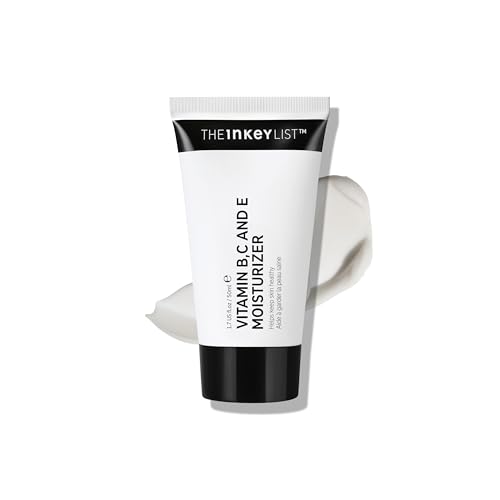
The Inkey List
Vitamin B
moisturizer · 50 ml · 22 ingredients
- Fragrance-free
- No essential oils
- With vitamin C
- With niacinamide
- With hyaluronic acid

Caudalie
Vinoperfect Dark Spot Niacinamide Moisturizer
moisturizer · 50 ml · 29 ingredients
- No essential oils
- With peptides
- With niacinamide
- With hyaluronic acid
When to see a professional
See a dermatologist if skin changes are rapid or severe, new acne is not resolving with OTC management, significant new pigmentation (particularly melasma) develops, persistent itching occurs, known skin conditions such as rosacea or eczema worsen, or if you want to explore prescription options (tretinoin, topical estrogen, hormonal therapies). A gynecologist should be consulted to evaluate the full picture of menopausal symptoms and discuss the appropriateness of hormone therapy.
Frequently asked questions
What skin changes are most common during perimenopause in 2026?
The most consistently documented perimenopausal skin changes are: increased dryness and itching (from reduced epidermal lipid production and lower hyaluronic acid synthesis); skin thinning (from collagen and elastin decline); deepening wrinkles and loss of elasticity; duller skin tone (from reduced vascularity); and, in some women, new hormonal acne along the jawline and chin. Hyperpigmentation and melasma may also worsen due to fluctuating estrogen and melanocyte stimulation. These changes often begin before periods stop entirely.
Is perimenopause-related skin aging different from normal chronological aging?
Yes — and the difference is clinically significant. Chronological skin aging is gradual, occurring at a roughly constant rate throughout adulthood. Perimenopausal skin aging is accelerated by the rapid hormonal withdrawal. Women lose approximately 30% of their skin's collagen in just the first five years after menopause begins — a rate of loss that is far faster than anything driven by age alone. This acceleration is why many women notice sudden, pronounced changes in their skin during their late 40s and early 50s that feel disproportionate to the time elapsed.
Can skincare products really replace what estrogen does for the skin?
Skincare can meaningfully counteract many perimenopausal skin changes, but it cannot fully replicate estrogen's effects. Topical retinoids come closest to matching some of estrogen's mechanisms — they stimulate collagen synthesis, inhibit MMP-driven collagen degradation, and accelerate cell turnover. Hyaluronic acid serums, ceramide-rich moisturizers, and peptides address hydration and barrier function. However, the structural changes driven by systemic estrogen deficiency — particularly dermal thinning and collagen loss — are best addressed by discussing hormone therapy with a physician if appropriate. Topical skincare and medical treatment are complementary, not competing options.
Why am I getting acne during perimenopause when my skin is also dry?
This seeming contradiction is common and reflects the hormonal complexity of perimenopause. Estrogen has both oil-reducing and skin-protecting effects. As estrogen levels fluctuate (and sometimes as they initially fall, before reaching a sustained low), the balance between estrogen and androgens shifts. Androgens drive sebaceous gland activity; with less estrogen to counteract them, some women experience episodes of excess oil and breakouts — typically along the jaw and chin — even while the rest of the face is drier than before. This is adult hormonal acne, and it is treated differently from simple dryness: gentle hydrating skincare plus, if needed, a hormonal treatment like spironolactone rather than drying acne products that worsen the underlying dryness.
When should I see a dermatologist about perimenopausal skin changes?
See a dermatologist if: skin changes are severe or rapidly progressive; you develop new acne that is not responding to standard OTC measures; you notice significant new pigmentation (particularly melasma) or brown spots; your skin is itching persistently (pruritus can reflect both hormonal and dermatological causes); you have a personal history of skin conditions such as eczema or rosacea that seem to be worsening; or you have questions about whether a prescription retinoid or topical estrogen might be appropriate for you. A dermatologist and a gynecologist working together provides the most complete management of perimenopausal skin.
Health information, not medical advice.
Beauty Comparison is an independent editorial publication. This page is researched and sourced to the authorities listed below, but it is general information — not a diagnosis or a substitute for personalised advice from a qualified doctor, dermatologist or pharmacist. If your symptoms are severe, spreading, painful, or not improving, see a healthcare professional.Sources
- 01Aesthetic Treatment Considerations for the Perimenopausal & Menopausal Patient — PubMed Central / PMC12747467, 2025-01-01. Perimenopause lasts 4–8 years; women lose approximately 30% of skin collagen in the first 5 years after menopause; ~2% annual collagen loss thereafter; expert panel identifies HRT, topical estrogen, poly-L-lactic acid, HA fillers, and CO₂ laser as most effective interventions.
- 02Estrogens and Aging Skin — PubMed Central / Dermato-Endocrinology (PMC3772914), 2013-07-01. Skin thickness declines 1.13% per postmenopausal year; collagen content falls 2% annually; one year of oral estrogen increased dermal thickness by 30%; six months of oral estrogen increased skin collagen by 6.49%; women over 65 on estrogen replacement had RR 0.68 for pressure ulcers and RR 0.65 for venous ulceration.
- 03Menopause and the Skin: Old Favorites and New Innovations in Cosmeceuticals for Estrogen-Deficient Skin — PubMed Central / Dermatology and Therapy (PMC7859014), 2021-01-01. Estrogen receptors present in keratinocytes, fibroblasts, melanocytes, hair follicles, and sebaceous glands; estrogen deficiency leads to collagen loss, reduced vascularity, impaired wound healing, increased MMP activity; skin changes begin during perimenopause before menopause is complete.
- 04Skin Collagen Changes in Postmenopausal Women Receiving Different Regimens of Estrogen Therapy — PubMed / Obstetrics & Gynecology (PMID 3601260), 1987-03-01. Controlled study showing measurable differences in skin collagen content between postmenopausal women receiving estrogen therapy versus untreated controls; collagen content can be partially restored by estrogen treatment.
- 05Skin Wrinkles and Rigidity in Early Postmenopausal Women — PubMed Central / American Journal of Obstetrics and Gynecology (PMC3026089), 2011-01-01. Skin rigidity is an early marker of estrogen deprivation; changes in rigidity reflect collagen and water content alterations that occur rapidly in response to estrogen withdrawal; wrinkles may represent damage not immediately responsive to estrogen treatment.
- 06Dermatoses in the Perimenopausal Population — PubMed Central / PMC4604670, 2015-01-01. Decreased estrogen causes reduced epidermal differentiation, diminished melanin secretion, decreased collagen IV and VII production, and reduced lipogenesis; skin changes are detectable during perimenopause before complete menopause; eczematous disorders, urticaria, and papulosquamous conditions are common in this population.