Hyperpigmentation on Dark Skin Tones: What Actually Works
The short answer
For dark skin tones, azelaic acid, niacinamide, tranexamic acid.
Why Hyperpigmentation Is a Different Problem in Dark Skin
To understand why hyperpigmentation in Fitzpatrick skin types IV–VI behaves differently, you need to understand what is biologically distinct about melanocytes in melanin-rich skin:
More reactive melanocytes. Melanocytes in darker skin tones are more sensitive to UV radiation, hormonal signals, and inflammatory mediators — they respond to the same stimulus with a greater melanin output than melanocytes in lighter skin. A trigger that produces a small, temporary brown spot in type II skin can produce a large, dark, persistent mark in type V skin.
Deeper melanin deposition. In lighter skin, post-inflammatory melanin tends to deposit primarily in the epidermis — the top layer, where cell turnover brings pigment to the surface and sheds it within months. In deeper skin tones, the same inflammatory event deposits melanin into the dermis — the deeper structural layer. Dermal melanin resides in melanophage cells that are not shed through normal cell turnover and are not reachable by most topical brighteners. Dermal PIH appears gray, grayish-brown, or ashen rather than brown, and can persist for years without targeted treatment.
Higher melanin stability. The eumelanin that dominates in darker skin tones is more photostable than the phaeomelanin more common in lighter skin — meaning it degrades more slowly in UV light and resists natural fading more effectively.
Greater sensitivity to treatment-induced PIH. Ironically, many of the aggressive treatments used to remove hyperpigmentation can trigger more PIH in darker skin. Any treatment that causes significant inflammation — including chemical burns from peels that are too strong, laser settings that damage the epidermis, or abrasive procedures — stimulates more melanocyte activity and can produce PIH that is worse than what was being treated.
This biological reality is not a limitation — it is a starting point for choosing the right treatments in the right sequence.
Common Types in Darker Skin Tones
Post-Inflammatory Hyperpigmentation (PIH)
The most common form in Fitzpatrick types IV–VI, and often the primary dermatological concern in these patients. Sources include:
- Acne — PIH from acne affects over 65% of patients globally, with rates approaching 85–90% in darker skin. The mark left by a single papule can be darker than surrounding skin by several shades and persist for 12–24 months.
- Eczema — Chronic scratching and rubbing in eczema-prone skin of color produces widespread PIH that can coexist with active disease.
- Ingrown hairs and folliculitis — Common in Black hair textures; each ingrown hair can leave a PIH mark.
- Physical trauma — Scratches, insect bites, and burns produce more pronounced and longer-lasting marks.
Full details in the Post-Inflammatory Hyperpigmentation guide.
Melasma
Melasma affects all skin tones but is significantly more prevalent and more pronounced in Fitzpatrick types III–V. The hormonal and UV triggers are the same, but the melasma is often mixed-depth (epidermal and dermal) in darker skin, making it harder to treat and more likely to recur after UV re-exposure. Full guide at Melasma Treatment.
Periorbital Hyperpigmentation
Darkening around the eye area — the "dark circles" — is common in South Asian, African, and Middle Eastern individuals as an inheritable trait reflecting periorbital melanin deposition, not just vascular or structural factors. Topical treatments (kojic acid, vitamin C) have limited efficacy for this type; filler or laser address the structural component in some cases.
Acanthosis Nigricans
Velvety, dark thickening of skin in body folds (neck, armpits, groin) associated with insulin resistance, obesity, or certain medications. More visible in darker skin. Not a cosmetic pigmentation issue — signals a need for metabolic evaluation. Dermatologist referral is appropriate.
The Safety Hierarchy: Graded by Risk in Darker Skin
Lowest Risk — Always Appropriate
Tinted broad-spectrum SPF 50+ with iron oxides Standard sunscreens block UV-A and UV-B but not visible blue-violet light (380–500 nm range), which independently triggers melanogenesis in melanin-rich skin. Tinted mineral formulations with iron oxides absorb visible light and provide superior protection for Fitzpatrick types IV–VI compared to untinted SPF alone. Apply generously every morning; reapply if outdoors.
Niacinamide (5–10%) One of the safest brightening actives for all skin tones. Inhibits melanosome transfer from melanocytes to surrounding keratinocytes. No irritation risk, no photosensitizing effect, suitable for morning and evening use. Multiple clinical trials confirm visible improvement over 8–12 weeks. Often included in day creams, toners, and moisturizers — easy to incorporate.
Azelaic acid (10–20%) A dermatologist favorite specifically for skin of color because it selectively inhibits overactive melanocytes without affecting normal melanin production. This targeted action means it lightens the dark marks without lightening the surrounding skin — a critically desirable property for deeper skin tones where over-depigmentation (leaving pale patches) is a real risk with broad-spectrum inhibitors. Anti-inflammatory and antibacterial properties make it doubly useful if PIH is caused by acne or rosacea. Safe in pregnancy. Start with 10% OTC; prescription 20% is more potent.
Tranexamic acid (topical 2–5%) Disrupts the keratinocyte-melanocyte signaling pathway that drives melanin overproduction in response to inflammation. Increasingly popular in Korean and Japanese skincare for hyperpigmentation — multiple RCTs confirm efficacy with excellent tolerability across all skin tones. Well suited as an evening treatment active. Full details in the Tranexamic Acid Guide.
Alpha-arbutin (1–2%) Converts to hydroquinone at the skin surface with fewer systemic concerns. Well tolerated, suitable for daily use, effective tyrosinase inhibitor. Good evidence for use in darker skin tones. See the Alpha-Arbutin Guide.
Vitamin C (L-ascorbic acid, 10–20%) Tyrosinase inhibitor and powerful antioxidant best used in the morning before SPF. Particularly useful for UV protection amplification in darker skin, where even incidental UV significantly drives melanogenesis. Must be in a stable, opaque packaging to preserve efficacy.
Moderate Risk — Use Under Guidance
Prescription hydroquinone 4% The most studied topical brightener and highly effective across all skin tones. The specific risk in Fitzpatrick types V–VI is exogenous ochronosis — a paradoxical permanent blue-black pigmentation that occurs with prolonged, uninterrupted use (typically months to years of daily application without breaks). This is manageable by following timed treatment cycles: 3–4 months of use, 2 months off, under dermatologist supervision. Used correctly, hydroquinone is safe and effective in darker skin. Avoid indefinite continuous use. Not for pregnancy.
Prescription retinoids (tretinoin 0.025–0.05%) Highly effective for PIH (accelerates cell turnover, reduces pigment residence time, inhibits tyrosinase). The risk in darker skin is retinoid-induced dermatitis — if the retinoid causes significant barrier disruption and inflammation, this directly triggers more PIH in the treated area. Introduction must be significantly more gradual than in lighter skin: start at the lowest available concentration (0.025% tretinoin or OTC retinol 0.1%), use only twice weekly for the first 4–6 weeks, and always combine with a barrier-supporting moisturizer and strict SPF. Never use retinoids on already irritated or compromised skin.
OTC AHAs (glycolic, lactic acid, low concentration) Accelerate cell turnover and improve the absorption of other actives. At low concentrations (5–8% glycolic, 5% lactic), they are well tolerated. Higher concentrations (15%+ glycolic) increase the risk of irritation-driven PIH in darker skin. Always patch test, introduce slowly, and never combine with retinoids on the same night when starting.
Higher Risk — Professional Guidance Required
Prescription-strength chemical peels The depth and type of peel must be selected carefully by an experienced provider:
- Superficial peels (20–35% glycolic, 20–30% salicylic, Jessner's): acceptable in dark skin tones with proper pre-conditioning (4–6 weeks of topical brighteners to reduce baseline melanocyte reactivity) and expert application.
- Medium-depth peels (35–70% TCA, higher-concentration glycolic): carry substantial PIH risk in Fitzpatrick types IV–VI. Not recommended as first-line.
- Deep peels (Baker-Gordon phenol): contraindicated in dark skin tones — permanent hypopigmentation is a common outcome.
Laser and light therapies Laser safety in darker skin is not a question of "whether" but "which wavelength" and "at what settings":
| Laser Type | Safety in Dark Skin | Notes |
|---|---|---|
| Q-switched Nd:YAG 1064 nm | Best tolerated | Deepest penetration, least epidermal absorption |
| Picosecond 1064 nm | Well tolerated | Growing evidence for melasma and PIH |
| IPL (intense pulsed light) | Higher risk | Broad spectrum — risk of epidermal burns in Fitzpatrick V–VI |
| Fractional ablative (CO2, Er:YAG) | High risk | Significant PIH risk without careful settings and post-care |
| Q-switched 532 nm | High risk | Wavelength absorbed more strongly by epidermis |
The critical point: seek a dermatologist with specific training and documented experience in treating Fitzpatrick types IV–VI. The consequences of mismatched laser treatment in darker skin can include post-procedural PIH, hypopigmentation, and scarring — all worse outcomes than the original concern.
Building a Regimen: What to Layer and When
A well-constructed regimen for hyperpigmentation in darker skin tones addresses multiple steps of melanogenesis without compounding irritation risk:
Morning:
- Gentle, fragrance-free cleanser
- Vitamin C serum (10–20% L-ascorbic acid) — or tranexamic acid serum if vitamin C is irritating
- Niacinamide moisturizer (5–10%) — or standalone niacinamide treatment
- Tinted SPF 50+ mineral sunscreen with iron oxides
Evening:
- Double cleanse (oil cleanser + water-based cleanser, especially if wearing SPF)
- Azelaic acid 10–20% — or niacinamide + tranexamic acid combination if azelaic acid is unavailable
- 2–4 nights per week: retinol (start at 0.1%, build very slowly) — not on the same nights as any acid
- Ceramide-rich moisturizer
Build in this sequence:
- Start with SPF + niacinamide for 2 weeks — your baseline
- Add vitamin C in the morning — 2 weeks
- Add azelaic acid at night — 2 weeks
- Then introduce retinol twice weekly, building over 8–12 weeks
Never introduce more than one new active at a time. This slow layering prevents over-irritation and makes it easy to identify what is causing any reaction.
Ingredients to Limit or Avoid
| Ingredient | Risk in Darker Skin | Safer Alternative |
|---|---|---|
| High-strength AHAs (>15% glycolic) | Barrier disruption → PIH | 5–8% glycolic or lactic acid |
| Benzoyl peroxide (leave-on) | Drying; potential PIH trigger | Azelaic acid (equivalent antibacterial) |
| Retinoids at high frequency from the start | Retinoid dermatitis → PIH | Start twice weekly at lowest concentration |
| Harsh physical scrubs | Micro-trauma → PIH | Chemical exfoliation only |
| Unguided medium-depth peels | High PIH risk | Superficial peels + topical pre-conditioning |
| Essential oils (tea tree neat, lemon) | Phototoxic / irritant | None recommended neat on skin |
When to See a Dermatologist
Self-managing mild hyperpigmentation with the regimen above is reasonable. Seek a dermatologist — ideally one with expertise in skin of color — if:
- PIH is not improving after 3 consistent months of SPF + azelaic acid + niacinamide
- You want to consider prescription hydroquinone or tretinoin
- You are considering any professional procedure
- Hyperpigmentation is widespread, rapidly worsening, or accompanied by other skin changes
- Melasma is the primary concern (more complex treatment required)
- Any pigmented lesion is asymmetric, has irregular borders, or is changing rapidly (rule out melanoma)
Products that fit: dark spots and uneven tone
Picked by code from each product's full ingredient list.

Anua
Peach 70 Niacinamide Serum
serum · 30 ml · 45 ingredients
- No essential oils
- With vitamin C
- With niacinamide
- With alpha arbutin
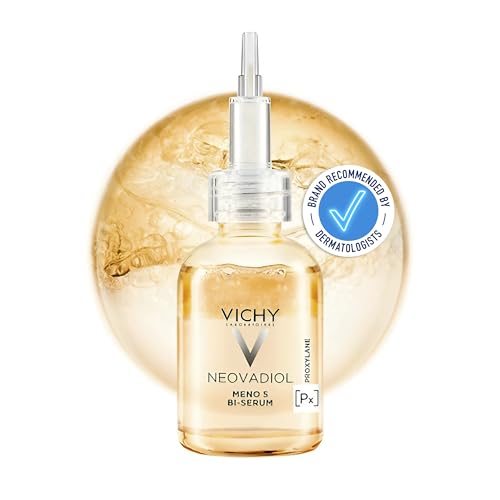
Vichy
Neovadiol Meno 5 Bi-Serum
serum · 2.4 l · 23 ingredients
- No essential oils
- With vitamin C
- With niacinamide
- With glycolic acid

Catrice
Glow Super Vitamin Serum
serum · 30 ml · 26 ingredients
- Fragrance-free
- No essential oils
- With vitamin C
- With niacinamide

Paula's Choice
Clinical 20% Niacinamide Treatment
serum · 20 ml · 26 ingredients
- Fragrance-free
- No essential oils
- With vitamin C
- With niacinamide
Frequently asked questions
What does the evidence say about the safest brightening ingredients for dark skin in 2026?
The strongest 2026 evidence for safety and efficacy in Fitzpatrick types IV–VI supports azelaic acid, niacinamide, tranexamic acid, and alpha-arbutin as first-line topical treatments. Azelaic acid is particularly favored by dermatologists specializing in skin of color because of its selective action on overactive melanocytes — it does not risk over-lightening the surrounding skin. Multiple RCTs confirm tranexamic acid's efficacy for PIH and melasma with an excellent tolerability profile. Tinted sunscreens with iron oxides are now a clinical recommendation, not just a cosmetic preference, based on trials showing significantly better melasma outcomes compared to standard SPF.
Is hydroquinone safe for dark skin tones?
Yes, when used in properly supervised timed cycles. Hydroquinone 2–4% is effective for PIH and melasma in all skin tones including Fitzpatrick V–VI, and is used safely by dermatologists worldwide. The specific risk in darker skin — exogenous ochronosis — occurs with prolonged, uninterrupted use over many months to years. Following the standard protocol (3–4 month treatment cycles, 2-month breaks, under dermatologist guidance) eliminates the conditions for this complication. If ochronosis is a concern, azelaic acid is an effective alternative with no such risk.
Why does my dark skin seem to have more dark spots than my lighter-skinned friends?
Because your melanocytes are biologically more reactive. The same inflammatory trigger — an acne papule, an insect bite, or friction — stimulates your melanocytes to produce more melanin, and to deposit it more deeply (into the dermis, not just the epidermis), than it would in lighter skin. This is not a flaw — it reflects the greater melanin density that also confers natural protection against UV-induced skin cancer. But it does mean hyperpigmentation needs more targeted management in darker skin tones.
Can I use retinol if I have dark skin?
Yes — but introduce it more slowly and more cautiously than you would in lighter skin. If retinol causes significant irritation (persistent redness, burning, flaking that does not settle), that barrier disruption can trigger melanocyte activity and produce more PIH in the inflamed area — the opposite of the intended effect. Start at the lowest available retinol concentration (0.1% or lower if possible), use only twice per week for the first 4–6 weeks, always combine with a ceramide moisturizer, and always wear SPF the following morning. If your skin shows any sign of over-irritation, stop for a week and rebuild the barrier before resuming at lower frequency.
Which laser is safest for dark skin tones?
Q-switched Nd:YAG 1064 nm is the most widely used and best-tolerated laser for Fitzpatrick types IV–VI — its long wavelength penetrates more deeply with less absorption by epidermal melanin, reducing the risk of surface burns that trigger post-procedural PIH. Picosecond 1064 nm is a newer option with growing evidence for dark skin. IPL, fractional ablative CO2, and shorter-wavelength Q-switched lasers carry higher risks of epidermal damage and PIH in darker skin. The skill and experience of the provider in treating skin of color matters as much as the device — always verify that your clinician has documented experience with your skin type.
How long will it take for my dark spots to fade?
Surface-level epidermal PIH (tan to brown marks) in darker skin tones typically shows meaningful improvement over 3–6 months of consistent treatment. Deeper, dermal PIH (gray or ashen marks) can take 12–24 months and may require professional procedures to achieve significant fading. Melasma requires indefinite maintenance rather than a fixed treatment period. The most critical variable — in all cases — is consistent, daily broad-spectrum SPF 50+ with iron oxides. Without photoprotection, brightening actives simply cannot overcome continuous UV re-stimulation of reactive melanocytes.
Health information, not medical advice.
Beauty Comparison is an independent editorial publication. This page is researched and sourced to the authorities listed below, but it is general information — not a diagnosis or a substitute for personalised advice from a qualified doctor, dermatologist or pharmacist. If your symptoms are severe, spreading, painful, or not improving, see a healthcare professional.Sources
- 01Hyperpigmentation in skin of color: an overview — PubMed / Journal of Drugs in Dermatology, 2012-11-01. Disproportionate prevalence of hyperpigmentation in Fitzpatrick IV–VI; deeper dermal melanin deposition; higher risk of treatment-induced PIH; azelaic acid and niacinamide preferred first-line; hydroquinone safe in supervised timed cycles.
- 02Dermatological challenges in skin of color — PubMed Central / Dermatology Research and Practice, 2011-03-01. Biological differences in darker skin (melanocyte reactivity, melanosome size and distribution, dermal melanin deposition); risk of PIH from procedures; safety hierarchy for peels and lasers in Fitzpatrick IV–VI.
- 03Management of Hyperpigmentation: Current Treatments and Emerging Therapies — PubMed Central / Dermatology and Therapy, 2021-09-01. Evidence for azelaic acid (selective melanocyte inhibition), niacinamide (melanosome transfer block), tranexamic acid (plasminogen pathway), alpha-arbutin, and combination approaches in hyperpigmentation including skin of color.
- 04Iron oxides in sunscreen improve protection from visible light-induced melasma — PubMed / Journal of the American Academy of Dermatology, 2020-04-01. RCT: tinted SPF 50+ with iron oxides significantly outperforms non-tinted SPF 50+ for melasma by blocking blue-violet visible light that independently triggers melanogenesis — most relevant for Fitzpatrick types III–V.
- 05Laser therapy for hyperpigmented lesions in skin of color — PubMed Central / Journal of Clinical and Aesthetic Dermatology, 2012-10-01. Q-switched Nd:YAG 1064 nm safest laser for Fitzpatrick types IV–VI; higher PIH risk with IPL, fractional ablative, and shorter-wavelength Q-switched lasers; pre-treatment with topical depigmenting agents reduces post-procedure PIH.
- 06Azelaic acid: Properties and mode of action — PubMed / Skin Pharmacology and Physiology, 2014-01-01. Azelaic acid's selective inhibition of abnormally active melanocytes while sparing normal ones — the key property that makes it preferred for hyperpigmentation treatment in darker skin tones where global depigmentation is undesirable.
- 07Niacinamide: A B vitamin that improves aging facial skin appearance — PubMed / Dermatologic Surgery, 2005-07-01. 5% niacinamide reduces hyperpigmentation by blocking melanosome transfer; well tolerated across all skin tones; confirmed in clinical trials over 8 weeks.