Classic vs Hybrid vs Volume Lash Extensions: Which Is Right?
The short answer
Classic extensions add one fiber per lash for a natural look.
The Three Extension Types at a Glance
Lash extensions attach synthetic, silk, or mink-fiber lashes to natural lashes using a semi-permanent adhesive. The three main techniques differ in how many fibers are bonded to each natural lash, the thickness of those fibers, and the visual result.
| Classic | Hybrid | Volume | |
|---|---|---|---|
| Fibers per natural lash | 1 | Mixed (1 + 2–6 fans) | 2–6 (fan) |
| Single-fiber diameter | 0.12–0.15 mm | Mixed | 0.03–0.07 mm |
| Weight per attachment | Moderate | Moderate–low | Low (distributed) |
| Visual result | Natural, defined | Textured, dimensional | Full, dramatic |
| Best for | Healthy, moderately dense lashes | Most lash types | Sparse or fine natural lashes |
| Application time | 1–1.5 hr | 1.5–2 hr | 2–3 hr |
| Fill frequency | Every 2–3 weeks | Every 2–3 weeks | Every 2–3 weeks |
Classic Lash Extensions
A classic set applies one extension per isolated natural lash. This is the foundation of lash extension work — every other technique is a variation on it.
The application: A trained technician isolates a single natural lash with one pair of tweezers while placing a single pre-made extension (glued at the base) with another. The extension is bonded approximately 1–1.5 mm from the eyelid to allow natural lash movement and reduce tension at the follicle.
The aesthetic: Classic lashes add length, curl, and definition. Because the ratio is 1:1, the density of the finished set is limited by how many natural lashes the client has. Clients with fewer than average natural lashes (typically 90–160 per upper lid) may find that a classic set does not deliver the fullness they expect.
Who they suit: Classic extensions are the right choice for clients who:
- Already have relatively full, healthy, and strong natural lashes
- Want a mascara-free "naturally enhanced" look rather than dramatic volume
- Are new to extensions and want to assess adhesive tolerance before committing to more complex sets
Weight consideration: At 0.12–0.15 mm diameter per fiber, classic extensions are the heaviest individual lashes. A single extension that is too long for the natural lash it is bonded to creates a lever-arm effect that stresses the follicle — a key driver of traction alopecia. A skilled technician will map the set so that longer extensions are only placed on longer, stronger natural lashes.
Volume Lash Extensions
Volume technique bonds a hand-made "fan" of 2–6 very fine extensions to each natural lash. The individual fibers are substantially thinner (0.03–0.07 mm) than classic extensions, so the total weight of a fan is comparable to — or less than — a single classic extension, while delivering far more surface coverage.
The application: The technician constructs each fan in real time using ultra-fine pre-made or handmade fans, then bonds the base of the fan to a single isolated natural lash. "Mega volume" applies fans of 7–16 fibers and requires the most technical skill to execute without overloading the natural lashes.
The aesthetic: Volume sets produce a soft, fluffy, dark, uniform fullness that is not achievable with classic technique regardless of extension length. The result is sometimes described as a "powder" or "airbrushed" lash line.
Who they suit: Volume extensions are appropriate for clients who:
- Have naturally sparse, fine, or relatively few natural lashes
- Want a dramatic, full look — closer to a strip lash aesthetic — with extensions
- Have previously had classic sets and want more coverage
Weight consideration: Because volume fans distribute load across multiple contact points on the natural lash — or across clusters of natural lashes when a fan straddles two adjacent lashes — each individual natural follicle bears less mechanical stress than it would from a single thick classic extension, provided the fan is constructed and bonded correctly. Oversized or poorly constructed fans carrying too many fibers can still overload follicles.
Hybrid Lash Extensions
Hybrid is not a defined technical standard — it refers to sets that intentionally mix classic and volume placement in a single application, typically with volume fans placed in areas of lower natural lash density and classic fibers where lashes are stronger or to create defined focal points.
The aesthetic: Hybrid sets typically produce a textured, spiky, multi-dimensional look with more depth than a pure classic set and more structure than a pure volume set. The variation in fiber width creates visible contrast in the lash line.
Who they suit: Hybrid extensions are a good option for:
- Clients with uneven lash density (denser in some areas, sparse in others)
- Those who want more volume than classic but a less uniform look than full volume
- First-time extension clients who want meaningful fullness without the full-volume aesthetic
How to Choose Between the Three
Work through these questions in order:
1. What is my natural lash density? Have the technician assess your natural lash count before committing to a style. Sparse lashes (visible gaps) benefit from volume or hybrid; full natural lashes can support any of the three.
2. What look am I trying to achieve?
- Defined, natural, low-drama: classic
- Fuller, textured, still recognizably "lashes": hybrid
- Bold, uniform, high-density: volume
3. What is my lifestyle? Volume and hybrid sets require the same fill frequency as classic (every 2–3 weeks) but take longer to apply. If maintenance time is limited, a simpler classic set may be more practical.
4. Do I have a history of eye or skin sensitivity? All three extension types use cyanoacrylate-based adhesives with the same risk profile (see Lash Extensions Safety). If you have a history of contact dermatitis, formaldehyde sensitivity, or eye conditions such as blepharitis, discuss these with your technician and consult your ophthalmologist before any extension service.
Aftercare: All Three Types Require the Same Discipline
Regardless of extension type, the maintenance rules are identical:
- Clean daily with a lash-safe, oil-free foam cleanser applied with a soft brush. Failure to cleanse promotes Demodex mite proliferation and blepharitis.
- Avoid oil-based products near the lash line — oils weaken the cyanoacrylate bond and cause premature shedding.
- Do not rub your eyes. Mechanical friction is a primary driver of both premature extension loss and traction damage to natural lashes.
- Sleep on your back or use a silk pillowcase to reduce nighttime friction.
- Do not pick or pull extensions. Forcibly removing an extension can avulse the natural lash from its follicle.
- Fill every 2–3 weeks. Waiting longer allows extensions to grow out and clump, increasing traction stress.
Risks Shared by All Extension Types
The extension type changes the aesthetic but not the fundamental safety profile. Documented risks — reviewed in the peer-reviewed literature — include:
- Allergic contact dermatitis and keratoconjunctivitis from cyanoacrylate adhesive and formaldehyde released during curing. A 2014 PMC case study documented bilateral eyelid contact dermatitis and toxic conjunctivitis from acrylate-containing eyelash glue, requiring two weeks of systemic antihistamines and steroids.
- Traction alopecia — permanent or prolonged follicle damage from extensions that are too heavy or too long for the supporting natural lash. This is the most serious long-term risk across all three extension types.
- Infection from inadequate salon hygiene or damage to the ocular surface during application.
- Demodex proliferation when cleaning is neglected.
See Lash Extensions Safety for the full clinical breakdown and a checklist of what to ask your technician before booking.
When to Avoid Extensions Entirely
Contraindications for any type of lash extension include:
- Active eye infection (conjunctivitis, stye, blepharitis flare)
- Recent eye surgery (consult your surgeon — typically a minimum 3–6 months' healing)
- Severe dry eye disease
- Known allergy or sensitivity to cyanoacrylates or formaldehyde
- Trichotillomania or a compulsive eye-rubbing habit that cannot be interrupted during the healing period
If in doubt, request a patch test at least 48 hours before full application — apply a small amount of adhesive behind the ear or on the inner arm and check for redness, swelling, or itching before proceeding.
Products that fit this guide
Picked by code from each product's full ingredient list.

Catrice
Brow Fix Shaping Wax
brow product · 1 g · 11 ingredients
- Fragrance-free
- No essential oils
Catrice
Drunk'n Diamonds Eyeshadow Stick
eyeshadow · 2.5 g · 17 ingredients
- Fragrance-free
- No essential oils
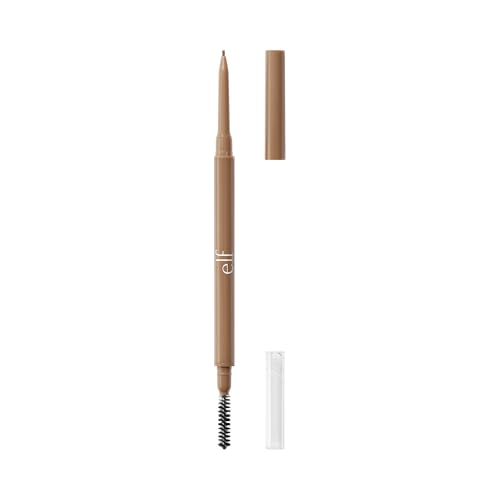
e.l.f.
Micro-Fine Brow Pencil
brow product · 0.03 g · 16 ingredients
£7.75−3%Amazon UK
- Fragrance-free
- No essential oils
- With vitamin E

Essence
All Eyes On Me Waterproof Mascara
mascara · 8 ml · 20 ingredients
- Fragrance-free
- No essential oils
- With glycerin
Amazon UK prices as of 6 November 2026, 04:30 GMT; Amazon sets the final price at checkout.
Frequently asked questions
Are volume or classic extensions safer for natural lashes in 2026?
When applied correctly by a trained technician, volume extensions can actually place less mechanical stress on individual natural lashes than classic extensions, because the weight of each fan is distributed across multiple ultrafine fibers. The critical variable is not the extension type but the skill of application — specifically, that no single natural lash is overloaded with an extension that is too heavy or too long for it. Both types carry the same adhesive-related risks (cyanoacrylate dermatitis, keratoconjunctivitis). Peer-reviewed data published in PubMed support that traction alopecia is driven by improper weight-to-natural-lash ratio, not by extension style per se.
How long do classic, hybrid, and volume extensions last?
All three types follow the same shed cycle: your natural lashes fall out every 60–90 days as part of their natural growth cycle, taking the bonded extension with them. In practice, most clients need fills every 2–3 weeks to keep the set looking complete. The extensions themselves do not fall off ahead of schedule unless the adhesive bond is compromised by oil, mechanical friction, or humidity. Full replacement sets are typically done every 6–8 weeks.
Can I go from classic to volume without removing the current set?
No — a switch from classic to volume requires a full removal of the existing set before application. Classic extensions use thicker fibers that cannot support a volume fan being bonded alongside them, and any attempt to mix them on an existing set risks adhesive contamination and uneven weight distribution. Full removal is also an opportunity to assess the health of the natural lashes underneath before applying a new style.
Do lash extensions damage natural lashes?
When applied and maintained correctly, well-fitted extensions should not cause permanent damage. The mechanism of documented damage is traction alopecia from extensions that are inappropriately heavy or long for the underlying lash, or from clients picking at or rubbing extensions. A 2024 review in the Journal of Cosmetic Dermatology and multiple PMC-indexed case studies confirm that improper application and adhesive reactions — not the extension technique itself — are the primary drivers of natural lash loss.
What is the difference between silk, synthetic, and mink extensions?
Modern lash extensions are almost universally synthetic polyester fibers marketed as 'silk' or 'mink' in finish — true animal mink lashes are rare and largely have been displaced by high-quality synthetic alternatives that mimic their weight and sheen. The marketing terms 'silk' and 'mink' refer to the texture and shine of the fiber, not its biological origin. Material choice affects the aesthetic (mink-finish fibers tend to be lighter and more tapered; silk-finish are glossier) but not the adhesive risks — all are bonded with cyanoacrylate.
How much do classic, hybrid, and volume extensions cost?
Pricing varies by market and technician experience, but as a general range in the US: classic full sets run $100–$200; hybrid sets $130–$250; volume and mega-volume sets $150–$350 for a full application. Fills are typically 40–70% of the full-set price. Volume and hybrid sets cost more primarily because they require significantly more application time (2–3 hours versus 1–1.5 hours for classic).
Health information, not medical advice.
Beauty Comparison is an independent editorial publication. This page is researched and sourced to the authorities listed below, but it is general information — not a diagnosis or a substitute for personalised advice from a qualified doctor, dermatologist or pharmacist. If your symptoms are severe, spreading, painful, or not improving, see a healthcare professional.Sources
- 01Ocular Side Effects of Eyelash Extension Use Among Female Students — PubMed Central / PMC10895549, 2024-02-01. 54% of extension users experienced one or more adverse effects including itching (38%), lash loss (36%), and redness (34%); researchers concluded extension use frequency is associated with ocular side effects.
- 02Bilateral Eyelid Contact Dermatitis and Toxic Conjunctivitis due to Acrylate-Containing Glue — PubMed Central / PMC4135122, 2014-08-01. Case study documenting bilateral eyelid contact dermatitis and toxic conjunctivitis from acrylate-containing false-eyelash adhesive; complete resolution required systemic antihistamine, steroids, and two weeks of treatment.
- 03Eyelash Extension Facts and Safety — American Academy of Ophthalmology (aao.org). AAO identifies risks including allergic reaction, trauma or infection of eyelid or cornea, and permanent or temporary lash loss; recommends patch testing and choosing a qualified professional.
- 04Ocular disorders due to eyelash extensions — PubMed / PMID 22134404, 2012-01-01. All adhesives analyzed contained formaldehyde above threshold; documented ocular disorders included keratoconjunctivitis (64 patients) and allergic blepharitis (42 patients) from eyelash extension adhesives.
- 05Eyelash serums: A comprehensive review — PubMed / Journal of Cosmetic Dermatology / PMID 38475901, 2024-07-01. Review confirms traction alopecia and adhesive-related reactions as documented risks of lash extensions; identifies current US regulatory gap for extension adhesives.