Lash Tinting: What It Does, Safety & How Long It Lasts
The short answer
Eyelash tinting semi-permanently darkens lashes for 4–6 weeks.
What Is Eyelash Tinting?
Eyelash tinting is a salon or beauty-clinic procedure in which a semi-permanent dye is applied to the natural lashes to make them appear darker, fuller, and more defined — without mascara. The procedure takes 15–30 minutes and is performed by a trained esthetician or beauty therapist. It is distinct from lash extensions (which add synthetic or natural fiber lashes) and lash lifting (which curl the lashes using a chemical waving solution).
The appeal is low-maintenance definition: useful for people with naturally fair or light lashes, those who swim or exercise frequently, or anyone looking to simplify their morning routine. The results are not permanent — they last for the natural lifespan of the tinted lashes.
How the Procedure Works
A typical professional tinting session follows these steps:
- Protective pad placement. A damp gel pad or barrier cream is placed beneath the lower lashes to protect the skin and prevent staining.
- Dye mixing. The colorant (tint) and developer (typically 3% hydrogen peroxide) are mixed in the technician's tray immediately before use.
- Application. The mixture is brushed onto upper and lower lashes using a small applicator wand, covering lashes from base to tip. Eyes remain closed throughout.
- Development time. The dye is left on for 10–15 minutes (varies by product and target shade).
- Removal. The dye is wiped away gently with damp cotton pads or a saline-moistened cloth.
- Inspection. The technician checks for even coverage and any skin staining before the client opens their eyes.
Common shades available are black, blue-black, dark brown, medium brown, and graphite. The darkest shades (black, blue-black) typically show the most dramatic contrast; lighter shades produce a more natural look suited to fair or redhead complexions.
What Is in Lash Tint?
Understanding the formulation matters for safety.
Oxidative (PPD-Based) Formulas
Most professional lash tints use the same oxidative chemistry as permanent hair color, scaled down for periocular use. The key components are:
- Primary intermediates: p-phenylenediamine (PPD) or structurally related aromatic amines such as toluene-2,5-diamine or p-aminophenol
- Couplers: resorcinol or m-aminophenol, which combine with oxidized intermediates to produce specific hues
- Developer: typically 3% hydrogen peroxide, which oxidizes the intermediates into colored polymeric pigments
The resulting color molecules are deposited in the cuticle layer of the hair shaft — they do not penetrate the follicle.
PPD-Free and Vegetable-Based Formulas
A growing segment of lash tints uses alternative dye systems:
- PPD-free aromatic amine substitutes: 4-amino-2-hydroxytoluene, 2,4-diaminophenoxyethanol, or para-toluenediamine (PTD). These have a lower allergy profile than PPD but are not risk-free — PTD cross-reacts in approximately 43% of PPD-sensitized individuals.
- Vegetable-based and henna-derived formulas: Use natural pigments (henna, indigo, plant-derived iron oxides). These carry the lowest sensitization risk but are not entirely inert — henna has been associated with contact blepharoconjunctivitis and facial edema.
Important: "PPD-free" and "natural" do not mean "no allergy risk." Patch testing is mandatory regardless of the formula.
FDA Regulatory Position
The FDA's stance on lash and brow tinting is unambiguous and often misunderstood.
No coal-tar or oxidative dye is approved for dyeing eyelashes or eyebrows. Under Section 601(a) of the Federal Food, Drug, and Cosmetic Act, coal-tar hair dyes are exempt from the general adulteration provision only if they bear a specific caution statement and patch test directions — but the statute expressly states that the term "hair dye" does not include eyelash or eyebrow dyes. This means the exemption that allows PPD-containing hair dyes on shelves does not extend to lash tinting products.
The required warning on all coal-tar hair dye labels reads: "This product must not be used for dyeing the eyelashes or eyebrows; to do so may cause blindness."
The FDA has an active import alert (Import Alert 53-06) covering cosmetics that contain illegal color additives, which includes lash tinting products containing coal-tar dyes.
The only color additive currently approved by the FDA for professional dyeing of eyebrows and eyelashes is silver nitrate, restricted to a maximum of 4% in a viscous gel formulation, for professional use only, not for sale directly to consumers, and not for use on persons under 16 years old or applied for longer than one minute.
This regulatory gap — where a widely popular beauty service uses ingredients that are not approved for that body location — is at the core of the safety concern.
How Long Does Eyelash Tinting Last?
Most people find their lash tint remains visibly dark for 4–6 weeks, though some notice noticeable fading at 2–3 weeks while others maintain color for the full 6-week window. Understanding why requires knowing the eyelash growth cycle.
The Eyelash Growth Cycle
Eyelashes cycle through three phases:
| Phase | Duration | What Happens |
|---|---|---|
| Anagen (growth) | 4–10 weeks | Hair root divides and lash lengthens |
| Catagen (transition) | ~15 days | Follicle shortens; lash detaches from blood supply |
| Telogen (resting) | 4–9 months | Lash rests in follicle before shedding |
The full cycle spans approximately 4–11 months. At any given moment, research from StatPearls (NCBI Bookshelf) indicates that approximately 59–85% of eyelash follicles are in the telogen (resting) phase — a much higher proportion than scalp hair.
Why this matters for tinting: The dye colors only the existing lash shaft's outer cuticle. It does not enter the follicle. As tinted lashes naturally shed during telogen and are replaced by new, untinted lashes growing through anagen, the overall color gradually fades. The color does not "wash out" — the tinted hair simply leaves and is not replaced by equally tinted hair.
Factors That Affect How Long the Tint Lasts
- Oil-based products: Oils degrade the dye bond at the cuticle — avoid oil-based cleansers, eye creams, and makeup removers around the lash line.
- Water exposure: Excessive immersion (long swims, steam rooms) slightly accelerates fading; this is less of a factor than oil.
- UV exposure: UV radiation bleaches the dye. Wear sunglasses outdoors.
- Mascara use: Mechanical stress from mascara application and removal can physically disrupt the cuticle and accelerate fading.
- Individual lash cycle pace: People with faster lash turnover — including those who naturally shed lashes more quickly — will see tints fade sooner.
When to Get a Touch-Up
Most people schedule a re-tint every 4–6 weeks, which aligns with the natural lash cycle. Booking earlier than 4 weeks rarely delivers meaningful improvement since most of the tinted lashes from the previous session will still be present.
Safety Risks
Lash tinting is not a risk-free procedure. The anatomy of the periorbital region — thin, reactive skin; proximity to the conjunctiva and cornea; a mucosal surface with no cornified barrier — makes it disproportionately vulnerable to dye-related injury.
1. Allergic Contact Dermatitis
This is the most common serious complication. PPD is one of the most thoroughly documented contact allergens in dermatology. A 24-year North American Contact Dermatitis Group study of 54,917 patients found that 5.6% demonstrated allergic patch test reactions to PPD. Reactions were more prevalent in women and in those over 40 years of age.
Periorbital PPD dermatitis presents with:
- Erythema, edema, and itching of the eyelids
- Vesicles or weeping at the lash margin
- In severe cases: marked swelling that prevents eye opening
- Conjunctival hyperemia (red eye)
- Desquamation of the periorbital skin in the resolution phase
Two published case reports of severe eyelid allergic contact dermatitis from eyelash tint — published in Contact Dermatitis (2017) — confirmed PPD as the causative allergen, with keywords including allergic conjunctivitis and phenylenediamine involvement.
Sensitization is cumulative and unpredictable: A person may undergo multiple tinting sessions without reaction and then develop a severe allergy. Prior tolerance is not a safety guarantee.
2. Chemical Burns
Even without true allergy, the hydrogen peroxide developer in tinting formulas can cause chemical keratitis if it contacts the corneal or conjunctival surface. A 2022 case report in BMJ Case Reports documented a chemical burn following professional eyebrow tinting using a PPD-containing formula — blistering appeared the following day, progressing to significant swelling and exudative crusting, with full healing taking 49 days. The authors noted that "eyebrow tinting is not a benign cosmetic procedure" and called for increased awareness among practitioners and consumers of serious complications.
The risk is heightened with:
- DIY at-home application (without professional protective measures)
- Product contact with the inner lid margin or conjunctiva
- Prolonged development times
3. Poliosis (Lash Depigmentation)
A 2025 case report in JAAD Case Reports — the first documented case of its kind — described a 32-year-old woman who developed poliosis (localized pigment loss of the eyelashes) following a routine semi-permanent eyelash tinting session. The product contained 3% hydrogen peroxide and PPD. Despite having received the treatment previously without incident, she experienced an acute inflammatory response (erythema, edema, conjunctival hyperemia) and within two weeks began losing lash color. By eight months, approximately 80% of her eyelashes were depigmented, with no evidence of pigment regrowth. The authors attributed the depigmentation to a profound inflammatory reaction damaging the melanocyte population of the eyelash follicles.
This case illustrates that seemingly routine cosmetic sessions can produce irreversible dermatological consequences.
4. Infection Risk
Shared applicators and improperly sanitized equipment carry infection risk — bacterial conjunctivitis or, in more severe cases, Staphylococcal blepharitis. Always confirm the technician uses single-use applicators and follows hygiene protocols.
Patch Testing: The Non-Negotiable Step
A 48-hour patch test with the actual product mixture (tint plus developer combined, as they will be applied) is the most important safety measure available.
How a proper patch test works:
- A small amount of the mixed product is applied to the inner forearm or behind the ear.
- The site is left uncovered and observed at 24 hours and again at 48 hours.
- A second reading is required at 72–96 hours, because PPD reactions can be delayed and may only become apparent on day 3 or 4.
- Any erythema, swelling, papules, vesicles, or itching constitutes a positive or equivocal result — the treatment should not proceed.
- A negative patch test reduces (but does not eliminate) risk; sensitization can still develop with repeated exposure.
DermNet's patch test guidance, which aligns with the British Contact Dermatitis Society protocol, specifies that reactions are assessed at 48 hours (first reading) and at 96 hours (confirmatory reading), with late readings (day 7) sometimes required for PPD and related allergens.
Patch test before every session, not just the first. A client who tolerated the procedure six months ago may have become sensitized in the interim from hair dye use, temporary tattoos, or other PPD-containing products.
Contraindications
Do not proceed with lash tinting if any of the following apply:
| Contraindication | Reason |
|---|---|
| Known allergy to PPD, parabens, or hair dye | High risk of severe ACD; do not substitute with "PPD-free" without patch testing the specific alternative |
| Active eye infection (conjunctivitis, stye, blepharitis) | Chemical exposure can worsen infection and impair healing |
| Recent eye surgery, laser eye procedure, or cataract surgery | Tissue fragility; consult the treating ophthalmologist (minimum 6–8 weeks wait, often longer) |
| Active periorbital eczema, psoriasis, or dermatitis | Compromised barrier dramatically increases dye penetration and reaction risk |
| Pregnancy | Increased skin sensitivity; PPD and hydrogen peroxide have not been studied for safety in pregnancy; precautionary avoidance is standard obstetric-aesthetics guidance |
| Glaucoma (on prostaglandin analog eye drops, e.g., bimatoprost) | Chemical irritation compounds existing ocular surface vulnerability |
| Ongoing chemotherapy or immunosuppressive therapy | Consult a physician; altered immune response affects both reaction risk and healing |
Contact lens wearers must remove lenses before the procedure and should wait at least 2 hours before reinserting them.
Vegetable-Based and "Natural" Tints: Are They Safer?
Vegetable-based formulas eliminate PPD and coal-tar dye intermediates, substituting natural pigments. The allergenic burden is lower — estimated at roughly 2–4% reaction rates versus higher rates with PPD-containing formulas — but "natural" does not mean risk-free.
A 2022 analysis of DIY eye cosmetic recipes published in PMC found that recipes using henna powder dispersed in water and oil were inherently heterogeneous (no surfactant to stabilize the mixture), contained no preservative systems, and carried no quality controls. Henna specifically has documented associations with contact blepharoconjunctivitis and facial edema when used near the eye.
Key distinctions:
- True vegetable dyes (henna, indigo, plant iron oxides): lowest allergen risk but colorfast for shorter periods and less predictable in shade.
- PPD-free but synthetic amino-dye formulas: moderate allergen risk; need patch testing; cross-reactivity with PPD sensitization possible.
- "Natural" brands marketing to safety-conscious clients: read the INCI ingredient list, not the marketing language. The presence of aromatic amines — even gentler ones — warrants patch testing.
Aftercare to Extend Your Tint
For the first 24 hours after a professional tinting session:
- Avoid getting lashes wet
- Do not use oil-based makeup removers around the eye
- Avoid steam rooms, saunas, and swimming pools
Ongoing aftercare:
- Use micellar water or a water-based eye makeup remover
- Apply mascara, if used, gently and choose an oil-free formula
- Wear sunglasses in bright sunlight to reduce UV bleaching
- Book a refresh appointment at 4–6 weeks, not before 4 weeks
At-Home Lash Tinting Kits
At-home kits are sold online and in beauty retailers in many countries. The FDA's Import Alert and its explicit prohibition on consumer-facing eyelash dye products reflect the agency's concern about unsafe formulas reaching consumers without professional application safeguards.
The risks with at-home kits are amplified:
- No professional training to avoid product contact with the conjunctiva
- No patch test protocol enforcement
- No emergency irrigation equipment
- Product quality varies significantly; some imported kits contain unapproved dyes
If you choose to use an at-home kit, perform a rigorous 48-hour patch test, have a clean saline solution nearby to irrigate your eyes immediately if product contacts the eye, and work in a well-lit environment with someone present.
When to See a Doctor
Seek prompt medical attention if, after any lash tinting procedure (professional or at-home), you experience:
- Eye pain, burning, or reduced vision — treat as a potential chemical eye injury; irrigate the eye immediately with clean water or saline for at least 15–20 minutes and go to an emergency room or urgent eye care clinic
- Eyelid swelling sufficient to prevent eye opening — can indicate severe allergic contact dermatitis requiring oral antihistamines or corticosteroids
- Discharge from the eye — may signal infection
- Persistent redness, itching, or peeling of the eyelid skin — see a dermatologist for formal patch testing to identify the allergen and guide future decisions
- Progressive loss of eyelash pigment in weeks following the procedure — a potential sign of poliosis, as documented in the 2025 JAAD case report; see a dermatologist
Summary
Eyelash tinting is a widely practiced cosmetic service that delivers weeks of mascara-free lash definition. The science of how long it lasts is directly tied to the natural eyelash growth cycle — the tint does not fade; tinted lashes simply shed and are replaced. The safety picture is more complex: no approved dye formulation exists for eyelash use in the United States; PPD is a potent and well-documented sensitizer; and documented adverse events range from allergic contact dermatitis to chemical burns to permanent lash depigmentation. A mandatory 48-hour patch test before every session, selection of a trained and licensed technician, and honest self-assessment of contraindications are the core risk management steps. People with any history of dye allergy, active eye conditions, or who are pregnant should approach this procedure with particular caution and physician guidance.
Products that fit this guide
Picked by code from each product's full ingredient list.

Catrice
Brow Fix Shaping Wax
brow product · 1 g · 11 ingredients
- Fragrance-free
- No essential oils
Catrice
Drunk'n Diamonds Eyeshadow Stick
eyeshadow · 2.5 g · 17 ingredients
- Fragrance-free
- No essential oils
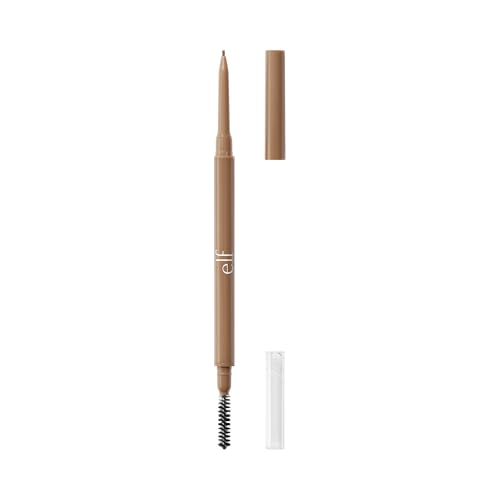
e.l.f.
Micro-Fine Brow Pencil
brow product · 0.03 g · 16 ingredients
£7.75−3%Amazon UK
- Fragrance-free
- No essential oils
- With vitamin E

Essence
All Eyes On Me Waterproof Mascara
mascara · 8 ml · 20 ingredients
- Fragrance-free
- No essential oils
- With glycerin
Amazon UK prices as of 6 November 2026, 04:30 GMT; Amazon sets the final price at checkout.
Frequently asked questions
Is eyelash tinting safe according to current evidence in 2026?
Eyelash tinting carries real, documented risks that consumers should weigh against its cosmetic benefits. No coal-tar or PPD-based dye formula is FDA-approved for use on the eyelashes or eyebrows, and the FDA actively warns that such products 'may cause blindness.' Documented adverse events include allergic contact dermatitis, periorbital chemical burns (with healing times up to 49 days in one published case), and — in a 2025 JAAD case report — permanent eyelash depigmentation (poliosis). When performed by a trained technician using quality products and preceded by a proper 48-hour patch test, the risk is substantially reduced, but it is never zero. People with any PPD or hair dye allergy history should avoid standard formulas entirely.
How long does eyelash tinting actually last?
Most people see visibly dark lashes for 4–6 weeks. The tint does not chemically fade or wash out — instead, tinted lashes naturally shed during the telogen (resting) phase of the eyelash growth cycle and are replaced by new, untinted lashes growing through the anagen (growth) phase. Because the full eyelash cycle spans approximately 4–11 months (with anagen lasting 4–10 weeks, catagen around 15 days, and telogen up to 9 months), the transition from tinted to untinted lashes is gradual. People with faster individual lash turnover or those who use oil-based products around the eyes may notice fading sooner.
What is PPD and why is it a concern in lash tinting?
PPD (p-phenylenediamine) is the primary color intermediate in oxidative (permanent and semi-permanent) hair dyes, including most professional lash tints. It is combined with a hydrogen peroxide developer to create color molecules that deposit in the hair cuticle. PPD is also one of the most potent and well-documented contact allergens in cosmetics: the North American Contact Dermatitis Group found a 5.6% positive patch test rate across 54,917 patients tested over 24 years. Reactions in the periorbital area are particularly severe because the skin around the eyes is thin and reactive, and the conjunctiva has no cornified protective barrier. The FDA explicitly prohibits coal-tar dye products (including PPD formulas) from being used as eyelash or eyebrow dyes.
Can eyelash tinting cause blindness?
Total permanent blindness specifically from lash tinting is extremely rare in published literature, but serious eye injury is documented. The FDA's mandatory warning label on all coal-tar hair dyes states the product 'must not be used for dyeing the eyelashes or eyebrows; to do so may cause blindness.' Chemical contact between hydrogen peroxide or PPD and the cornea or conjunctiva can cause chemical keratitis — a painful injury to the corneal surface. Severe allergic reactions can produce significant periorbital swelling. In a 2025 JAAD case report, permanent eyelash depigmentation (poliosis) resulted from an inflammatory response, affecting quality of life though not vision itself. If any tinting product enters the eye, irrigate immediately with clean water or saline for 15–20 minutes and seek urgent eye care.
What is the difference between lash tinting and lash extensions?
Lash tinting darkens your natural lashes using a semi-permanent dye — it adds color but does not change lash length, curl, or volume beyond the visual effect of pigment contrast. Lash extensions are individual synthetic, silk, or mink fibers bonded to each natural lash with a semi-permanent adhesive, adding visible length, volume, and curl. Extensions require more maintenance (infills every 2–4 weeks) and carry different risks, primarily around cyanoacrylate adhesive allergy and mechanical lash damage. The two procedures can be combined — tinting complements extensions by ensuring natural lashes match in shade — but they address different aesthetic goals. For a full breakdown, see the [lash extensions safety guide](/lash-extensions-safety).
Is there a PPD-free lash tint that is safer?
PPD-free formulas use alternative aromatic amines (such as toluene diamine, 4-amino-2-hydroxytoluene) or vegetable-based pigments (henna, indigo), and these carry a lower but not absent allergy risk. Research suggests vegetable-based dyes show roughly 2–4% allergic reaction rates versus higher rates for PPD-containing formulas. However, para-toluenediamine (PTD) — the most common PPD substitute in 'PPD-free' professional tints — cross-reacts in approximately 43% of PPD-sensitized individuals. Henna has been associated with contact blepharoconjunctivitis near the eye. Regardless of formula type, a 48-hour patch test with the specific product mixture is mandatory before every session.
Health information, not medical advice.
Beauty Comparison is an independent editorial publication. This page is researched and sourced to the authorities listed below, but it is general information — not a diagnosis or a substitute for personalised advice from a qualified doctor, dermatologist or pharmacist. If your symptoms are severe, spreading, painful, or not improving, see a healthcare professional.Sources
- 01Eye Cosmetic Safety — Eyelash and Eyebrow Dyes — U.S. Food and Drug Administration (FDA). No color additive is approved for permanent dyeing of eyelashes or eyebrows; silver nitrate at ≤4% is the only approved professional-use colorant for brows/lashes; permanent eyelash and eyebrow tints have caused serious eye injuries including blindness.
- 02Hair Dyes — Safety Information — U.S. Food and Drug Administration (FDA). PPD (paraphenylenediamine) is a primary allergen in hair dye; coal-tar hair dyes must bear a warning that they must not be used to dye eyelashes or eyebrows as it 'may cause blindness'; the coal-tar hair dye exemption from adulteration provisions does not extend to eyelash or eyebrow dyes.
- 03Poliosis as a result of temporary eyelash tinting — PubMed Central / JAAD Case Reports, 2025-01-01. First documented case of poliosis (permanent lash depigmentation) following semi-permanent eyelash tinting with 3% hydrogen peroxide and PPD; 80% lash depigmentation by 8 months with no regrowth; procedure has no standardized protocols or governmental regulations; patch testing recommended for patients with cosmetic product sensitivities.
- 04728 Chemical Burns and Eyebrow Tinting: An Unusual Case — PubMed Central / BMJ Case Reports, 2022-01-01. PPD-containing eyebrow tint caused a chemical burn in a 50-year-old patient; blistering and significant periorbital swelling resolved after 49 days; no FDA-approved brow tinting formulations exist; 'eyebrow tinting is not a benign cosmetic procedure.'
- 05Patch Testing to Paraphenylenediamine: The North American Contact Dermatitis Group Experience (1994–2018) — PubMed / Journal of the American Academy of Dermatology, 2023-01-01. Of 54,917 patients patch tested to PPD, 5.6% (3,095) had a positive allergic reaction; PPD allergy was associated with female gender and age >40; hair dye was the most frequently identified exposure source.
- 06Anatomy, Head and Neck: Eyelash — StatPearls — NCBI Bookshelf / StatPearls. Eyelash anagen phase lasts 4–10 weeks; catagen approximately 15 days; telogen 4–9 months; full cycle 4–11 months; lash cuticle is 7–10 layers of overlapping transparent scales; melanin is located in the cortex and produced by tyrosinase-related protein 2 (TRP-2) expressing melanocytes.
- 07Analysis of 275 DIY recipes for eye cosmetics and their possible safety issues — PubMed Central / International Journal of Cosmetic Science, 2022-10-01. DIY eyelash dye recipes using henna or iron oxide in oil-water dispersions lack preservatives, antioxidants, pH control, and quality assurance; henna caused contact blepharoconjunctivitis and facial edema in documented cases; 'recipes for products intended for use in the eye or periocular area are not safe to use.'
- 08Contact Allergy: A Review of Current Problems from a Clinical Perspective — PubMed Central / MDPI International Journal of Environmental Research and Public Health, 2018-06-01. PPD is the main allergen causing adverse reactions to hair dyes; eyelash and eyebrow tints are documented sources of PPD-related severe allergic contact dermatitis; patch testing with PPD free base 1% pet. is preferred for diagnosis.
- 09Patch Tests — Skin Contact Allergy Tests Explained — DermNet NZ. Patch testing is the gold standard for diagnosing allergic contact dermatitis; patches applied for 48 hours; first reading at patch removal, second reading at 96 hours (day 4); late readings at day 7 sometimes required for PPD; reactions graded from irritant (irrelevant) to strong allergic (++).