Microdermabrasion: How It Works & Who Benefits
The short answer
Microdermabrasion is a non-invasive mechanical exfoliation procedure that resurfaces the outer skin layer to improve.
What Is Microdermabrasion?
Microdermabrasion (MDA) is a minimally invasive, in-office skin resurfacing procedure that mechanically removes the outermost layer of the epidermis — the stratum corneum — using controlled abrasion. First described in 1985 by Italian dermatologists Marini and Lo Brutto as a gentler alternative to traditional dermabrasion and chemical peels, it has since become one of the most widely performed non-surgical cosmetic skin treatments globally.
The procedure requires no anesthesia, takes 30–40 minutes for the face, causes no wound-level injury to the dermis, and carries no downtime. Patients can return to normal activities immediately — which distinguishes MDA from ablative laser resurfacing or medium-depth chemical peels, both of which require days to weeks of recovery.
How It Works: The Mechanism
Microdermabrasion acts on two levels:
1. Mechanical exfoliation of the stratum corneum
The procedure ablates the dead outermost skin layer — which averages 10–15 µm thick — using either propelled microcrystals or a rotating diamond-embedded tip. This abrasion is controlled by suction pressure (typically 40–70 kPa) and handpiece passes. Removing the stratum corneum:
- Eliminates the physical barrier to topical product penetration, temporarily increasing absorption of serums and active ingredients by as much as 20-fold in the immediate post-procedure window.
- Triggers a controlled wound-healing cascade that signals keratinocytes and fibroblasts to renew.
2. Stimulation of dermal remodeling
The controlled micro-injury and suction stimulate the papillary dermis. Published histological studies document:
- Increased epidermal thickness: Average epidermal thickness rises from approximately 103 µm before treatment to 148 µm after a course of six sessions (p < 0.001), with newly deposited collagen and elastic fibers visible on biopsy.
- Collagen reorganization: Dermal collagen fiber density increases, with more regular bundle arrangement, particularly in skin affected by photoaging and acne scarring.
- Improved dermal-epidermal junction integrity: Collagen fiber density at the DEJ (dermal-epidermal junction) increases, improving structural cohesion.
- Melanin redistribution: In hyperpigmented skin, MDA reduces melanization and evenly redistributes melanosomes, lightening superficial pigment.
- Reduced sebum output: Sebum levels decrease acutely after treatment — a secondary benefit for oily skin types.
The net effect is skin that appears smoother, brighter, and more even in tone, with a gradually thickened, better-organized dermis with consistent sessions over time.
Crystal vs. Diamond-Tip: The Two Technologies
| Feature | Crystal Microdermabrasion | Diamond-Tip Microdermabrasion |
|---|---|---|
| Mechanism | Aluminum oxide (or sodium chloride) crystals propelled onto skin, then suctioned away | Diamond-embedded wand abraded across skin with simultaneous suction |
| Precision | Moderate — hard to control at the eye and lip perimeter | High — tip can work close to delicate orbital area |
| Crystal risk | Low but possible: inhalation or eye contact with escaped crystals | None |
| Reusability | Single-use crystal supply; disposable tip | Reusable diamond tip (sterilized between patients) |
| Clinical outcome | Equivalent to diamond-tip in head-to-head assessments | Equivalent to crystal in head-to-head assessments |
| Best for | General facial resurfacing | Around the eyes, nose, and mouth; anyone with crystal sensitivities |
A third variant — hydradermabrasion (e.g., HydraFacial) — combines diamond-tip abrasion with the simultaneous infusion of hydrating or antioxidant serums under supersonic water pressure. Published studies show it increases epidermal and papillary dermal thickness comparably to traditional MDA while reducing discomfort and delivering additional serum benefits. Some practitioners consider it a more modern evolution of the technique.
What Microdermabrasion Can (and Cannot) Treat
Understanding the depth limitation of MDA is essential for setting realistic expectations. Because it only reliably treats at the epidermal and superficial papillary dermal level, it is not effective for lesions that extend into the reticular dermis.
Supported indications
- Dull or uneven skin texture — the most reliable indication; consistent improvement reported across multiple studies.
- Superficial hyperpigmentation — post-inflammatory hyperpigmentation (PIH), melasma (mild cases), age spots — melanin redistribution and increased keratinocyte turnover fade superficial pigment.
- Mild photoaging — fine surface lines, roughness, mottled pigmentation; improvements in roughness and mottled pigmentation are statistically significant across multiple controlled studies.
- Enlarged pores — clearance of keratinous plug material plus temporary shrinkage from suction.
- Superficial acne scars — mild, rolling, superficial atrophic scars may show modest improvement; results are limited compared to deeper modalities (see comparison below).
- Stretch marks — some improvement in appearance reported, particularly early or lighter marks, though evidence is limited.
- Product penetration enhancement — the immediate post-MDA skin is significantly more permeable; dermatologists sometimes follow MDA with topical application of targeted actives for boosted delivery.
Where MDA is not the right tool
- Deep wrinkles or significant photodamage — these require dermabrasion, ablative laser, or deeper chemical peels.
- Moderate-to-severe acne scarring — systematic review found MDA achieved the weakest results among all non-energy-based scar treatments, with no patients in one study achieving >75% improvement and 27% seeing no improvement at all.
- Active inflammatory or cystic acne — abrasion and suction can rupture pustules, spreading bacteria and worsening inflammation.
- Raised (hypertrophic or keloid) scars — contraindicated; suction and abrasion can stimulate further fibrous tissue.
- Melasma (moderate-to-severe) — aggressive abrasion may paradoxically worsen melasma through post-inflammatory pigment activation, particularly in Fitzpatrick types IV–VI.
Who Is (and Isn't) a Good Candidate
Good candidates
- Adults with dull, rough, or uneven skin texture seeking a no-downtime refresh
- Those with superficial hyperpigmentation, mild sun damage, or mild fine lines
- People wanting to enhance topical active ingredient absorption
- Those with oily or congested skin (enlarged pores, blackheads)
- Patients in Fitzpatrick types I–IV, with appropriate settings; careful technique is needed for types IV and above
Proceed with caution or avoid
- Active isotretinoin use, or within 6 months of stopping — isotretinoin significantly impairs wound healing and skin barrier recovery; MDA carries meaningful scar risk in this window. This is explicitly flagged by the AAD.
- Active skin infections — herpes simplex (cold sores), active varicella-zoster, impetigo, or warts are absolute contraindications; abrasion can spread viral and bacterial infections.
- Rosacea — MDA can trigger flushing, worsen telangiectasias, and exacerbate barrier disruption. The AAD lists rosacea as a relative contraindication.
- Keloid or hypertrophic scarring history — any wound-generating procedure risks stimulating excessive scar tissue in susceptible individuals.
- Bleeding disorders or blood-thinning medications — suction and abrasion can cause petechiae and bruising; discuss with your physician.
- Open wounds, sunburn, or active eczema/psoriasis flares — skin must be intact and not inflamed.
- Changing, growing, or bleeding moles — MDA must not be performed over lesions that could represent skin cancer. These require dermatological evaluation first.
- Pregnancy — MDA has no established teratogenic risk, but given limited safety data and the availability of pregnancy-safe alternatives, most dermatologists defer elective procedures until after delivery.
The Procedure: What to Expect
Before your appointment
- Avoid retinoids (tretinoin, adapalene) for 2–5 days before treatment.
- Avoid AHA/BHA chemical exfoliants for 48–72 hours beforehand.
- Come with clean skin; skip self-tanner in the 1–2 weeks prior.
- Inform your provider of any active skin conditions, recent procedures, medications, and your history with scarring.
During the session
No topical anesthesia is needed. The provider makes controlled passes across the treatment area using the chosen handpiece. The sensation is typically described as a coarse cat-tongue licking the skin — mild suction combined with the abrasive surface. Sensitive areas (nose, under-eye) may feel slightly more intense.
- Face session: 30–40 minutes
- Neck or décolletage add-on: 15–20 minutes additional
- Single session cost (US): approximately $100–$250; most providers offer a package rate for a course of sessions
Immediately after
Expect skin to look pink or red — similar in appearance to mild windburn — and feel slightly tight or sensitive. This is normal and typically resolves within 12–24 hours. Some patients experience minor swelling or small bruise-like petechiae from the suction, which resolve within a few days.
Aftercare: The Non-Negotiables
- SPF 30+ every morning, without exception. MDA removes the stratum corneum and temporarily increases UV sensitivity. Unprotected sun exposure following MDA will erase results and risks hyperpigmentation, particularly in darker skin tones. Reapply every 2 hours outdoors.
- Gentle cleanser and fragrance-free moisturizer for 24–48 hours. Avoid active ingredients (retinoids, AHAs, BHAs, vitamin C at low pH) for at least 48 hours post-treatment — the compromised barrier amplifies penetration and irritation risk.
- No heat exposure (saunas, steam rooms, vigorous exercise) for 24 hours — increased blood flow to freshly treated skin can worsen redness.
- No active makeup in the immediate 24 hours if skin is still reactive.
- Avoid direct sun for several days post-procedure if possible; use physical SPF and a hat.
How Many Sessions? Results Timeline
A single session produces noticeable smoothing and temporary brightening — enough to see what the skin can look like — but meaningful structural improvement requires a series.
| Session count | Typical outcomes |
|---|---|
| 1 session | Noticeable surface smoothing, temporary brightness; minimal structural change |
| 4–6 sessions | Clinically significant improvement in texture, pore appearance, and mild hyperpigmentation; some histological epidermal thickening |
| 8–12 sessions | Maximum achievable improvement for photoaging, superficial scars, and tone; measurable increase in epidermal thickness and collagen density |
| Maintenance (1× per 4–8 weeks) | Sustains results; essential because skin continues aging and results are not permanent |
The AAD states that most patients require between 5 and 16 treatments, with protocols ranging from weekly to monthly sessions. After completing a primary course, many patients maintain with one session every 4–8 weeks.
Microdermabrasion vs. Comparable Procedures
| Procedure | Depth of action | Downtime | Best for | Not effective for |
|---|---|---|---|---|
| Microdermabrasion | Stratum corneum + superficial papillary dermis | None | Texture, dullness, superficial pigment, pores | Deep wrinkles, moderate scarring, active acne |
| Superficial chemical peel (30% glycolic) | Epidermis to superficial papillary dermis | 1–3 days peeling | Superficial pigment, mild photoaging, acne-prone skin | Deep wrinkles, significant scarring |
| Medium chemical peel (TCA 30–35%) | Papillary to upper reticular dermis | 7–14 days | Moderate wrinkles, scarring, melasma | Active infections, very dark skin tones |
| Microneedling | Epidermis to 0.5–3 mm dermal depth | 24–72 hours | Atrophic scarring, collagen remodeling, skin laxity | Surface texture alone |
| Non-ablative fractional laser | Selective mid-dermal columns | 2–5 days | Pigmentation, collagen, moderate scarring | Budget-conscious patients |
| Ablative fractional laser | Epidermis + deep dermis | 1–2 weeks | Deep wrinkles, significant photodamage, scars | Active acne, darker skin without experienced operator |
| Dermabrasion | Into reticular dermis | 1–4 weeks | Deep scarring, very advanced photoaging | Patients needing no downtime |
For mild textural concerns and maintenance exfoliation, MDA represents the optimal balance of efficacy and minimal risk. For moderate photoaging or significant scarring, referral to chemical peels, microneedling, or laser resurfacing provides a meaningfully deeper treatment effect.
A prospective controlled study found MDA produced statistically significant improvements in roughness, mottled pigmentation, and overall complexion appearance, but not in deep rhytides — confirming this hierarchy. In a 2024 head-to-head comparison of MDA versus 30% glycolic acid peels for mild-to-moderate acne in Fitzpatrick types III–V, MDA demonstrated 18.7% higher efficacy for that specific population and skin type range.
Professional vs. At-Home Devices
Consumer microdermabrasion devices are available and use the same core technology (diamond tip with suction) at significantly reduced power settings. At-home devices offer:
- Benefit: Convenient maintenance exfoliation and a degree of surface smoothing with consistent use.
- Limitation: Substantially lower suction pressure and abrasion intensity than professional systems, meaning they do not penetrate deeply enough to stimulate meaningful dermal remodeling. They are not a substitute for in-office treatment if structural skin improvement is the goal.
- Safety note: At-home crystal devices are generally not recommended given the risk of accidental crystal inhalation or eye contact; diamond-tip home devices are the safer at-home option.
The AAD confirms that professionally performed MDA has an excellent safety record and notes that having the procedure done by or under the supervision of a board-certified dermatologist reduces risk of side effects.
Safety in Darker Skin Tones
MDA carries a specific caution for Fitzpatrick skin types IV–VI: aggressive abrasion and suction can trigger post-inflammatory hyperpigmentation (PIH) in melanin-rich skin that already has active melanocytes primed to respond to injury. Best practice:
- Use lower suction pressures and fewer passes per session.
- Avoid treatment over any active inflammatory or recently healed lesion.
- Apply a pre-treatment course of topical brightening agents (azelaic acid, kojic acid, or low-concentration hydroquinone) 2–4 weeks before beginning MDA to "prime" melanocytes against PIH.
- Prioritize diamond-tip over crystal for more controllable abrasion depth.
With these modifications, MDA is used safely in all skin types by experienced practitioners.
When to See a Dermatologist First
Schedule a consultation with a board-certified dermatologist before pursuing MDA if you:
- Have a mole that has changed in size, shape, or color — MDA must not be performed over potential skin cancers.
- Have a history of keloid or hypertrophic scarring.
- Have taken isotretinoin in the past 6 months.
- Have an active skin infection, cold sore, or significant skin condition (eczema, psoriasis, rosacea).
- Have Fitzpatrick types IV–VI and are new to in-office resurfacing.
- Have a history of easy bruising or are on anticoagulant medications.
A professional assessment ensures the procedure is appropriate for your specific skin type, condition, and goals — and that you are not a candidate for a more targeted treatment.
Products that fit: sensitive skin
Picked by code from each product's full ingredient list.

Naturium
Marshmallow Root Barrier Balm
moisturizer · 50 g · 58 ingredients
£21.60−20%Amazon UK
- Fragrance-free
- No essential oils
- No drying alcohol
- No MI/MCI
- No menthol, camphor and witch hazel
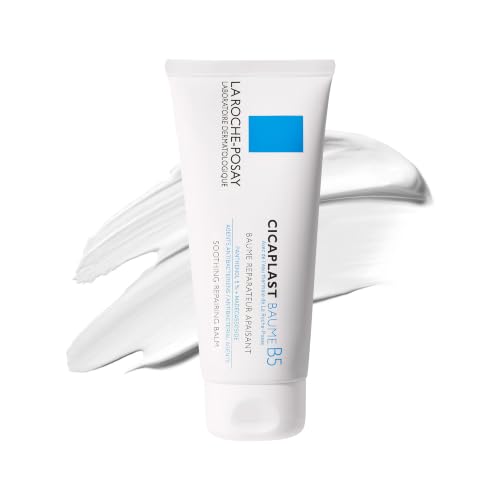
La Roche-Posay
Cicaplast Baume B5 Soothing Repair
moisturizer · 100 ml · 33 ingredients
- Fragrance-free
- No essential oils
- No drying alcohol
- No MI/MCI
- No menthol, camphor and witch hazel

Beauty of Joseon
Red Bean Water Gel
moisturizer · 99.9 ml · 58 ingredients
- Fragrance-free
- No essential oils
- No drying alcohol
- No MI/MCI
- No menthol, camphor and witch hazel

Uriage
Xemose C8+ Lipid-Replenishing Anti-Itch Balm
moisturizer · 500 ml · 24 ingredients
£19.30−17%Amazon UK
- Fragrance-free
- No essential oils
- No drying alcohol
- No MI/MCI
- No menthol, camphor and witch hazel
Amazon UK prices as of 6 November 2026, 06:19 GMT; Amazon sets the final price at checkout.
Frequently asked questions
Is microdermabrasion still worth it in 2026, given newer alternatives?
Yes, for the right indications. MDA remains clinically validated for mild photoaging, dull texture, superficial hyperpigmentation, and enlarged pores, and its no-downtime profile makes it uniquely practical. Newer modalities like microneedling and non-ablative fractional laser produce deeper collagen remodeling but carry 24–72+ hours of recovery and higher cost. MDA has a distinct and legitimate role as both a standalone treatment for mild concerns and a maintenance step between deeper procedures. The AAD continues to recognize it as a safe, effective cosmetic option when performed by a qualified provider.
Does microdermabrasion hurt?
Most patients find it painless. The sensation is typically described as a mild scratching or coarse-textured suction — like the rasp of a cat's tongue dragged gently across the skin. No topical anesthetic is required. Sensitive areas such as around the nose, under the eyes, or on the lips may feel slightly more intense. Patients with active rosacea, broken capillaries, or very sensitive skin may find it uncomfortable, and it is generally avoided in those populations for that reason.
How long do microdermabrasion results last?
Surface texture improvement from a single session is noticeable for approximately 1–4 weeks. The structural improvements from a full course of 8–12 sessions — increased epidermal thickness, improved collagen organization, reduced hyperpigmentation — are more durable but not permanent, because aging and environmental exposure continue. Most dermatologists recommend monthly or bi-monthly maintenance sessions to preserve outcomes. SPF discipline has an outsized impact on longevity: UV exposure accelerates collagen degradation and pigment return.
Can microdermabrasion help with acne scars?
Only superficial, rolling, or very mild atrophic acne scars respond meaningfully to MDA. A 2018 systematic review of non-energy-based acne scar treatments found MDA achieved the weakest results among all compared techniques, with no patient achieving >75% improvement and 27% seeing no change at all. For moderate-to-severe acne scarring, microneedling, TCA chemical peels, subcision, or fractional laser resurfacing produce significantly superior results. MDA can be useful as a preparatory step or maintenance treatment alongside more targeted scar therapies.
Is it safe to get microdermabrasion if I have darker skin?
Yes, with appropriate precautions. MDA can trigger post-inflammatory hyperpigmentation (PIH) in Fitzpatrick skin types IV–VI if performed aggressively. An experienced provider will use lower suction pressures, fewer passes, and may recommend a 2–4 week course of brightening topicals (azelaic acid or kojic acid) beforehand to reduce PIH risk. Diamond-tip technique offers more controllable abrasion depth than crystal systems, making it generally preferable for darker skin tones. Always confirm your provider has experience treating your skin tone.
Can I use retinol before or after microdermabrasion?
Pause topical retinoids (tretinoin, adapalene, retinol) for 2–5 days before your appointment and at least 48 hours after. MDA temporarily compromises the skin barrier, and applying retinoids to newly abraded skin amplifies penetration, causing significant irritation, burning, or barrier disruption. Resume your normal retinol routine once any redness has fully resolved, typically 48–72 hours post-procedure. If you are on prescription tretinoin, discuss timing with your dermatologist.
Health information, not medical advice.
Beauty Comparison is an independent editorial publication. This page is researched and sourced to the authorities listed below, but it is general information — not a diagnosis or a substitute for personalised advice from a qualified doctor, dermatologist or pharmacist. If your symptoms are severe, spreading, painful, or not improving, see a healthcare professional.Sources
- 01Microdermabrasion — StatPearls — NCBI Bookshelf / StatPearls (National Library of Medicine), 2023-07-10. Microdermabrasion removes the stratum corneum via aluminum oxide crystals or diamond tip; absolute contraindications include active cutaneous infections and crystal allergy; relative contraindications include keloid history and rosacea; 4–6 weekly treatments are typically needed; suction increases collagen fiber density at the DEJ; MDA also enhances transdermal drug delivery.
- 02Microdermabrasion: Overview — American Academy of Dermatology (aad.org). AAD confirms MDA is a non-invasive procedure that gently exfoliates skin; dermatologist-performed treatments are deeper than at-home kits; insurance does not cover it as it is cosmetic; safe across skin types with appropriate technique.
- 03Microdermabrasion: FAQs — American Academy of Dermatology (aad.org). AAD advises avoiding MDA if taken isotretinoin within 6 months or if you scar easily; most patients require 5–16 sessions; professionally performed MDA has an excellent safety record; dermatologist recommends personalized aftercare plan with sun protection.
- 04A prospective controlled assessment of microdermabrasion for damaged skin and fine rhytides — PubMed (Archives of Dermatology), 2004-03-01. Statistically significant improvement in skin roughness, mottled pigmentation, and overall appearance after MDA, but not in deep rhytides; epidermal thickness increased from 103 µm to 148 µm (p < 0.001); histologic analysis showed increase in organized collagen at treated versus untreated sites.
- 05Skin resurfacing procedures: new and emerging options — PubMed Central / Clinical, Cosmetic and Investigational Dermatology, 2014-09-02. Traditional crystal MDA requires caution in Fitzpatrick types IV–VI due to increased risk of irritation and PIH; diamond-tip variant enables treatment of delicate areas without crystal risk; hydradermabrasion increases epidermal and papillary dermal thickness with no complications; MDA enhances skin softness, glow, texture, and pore visibility.
- 06A systematic review of treatments for acne scarring. Part 1: Non-energy-based techniques — PubMed Central / Journal of Plastic, Reconstructive & Aesthetic Surgery, 2018-09-01. Systematic review found MDA achieved the weakest results among all non-energy-based acne scar treatments; 27.3% of patients saw no improvement, 45.4% mild improvement, and no patient achieved >75% improvement in the single qualifying study (Level 2d evidence).
- 07Microdermabrasion: What It Is, Benefits, Results & Side Effects — Cleveland Clinic. MDA addresses age spots, enlarged pores, blackheads, fine lines, mild acne scars, discoloration, and stretch marks; two types (crystal and diamond-tip); side effects include bruising, discoloration, flaky skin, increased sun sensitivity; most patients need 1–4 treatments monthly initially; redness resolves within 24 hours.