Microneedling: Benefits, Risks & What to Expect
The short answer
Microneedling creates controlled micro-injuries that stimulate collagen and elastin production, improving scars, wrinkles.
What Is Microneedling?
Microneedling — also called percutaneous collagen induction (PCI) therapy — is a minimally invasive skin-resurfacing procedure that uses a device studded with fine needles to create thousands of controlled micro-injuries across the skin surface. Each puncture is a precisely timed provocation: shallow enough to preserve the bulk of the epidermis, deep enough to reach the dermis and trigger the body's wound-healing machinery.
The result is neocollagenesis — the organized, fresh production of collagen and elastin — without the epidermal ablation, pigmentary risk, or prolonged downtime associated with laser resurfacing or chemical peels. This makes microneedling one of the most versatile resurfacing options across skin types, with a particular safety advantage for Fitzpatrick types IV–VI.
How Microneedling Works: The Mechanism
When needles penetrate the dermis, the body initiates a classical three-phase wound-healing response:
Phase 1: Inflammation (Days 1–3)
Tissue injury causes immediate platelet aggregation and degranulation, releasing a cascade of growth factors: platelet-derived growth factor (PDGF), transforming growth factor-alpha (TGF-α), transforming growth factor-beta (TGF-β), fibroblast growth factor (FGF), and vascular endothelial growth factor (VEGF). These signals recruit neutrophils and macrophages that clear debris and amplify the regenerative signal.
Phase 2: Proliferation (Days 3–8)
Fibroblasts migrate into the micro-wound zones and begin synthesizing new extracellular matrix proteins: type III collagen first, followed by elastin, glycosaminoglycans, and proteoglycans. Type III collagen is the scaffold; it is progressively converted to mature type I collagen by matrix metalloproteinases (MMPs) as remodeling proceeds.
Phase 3: Remodeling (Weeks 2 — Up to 2 Years)
Collagen matures, cross-links, and reorganizes into a normal dermal lattice. This is the phase responsible for the visible, long-lasting structural improvements — thicker dermis, improved skin elasticity, and reduced scar depth. Histological studies confirm that the organized neocollagenesis of microneedling is structurally superior to the disorganized collagen of natural scar tissue.
The key advantage over epidermal ablation: microneedling leaves the epidermis largely intact between puncture points. This means the skin retains its barrier function through treatment, reduces infection risk, and dramatically limits the hyperpigmentation risk that ablative procedures carry in darker skin tones.
The Collagen Evidence: What Biopsies Show
The collagen induction effects of microneedling are not theoretical — they are histologically confirmed. Multiple biopsy-controlled studies document:
- Statistically significant increases in collagen types I, III, and VII (p<0.05) after a six-session course over three months, with type III collagen appearing first, followed by type I — exactly mirroring the natural wound-healing progression.
- Up to 400% increase in collagen and elastin deposition at 6 months following 4 monthly microneedling sessions, as measured by van Gieson stain and H&E histology.
- Neocollagenesis depth reaching 500–600 µm with a 1.5 mm needle — well into the papillary and upper reticular dermis where structural collagen resides.
- New collagen organized in a normal lattice pattern, not the parallel bundles characteristic of scar tissue, explaining why skin texture improves rather than merely changing form.
Devices: Rollers, Pens, and Radiofrequency
Dermaroller (Manual Roller)
The original device — a handle with a rolling cylinder studded with 192 needles (0.5–3 mm). Creates approximately 250 micro-channels per square centimeter with 15 passes. Highly studied; the majority of clinical trial data comes from roller devices. Limitations: needle angle is not perpendicular during rolling (slight tearing effect), needle sharpness degrades with reuse, and depth cannot be adjusted mid-treatment.
Automated Pen (Dermapen, SkinPen)
A pen-shaped device with 9–12 needles operating vertically at 700 cycles per minute (high speed) or 412 cycles per minute (low speed). Creates perpendicular punctures, which are theoretically cleaner and less traumatic than roller-angle injuries. Allows depth adjustment (typically 0.25–2.5 mm) during the procedure, permitting different settings on the forehead vs. cheeks vs. nose. Better precision around the eyes, lips, and nose.
Radiofrequency Microneedling (RF-MN)
Combines traditional microneedling with bipolar or multipolar radiofrequency energy delivered through the needle tips into the dermis. The thermal energy produces additional collagen stimulation beyond the mechanical injury alone. Clinical advantage: the RF energy is delivered below the epidermis, so surface heating is minimal — this substantially reduces post-inflammatory hyperpigmentation risk compared to traditional roller or pen devices. Preferred for darker skin tones. The FDA has issued safety communications regarding off-label misuse of certain RF-MN devices, but board-certified dermatologists using them appropriately report excellent safety profiles.
What Microneedling Treats: The Evidence Base
Atrophic Acne Scars (Strong Evidence)
The indication with the deepest evidence base. Rolling and boxcar scars respond better than icepick scars. Clinical studies consistently report significant improvement:
- 82–94% of treated patients demonstrate significant scar improvement in multiple independent studies
- 51–60% improvement in scar appearance with 80–85% patient satisfaction in biopsy-confirmed studies
- Microneedling outperformed 35% glycolic acid chemical peel in a 60-patient RCT in darker skin tones (Fitzpatrick IV–VI): 73.3% treatment success with microneedling vs. 33.3% with glycolic acid peel (p=0.001)
Icepick scars — the narrow, deep, pitted type — are less responsive because their depth exceeds what microneedling needles can adequately reach; TCA CROSS (focal application) is preferred for icepick scars.
Fine Lines and Photoaging (Strong Evidence)
Microneedling reverses photodamage histologically by restoring the organized collagen architecture destroyed by UV-induced MMP overexpression. Measurable improvements in fine lines and skin texture appear from week 4 onwards, with compounding improvement over 6–12 months of maintenance treatment. Enhanced with topical vitamins A and C applied post-treatment (the open microchannels improve absorption of these active ingredients).
Androgenetic Alopecia and Hair Loss (Moderate Evidence)
A 2024 systematic review and meta-analysis of randomized clinical trials confirmed that microneedling combined with minoxidil significantly outperforms minoxidil monotherapy for androgenetic alopecia. In one landmark trial, 82% of patients receiving microneedling + minoxidil reported greater than 50% hair count improvement vs. 4.5% in the minoxidil-only group. Needle depth for scalp: 1.5 mm.
Melasma (Moderate Evidence)
Microneedling works for melasma primarily as a delivery vehicle for topical depigmenting agents (tranexamic acid, vitamin C, kojic acid) through the temporarily opened microchannels. As a monotherapy, its direct melanin-reducing effect is more modest. Combined with tranexamic acid or topical vitamin C, studies show superior MASI score reductions versus topical agents alone. A key advantage: the epidermis remains intact, maintaining a lower PIH risk than laser treatments in darker skin tones.
Stretch Marks (Moderate Evidence)
Studies report up to 80% improvement in stretch mark severity scores with a 3–6 session course. Results are better for early/red stretch marks (striae rubra) than mature/white ones (striae alba), consistent with the mechanism: active remodeling is more accessible in lesions with residual cellular activity.
Needle Depth Guide by Indication
| Indication | Professional Depth | Notes |
|---|---|---|
| Superficial fine lines, glow, product absorption | 0.5–1.0 mm | Minimal anesthesia needed |
| Acne scars, deeper wrinkles | 1.5–2.0 mm | Topical anesthesia required |
| Surgical/burn scars | 1.5–2.0 mm | May require multiple depths |
| Scalp/alopecia | 1.5 mm | Tolerated well; grid pattern |
| Melasma (delivery) | 0.5–1.5 mm | Avoid deeper injury; combined with actives |
| At-home cosmetic use | 0.25–0.5 mm | Product penetration; no deep remodeling |
What to Expect: The Treatment Experience
Before Your Appointment
A board-certified dermatologist or trained clinician reviews your medical history, Fitzpatrick skin type, current medications (especially anticoagulants and isotretinoin), and healing history. A skin prep regimen — often topical vitamin A and/or vitamin C for 2–4 weeks pre-treatment — optimizes results and reduces complications.
Avoid sun exposure for at least one week beforehand. Discontinue oral isotretinoin for the period specified by your clinician (typically 6 months minimum) before undergoing microneedling, as isotretinoin impairs wound healing.
During the Procedure
Topical anesthetic (usually lidocaine 4–5%) is applied 30–60 minutes before treatment for professional depths above 1 mm. The device is passed methodically across the treatment area. A session covering the full face takes approximately 20–30 minutes. Mild bleeding (pinpoint) is expected and normal at professional depths.
Immediately After
Erythema (resembling moderate sunburn), mild edema, and pinpoint bleeding are expected. These are visible markers of the wound-healing response being activated — not complications. Most patients are comfortable returning to work within 24–72 hours, though some degree of redness can persist for 5–7 days at deeper needle settings.
Recovery Timeline
| Timeframe | What to Expect |
|---|---|
| Hours 0–24 | Erythema, mild edema, warmth, possible pinpoint bleeding |
| Days 1–3 | Redness fades; mild dryness begins |
| Days 3–5 | Skin starts feeling dry, possibly slightly flaky |
| Days 5–7 | Near-normal appearance; barrier fully intact |
| Weeks 2–4 | First visible texture improvements |
| Month 2–3 | Continued collagen remodeling; scar improvement measurable |
| Month 6 | Peak collagen deposition; full results assessable |
Post-Care Essentials
- No active ingredients for 24–48 hours (no retinoids, AHAs/BHAs, vitamin C) — the compromised barrier amplifies irritation
- Gentle cleanser and barrier-supporting moisturizer (ceramides, hyaluronic acid) only
- Strict sun protection — SPF 50+ for at least one week; UV exposure on disrupted skin risks PIH
- Avoid heat, sweat, and swimming for 24–48 hours (infection risk via open microchannels)
How Many Sessions Are Needed?
Results accumulate across sessions. Clinical protocols typically use:
- Acne scars: 4–6 sessions, 4 weeks apart
- Photoaging/fine lines: 3–4 sessions, 4–6 weeks apart, then maintenance every 6–12 months
- Alopecia: 12 weekly sessions, then monthly maintenance
- Melasma: 3–4 sessions, 4 weeks apart (with topical actives)
A single session produces measurable improvement, but the compounding effect of the collagen remodeling cycle — which peaks at 6 months — means a full course delivers substantially better outcomes than one-off treatment.
Risks and Side Effects
Common (Expected)
- Erythema: Nearly universal; duration 24 hours to 7 days depending on depth
- Edema: Mild; resolves within 24–72 hours
- Pinpoint bleeding: Expected at professional depths
- Pain during procedure: Average 5.4/10; managed with topical anesthesia
- Temporary dryness and flaking: Days 3–7 post-treatment
Uncommon but Documented
- Post-inflammatory hyperpigmentation (PIH): Approximately 6.8% with roller devices; lower with pen devices and substantially lower with RF-MN; highest risk in Fitzpatrick types IV–VI exposed to post-treatment UV
- Reactivation of herpes simplex: Prophylactic antivirals recommended for patients with a cold sore history
- Acne flare: Possible, particularly if active lesions were present at treatment
- Milia: Rare; associated with aggressive protocols
Rare but Serious
- Infection: Only 2 cases documented in a 51-study, 1,029-patient systematic review; both associated with roller devices; one was a home self-treatment
- Tram-track scarring: Approximately 10.5% of roller cases (a patterned bruising/marking, not permanent scar); associated with aggressive technique
- Systemic hypersensitivity: 3 documented cases, possibly linked to combined vitamin C serum — extremely rare
Who Should Not Have Microneedling?
Absolute Contraindications:
- Active skin infection (herpes simplex outbreak, impetigo, active cellulitis) in the treatment area
- Personal or family history of keloid or hypertrophic scarring
- Coagulation disorders or therapeutic anticoagulant use
- Active inflammatory acne in the treatment zone (risk of bacterial spread)
- Pregnancy (safety not established)
Relative Contraindications (Discuss with Your Dermatologist):
- Fitzpatrick types IV–VI: proceed with RF-MN or modified protocols; lower-depth settings; strict sun protection
- Recent isotretinoin use: most protocols recommend a 6-month washout period
- Active rosacea or eczema in the treatment zone
- Recent laser resurfacing or chemical peel: allow full healing before microneedling
Professional vs. At-Home Microneedling
The gap between professional and at-home microneedling is not merely about cost — it is mechanistic. Professional devices reach 1.5–2.0 mm into the dermis, triggering the collagen induction cascade that produces structural skin improvement. At-home dermarollers use needles under 0.5 mm (typically 0.25 mm), which penetrate the epidermis only and primarily function to improve topical product absorption and provide mild surface-level stimulation.
At-home devices are not a safe substitute for professional treatment for acne scars, wrinkles, or alopecia. They carry additional infection risk when not properly sterilized between uses. If you use an at-home dermaroller, see the full guidance in the Dermaroller guide.
See the full comparison of microneedling and chemical peels for treating similar concerns at Microneedling vs. Chemical Peel.
Products that fit: sensitive skin
Picked by code from each product's full ingredient list.

Naturium
Marshmallow Root Barrier Balm
moisturizer · 50 g · 58 ingredients
£21.60−20%Amazon UK
- Fragrance-free
- No essential oils
- No drying alcohol
- No MI/MCI
- No menthol, camphor and witch hazel
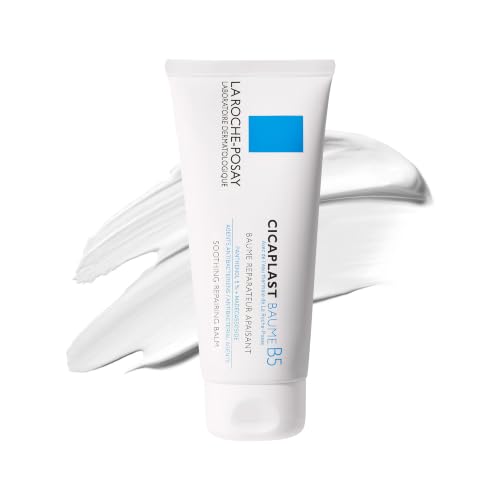
La Roche-Posay
Cicaplast Baume B5 Soothing Repair
moisturizer · 100 ml · 33 ingredients
- Fragrance-free
- No essential oils
- No drying alcohol
- No MI/MCI
- No menthol, camphor and witch hazel

Beauty of Joseon
Red Bean Water Gel
moisturizer · 99.9 ml · 58 ingredients
- Fragrance-free
- No essential oils
- No drying alcohol
- No MI/MCI
- No menthol, camphor and witch hazel

Uriage
Xemose C8+ Lipid-Replenishing Anti-Itch Balm
moisturizer · 500 ml · 24 ingredients
£19.30−17%Amazon UK
- Fragrance-free
- No essential oils
- No drying alcohol
- No MI/MCI
- No menthol, camphor and witch hazel
Amazon UK prices as of 6 November 2026, 05:32 GMT; Amazon sets the final price at checkout.
Frequently asked questions
Is microneedling still recommended by dermatologists in 2026?
Yes. Microneedling remains a widely recommended procedure in dermatology, with a growing evidence base from randomized controlled trials and meta-analyses. The American Academy of Dermatology endorses the importance of board-certified dermatologist involvement to minimize complication risk. A 2024 comprehensive review published in PMC (NCBI) confirmed microneedling as well-established in aesthetic medicine with strong evidence for acne scars and skin rejuvenation. No new safety signal has emerged that changes the risk–benefit profile for appropriately selected patients.
How many microneedling sessions do I need to see results?
Most people see measurable improvement in texture within 2–4 weeks of their first session, but structural collagen remodeling peaks at 6 months. For atrophic acne scars, the standard protocol is 4–6 sessions spaced 4 weeks apart. For skin rejuvenation and fine lines, 3–4 sessions with 4–6 week intervals, followed by maintenance every 6–12 months, is typical. Alopecia protocols use 12 weekly sessions followed by monthly maintenance. The compounding effect of sequential sessions is significant — a single session yields results, but a full course produces disproportionately better outcomes.
Does microneedling hurt?
With professional topical anesthesia (lidocaine 4–5% applied 30–60 minutes beforehand), most patients rate pain at around 5.4 out of 10 during the procedure. Areas with thinner skin — around the eyes, nose, and bony prominences — tend to be more sensitive. At-home devices with 0.25–0.5 mm needles are essentially painless. Post-procedure there is a burning, sunburn-like sensation lasting a few hours, but frank pain after treatment is not typical.
Is microneedling safe for dark skin tones?
Yes, when performed correctly — and it is significantly safer than laser resurfacing and many chemical peel depths for Fitzpatrick types IV–VI. The key risk is post-inflammatory hyperpigmentation (PIH), which occurs in approximately 6.8% of roller microneedling cases. Radiofrequency microneedling (RF-MN) has a substantially lower PIH rate and is the preferred option for darker skin tones. Strict post-treatment sun protection (SPF 50+) for at least one week is non-negotiable to prevent UV-triggered PIH. Always select a clinician with documented experience treating darker skin types.
Can I do microneedling at home with a dermaroller?
At-home dermarollers (needles under 0.5 mm) can improve product absorption and provide mild surface stimulation, but they do not reach the depth required for collagen induction therapy. They are not equivalent to professional microneedling for treating acne scars, wrinkles, or hair loss. They carry an infection risk if needles are not sterilized between uses. If you are considering at-home use, 0.25 mm is the safest entry point. Professional treatment by a board-certified dermatologist is required for any therapeutic indication.
How long is the downtime after microneedling?
For professional microneedling at therapeutic depths (1.5–2.0 mm), most patients experience 24–72 hours of redness and mild swelling, and are comfortable returning to work within that window. Full redness may persist up to 5–7 days at deeper settings. Complete skin barrier healing occurs by day 7. Avoid exercise, heat, and swimming for the first 24–48 hours. RF-MN generally has comparable or shorter downtime. Superficial settings (0.5–1.0 mm) have shorter recovery — 24 hours of mild redness in most patients.
Health information, not medical advice.
Beauty Comparison is an independent editorial publication. This page is researched and sourced to the authorities listed below, but it is general information — not a diagnosis or a substitute for personalised advice from a qualified doctor, dermatologist or pharmacist. If your symptoms are severe, spreading, painful, or not improving, see a healthcare professional.Sources
- 01Microneedling in Dermatology: A Comprehensive Review of Applications, Techniques, and Outcomes — PubMed Central / PMC (NCBI), 2024-10-01. Microneedling stimulates collagen and elastin via wound-healing growth factor cascade (TGF-α/β, PDGF, FGF); improves atrophic acne scars, fine lines, hyperpigmentation, stretch marks, and alopecia; RF-MN reduces PIH risk; contraindications include active infection, bleeding disorders, keloid history, pregnancy.
- 02Safety Profile for Microneedling: A Systematic Review — PubMed Central / PMC (NCBI), 2021-08-01. 51-study, 1,029-patient systematic review confirms microneedling is relatively safe; PIH in ~6.8% of roller cases; erythema in 83.7% of pen-device patients (transient); only 2 infection cases in entire review; pain averages 5.4/10; average downtime 3.7 days.
- 03Microneedling: Advances and Widening Horizons — PubMed Central / PMC (NCBI), 2016-08-01. Histological studies show up to 400% increase in collagen and elastin deposition at 6 months after 4 monthly sessions; neocollagenesis depth reaches 500–600 µm with 1.5 mm needle; collagen organized in normal lattice pattern; 82% of combined microneedling + minoxidil patients showed >50% hair improvement vs. 4.5% monotherapy.
- 04Review of Applications of Microneedling in Dermatology — PubMed Central / PMC (NCBI), 2017-09-01. 82–94% of patients demonstrate significant acne scar improvement; statistically significant increases in collagen types I, III, and VII confirmed by biopsy; needle depth recommendations by indication: 1.5–2 mm for scars, 1.5 mm for alopecia, 0.5–1.5 mm for melasma.
- 05A Comparison of Microneedling versus Glycolic Acid Chemical Peel for the Treatment of Acne Scarring — PubMed / NCBI, 2022-07-01. In 60 patients with Fitzpatrick types IV–VI and atrophic acne scars, microneedling achieved 73.33% treatment success vs. 33.33% for 35% glycolic acid peel (p=0.001); microneedling shows significantly superior outcomes and safer PIH profile in darker skin tones.
- 06Efficacy and Safety of Combined Microneedling Therapy for Androgenic Alopecia: A Systematic Review and Meta-Analysis — PubMed, 2024-01-01. Meta-analysis of randomized clinical trials confirms microneedling combined with minoxidil significantly outperforms minoxidil monotherapy for androgenetic alopecia in both hair count and patient-reported outcomes.
- 07Statement on the FDA Safety Briefing about Radiofrequency Microneedling Risks — American Academy of Dermatology (aad.org). AAD affirms patient safety as the top priority for microneedling procedures; recommends consultation with a board-certified dermatologist who has in-depth understanding of skin structure and facial anatomy to minimize complications.