Acne Scars: Every Type Explained (& How to Fade Them)
The short answer
Acne scars are permanent skin depressions or raised marks from collagen damage.
What Are Acne Scars?
Acne scars are permanent structural changes in the skin resulting from the collagen damage that occurs during or after an inflammatory acne lesion. They are distinctly different from post-inflammatory hyperpigmentation (PIH) — the flat, dark marks that most acne leaves behind. PIH fades on its own over months with consistent sun protection and topical actives; acne scars do not resolve spontaneously.
True acne scars form when the inflammatory process of a papule, pustule, nodule, or cyst destroys collagen in the dermis — creating either a deficit of collagen (atrophic/depressed scars) or an excess of abnormal collagen (hypertrophic/raised scars). The deeper and more inflammatory the original lesion, the greater the collagen destruction and the more severe the scar.
The Scar Spectrum: Understanding What You Have
Getting the diagnosis right is the most important step in scar treatment, because different scar types respond to different procedures. Treating an ice-pick scar with a rolling-scar technique (or vice versa) is not just ineffective — it can cause additional trauma.
Atrophic Scars (Depressed) — Over 80% of Acne Scars
Ice-Pick Scars (60–70% of Atrophic Scars)
Appearance: Deep, narrow puncture-like depressions — typically less than 2 mm wide — with sharp, V-shaped edges that extend vertically into the deep dermis or subcutaneous fat. They resemble the mark left by pressing an ice pick into the skin.
Why they form: When a severely inflamed cyst or nodule ruptures and the inflammatory process extends to the deepest layers of the dermis, the body cannot regenerate the complex architectural collagen that occupied that space. The result is a narrow, deep channel.
Treatment: Ice-pick scars are the most difficult atrophic subtype to treat. Their narrow depth makes them resistant to surface resurfacing (lasers, peels, microneedling) because these techniques cannot adequately reach or remodel the depth of the scar.
- TCA CROSS (Chemical Reconstruction of Skin Scars): Application of high-concentration (65–100%) trichloroacetic acid precisely into the base of the ice-pick scar using a toothpick or fine applicator. This triggers a focused inflammatory response that stimulates collagen formation within the scar's walls, gradually filling and narrowing it. Multiple sessions (typically 4–6) are required. It is the most evidence-backed targeted approach for ice-pick scars specifically.
- Punch excision: A small biopsy punch of exactly the scar's diameter excises the entire scar column, and the wound is closed with a single suture or skin glue. This trades a pitted scar for a fine linear scar that generally fades much more acceptably. Effective for individual, isolated ice-pick scars.
- Punch grafting: For wider ice-pick scars, a punch of donor skin (often from behind the ear) fills the excised column rather than closing directly.
Boxcar Scars (20–30% of Atrophic Scars)
Appearance: Round-to-oval depressions with sharply defined, near-vertical edges and a flat base — wider than ice-pick scars (1.5–4 mm), resembling a box when viewed in cross-section. They are visually similar to the scars left by chickenpox.
Depth matters: Shallow boxcar scars (less than 0.5 mm deep) respond well to surface resurfacing. Deep boxcar scars (0.5 mm or deeper) are more resistant, as surface resurfacing cannot reach their base without damaging surrounding normal skin.
Treatment:
- Ablative fractional laser (CO2 or erbium-YAG): The most effective approach for boxcar scars. Clinical evidence shows boxcar scars achieve 52.9% improvement with nonablative fractional laser — the highest response rate among atrophic scar types. Ablative lasers vaporize precise tissue columns and stimulate deep collagen remodeling. Multiple sessions required (typically 3–5).
- Punch elevation: A punch biopsy tool scores the scar and allows it to float up to the skin surface, then is secured with sutures or skin glue. Effective for perfectly circular, isolated boxcar scars without underlying fibrosis.
- Subcision: Less effective for boxcar than for rolling scars, but useful when fibrous strands are present tethering the base.
Rolling Scars (15–25% of Atrophic Scars)
Appearance: Wide, broad, shallow depressions (up to 5 mm in diameter) with sloping edges and an undulating, wave-like surface appearance. Unlike ice-pick and boxcar scars, rolling scars have no sharp defined edges — the skin appears to gently dip and roll.
Why they form: Fibrous adhesions develop between the deep dermis and the subcutaneous fat beneath a healed inflamed lesion. These fibrous bands anchor the overlying skin downward, creating the characteristic undulation. The scar itself may be superficial, but the tethering below is the primary structural problem.
Treatment:
- Subcision: A blunt or sharp needle is inserted beneath the scar and moved in a fanning motion to physically cut the fibrous bands tethering the dermis to the subcutaneous tissue. This releases the scar and allows it to rise to a more level plane. Subcision is the most targeted and effective treatment for rolling scars. It is often combined with filler or PRP to maintain the space created.
- Dermal fillers (hyaluronic acid): Injectable fillers placed beneath rolling scars temporarily support the released skin and provide volume. They provide immediate visible improvement but are not permanent — maintenance injections are needed every 6–18 months.
- Microneedling with radiofrequency (RF): Fractional radiofrequency devices (such as Morpheus8) combine mechanical needling with thermal energy delivered into the dermis, stimulating collagen production at depth. Published data show specific efficacy for rolling scars where the microneedling can reach fibrous tethering in the mid-dermis.
- Microneedling (standard): Effective for rolling scars by stimulating collagen production; studies show superior results for rolling scars vs. ice-pick scars, with histological evidence of increased Type I, III, and VII collagen and elastin after treatment.
Hypertrophic and Keloid Scars (Raised Scars)
Appearance: Raised, firm, pinkish-red scars formed from excess collagen deposition during healing. Hypertrophic scars stay within the original wound boundary; keloid scars extend beyond it into surrounding normal skin.
Who is at risk: Hypertrophic and keloid scarring from acne is more common in darker skin tones and more frequently occurs on the trunk (chest, back, shoulders) than the face.
Treatment:
- Intralesional corticosteroid injections (triamcinolone acetonide): First-line treatment. Directly suppresses collagen synthesis and softens and flattens raised scars. Multiple sessions at 4–6 week intervals are typically required.
- Silicone sheeting or silicone gel: Applied daily over raised scars — evidence shows consistent silicone use reduces scar height and improves color over 2–6 months. Effective as primary treatment for hypertrophic scars and as maintenance post-procedure.
- Pulse dye laser (585 nm or 595 nm PDL): Targets hemoglobin in the blood vessels within raised scars, reducing redness, pain, and scar volume. Often combined with corticosteroid injections.
- Surgical excision: For large or isolated keloids unresponsive to injections — must be followed immediately by intralesional steroid injections or radiation to prevent recurrence (keloids that are simply excised frequently recur larger).
Post-Inflammatory Hyperpigmentation (PIH): Not a Scar
PIH is not a scar — it is a flat, dark discoloration caused by excess melanin deposited in the epidermis or dermis after an inflammatory acne lesion resolves. It does not represent structural change in the dermis and will fade on its own, typically over 3–24 months depending on skin tone and sun exposure.
However, PIH fades much faster with:
- Daily broad-spectrum SPF 30+ sunscreen — sun exposure is the single strongest factor that darkens PIH and slows its resolution
- Topical retinoid (adapalene, tretinoin) — accelerates epidermal cell turnover, gradually removing pigmented cells
- Azelaic acid (10–20%) — inhibits tyrosinase and reduces melanin synthesis; particularly effective in darker skin tones with PIH
- Vitamin C (L-ascorbic acid, 10–20%) — antioxidant that inhibits melanin production; apply in the morning under SPF
- Niacinamide (4–10%) — inhibits melanosome transfer from melanocytes to keratinocytes; reduces PIH over 8–12 weeks
- Alpha arbutin or kojic acid — additional tyrosinase inhibitors with supporting evidence for hyperpigmentation
PIH in darker skin tones can be deeper-seated (dermal melanosis) and slower to fade than superficial epidermal PIH. A dermatologist can assess depth with a Wood's lamp examination.
Choosing the Right Treatment: A Practical Framework
Step 1: Ensure Active Acne Is Controlled First
Treating scars while active inflammatory acne continues is futile — new lesions will continue creating new scars. The acne-guide outlines the full treatment ladder. Scar treatment begins only after active acne is well-controlled.
Step 2: Identify Your Scar Types
Most people have a mix of scar types. A dermatologist or plastic surgeon with specific scar experience can classify them precisely. Treatment plans are designed around the predominant type, often combining multiple procedures in sequence.
Step 3: Match Treatment to Scar Type
| Scar Type | Best First-Line Treatment | Adjuncts |
|---|---|---|
| Ice-pick | TCA CROSS, punch excision | Fractional laser (after closure) |
| Shallow boxcar | Ablative fractional laser (CO2/Er:YAG) | Chemical peel |
| Deep boxcar | Punch elevation + laser | Subcision if tethered |
| Rolling | Subcision | Filler, microneedling, RF microneedling |
| Hypertrophic | Intralesional corticosteroid, silicone | PDL laser |
| Keloid | Intralesional corticosteroid + excision | Radiation therapy for recurrent keloids |
| PIH only | SPF 30+ + topical retinoid | Azelaic acid, vitamin C |
Step 4: Understand That Combination Beats Monotherapy
Published research consistently shows that combination approaches outperform single procedures. For example: subcision to release tethering → followed by RF microneedling for collagen induction → followed by ablative fractional laser for surface refinement produces substantially better outcomes than any single modality alone.
Considerations for Skin of Color
People with melanin-rich skin tones (Fitzpatrick types IV–VI) face two additional challenges in acne scar treatment:
- Post-inflammatory hyperpigmentation is more pronounced, more persistent, and more easily worsened by procedures that cause inflammation or thermal damage
- Risk of post-procedure dyspigmentation (hyperpigmentation or hypopigmentation) from ablative lasers is higher
Safer procedural options for darker skin tones include: non-ablative fractional lasers (1927 nm or 1550 nm), subcision, microneedling, chemical peels (salicylic acid is better tolerated than glycolic acid in darker tones), and TCA CROSS at lower concentrations. Aggressive ablative resurfacing in darker skin tones without specialist experience carries a real risk of worsening hyperpigmentation. A dermatologist with specific expertise in skin of color is essential for procedural scar treatment.
Prevention: The Most Effective Strategy
The most effective treatment for acne scars is preventing the deep inflammatory lesions that cause them:
- Treat acne early and aggressively — especially at the nodular or cystic end
- Never squeeze, pop, or pick at acne lesions — even papules and pustules; the mechanical trauma of picking converts a surface inflammation into a deeper one
- Use daily broad-spectrum SPF 30+ consistently — UV exposure dramatically worsens PIH and slows healing
See the cystic acne guide for the treatment options that best prevent severe scarring.
Products that fit: acne-prone skin
Picked by code from each product's full ingredient list.

Anua
Azelaic Acid 10 Hyaluron Redness Soothing Serum
serum · 30 ml · 35 ingredients
- Fragrance-free
- No essential oils
- No heavy, pore-clogging emollients such as coconut oil and isopropyl myristate
- With salicylic acid
- With niacinamide

Medik8
Calmwise Colour Correct
serum · 50 ml · 41 ingredients
- Fragrance-free
- No essential oils
- No heavy, pore-clogging emollients such as coconut oil and isopropyl myristate
- With niacinamide
- With azelaic acid

Anua
Peach 70 Niacinamide Serum
serum · 30 ml · 45 ingredients
- No essential oils
- No heavy, pore-clogging emollients such as coconut oil and isopropyl myristate
- With salicylic acid
- With niacinamide
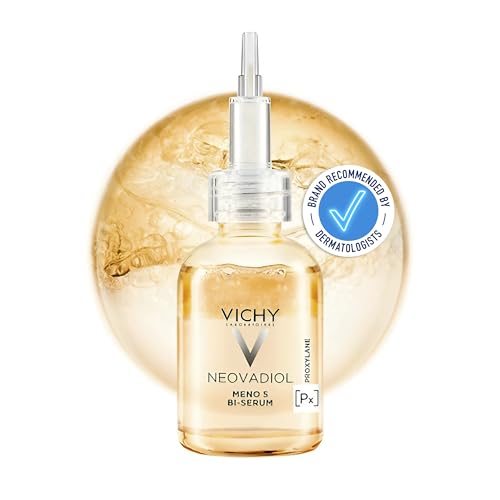
Vichy
Neovadiol Meno 5 Bi-Serum
serum · 2.4 l · 23 ingredients
- No essential oils
- No heavy, pore-clogging emollients such as coconut oil and isopropyl myristate
- With salicylic acid
- With niacinamide
When to see a professional
Consult a dermatologist before beginning scar treatment — correct scar type identification is essential, as inappropriate treatment can cause additional trauma or dyspigmentation. Seek specialist care if scars are extensive, if you have a darker skin tone (higher risk of post-procedure hyperpigmentation with aggressive treatments), if you have any raised (hypertrophic or keloidal) scarring requiring intralesional treatment, or if active acne has not yet been fully controlled. The most important time to seek a dermatologist is before scars form — early treatment of severe acne significantly reduces total scar burden.
Frequently asked questions
What is the most effective acne scar treatment in 2026?
The most effective treatment depends entirely on the scar type. For ice-pick scars, TCA CROSS or punch excision produce the best results — surface resurfacing is largely ineffective for their depth. For boxcar scars, ablative fractional CO2 or erbium-YAG laser has the strongest clinical evidence, with studies showing 52.9% improvement. For rolling scars, subcision combined with filler or microneedling is most effective by addressing the fibrous tethering that causes the undulation. Most dermatologists use a combination of procedures tailored to the individual's mix of scar types — combination therapy consistently outperforms single-modality treatment in published research.
Will acne scars fade on their own?
True atrophic or hypertrophic acne scars — structural changes in the dermis — will not fade on their own, because they represent permanent collagen changes that the body does not spontaneously repair to normal architecture. Post-inflammatory hyperpigmentation (the flat dark marks left after acne) is not a true scar and will fade gradually over months to years, significantly faster with consistent sun protection and topical retinoids. If what you have are depressed pits or raised bumps, they require professional treatment — they will not resolve independently.
Can retinol or retinoids improve acne scars?
Topical retinoids (retinol, adapalene, tretinoin) are valuable for managing post-inflammatory hyperpigmentation and preventing new scar formation by controlling acne, but they cannot structurally remodel established atrophic scars. Tretinoin can modestly improve surface skin texture and pigmentation around scars, making them less visible, but the dermal collagen deficit of an atrophic scar requires procedural intervention — a retinoid alone will not fill a depressed pit or release a fibrous tether. Retinoids are best used as part of a broader scar management plan that includes appropriate procedures.
How many laser sessions are needed for acne scars?
Most laser scar protocols require 3–6 sessions for meaningful improvement. Ablative fractional laser (CO2) for boxcar scars typically requires 3–5 sessions at 4–8 week intervals. Non-ablative fractional laser for mixed scar types often requires 4–6 sessions. TCA CROSS for ice-pick scars typically requires 4–8 sessions spaced 4–6 weeks apart. Results continue to improve for 3–6 months after the final session as collagen remodeling matures. Realistic expectations: most patients achieve significant but not complete improvement — a 50–70% improvement in overall scar appearance is a typical realistic outcome across scar types with optimal treatment.
Is microneedling effective for all types of acne scars?
Microneedling has the strongest evidence for rolling scars (shallow fibrous tethering) and shallow boxcar scars, where the mechanical disruption of the dermis and resulting collagen stimulation can reach the relevant depth. For deep ice-pick scars, microneedling performs poorly because the narrow, deep channel is not adequately addressed by standard needle penetration; subcision and TCA CROSS are better options. A 2022 PMC study directly comparing microneedling to glycolic acid peels found microneedling was superior for rolling scars while peels performed better for ice-pick scars — confirming that scar type determines which treatment wins.
How do I know if I have acne scars or just dark spots?
The distinction is simple on inspection. Acne scars are three-dimensional: atrophic scars are depressed below the skin surface — you can feel the indentation if you run your finger over the skin; hypertrophic scars are raised above it. Post-inflammatory hyperpigmentation (dark spots) is completely flat — the skin surface is smooth, only the color has changed. When you stretch the skin around a rolling scar, the indentation partially disappears (confirming fibrous tethering below); a PIH dark mark remains unchanged when the skin is stretched. PIH fades without procedural treatment; scars do not.
Health information, not medical advice.
Beauty Comparison is an independent editorial publication. This page is researched and sourced to the authorities listed below, but it is general information — not a diagnosis or a substitute for personalised advice from a qualified doctor, dermatologist or pharmacist. If your symptoms are severe, spreading, painful, or not improving, see a healthcare professional.Sources
- 01Acne Scarring — Pathogenesis, Evaluation, and Treatment Options — PubMed Central / NIH, 2017-12-01. Classification of atrophic acne scars: ice-pick 60–70%, boxcar 20–30%, rolling 15–25%; over 80% of acne scars are atrophic; TCA CROSS for ice-pick; punch elevation for boxcar; subcision for rolling scars; fillers and laser protocols.
- 02Which type of atrophic acne scar responds to nonablative fractional laser therapy? — PubMed — Journal of the American Academy of Dermatology, 2014-04-01. Boxcar scars achieved 52.9% improvement, rolling scars 43.1%, and ice-pick scars 25.9% with nonablative fractional laser; statistically significant improvement for boxcar scars after four sessions; ice-pick scars most resistant.
- 03A Comprehensive Review of Non-Energy-Based Treatments for Atrophic Acne Scarring — PubMed Central / NIH, 2022-03-01. Subcision most effective for rolling scars; punch excision and grafting for ice-pick; fillers for soft atrophic rolling and boxcar scars; TCA CROSS for ice-pick; combination approaches consistently outperform monotherapy.
- 04A Comparison of Microneedling versus Glycolic Acid Chemical Peel for the Treatment of Acne Scarring — PubMed Central / NIH, 2022-06-01. Microneedling superior for rolling scars; glycolic acid peel achieved better response for ice-pick scars; histological evidence of increased Types I, III, VII collagen and elastin after microneedling.
- 05Acne Scarring — DermNet NZ — DermNet NZ. Classification of atrophic, hypertrophic, and keloidal acne scars; intralesional corticosteroids and silicone sheeting for raised scars; CO2 laser and PDL for surface and vascular treatment; combination approaches recommended.
- 06Practical Evaluation and Management of Atrophic Acne Scars: Tips for the General Dermatologist — PubMed Central / NIH, 2011-09-01. Ice-pick scars most challenging to treat with surface techniques due to depth; punch excision or TCA CROSS most appropriate; rolling scar fibrous tethering mechanism; subcision releases fibrous bands; shallow boxcar responds to surface resurfacing.