Perioral Dermatitis: Causes, What to Avoid & How to Clear It
The short answer
Perioral dermatitis is an inflammatory skin rash around the mouth caused mainly by topical steroids.
What Is Perioral Dermatitis?
Perioral dermatitis (POD) — also called periorificial dermatitis when it extends to the perinasal or periocular areas — is a benign inflammatory skin condition that produces clusters of small red papules, vesicles (tiny fluid-filled bumps), pustules, and scaly patches. The eruption is centered around the mouth, typically sparing a narrow clear zone directly at the lip border (the vermilion border). It looks similar to acne or rosacea at first glance, which is why it is frequently misidentified.
Despite its benign nature, perioral dermatitis is uncomfortable. Most patients describe a burning or stinging sensation, and itching is also reported. The rash is cosmetically distressing, often prompting patients to apply more products — particularly moisturizers and steroid creams — which typically worsens the condition.
Who Gets Perioral Dermatitis?
Perioral dermatitis most commonly affects women between the ages of 20 and 45. It also occurs in children (where it is more evenly distributed between sexes) and occasionally in men. The female predominance in adults may be linked to heavier use of topical cosmetics and greater exposure to fluorinated toothpaste and nasal steroid sprays.
No significant racial differences in susceptibility have been established, though under-reporting in darker skin tones — where inflammation may appear less visually obvious — may mean prevalence is underestimated across skin of color.
Causes and Triggers
The precise mechanism behind perioral dermatitis is not fully understood. A dysfunction of the skin's epidermal barrier is thought to be central. Several triggering factors are well-established:
Topical Corticosteroids (The Strongest Trigger)
The most consistently implicated cause is topical steroid use on the face. This includes:
- Over-the-counter hydrocortisone creams applied to the face for unrelated reasons
- Prescription topical steroids (particularly medium- to high-potency formulations)
- Inhaled corticosteroids (nasal steroid sprays that drip onto perioral skin)
- Steroid-containing eye drops that run down the face
What makes steroids particularly problematic in POD is that they initially suppress the rash — making the skin feel better — but generate a rebound flare when stopped. Many patients unknowingly enter a cycle of steroid application → temporary relief → worsening rash → more steroid application. This cycle must be broken as part of treatment.
Skincare Products and Cosmetics
Heavy occlusive moisturizers, rich creams, and foundation are consistently associated with POD. The occlusive texture may trap microorganisms or alter the follicular environment. Sunscreen — particularly thick formulations — has also been implicated. Fragrance in cosmetics may contribute in some individuals.
Fluorinated Toothpaste
Fluoride in toothpaste is a recognized trigger. Some patients see significant improvement simply by switching to a fluoride-free toothpaste, though this is not effective for everyone. Chewing gum and dental materials have also been cited.
Hormonal Factors
The strong female predominance and the documented association with oral contraceptive use suggest hormonal involvement, though the mechanism is not clearly established.
Potential Infectious Agents
Several microorganisms have been proposed as co-factors rather than primary causes: Demodex folliculorum mites, Candida albicans, and fusiform bacteria. These are found more frequently in POD lesions than in normal skin, but whether they drive the condition or simply colonize compromised skin is unclear.
Face Mask Use
Increased POD cases were documented during the COVID-19 pandemic, associated with prolonged face mask use. The occlusion and microclimate change around the perioral area are the proposed mechanism.
What Perioral Dermatitis Looks Like
Classic perioral dermatitis presents as:
- Clusters of small (1–2 mm) red or skin-colored papules and pustules in a perioral distribution
- Scaling and mild erythema of the surrounding skin
- A clear zone directly at the lip edge (the vermilion border is typically spared — a clinically useful distinguishing feature)
- Burning or stinging more than itching, though pruritus does occur
- The rash may extend to the nasolabial folds, chin, and cheeks
When involvement spreads to the periocular or perinasal region, the term periorificial dermatitis is more accurate. A less common variant, granulomatous perioral dermatitis, presents with flesh-colored or yellowish papules and affects children disproportionately.
Diagnosis
Perioral dermatitis is a clinical diagnosis — made by visual examination, not laboratory tests. No blood work is needed. A skin biopsy is occasionally performed for atypical or treatment-resistant presentations; histopathology shows a perifollicular and perivascular lymphohistiocytic inflammatory infiltrate, but this is non-specific.
The key diagnostic features are:
| Feature | Perioral Dermatitis |
|---|---|
| Location | Perioral, perinasal, periocular; spares vermilion border |
| Lesion types | Papules, pustules, scaling — no comedones |
| Age group | Typically 20–45 in women; all ages in children |
| Key history | Topical steroid or heavy cosmetic use on the face |
| Associated symptoms | Burning/stinging, sometimes itching |
For a detailed side-by-side comparison with rosacea, see the perioral-dermatitis-vs-rosacea guide.
Treatment: The Zero-Therapy Approach First
All clinical guidelines recommend zero therapy as the mandatory first step for every patient — before any medications are prescribed. Zero therapy means:
- Stop all facial cosmetics — foundation, blush, concealer, powder
- Stop all moisturizers and face creams — including night creams and eye creams
- Stop sunscreen (temporarily — reintroduce as a lightweight gel or mineral SPF once the rash clears)
- Stop fluorinated toothpaste — switch to a fluoride-free alternative
- Wash the face with warm water only until the rash resolves
- Taper or stop topical steroids — do not stop abruptly if using a potent formulation; discuss a taper plan with your doctor to minimize rebound
This approach alone resolves mild perioral dermatitis in a meaningful proportion of patients. It may take 4–8 weeks to see full benefit.
Medical Treatments
When zero therapy alone is insufficient, or when the presentation is moderate to severe, prescription treatments are added:
Topical Treatments (First-line for Mild-Moderate Cases)
- Topical metronidazole 0.75%–1% gel or cream: The most commonly prescribed first-line topical. Anti-inflammatory properties are the primary mechanism.
- Topical azelaic acid 15%–20%: Antibacterial and anti-inflammatory; useful where metronidazole is not tolerated or as a combination option.
- Topical erythromycin or clindamycin gel: Antibiotic-class topicals; less commonly used as sole therapy given antibiotic stewardship concerns.
- Topical calcineurin inhibitors (tacrolimus 0.03%–0.1%, pimecrolimus 1%): Useful in steroid-induced POD cases where conventional topicals haven't worked; immune-modulating rather than antibiotic. These must not be used long-term without dermatologist supervision given boxed warning considerations.
- Topical sulfur preparations: An older option with some supporting evidence.
Oral Antibiotics (First-line for Moderate-to-Severe Cases)
Oral tetracycline-class antibiotics are the most effective treatment for moderate-to-severe perioral dermatitis and are the go-to when the rash is extensive, painful, or unresponsive to topical therapy:
- Tetracycline 500 mg twice daily for 8–12 weeks — the traditional first-line oral option
- Doxycycline 50–100 mg twice daily — better tolerated than tetracycline; less phototoxic at lower doses; subantimicrobial dosing (40 mg modified-release) has been used
- Minocycline — an alternative, but associated with more side effects than doxycycline (vestibular effects, pigmentation)
- Sarecycline — a newer, narrow-spectrum third-generation tetracycline (FDA-approved for acne) showing promising results in POD case series, with lower photosensitivity and reduced impact on gut microbiota than older tetracyclines; larger controlled trials are still needed
- Erythromycin — the preferred alternative for pregnant women and children under 8 years (in whom tetracyclines are contraindicated)
A 2024 retrospective review published in Dermatology and Therapy reported a 100% response rate with sarecycline across six patients with periorificial dermatitis, though this was a small study requiring confirmation in larger trials.
A 2025 retrospective case series found that topical ivermectin 10 mg/g cream (alone or combined with doxycycline) produced good-to-excellent improvement in all five patients treated, with complete remission in those receiving the combination — suggesting emerging options beyond classic antibiotics, though again in small uncontrolled series.
Severe or Refractory Cases
- Low-dose isotretinoin (off-label) — used for granulomatous or refractory POD not responding to antibiotics; requires prescriber monitoring and pregnancy prevention given teratogenicity
- Topical ruxolitinib 1.5% cream — a JAK inhibitor (FDA-approved for atopic dermatitis and vitiligo) has shown effectiveness in granulomatous POD in case reports; larger trials are underway
What to Avoid Going Forward
Once perioral dermatitis clears, minimizing re-exposure to triggers is essential to prevent relapse:
| Category | Avoid | Safer Alternatives |
|---|---|---|
| Topical steroids | Any potency on the face without dermatologist guidance | Calcineurin inhibitors for inflammatory flares (under supervision) |
| Moisturizers | Heavy creams, occlusive formulas, rich night creams | Lightweight, fragrance-free gel moisturizers after rash resolves |
| Sunscreen | Thick, occlusive, heavily fragranced formulas | Lightweight gel or fluid mineral SPF 30+ |
| Toothpaste | Fluorinated toothpaste (if triggered previously) | Fluoride-free toothpaste during active flares |
| Cosmetics | Heavy foundation, powder | Mineral foundation once skin has cleared |
| Skincare actives | Retinoids, AHAs, BHAs during active flare | Reintroduce carefully after clearance, under guidance |
Prognosis: Will It Come Back?
Perioral dermatitis is frequently chronic and relapsing. Without addressing the trigger, the rash returns. With appropriate zero therapy plus antibiotic treatment, most patients achieve clearance within 8–12 weeks. Relapses can occur, particularly with re-exposure to topical steroids; the same treatment approach that worked initially is usually effective again.
The condition is not caused by poor hygiene and is not contagious. It does not scar (unlike nodular acne or severe rosacea), but persistent untreated inflammation can lead to post-inflammatory hyperpigmentation in those with darker skin tones.
When to See a Dermatologist
Perioral dermatitis can often be started on zero therapy independently, but see a dermatologist if:
- The rash has not improved within 4–8 weeks of stopping all potential triggers
- The rash is severe, painful, or covers a large area of the face
- The eruption is spreading to the eye area (periocular involvement can rarely affect the conjunctiva)
- You suspect topical steroids may be involved but need guidance on safe tapering
- You are pregnant (oral tetracyclines are contraindicated — alternatives must be discussed)
- The rash has returned more than twice despite appropriate treatment
Products that fit: sensitive skin
Picked by code from each product's full ingredient list.

Naturium
Marshmallow Root Barrier Balm
moisturizer · 50 g · 58 ingredients
£21.60−20%Amazon UK
- Fragrance-free
- No essential oils
- No drying alcohol
- No MI/MCI
- No menthol, camphor and witch hazel
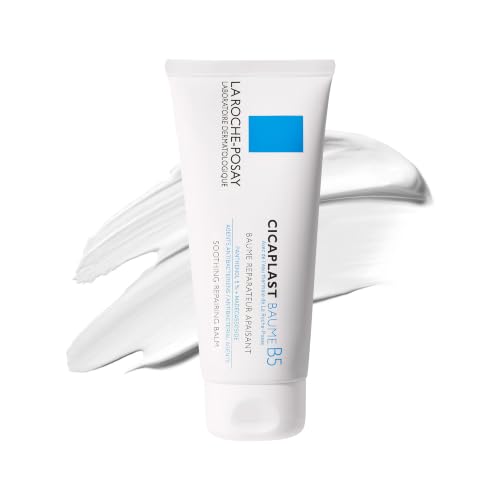
La Roche-Posay
Cicaplast Baume B5 Soothing Repair
moisturizer · 100 ml · 33 ingredients
- Fragrance-free
- No essential oils
- No drying alcohol
- No MI/MCI
- No menthol, camphor and witch hazel

Beauty of Joseon
Red Bean Water Gel
moisturizer · 99.9 ml · 58 ingredients
- Fragrance-free
- No essential oils
- No drying alcohol
- No MI/MCI
- No menthol, camphor and witch hazel

Uriage
Xemose C8+ Lipid-Replenishing Anti-Itch Balm
moisturizer · 500 ml · 24 ingredients
£19.30−17%Amazon UK
- Fragrance-free
- No essential oils
- No drying alcohol
- No MI/MCI
- No menthol, camphor and witch hazel
Amazon UK prices as of 6 November 2026, 06:19 GMT; Amazon sets the final price at checkout.
When to see a professional
See a dermatologist if: the rash has not improved after 4–8 weeks of zero therapy; the rash is severe, widespread, or significantly painful; there is periocular involvement; you are using topical steroids on the face and need guidance on safe tapering; you are pregnant (oral tetracyclines are contraindicated and alternatives must be discussed); or perioral dermatitis has relapsed more than twice. Early dermatologist input leads to faster clearance and helps rule out mimicking conditions such as rosacea, contact dermatitis, or seborrheic dermatitis.
Frequently asked questions
Is perioral dermatitis still treated with antibiotics in 2026?
Yes. Oral tetracycline-class antibiotics — doxycycline, tetracycline, or the newer sarecycline — remain the most effective prescription treatment for moderate-to-severe perioral dermatitis and are still the first-line recommendation in dermatological practice. No FDA-approved treatment specifically for POD exists, but the antibiotic response is typically reliable. Newer options like topical ivermectin and the JAK inhibitor ruxolitinib are being studied and show promise in early case series, but they are not yet standard care. Zero therapy (removing all triggers) remains the foundational first step for everyone, regardless of severity.
How long does perioral dermatitis take to clear?
With zero therapy (stopping all triggers) alone, mild cases may begin to improve within 2–4 weeks, with full clearance in 4–8 weeks. With prescription oral antibiotics added, most moderate-to-severe cases see significant improvement within 4–6 weeks and full clearance within 8–12 weeks. It is important not to resume moisturizers, cosmetics, or sunscreen too quickly — wait until the rash has fully resolved, then reintroduce products cautiously, starting with minimal, fragrance-free formulas.
Can I use moisturizer with perioral dermatitis?
During an active flare, the evidence-based recommendation (zero therapy) is to stop all moisturizers and face creams temporarily, washing the face with warm water only. This counter-intuitive advice works because occlusive moisturizers are a recognized trigger. Once the rash has cleared, you can reintroduce a very lightweight, fragrance-free gel moisturizer — avoiding rich creams, occlusive balms, and anything with heavy emollients. A dermatologist can guide reintroduction based on your skin's response.
Is perioral dermatitis the same as rosacea?
No, though some authors consider perioral dermatitis a rosacea variant because both respond to similar treatments. Key differences: perioral dermatitis typically affects younger women (20–45), concentrates around the mouth with vermilion sparing, and lacks the flushing, persistent central facial redness, and visible blood vessels (telangiectasia) that characterize rosacea. Rosacea predominantly affects older adults (30–60), covers the central face including the nose and cheeks, and often presents with flushing and telangiectasia. See the full comparison at [perioral-dermatitis-vs-rosacea](/perioral-dermatitis-vs-rosacea).
Can steroid creams cause perioral dermatitis?
Yes — topical corticosteroids applied to the face are the single strongest known cause of perioral dermatitis. This includes over-the-counter hydrocortisone, prescription topical steroids, nasal corticosteroid sprays that drip onto the perioral skin, and occasionally inhaled steroids. Steroids initially suppress the rash, which is why many people keep using them — but they cause a rebound flare on withdrawal, creating a difficult cycle. Stopping steroids is essential for clearing POD, but abrupt cessation of a potent steroid should be done under medical guidance to manage the expected temporary rebound.
What is the difference between perioral dermatitis and acne?
The most important clinical distinction is that perioral dermatitis produces no comedones (blackheads or whiteheads) — which are the hallmark of acne. POD lesions are small papules and pustules clustered around the mouth, often with scaling and burning rather than the deep cysts or widespread distribution of acne. POD also spares the vermilion border (the rim of the lip). Acne is typically more widespread across the T-zone and can include all lesion types. Using acne treatments (especially benzoyl peroxide or strong retinoids) on active POD can worsen the rash — a dermatologist should confirm the diagnosis before treatment.
Health information, not medical advice.
Beauty Comparison is an independent editorial publication. This page is researched and sourced to the authorities listed below, but it is general information — not a diagnosis or a substitute for personalised advice from a qualified doctor, dermatologist or pharmacist. If your symptoms are severe, spreading, painful, or not improving, see a healthcare professional.Sources
- 01Perioral Dermatitis — StatPearls — NCBI Bookshelf / National Library of Medicine, 2023-08-14. Definition, epidemiology (predominantly women 20–45), causes (topical steroids strongest), zero therapy as first-line, tetracycline-class antibiotics as primary treatment, clinical features including vermilion sparing and no comedones, prognosis of chronic-relapsing course.
- 02Periorificial Dermatitis — Authoritative Guidance — DermNet NZ, 2023-01-01. Definition of periorificial vs perioral dermatitis, zero therapy protocol (water-only wash, stop all cosmetics/sunscreen), topical metronidazole and calcineurin inhibitors, oral tetracycline as first-line systemic, Demodex and Candida as possible co-factors.
- 03Perioral Dermatitis: Treatment, Symptoms & Causes — Cleveland Clinic, 2023-06-01. Thirteen identified triggers including topical and inhaled steroids, fluorinated toothpaste, heavy cosmetics; full topical and oral treatment options; clinical presentation including burning sensation and vermilion sparing; diagnosis by visual examination.
- 04A Retrospective Review of Patients with Periorificial Dermatitis Treated with Sarecycline — PMC / Dermatology and Therapy, 2024-06-01. Sarecycline (third-generation tetracycline, FDA-approved for acne) achieved 100% response rate in six periorificial dermatitis patients over 30–180 days; advantages include lower photosensitivity (0.2%), minimal nausea, no vestibular side effects, reduced gut microbiota impact versus older tetracyclines.
- 05Topical Ivermectin for Perioral Dermatitis: A Retrospective Case Series — PMC / NIH, 2025-01-01. Topical ivermectin 10 mg/g cream alone or combined with doxycycline 40 mg produced good-to-excellent improvement (IGA 0–2) in all five patients within 6–13 weeks; combination therapy achieved complete remission in three patients with steroid-induced POD.