Perioral Dermatitis Skincare: What to Use & Stop Using
The short answer
Stop all face creams, cosmetics, and fluorinated toothpaste immediately.
The Skincare Principle That Governs Perioral Dermatitis: Less Is More
The paradox at the center of perioral dermatitis (POD) is that most of the products people instinctively reach for — soothing creams, SPF, foundation to cover the redness — make the condition worse. Perioral dermatitis skincare is governed by a single principle: radical simplification during the flare, and cautious minimalism in maintenance.
This is the science behind zero therapy — the first-line protocol endorsed by dermatological sources including DermNet NZ and the StatPearls clinical review database. Zero therapy is not an alternative to treatment; it IS the treatment for mild cases, and the essential foundation for medical treatment in moderate-to-severe cases.
Phase 1: Zero Therapy — What to Stop (And Why)
Stop All Moisturizers and Face Creams
Heavy moisturizers are a recognized and documented trigger for perioral dermatitis. This includes:
- Night creams and rich day moisturizers
- Facial oils applied over the perioral area
- Lip balms applied broadly to the perioral skin (not just the lips)
- "Barrier repair" creams and occlusive balms
The mechanism is likely multi-factorial: occlusive products may trap microorganisms, alter the follicular microenvironment, and disturb the natural skin flora. The instruction to stop moisturizing feels counterproductive because the skin may feel dry and tight — but this is temporary, and persisting with moisturizer delays clearance.
Stop All Cosmetics
Foundation, concealer, powder, blush, and bronzer all need to stop during an active flare. Even "non-comedogenic" products can worsen POD — the issue is not just clogged pores but the occlusion, fragrance, and emollient ingredients in these products. The inflammatory reaction needs an unobstructed recovery.
Stop Sunscreen (Temporarily)
Thick, cream-based, and heavily fragranced sunscreens are triggers. This does not mean never wearing SPF — it means stopping during the acute flare and reintroducing a lightweight formulation once the rash has cleared. Mineral-only SPF in a fluid or gel texture is the better option long-term for POD-prone skin.
Stop Fluorinated Toothpaste
Fluoride in toothpaste is a clinically documented trigger in some patients. Try switching to a fluoride-free toothpaste while the rash is active. Note: this is not universally effective and is not a substitute for treating the underlying condition, but it is a low-risk change.
Stop All Topical Steroids — Carefully
If you have been applying any topical steroid cream (even OTC hydrocortisone) to the perioral area, it must stop — but not abruptly if you have been using medium- or high-potency steroids. Abrupt cessation causes a predictable and often severe rebound flare that temporarily looks worse than the original rash. Work with a dermatologist to step down to lower potency before stopping entirely.
Nasal steroid sprays that drip onto the skin should also be discussed with your prescribing doctor — an alternative spray technique or formulation may reduce perioral contact.
What to Wash With
During zero therapy: warm water only. No cleanser. This is temporary, not a long-term recommendation. The goal is to remove all potential irritants from contact with the inflamed skin. If the skin feels excessively dry and tight, a tiny amount of plain petroleum jelly (petrolatum) applied to the most affected area only — not as a face-wide moisturizer — can provide minimal, fragrance-free barrier support, though even this should be discussed with a dermatologist.
Phase 2: Once the Rash Clears — What to Cautiously Reintroduce
Full clearance typically takes 4–12 weeks depending on severity and whether prescription treatment was needed. Reintroducing products too quickly is a common cause of relapse. Introduce one product at a time, with at least 2–3 days between additions.
Step 1: A Gentle Non-Soap Cleanser
The first product to bring back. Choose:
- Water-based gel or lotion cleansers with no sulfates, fragrance, or alcohol
- Micellar water as a gentle alternative if the skin is still reactive
- pH-balanced formulas (around pH 4.5–5.5) — harsh alkaline bar soaps should remain avoided permanently
Avoid: foaming cleansers with sodium lauryl sulfate (SLS), fragrant cleansers, exfoliating cleansers, oil cleansers (temporarily — occlusive ingredients should wait until skin is stable)
Step 2: A Lightweight Fragrance-Free Moisturizer
Only once the skin is fully clear. The texture matters:
| Texture | POD-Prone Skin Notes |
|---|---|
| Gel (water-based) | Best option — non-occlusive, minimal ingredients |
| Lotion | Acceptable if fragrance-free and without heavy emollients |
| Cream | Use caution — richer textures can re-trigger; wait until skin is fully stable |
| Occlusive balm / ointment | Avoid except for targeted lip application |
| Facial oil | Avoid during recovery; reintroduce cautiously if tolerated later |
Key ingredients to look for in a POD-safe moisturizer:
- Glycerin — humectant, non-occlusive
- Hyaluronic acid — humectant, well tolerated
- Ceramides (at low concentration) — barrier-supportive; generally well tolerated though watch for reaction
- Niacinamide — anti-inflammatory, barrier-supportive; generally safe in POD
Key ingredients to avoid:
- Fragrance and essential oils — common irritants
- Heavy emollients (lanolin, mineral oil, petrolatum in full-face application)
- Preservatives with high sensitization potential (methylisothiazolinone, formaldehyde releasers)
- Alcohol (denatured) — drying and irritating
Step 3: A Lightweight Mineral SPF
Daily SPF is important for overall skin health and is particularly relevant if you are on doxycycline (which increases photosensitivity). When choosing sunscreen for POD-prone skin:
- Mineral-only formulas (zinc oxide, titanium dioxide) are less likely to occlude the perioral area and have no active chemical ingredients that could irritate
- Fluid or gel texture — avoid thick creams and lotions
- Fragrance-free — non-negotiable
- Non-comedogenic labeling — look for this but understand it does not guarantee POD safety
Avoid: thick sunscreen sticks applied broadly to the face, heavy-cream SPF formulas, SPF with chemical UV filters during recovery (benzone class filters are generally fine for most, but simplicity is the priority)
Step 4: Makeup — A Phased Return
Wait until the skin has been clear for at least 2–4 weeks before reintroducing cosmetics:
- Mineral powder foundation — generally better tolerated than liquid foundation during the first weeks back
- Fragrance-free, non-comedogenic formulas — required
- Apply makeup with clean tools — dirty brushes and sponges harbor bacteria and yeast
- Remove makeup gently — oil cleanser or micellar water, not makeup wipes with alcohol or fragrance
- Avoid full-coverage, long-wear, or transfer-proof foundations initially — these often contain more occlusive ingredients
Skincare Actives and Perioral Dermatitis
During an Active Flare: Stop All Actives
| Active Ingredient | During Flare | After Clearance |
|---|---|---|
| Retinoids (retinol, tretinoin, adapalene) | Stop — irritating to inflamed skin | Reintroduce cautiously, low concentration |
| AHAs (glycolic, lactic acid) | Stop — exfoliating disrupts compromised barrier | Reintroduce gradually under guidance |
| BHAs (salicylic acid) | Stop | Can be considered after clearance; avoid perioral area initially |
| Benzoyl peroxide | Stop — causes redness, burning on POD skin | Do not use without dermatologist input for POD |
| Niacinamide | Generally tolerated even during mild flares | Continue; anti-inflammatory and barrier-supportive |
| Azelaic acid (prescription) | May be prescribed as a treatment | Continue if prescribed |
| Vitamin C (L-ascorbic acid) | Stop during acute flare (low pH formulas irritate) | Reintroduce after clearance; choose stable low-irritation formats |
| Peptides | Generally well tolerated | Continue; usually well tolerated |
| Hyaluronic acid | Generally tolerated | Continue |
Toothpaste, Lip Products, and Oral Hygiene
Toothpaste
Fluoride in toothpaste has been documented as a trigger in a subset of POD patients. During an active flare:
- Switch to a fluoride-free toothpaste (note: fluoride is important for dental health; long-term avoidance should be discussed with your dentist)
- Rinse the perioral skin with water after brushing to remove any residue
- Avoid sodium lauryl sulfate (SLS) in toothpaste — also listed as an irritant for some
Lip Balm and Lip Products
- Avoid heavily fragranced, flavored, or menthol-containing lip balms
- Limit application to the lips only — do not spread over the perioral skin
- Plain petroleum jelly applied precisely to the lips is tolerated by most; avoid applying broadly
Long-Term Maintenance Skincare for POD-Prone Skin
Once cleared, perioral dermatitis-prone skin benefits from permanent skincare minimalism:
- Keep the routine short — the more products touching the perioral area, the higher the re-trigger risk
- Always patch-test new products before applying near the mouth
- Avoid topical steroids on the face — this is a permanent recommendation, except under explicit dermatologist instruction
- Use SPF daily — but keep it simple; lightweight mineral formulas only
- Maintain gentle cleansing habits — twice daily with a pH-balanced non-soap cleanser; no aggressive scrubbing
- Watch for early signs of relapse — small papules or burning around the mouth — and re-enter zero therapy immediately rather than waiting for a full flare
For a full clinical overview of the condition, see perioral-dermatitis-guide. For a comparison with rosacea skincare needs, see perioral-dermatitis-vs-rosacea.
Products that fit: sensitive skin
Picked by code from each product's full ingredient list.

Naturium
Marshmallow Root Barrier Balm
moisturizer · 50 g · 58 ingredients
£21.60−20%Amazon UK
- Fragrance-free
- No essential oils
- No drying alcohol
- No MI/MCI
- No menthol, camphor and witch hazel
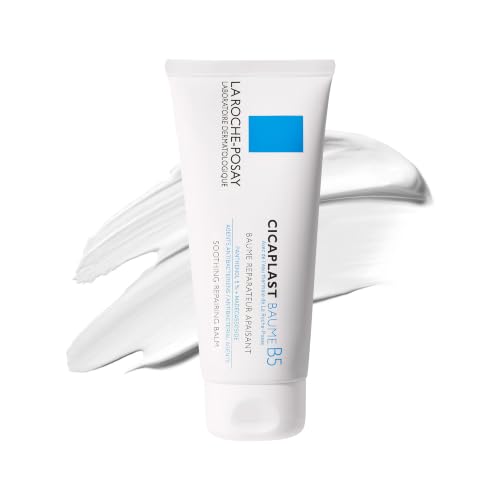
La Roche-Posay
Cicaplast Baume B5 Soothing Repair
moisturizer · 100 ml · 33 ingredients
- Fragrance-free
- No essential oils
- No drying alcohol
- No MI/MCI
- No menthol, camphor and witch hazel

Beauty of Joseon
Red Bean Water Gel
moisturizer · 99.9 ml · 58 ingredients
- Fragrance-free
- No essential oils
- No drying alcohol
- No MI/MCI
- No menthol, camphor and witch hazel

Uriage
Xemose C8+ Lipid-Replenishing Anti-Itch Balm
moisturizer · 500 ml · 24 ingredients
£19.30−17%Amazon UK
- Fragrance-free
- No essential oils
- No drying alcohol
- No MI/MCI
- No menthol, camphor and witch hazel
Amazon UK prices as of 6 November 2026, 06:19 GMT; Amazon sets the final price at checkout.
Frequently asked questions
What skincare is safe to use with perioral dermatitis in 2026?
During an active flare, the evidence-based answer is: as little as possible. Warm water for cleansing, and nothing else, is the recommended zero-therapy protocol for the acute phase. Once the rash clears, a minimal routine of a fragrance-free gentle cleanser, a lightweight non-occlusive moisturizer (gel or lotion), and a lightweight mineral SPF 30+ is appropriate. Niacinamide and hyaluronic acid are among the better-tolerated functional ingredients. All topical steroids, heavy creams, AHAs, BHAs, retinoids, and fragrance should be avoided until the skin has fully recovered.
Can I wear makeup with perioral dermatitis?
Not during an active flare. All facial cosmetics — foundation, powder, concealer, blush — should be stopped as part of zero therapy. Once the rash has fully cleared (typically 4–12 weeks), makeup can be cautiously reintroduced, starting with mineral powder foundation in fragrance-free, non-comedogenic formulas. Heavy, full-coverage, or long-wear foundations should be the last products reintroduced, as they tend to contain more occlusive and potentially irritating ingredients.
Does changing toothpaste actually help perioral dermatitis?
For some patients, yes. Fluorinated toothpaste is a documented trigger for perioral dermatitis in a subset of people. Switching to a fluoride-free toothpaste during a flare is a low-risk change that may contribute to clearance, though it is unlikely to resolve the condition on its own and is not a substitute for addressing other triggers (especially topical steroids) or seeking medical treatment. Note that long-term avoidance of fluoride may affect dental health, so discuss this with both your dermatologist and dentist.
Can I use retinol with perioral dermatitis?
Not during an active flare. Retinoids — including retinol, adapalene, and prescription tretinoin — are irritating to inflamed skin and can worsen perioral dermatitis. They should be stopped when the rash is active. After full clearance, if retinol is important to your routine, it can be carefully reintroduced at a low concentration, applied with caution around the perioral area, and only under dermatologist guidance if you have a history of POD.
What sunscreen should I use if I have perioral dermatitis?
During an active flare, stop all sunscreen as part of zero therapy — it is a potential trigger, especially thick or fragranced formulas. Once the rash clears, choose a lightweight mineral-only SPF (zinc oxide or titanium dioxide) in a fluid or gel texture, fragrance-free, with minimal ingredients. Avoid thick creams, sunscreen sticks applied broadly to the face, and chemical UV filters during the initial reintroduction period. SPF remains important (especially if you are on doxycycline, which increases sun sensitivity), so reintroduce it promptly once the skin has stabilized.
Health information, not medical advice.
Beauty Comparison is an independent editorial publication. This page is researched and sourced to the authorities listed below, but it is general information — not a diagnosis or a substitute for personalised advice from a qualified doctor, dermatologist or pharmacist. If your symptoms are severe, spreading, painful, or not improving, see a healthcare professional.Sources
- 01Perioral Dermatitis — StatPearls — NCBI Bookshelf / National Library of Medicine, 2023-08-14. Zero therapy protocol recommended for all POD patients; discontinuation of all topical steroids, cosmetics, and fluorinated toothpaste; warm-water-only washing during active flare; heavy moisturizers and sunscreens as recognized triggers; topical metronidazole, calcineurin inhibitors, and oral tetracyclines as treatments.
- 02Periorificial Dermatitis — Authoritative Guidance — DermNet NZ, 2023-01-01. Zero therapy first-line for all patients; stop cosmetics, sunscreens, emollients; wash face with warm water only; reintroduce non-soap cleansers and bland fragrance-free emollients after clearance; gel or liquid sunscreens preferred; occlusive products identified as triggers.
- 03Perioral Dermatitis: Treatment, Symptoms & Causes — Cleveland Clinic, 2023-06-01. Stop moisturizers, cosmetics, steroids, fluorinated toothpaste as first management step; topical and oral treatment options; mild fragrance-free soap and warm water for cleansing; fluorinated toothpaste as documented trigger.
- 04Topical Ivermectin for Perioral Dermatitis: A Retrospective Case Series — PMC / NIH, 2025-01-01. All patients in the series discontinued topical glucocorticoids and cosmetics per protocol as part of treatment; combination topical ivermectin plus doxycycline achieved complete remission; this confirms the zero-therapy-plus-medication approach in clinical practice.