Acne: Types, Causes & Every Treatment Option Explained
The short answer
Acne is a common skin condition caused by clogged pores, excess oil, bacteria, and inflammation.
What Is Acne?
Acne vulgaris is a chronic disorder of the pilosebaceous unit — the collective term for the hair follicle and its attached sebaceous (oil) gland. It produces a mix of non-inflammatory and inflammatory lesions, most commonly on the face, neck, chest, upper back, and shoulders. While it peaks during adolescence, affecting roughly 85% of teenagers at some point, acne is not exclusively a teenage problem: 20–40% of adult women experience it for the first time after age 25, and neonatal acne affects around 20% of newborns.
The Four Factors Behind Every Breakout
Acne does not have a single cause. Four biological factors interact and amplify one another inside the pilosebaceous unit:
1. Excess sebum production. Sebaceous glands increase output in response to androgens — hormones that surge at puberty but remain active throughout adult life. More sebum means more raw material for a blockage.
2. Follicular hyperkeratinization. Normally, dead skin cells lining the follicle shed continuously. In acne-prone skin, these cells clump together and adhere to the follicle wall, forming a microcomedone — the invisible starting point of every visible lesion.
3. Cutibacterium acnes colonization. Formerly called Propionibacterium acnes, this anaerobic bacterium thrives in the oxygen-poor, sebum-rich environment of a blocked follicle. It metabolises sebum into free fatty acids that irritate the follicle wall and trigger an immune response.
4. Inflammation. The immune system's reaction to C. acnes and disrupted follicular integrity produces the redness, swelling, and pain associated with inflammatory acne. Even comedones involve some degree of sub-clinical inflammation.
Genetics influence all four factors — if both parents had severe acne, your risk is substantially higher.
Types of Acne Lesions
Understanding lesion types matters because treatment choice depends on what you're treating.
Non-inflammatory lesions
- Closed comedones (whiteheads): The follicle opening remains sealed over the plug of sebum and dead cells, creating a small flesh-toned bump.
- Open comedones (blackheads): The follicle is open to air; the dark color is not dirt but oxidised melanin pigment, not grime.
Inflammatory lesions
- Papules: Small, firm, raised red bumps caused by inflammation around a blocked follicle. No visible pus.
- Pustules: Papules that have developed a visible white or yellow pus-filled center. The classic "spot."
- Nodules: Large (>5 mm), hard, painful lumps that extend deep into the skin. They do not come to a head and often take weeks to resolve.
- Cysts (pseudocysts): The most severe form — fluctuant, pus-filled sacs that can rupture internally and are strongly associated with permanent scarring.
Acne is graded mild, moderate, or severe based on the number, type, and extent of lesions. Cystic and nodular acne are always considered severe.
Causes and Triggers
Hormones
Androgens are the primary driver of sebum overproduction. This explains the prevalence of acne at puberty, before menstruation, during pregnancy, and in conditions like polycystic ovary syndrome (PCOS). Adult hormonal acne in women tends to cluster along the jawline and chin.
Genetics
A strong family history of severe acne is one of the most consistent risk factors identified in research. Inherited differences in sebaceous gland activity and inflammatory response likely explain much of the variation between individuals.
Diet
The relationship between diet and acne has moved from dismissed to cautiously supported. Observational studies published in peer-reviewed literature indicate two patterns:
- High-glycemic-load foods (white bread, sugary drinks, processed snacks) raise insulin and IGF-1 levels, which stimulate sebum production and follicular cell proliferation. Multiple randomized controlled trials have found that low-glycemic-load diets reduce both inflammatory and non-inflammatory lesion counts.
- Dairy, particularly milk, has been associated with worsened acne in cohort studies — one prospective study of over 6,000 adolescent girls found positive associations with full-fat, low-fat, and skimmed milk consumption. The proposed mechanism involves whey protein driving insulin and IGF-1 spikes, not milk fat per se.
The evidence is stronger for glycemic load than for dairy, and neither finding is strong enough to replace evidence-based treatment. However, reducing ultra-processed foods and sugary drinks is a reasonable, low-risk adjunct.
What Does Not Cause Acne
- Poor hygiene. Acne originates inside the follicle, below the skin surface. Blackheads are not dirty pores. Over-washing strips the skin barrier and can worsen inflammation.
- Chocolate (as a standalone cause). The confection studied in older research typically combines sugar, milk, and fat. High-sugar and high-glycemic foods may worsen acne; the chocolate itself is not a direct trigger.
- Stress does not directly cause acne but can worsen existing breakouts by stimulating hormonal pathways.
The Treatment Ladder
Acne treatment is matched to severity. All treatments take time: most require 6–8 weeks of consistent use before results are visible. Patience is not optional.
Step 1 — OTC Topicals (Mild Acne)
These are available without a prescription and are clinically validated as first-line options:
- Benzoyl peroxide (2.5%–10%): A bactericidal agent that kills C. acnes, reduces inflammation, and has mild comedolytic properties. It also prevents antibiotic resistance when used alongside antibiotic treatments. Start at 2.5% to minimize dryness and irritation.
- Salicylic acid (0.5%–2%): A beta-hydroxy acid that penetrates into the follicle, dissolving the bonds between dead skin cells (comedolytic). Best for blackheads and whiteheads; less effective for inflammatory lesions.
- Adapalene 0.1% gel (OTC in the US): A third-generation retinoid that normalizes follicular cell turnover, prevents microcomedone formation, and has anti-inflammatory properties. The AAD's 2024 updated guidelines include it as a first-line option. It can cause initial dryness and purging; start every other night.
Gentle skincare principles alongside any acne treatment: Use a non-comedogenic, fragrance-free cleanser twice daily (not more). Apply a lightweight, oil-free moisturizer — even oily acne-prone skin needs hydration, especially when using drying actives. Apply SPF 30+ daily; many acne treatments increase photosensitivity.
Step 2 — Prescription Topicals (Mild–Moderate Acne)
When OTC options are insufficient, a clinician can prescribe stronger formulations:
- Prescription retinoids: Tretinoin, tazarotene, and trifarotene offer greater potency than OTC adapalene. They are the cornerstone of long-term acne management and also address post-inflammatory hyperpigmentation.
- Topical antibiotics (clindamycin, erythromycin): Should always be combined with benzoyl peroxide to prevent antibiotic resistance. The 2024 AAD guidelines emphasize this pairing as essential stewardship.
- Topical clascoterone: The first FDA-approved topical treatment that directly addresses the hormonal pathways driving sebum production. It blocks androgen receptors in the skin and is suitable for both males and females.
- Azelaic acid (15%–20% prescription; 10% OTC): Antibacterial, anti-inflammatory, and useful for managing post-inflammatory hyperpigmentation alongside acne, particularly in darker skin tones.
- Combination products: Fixed-dose combinations pairing a retinoid with benzoyl peroxide or an antibiotic — such as adapalene/benzoyl peroxide — typically outperform either agent used alone.
Step 3 — Systemic Treatments (Moderate–Severe Acne)
For widespread, nodular, or treatment-resistant acne, oral medications are added:
- Oral antibiotics (doxycycline, minocycline, sarecycline): Reduce C. acnes populations and dampen inflammation. They are effective but intended for short courses (typically 3–6 months) to limit antibiotic resistance. Always combined with a topical retinoid and benzoyl peroxide.
- Combined oral contraceptives: Three formulations are FDA-approved for acne in women (those containing ethinyl estradiol with norgestimate, norethindrone acetate, or drospirenone). They lower free androgen levels and reduce sebum production.
- Spironolactone: An anti-androgen oral medication used off-label for hormonal acne in women. Effective for jawline and chin breakouts driven by androgens. Not appropriate for men due to hormonal side effects.
- Isotretinoin (oral): The most powerful acne treatment available and the only one capable of inducing long-term remission — studies show 80% of patients with severe acne achieve sustained clearance. It simultaneously reduces sebaceous gland size and sebum output, normalizes follicular shedding, diminishes C. acnes colonisation, and suppresses inflammation. Reserved for severe nodular or cystic acne, acne that is scarring, or acne that fails to respond adequately to multiple other treatments. Requires strict prescriber monitoring, mandatory pregnancy prevention protocols (teratogenic), and regular blood tests. Side effects include mucosal and skin dryness, elevated lipids, and rare but serious mood changes — full discussion with a prescribing dermatologist is essential before starting.
Professional Procedures
Dermatologists may use intralesional corticosteroid injections for rapid resolution of individual nodules or cysts, chemical peels, or comedone extraction as adjuncts to medical treatment.
Acne in Skin of Color
All lesion types occur in every skin tone. In darker skin, redness is often less visible, but post-inflammatory hyperpigmentation (PIH) — dark marks left after lesions resolve — is more common and can persist for months to years. PIH is frequently the primary concern for patients with melanin-rich skin. Azelaic acid, niacinamide, and topical retinoids are useful for addressing both acne and PIH simultaneously.
When to See a Dermatologist
Self-managed OTC treatment is a reasonable starting point for mild acne. See a dermatologist if:
- Acne is nodular, cystic, or covers large areas of the face, chest, or back
- Any lesions are causing or threatening scarring
- OTC treatments have been used consistently for 2–3 months without meaningful improvement
- Acne appears suddenly or severely in an adult with no prior history
- Acne is accompanied by signs that may indicate a hormonal disorder — irregular periods, unexplained weight gain, excess facial or body hair (in women), or other signs that warrant investigation
- Acne is significantly affecting mental health or quality of life
Early treatment of severe acne reduces the risk of permanent scarring. Seeking help promptly is not an overreaction — it is the right call.
Products that fit: acne-prone skin
Picked by code from each product's full ingredient list.

Anua
Azelaic Acid 10 Hyaluron Redness Soothing Serum
serum · 30 ml · 35 ingredients
- Fragrance-free
- No essential oils
- No heavy, pore-clogging emollients such as coconut oil and isopropyl myristate
- With salicylic acid
- With niacinamide

Medik8
Calmwise Colour Correct
serum · 50 ml · 41 ingredients
- Fragrance-free
- No essential oils
- No heavy, pore-clogging emollients such as coconut oil and isopropyl myristate
- With niacinamide
- With azelaic acid

Anua
Peach 70 Niacinamide Serum
serum · 30 ml · 45 ingredients
- No essential oils
- No heavy, pore-clogging emollients such as coconut oil and isopropyl myristate
- With salicylic acid
- With niacinamide
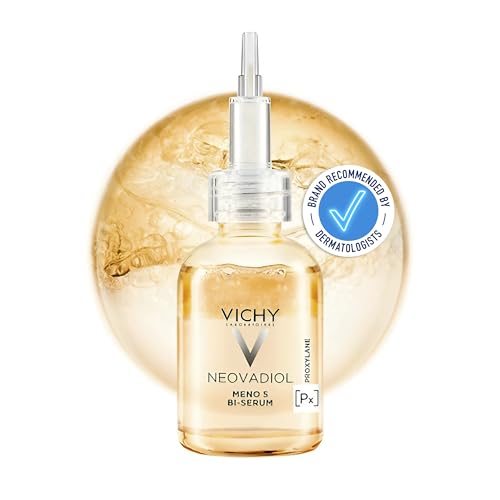
Vichy
Neovadiol Meno 5 Bi-Serum
serum · 2.4 l · 23 ingredients
- No essential oils
- No heavy, pore-clogging emollients such as coconut oil and isopropyl myristate
- With salicylic acid
- With niacinamide
When to see a professional
Consult a dermatologist promptly if: acne includes nodules or cysts; any lesions are causing or risking permanent scarring; OTC treatments used consistently for 2–3 months have produced no meaningful improvement; acne appears suddenly and severely in an adult with no prior history; acne is accompanied by possible signs of an underlying hormonal disorder such as irregular periods, unexplained weight gain, or excess facial or body hair in women; or acne is significantly affecting mental health or quality of life. Early professional treatment substantially reduces the risk of lifelong scarring.
Frequently asked questions
What is the most effective acne treatment in 2026?
No single treatment is universally 'most effective' — the right choice depends on acne severity and type. The AAD's updated 2024 guidelines recommend combination topical therapy (a retinoid plus benzoyl peroxide) as first-line for most patients, with the combination outperforming either agent alone for any severity. For severe nodular or cystic acne, oral isotretinoin remains the gold standard, achieving sustained long-term remission in around 80% of severe cases according to NIH-published research. Newer options like topical clascoterone (targeting hormonal pathways) and oral sarecycline (a narrow-spectrum antibiotic with a lower resistance profile) have been added to the prescription toolkit. A dermatologist can match you to the current evidence-based option for your specific presentation.
What is the difference between a whitehead and a blackhead?
Both are comedones — plugs of sebum and dead skin cells inside a follicle. A whitehead (closed comedone) has a sealed follicular opening, so the contents remain pale. A blackhead (open comedone) has an open follicle; the dark color comes from oxidised melanin, not dirt. Neither is caused by poor hygiene.
Does diet cause acne?
Diet is a contributing factor for some people, not a root cause. The strongest evidence links high-glycemic-load foods (sugary drinks, white bread, processed snacks) to worsened acne by raising insulin and IGF-1 levels. Milk consumption has also been weakly associated with increased acne severity in cohort studies, likely via whey protein driving similar hormonal signals. Reducing ultra-processed foods is a sensible, low-risk measure — but dietary changes alone are unlikely to clear moderate or severe acne and are not a substitute for clinically proven treatments.
How long does acne treatment take to work?
Most topical treatments require at least 6–8 weeks of consistent daily use before visible improvement appears. Some patients experience a brief 'purging' phase — a temporary increase in breakouts — in the first 2–4 weeks when starting a retinoid as it accelerates cell turnover. Oral antibiotics and isotretinoin also take weeks to months. Stopping treatment too early because of no immediate result is one of the most common reasons acne remains unresolved.
Can adults get acne, or is it only a teenage condition?
Acne at any age is common. Research from the AAD indicates that 20–40% of women who develop adult acne experience it for the first time after age 25. Hormonal fluctuations linked to the menstrual cycle, pregnancy, perimenopause, and conditions such as PCOS drive adult female acne. Adult acne often presents differently from teenage acne — concentrating along the jawline and chin — and may respond better to hormonal treatments like spironolactone or combined oral contraceptives.
When does acne require a dermatologist rather than OTC products?
See a dermatologist if: acne is nodular or cystic; any lesion is causing or risking permanent scarring; OTC treatments used consistently for 2–3 months have not worked; acne appears suddenly and severely in an adult; or it is accompanied by possible signs of a hormonal disorder (irregular periods, excess hair growth, unexplained weight changes). Prompt treatment of severe acne significantly reduces the risk of scarring.
Health information, not medical advice.
Beauty Comparison is an independent editorial publication. This page is researched and sourced to the authorities listed below, but it is general information — not a diagnosis or a substitute for personalised advice from a qualified doctor, dermatologist or pharmacist. If your symptoms are severe, spreading, painful, or not improving, see a healthcare professional.Sources
- 01Acne: Who Gets and Causes — American Academy of Dermatology (AAD), 2024-01-01. Prevalence in teenagers; 20–40% of women develop adult acne after 25; ~20% of newborns develop neonatal acne; genetic predisposition to severe acne.
- 02Acne: Diagnosis and Treatment — American Academy of Dermatology (AAD), 2024-01-01. Full OTC-to-prescription treatment ladder including adapalene, benzoyl peroxide, salicylic acid, clascoterone, oral antibiotics, isotretinoin; 6–8 week timeline for results.
- 03American Academy of Dermatology Issues Updated Guidelines for the Management of Acne — American Academy of Dermatology (AAD), 2024-01-01. 2024 updated guidelines recommend combination therapy over monotherapy; antibiotic stewardship requiring simultaneous benzoyl peroxide; topical clascoterone and trifarotene added as options.
- 04Acne Vulgaris: Features, Types, and Treatments — DermNet NZ, 2023-06-01. Definition of acne vulgaris as chronic pilosebaceous disorder; lesion classification (comedones, papules, pustules, nodules, pseudocysts); severity-based treatment ladder including isotretinoin for severe acne.
- 05Acne Vulgaris: Management — NCBI Bookshelf — National Institute for Health and Care Excellence (NICE) via NIH NCBI, 2023-01-01. 12-week first-line treatment course; isotretinoin dosing 0.5–1 mg/kg/day; insufficient evidence for dietary interventions as standalone acne treatment.
- 06Effects of Diet on Acne and Its Response to Treatment — PMC / NIH, 2021-02-01. High-glycemic-load diets associated with increased acne severity; RCTs show low-glycemic diets reduce inflammatory and non-inflammatory lesion counts; milk (all fat levels) associated with acne in prospective cohort; whey protein drives IGF-1/insulin increase.
- 07Exploring Acne Treatments: From Pathophysiological Mechanisms to Emerging Therapies — PMC / NIH, 2024-05-01. Four pathogenic factors: sebum production, follicular hyperkeratinization, C. acnes colonisation, and inflammation; isotretinoin achieves long-term remission in ~80% of severe acne patients.