Cystic Acne: What It Is & Why It's So Hard to Treat
The short answer
Cystic acne (nodulocystic acne) is the most severe end of the acne spectrum, characterized by large, deep, fluctuant, pus-filled cysts and firm nodules that extend into the dermis and subcutaneous tissue.
What Is Cystic Acne?
Cystic acne — formally called nodulocystic acne — is the most severe form of acne vulgaris. It produces two distinct lesion types that both extend deep into the skin: nodules (hard, solid, painful lumps greater than 5 mm that do not come to a head) and cysts (fluctuant, pus-filled sacs that can rupture internally). Both develop when a blocked follicle triggers a full-thickness inflammatory response involving the deep dermis and, in severe cases, the subcutaneous fat.
The term "cystic acne" is sometimes used loosely to describe any deep, painful breakout, but true cysts and nodules are histologically and clinically distinct from the papules and pustules of moderate acne. Cysts are the lesions most strongly associated with permanent, disfiguring scarring — they should be treated as a medical condition, not a cosmetic inconvenience.
Why Cystic Acne Develops
All acne arises from the same four pathogenic factors inside the pilosebaceous unit: excess sebum, follicular hyperkeratinization, Cutibacterium acnes colonization, and inflammation. In cystic acne, all four operate at maximum intensity:
Extreme sebum overproduction. Androgenic hormones drive a level of sebaceous gland activity that rapidly overwhelms follicular capacity, providing abundant substrate for bacterial growth.
Severe follicular hyperkeratinization. The abnormal shedding of cells lining the follicle produces large, stable plugs that fully obstruct the follicular canal.
Heavy C. acnes colonization. The static, anaerobic, sebum-rich environment of a fully obstructed follicle supports rapid bacterial overgrowth. C. acnes releases lipases, proteases, and hyaluronidases that directly damage the follicular wall.
Full-thickness inflammation. When a blocked, bacterially colonized follicle ruptures — either spontaneously or from external pressure — its contents spill into the surrounding dermis. The immune system mounts an intense response involving neutrophils, macrophages, and pro-inflammatory cytokines (IL-1β, TNF-α, IL-17). This reaction produces the large, painful, tissue-destroying lesions of cystic acne and is the direct cause of the collagen loss that leads to atrophic scarring.
Who Gets Cystic Acne?
Cystic acne most commonly affects adolescents at the peak of androgenic hormone activity, but it also disproportionately affects adult women — particularly those with polycystic ovary syndrome (PCOS), perimenopause, or other conditions of relative androgen excess. It has a strong genetic component: a parent with severe cystic acne substantially increases a child's risk. It can also be triggered or worsened by high-dose androgens (anabolic steroids) and by certain medications, including lithium and some anticonvulsants.
How Cystic Acne Differs From Other Acne
| Feature | Mild/Moderate Acne | Cystic / Nodular Acne |
|---|---|---|
| Lesion depth | Surface–mid dermis | Deep dermis and subcutaneous fat |
| Lesion type | Comedones, papules, pustules | Nodules (>5 mm), fluctuant cysts |
| Pain | Mild | Often severe — throbbing, tender |
| Scarring risk | Low to moderate | High — often permanent |
| OTC treatment adequate? | Yes, often | No — prescription required |
| Resolution speed | Days to a few weeks | Weeks to months |
Treatment: What Actually Works
The severity of cystic acne places it firmly in dermatologist territory. The American Academy of Dermatology's 2024 guidelines make clear that cystic and nodular acne should be treated with prescription therapies. Waiting to see whether OTC products "get there eventually" carries a real cost: every week of inadequately treated cystic acne is another week of potential scar formation.
Oral Isotretinoin: The Gold Standard
Oral isotretinoin (Accutane and generic equivalents) is the only acne treatment capable of achieving long-term remission — and it is particularly effective for cystic acne. It works on all four pathogenic factors simultaneously:
- Dramatically reduces sebaceous gland size and sebum production by 70–90%
- Normalizes follicular cell shedding, preventing new comedone and cyst formation
- Reduces C. acnes colonization indirectly by eliminating the sebum-rich environment bacteria depend on
- Suppresses inflammation through multiple immunomodulatory pathways
A landmark double-blind randomized trial published in JAAD demonstrated 95–98% improvement in cystic lesion counts with isotretinoin versus a 57% increase in lesions in the placebo group. Approximately 80% of patients achieve sustained long-term clearance after a full course (typically 4–6 months at 0.5–1 mg/kg/day).
Mandatory monitoring. Isotretinoin requires close dermatologist supervision. It is teratogenic — a single dose taken during pregnancy can cause severe fetal malformations. In the US, all prescribers, pharmacies, and patients must enroll in the iPLEDGE program, which includes mandatory monthly pregnancy tests for people who can become pregnant, two forms of contraception, and regular blood tests to monitor lipids and liver function. Common side effects include significant mucosal and skin dryness, cheilitis (dry, cracked lips), and elevated triglycerides. Rare but serious concerns — including mood changes — require open discussion with your prescribing dermatologist before and during treatment.
Oral Antibiotics
For patients who are not yet candidates for isotretinoin, or as a bridge to it, oral antibiotics — primarily doxycycline, minocycline, or sarecycline — reduce C. acnes populations and suppress the inflammatory cascade. They are effective for inflammatory lesions but do not address the underlying sebum and keratinization drivers, so relapse after stopping is common. Oral antibiotics are intended as short-term treatment (3–6 months maximum) and must always be combined with topical benzoyl peroxide to prevent antibiotic resistance, per AAD 2024 guidelines.
Hormonal Therapies (Women)
For women with hormonally driven cystic acne — particularly jawline/chin clustering, perimenstrual flares, or a confirmed diagnosis of PCOS — hormonal treatments can be highly effective:
- Combined oral contraceptives (three formulations FDA-approved for acne): ethinyl estradiol combined with norgestimate, norethindrone acetate, or drospirenone. They lower circulating androgens and reduce sebum production.
- Spironolactone (off-label for acne): an oral anti-androgen that blocks androgen receptors at the sebaceous gland. Effective for deep jawline and chin cysts in adult women; not suitable for men.
Intralesional Corticosteroid Injections
For a single large, painful cyst that needs rapid resolution — before an important event, for example — a dermatologist can inject a dilute solution of triamcinolone acetonide directly into the cyst. This typically reduces swelling and pain within 24–48 hours by rapidly suppressing local inflammation. It is not a treatment for widespread cystic acne, but a useful acute intervention. A risk of focal skin atrophy exists if concentrations are too high; this is typically temporary.
Prescription Topicals as Adjuncts
While topical agents cannot independently resolve cystic acne, they are useful adjuncts:
- Prescription retinoids (tretinoin, tazarotene, trifarotene): Prevent new comedone formation and reduce post-inflammatory hyperpigmentation. They are part of the maintenance strategy after a cystic flare resolves.
- Topical clascoterone: The first FDA-approved topical androgen receptor blocker — directly reduces sebum production at the follicular level without systemic hormonal effects.
- Adapalene/benzoyl peroxide combination: A fixed-dose OTC/prescription combination effective as maintenance; outperforms either agent used alone.
What Not to Do
Do not squeeze or pick at cysts. The follicular wall is already under pressure. External compression dramatically increases the likelihood of internal rupture, which spills the entire inflammatory contents deeper into the dermis — dramatically worsening the lesion, extending healing time from weeks to months, and greatly increasing scarring risk. The short-term relief of seeing "something come out" is not worth the permanent consequence.
Do not rely solely on OTC products. Benzoyl peroxide washes and salicylic acid treatments have a place in the overall skincare routine, but they cannot penetrate deeply enough or address the sebum and inflammatory drivers required to treat cystic lesions adequately. Using them exclusively while cysts cause scarring is a costly delay.
Do not assume it will clear up on its own. Moderate-to-severe cystic acne rarely resolves spontaneously in adults. Unlike mild teenage acne that sometimes self-limits, cystic acne driven by ongoing androgen activity or genetic factors requires treatment.
Scarring: Prevention Is the Priority
Cystic acne causes two types of scarring:
- Atrophic (pitted) scars: Loss of collagen during intense inflammation creates ice-pick, boxcar, or rolling depressions in the skin. These are permanent without treatment.
- Hypertrophic/keloid scars: Excessive collagen deposition produces raised scars. More common in darker skin tones and on the trunk.
The single most effective strategy for preventing acne scarring is treating cystic acne aggressively and early. Every week of inadequately controlled cystic acne is another week of potential collagen destruction. Once atrophic scars form, treatments such as laser resurfacing, subcision, microneedling, dermal fillers, and chemical peels can improve their appearance, but none can fully restore the original skin architecture. The acne scars guide covers treatment options in depth.
When to See a Dermatologist
See a dermatologist immediately — not after trying OTC options for months — if:
- Any lesion is larger than a standard papule, tender to the touch, or feels like it has fluid
- You have had any scarring from previous breakouts
- Cystic breakouts cluster along the jawline, chin, or neck — especially if they worsen before your period
- You have signs that may indicate PCOS: irregular periods, excess facial hair, or unexplained weight gain alongside cystic acne
- Cystic lesions are affecting your confidence, social life, or mental health
Dermatology access delays mean that starting the consultation process early — even at the first sign of deep, painful breakouts — reduces the total scarring burden significantly.
Products that fit: acne-prone skin
Picked by code from each product's full ingredient list.

Anua
Azelaic Acid 10 Hyaluron Redness Soothing Serum
serum · 30 ml · 35 ingredients
- Fragrance-free
- No essential oils
- No heavy, pore-clogging emollients such as coconut oil and isopropyl myristate
- With salicylic acid
- With niacinamide

Medik8
Calmwise Colour Correct
serum · 50 ml · 41 ingredients
£49.00Amazon UK
- Fragrance-free
- No essential oils
- No heavy, pore-clogging emollients such as coconut oil and isopropyl myristate
- With niacinamide
- With azelaic acid

Anua
Peach 70 Niacinamide Serum
serum · 30 ml · 45 ingredients
£20.00−17%Amazon UK
- No essential oils
- No heavy, pore-clogging emollients such as coconut oil and isopropyl myristate
- With salicylic acid
- With niacinamide
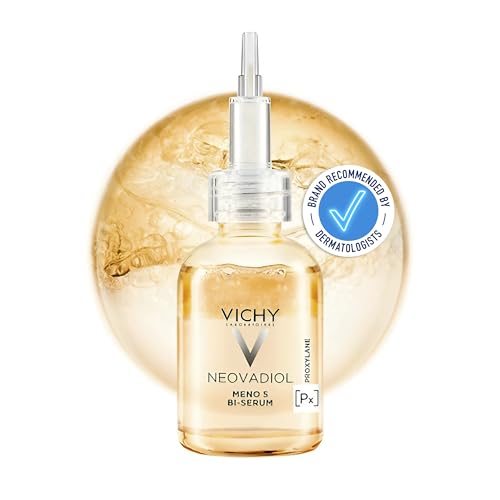
Vichy
Neovadiol Meno 5 Bi-Serum
serum · 2.4 l · 23 ingredients
£32.25−12%Amazon UK
- No essential oils
- No heavy, pore-clogging emollients such as coconut oil and isopropyl myristate
- With salicylic acid
- With niacinamide
Amazon UK prices as of 6 November 2026, 06:19 GMT; Amazon sets the final price at checkout.
When to see a professional
Consult a dermatologist promptly — before trying OTC products for months — if any lesion is deep, nodular, or cystic; if any previous breakout has left a scar; if acne clusters on the jawline and worsens before menstruation; if there are signs of PCOS (irregular periods, excess facial hair, acne together); or if cystic breakouts are affecting mental health or quality of life. Cystic acne causes permanent scarring with every week of inadequate treatment — early prescription intervention is not optional, it is the medically correct course of action.
Frequently asked questions
What is the most effective treatment for cystic acne in 2026?
Oral isotretinoin remains the gold-standard treatment for severe cystic acne and the only one that achieves long-term remission. Published clinical data show 80% of patients achieve sustained clearance after a full course. For women with hormonally driven cystic acne — particularly jawline clustering — combining oral contraceptives or spironolactone with a retinoid is a strong alternative or complementary strategy. For rapid relief of individual large cysts, a dermatologist can perform an intralesional corticosteroid injection, which typically reduces a cyst within 24–48 hours. The 2024 AAD guidelines confirm that nodulocystic acne consistently requires prescription-level treatment.
Is cystic acne the same as regular acne, just worse?
Cystic acne is not simply 'worse' acne — it is a qualitatively different type of lesion that involves a deeper, more destructive inflammatory process. Where a papule or pustule sits near the skin surface, cysts and nodules extend into the deep dermis or subcutaneous tissue. The risk of permanent scarring is far higher, OTC treatments are inadequate, and the underlying drivers — particularly sebum volume and inflammatory intensity — require prescription intervention. The dermatological consensus places nodulocystic acne in a separate severity tier with its own treatment pathway.
Can hormones cause cystic acne in adults?
Yes — hormones are one of the primary drivers of adult cystic acne, particularly in women. Androgens stimulate sebaceous glands directly, and any condition of relative androgen excess — PCOS, perimenopause, high-dose androgen medications — can trigger or worsen cystic acne. In adult women, cystic acne that clusters along the jawline and chin and worsens the week before menstruation is a classic hormonal pattern. This type responds well to anti-androgen therapies such as spironolactone or combined oral contraceptives.
How long does a cystic acne nodule take to go away?
Without treatment, a cystic nodule can persist for weeks to months. With an intralesional corticosteroid injection from a dermatologist, significant reduction often occurs within 24–48 hours. On oral isotretinoin, existing cysts typically begin resolving within the first 4–8 weeks as sebum production collapses, though the full course takes 4–6 months. Attempting to squeeze or lance a cyst yourself dramatically extends healing time and worsens scarring.
Will cystic acne leave permanent scars?
Cystic acne carries the highest scarring risk of any acne type. The deep inflammatory destruction of dermal collagen during a cystic episode creates atrophic (pitted) scars that are permanent without targeted treatment. Some people are more genetically prone to scarring than others, but no one is immune. The most important factor is early, adequate treatment — every week of uncontrolled cystic inflammation is another opportunity for scar formation. Existing atrophic scars can be improved but not fully erased with procedures such as fractional laser, subcision, microneedling, and dermal fillers.
Can diet or skincare trigger cystic acne?
Diet may contribute at the margins — high-glycemic-load foods raise insulin and IGF-1, which stimulate sebum production, and some evidence links dairy to acne severity. Reducing these is a low-risk adjunct but not a substitute for medical treatment. Comedogenic skincare and occlusive hair products applied to the skin (pomades, heavy conditioners) can physically block follicles and worsen existing acne. Neither dietary change nor skincare improvement alone will resolve established cystic acne driven by genetic and hormonal factors.
Health information, not medical advice.
Beauty Comparison is an independent editorial publication. This page is researched and sourced to the authorities listed below, but it is general information — not a diagnosis or a substitute for personalised advice from a qualified doctor, dermatologist or pharmacist. If your symptoms are severe, spreading, painful, or not improving, see a healthcare professional.Sources
- 01Acne Vulgaris — StatPearls, NCBI Bookshelf — National Library of Medicine / NIH, 2024-01-01. Nodulocystic acne pathogenesis: four factors (sebum, hyperkeratinization, C. acnes, inflammation); nodules defined as >5 mm, cysts as fluctuant; scarring strongly associated with cystic lesions.
- 02Isotretinoin versus placebo in the treatment of cystic acne — randomized double-blind study — Journal of the American Academy of Dermatology / PubMed, 1982-06-01. Isotretinoin produced 95–98% improvement in cystic lesion counts; placebo group experienced a 57% increase; 27 of 32 patients treated with isotretinoin cleared completely.
- 03Acne clinical guideline — 2024 update — American Academy of Dermatology, 2024-01-01. AAD 2024 guidelines: nodulocystic acne requires prescription treatment; oral antibiotics must be combined with benzoyl peroxide; isotretinoin indicated for severe or scarring acne; intralesional corticosteroids useful for acute nodules.
- 04Acne treatment: research progress and new perspectives — PubMed Central / NIH, 2024-07-01. Four pathogenic factors in acne; inflammation driven by IL-1β, TNF-α, IL-17; isotretinoin achieves long-term remission in ~80% of severe cases; topical clascoterone as androgen receptor blocker.
- 05Exploring Acne Treatments: From Pathophysiological Mechanisms to Emerging Therapies — PubMed Central / NIH, 2024-05-01. Comprehensive review confirming isotretinoin's ~80% long-term remission rate; combination of topical retinoid and benzoyl peroxide as first-line; hormonal therapies (spironolactone, COCs) for female hormonal acne.
- 06Tips to treat a deep, painful pimple — AAD Patient Education — American Academy of Dermatology. AAD advises against squeezing cysts; recommends intralesional corticosteroid injection by a dermatologist for rapid resolution; emphasizes prescription therapy for nodular and cystic lesions.