Closed Comedones (Whiteheads): Causes & Treatment
The short answer
Closed comedones are clogged hair follicles plugged with sebum and dead skin cells beneath.
What Are Closed Comedones?
Closed comedones are non-inflammatory acne lesions — the classic "whitehead." Each one is a blocked hair follicle in which a mix of sebum (oil) and dead keratinocytes (skin cells) accumulates inside the follicular canal. The distinguishing feature is that the follicular opening (pore) remains covered by a thin layer of skin. This sealed surface means the trapped material cannot oxidize, so the bump stays white, skin-colored, or slightly pearlescent — unlike an open comedone (blackhead), whose exposed contents oxidize and turn dark.
Closed comedones are typically:
- 1–3 mm in diameter, smooth, dome-shaped
- Skin-colored, white, or slightly translucent
- Located on the T-zone (forehead, nose, chin) most commonly, but can appear on cheeks, around the hairline, and on the chest and back
- Non-tender — no inflammation in an uncomplicated comedone
They are sometimes called "congested" skin when present in large numbers, giving the complexion a rough, bumpy, or uneven texture without overt redness.
The Biology of a Closed Comedone
Every closed comedone starts as a microcomedone — a microscopic plug forming inside the follicular duct that is invisible to the naked eye. The four events that build a microcomedone:
- Androgen stimulation of the sebaceous gland increases oil production
- Follicular hyperkeratinization — abnormal shedding of the cells lining the follicle; they clump together and adhere to the follicle wall rather than shedding normally
- Sebum and cell accumulation inside the follicle creates a plug
- A thin layer of skin grows over the follicular opening, sealing the plug inside
What distinguishes a closed comedone from an open one (blackhead) is entirely the status of the follicular opening. Both contain the same material; in an open comedone the contents are exposed to air, oxidize, and turn dark. In a closed comedone, the sealed surface preserves the pale color.
Importantly: every blackhead, pustule, nodule, and cyst begins as a microcomedone. Closed comedones are not the end of the road — they are the starting point. If left untreated and Cutibacterium acnes proliferates in the anaerobic, sebum-rich environment, an inflammatory lesion develops.
What Causes Closed Comedones?
Androgen-Driven Sebum Overproduction
Sebaceous glands are androgen-sensitive. Puberty, the menstrual cycle, PCOS, and elevated androgens in both sexes increase sebum production. More oil means more raw material for comedone formation.
Follicular Hyperkeratinization
The lining of the hair follicle normally sheds dead cells continuously. In acne-prone skin — and in people with a genetic predisposition — this shedding process is dysregulated. Dead keratinocytes clump together and adhere to the follicle wall, forming the solid core of the plug.
Comedogenic Products
Some cosmetic ingredients have a documented tendency to block pores and promote comedone formation. Comedogenicity is a real phenomenon, though it is graded on a 0–5 scale and individual responses vary. High-risk ingredients include certain heavy silicones, coconut oil applied directly to acne-prone skin, isopropyl myristate, and some waxes and lanolin derivatives.
Switching to fully non-comedogenic, fragrance-free skincare is a meaningful lifestyle measure, particularly for people prone to closed comedones without inflammatory acne.
Other Contributing Factors
- Occlusion from makeup or sunscreen — thick, full-coverage products applied daily and not thoroughly removed can contribute
- Hormonal fluctuations — common triggers include the premenstrual week, starting or stopping hormonal contraception, and perimenopause
- Glycemic diet — observational evidence links high-glycemic-load eating patterns to increased comedone formation via insulin/IGF-1 pathways
- Humidity and sweating — prolonged skin occlusion in heat and humidity can increase follicular congestion
Treatment: What Works
First-Line: Topical Retinoids
Retinoids are the most evidence-based treatment for closed comedones because they directly address follicular hyperkeratinization — the core pathological process. Retinoic acid (or adapalene, which binds RAR-β and RAR-γ) normalizes follicular keratinocyte differentiation, loosens the cohesiveness of the cells lining the follicle, and prevents new microcomedone formation.
OTC option: Adapalene 0.1% gel — available without a prescription in the US. The AAD includes adapalene as a first-line comedonal acne treatment. Apply a thin layer to clean, dry skin on affected areas; start every other night and increase to nightly over 4–8 weeks. Allow 8–12 weeks to judge results.
Prescription option: Tretinoin 0.025%–0.1% — more potent than OTC adapalene, with a deeper evidence base for comedonal clearance. The stronger the concentration, the greater the efficacy — and the greater the irritation potential.
Important: Retinoids cause a comedonal purge in the first 2–6 weeks. The accelerated cell turnover flushes existing microcomedones to the surface simultaneously, transiently increasing visible bumps. This is a normal part of the clearing process and should not prompt stopping treatment.
Salicylic Acid (BHA)
Salicylic acid is a beta-hydroxy acid — uniquely oil-soluble, allowing it to penetrate the sebum-filled follicle canal where water-based AHAs cannot reach. Once inside, it dissolves the bonds between dead corneocytes, breaking up the plug. A 2015 PMC review in Journal of Clinical and Aesthetic Dermatology described salicylic acid's mechanism as both keratolytic and comedolytic.
Effective concentrations: 0.5–2% in leave-on products (serums, toners) or 2% in rinse-off cleansers.
Salicylic acid is particularly effective for mixed comedonal/blackhead-prone skin and is the best OTC exfoliant choice for the T-zone. It is less effective than retinoids for normalized comedone prevention but complementary as part of a routine.
AHAs (Glycolic and Lactic Acid)
Alpha-hydroxy acids promote desquamation of the outer stratum corneum by loosening corneocyte cohesion at the skin surface. They do not penetrate follicles as effectively as salicylic acid but help improve overall skin texture and reduce dead-cell buildup. Glycolic acid at 5–10% used as a regular exfoliant reduces the rate of new comedone formation over time.
AHAs and BHAs are complementary — some people use an AHA toner on some nights and a salicylic acid product on others, without combining them on the same application.
Benzoyl Peroxide
Benzoyl peroxide is primarily bactericidal (targeting C. acnes) with mild comedolytic properties. For purely comedonal skin (closed comedones without inflammatory lesions), benzoyl peroxide is less targeted than salicylic acid or retinoids. It becomes more important when comedones are evolving into inflammatory papules and pustules. At 2.5%, it is as effective as higher concentrations with less irritation and bleaching risk.
Building an Evidence-Based Routine for Closed Comedones
AM:
- Gentle, fragrance-free, non-comedogenic cleanser
- Light, non-comedogenic moisturizer
- Broad-spectrum SPF 30+ (non-comedogenic formula — mineral or lightweight chemical)
PM (nights 1, 3, 5 — building to nightly):
- Double cleanse if wearing makeup/sunscreen — oil-based cleanser first, then gentle foaming cleanser
- Wait 10–15 minutes for skin to dry completely
- Adapalene 0.1% gel or prescription tretinoin — pea-size for full face
- Light moisturizer (ceramide-containing) to buffer initial irritation
PM (alternate nights, or AM):
- Salicylic acid 1–2% toner or serum as supplementary exfoliation
What to avoid: Thick oils, heavy butters, lanolin-rich products, or comedogenic ingredients (isopropyl myristate, coconut oil, cocoa butter) directly on congested skin. Fragrance is not directly comedogenic but irritates an already-compromised skin barrier.
Professional Treatments for Resistant Closed Comedones
When topical OTC options are insufficient after 12+ weeks of consistent use, a dermatologist can offer:
- Prescription tretinoin (stronger retinoid; first choice step-up)
- Tazarotene — the strongest OTC-to-prescription retinoid for comedonal clearance
- Comedone extraction — manual removal using a sterile comedone extractor under clinical conditions; not a cure (new comedones reform without treatment) but useful for rapid clearance before an event
- Chemical peels — superficial peels with salicylic acid (20–30%) or glycolic acid (30–50%) performed professionally; reduce comedone density and improve texture
- Prescription azelaic acid (15–20%) — antibacterial and comedolytic; particularly useful for concurrent PIH in darker skin tones
Hormonal Treatments
For women with recurrent closed comedones correlating to the menstrual cycle or with evidence of hormonal excess:
- Combined oral contraceptive pills (specific formulations FDA-approved for acne)
- Spironolactone — anti-androgen; reduces sebum and comedone formation These require a prescribing physician and are not appropriate for all patients.
How Long Does It Take to Clear Closed Comedones?
Closed comedones are among the slower acne lesion types to resolve because they require normalization of the follicular keratinization process — a slow biological change. Evidence-based expectations:
- Weeks 2–6: Possible purge — more bumps visible as existing microcomedones are accelerated to the surface
- Weeks 6–10: Visible reduction in new comedone formation; existing ones beginning to resolve
- Weeks 10–16: Significant improvement in texture; skin feels noticeably smoother
- Months 4–6+: Optimal clearing with consistent retinoid use
If you stop treatment, closed comedones return — the underlying follicular keratinization tendency is chronic. Maintenance at a lower frequency (2–3 nights per week retinoid) is a practical long-term strategy.
Closed Comedones vs. Similar-Looking Skin Concerns
| Closed Comedones | Milia | KP | Sebaceous Filaments | |
|---|---|---|---|---|
| Contents | Sebum + dead cells | Keratin | Keratin (follicular) | Normal sebum in large pores |
| Location | T-zone, face, chest, back | Undereye, cheeks, nose | Arms, thighs, cheeks | Nose, cheeks (large-pored areas) |
| Size | 1–3 mm | 1–2 mm | 1–3 mm | Tiny thread-like, barely visible |
| Skin response | Can evolve to inflammatory acne | Does not evolve to acne | Does not evolve to acne | Normal variant — not removable |
| Best treatment | Retinoids, salicylic acid | Retinoids, extraction | Urea, AHAs | None (normal anatomy) |
Products that fit: acne-prone skin
Picked by code from each product's full ingredient list.

Anua
Azelaic Acid 10 Hyaluron Redness Soothing Serum
serum · 30 ml · 35 ingredients
- Fragrance-free
- No essential oils
- No heavy, pore-clogging emollients such as coconut oil and isopropyl myristate
- With salicylic acid
- With niacinamide

Medik8
Calmwise Colour Correct
serum · 50 ml · 41 ingredients
£49.00Amazon UK
- Fragrance-free
- No essential oils
- No heavy, pore-clogging emollients such as coconut oil and isopropyl myristate
- With niacinamide
- With azelaic acid

Anua
Peach 70 Niacinamide Serum
serum · 30 ml · 45 ingredients
£20.00−17%Amazon UK
- No essential oils
- No heavy, pore-clogging emollients such as coconut oil and isopropyl myristate
- With salicylic acid
- With niacinamide
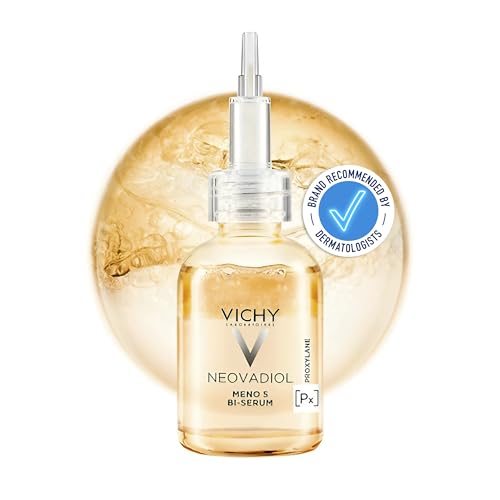
Vichy
Neovadiol Meno 5 Bi-Serum
serum · 2.4 l · 23 ingredients
£32.25−12%Amazon UK
- No essential oils
- No heavy, pore-clogging emollients such as coconut oil and isopropyl myristate
- With salicylic acid
- With niacinamide
Amazon UK prices as of 6 November 2026, 06:19 GMT; Amazon sets the final price at checkout.
When to see a professional
Consult a dermatologist if closed comedones have not improved after 12 weeks of consistent OTC treatment with adapalene and/or salicylic acid; if comedones are converting to inflammatory papules, pustules, or nodules; if they are causing or threatening scarring; if they cluster on the jaw and chin in a hormonal pattern that may benefit from systemic treatment; or if you are uncertain whether the bumps are closed comedones, milia, syringoma, or another condition. A dermatologist can provide prescription-strength retinoids and assess hormonal contributors that OTC products cannot address.
Frequently asked questions
What is the most effective closed comedone treatment in 2026?
Topical retinoids remain the most evidence-based treatment — specifically adapalene 0.1% gel (OTC in the US) for first-line use and prescription tretinoin for more resistant cases. The AAD's 2024 updated acne guidelines continue to place topical retinoids as first-line for comedonal acne because they directly normalize follicular keratinization — the root pathological process. A 2024 PMC comprehensive review of acne treatments confirms retinoids' superior comedolytic mechanism compared to salicylic acid or benzoyl peroxide for non-inflammatory lesions.
Are closed comedones the same as whiteheads?
The terms are used interchangeably in common language, but there is a clinical distinction: a 'whitehead' is loosely used for any white-topped skin bump, while 'closed comedone' specifically refers to a plugged hair follicle with a sealed surface. In clinical dermatology, a true whitehead is a closed comedone. However, a pus-filled pustule (inflammatory acne) with a white tip is also colloquially called a whitehead — it is not the same thing as a comedone. Closed comedones contain no pus and are not inflamed.
Why do I get closed comedones around my mouth and chin?
The perioral and chin area is a hormone-sensitive zone driven by androgen receptors in the sebaceous glands. Closed comedones clustering here, especially in premenstrual timing, strongly suggest a hormonal component to your acne. This pattern is common in adult women. Topical retinoids address the follicular side; a dermatologist can assess whether hormonal treatment (oral contraceptive or spironolactone) would be appropriate if topical management is insufficient.
Can I extract closed comedones at home?
Home extraction of closed comedones is not recommended. The sealed surface means you cannot express them with simple pressure — attempting to squeeze forces the follicular plug sideways into the dermis, triggering inflammation and often converting a non-inflammatory comedone into a red papule. Professional comedone extraction under clinical conditions, with a sterile lance and extractor, is much safer and more effective. If you use a comedone extractor tool at home, you risk causing far more damage than the comedone itself.
Does salicylic acid clear closed comedones faster than retinoids?
Salicylic acid works more quickly than retinoids in the short term by directly dissolving existing plugs, but retinoids provide superior long-term clearing by preventing new microcomedone formation at the biological root. The strongest strategy uses both: a salicylic acid product for immediate plug dissolution and a retinoid (adapalene or tretinoin) for progressive normalization of follicular keratinization. When used together, use them on alternate nights rather than simultaneously to avoid excessive barrier disruption.
Do closed comedones cause post-inflammatory hyperpigmentation?
Uncomplicated closed comedones (non-inflammatory) do not typically cause PIH on their own. PIH arises after inflammation — so a closed comedone that evolves into an inflammatory papule or pustule may leave a dark mark upon healing. The best way to prevent PIH from acne is to prevent the comedone from becoming inflamed in the first place, which is why topical retinoids — by clearing comedones before they progress — are the best long-term PIH prevention strategy for acne-prone skin.
Health information, not medical advice.
Beauty Comparison is an independent editorial publication. This page is researched and sourced to the authorities listed below, but it is general information — not a diagnosis or a substitute for personalised advice from a qualified doctor, dermatologist or pharmacist. If your symptoms are severe, spreading, painful, or not improving, see a healthcare professional.Sources
- 01Comedo — DermNet — DermNet NZ. Clinical definition of closed comedones (uninflamed skin-colored papules with sealed follicular opening); distinction from open comedones; description of comedone pathogenesis.
- 02Acne Vulgaris — StatPearls — NCBI Bookshelf — National Institutes of Health / StatPearls. Four-factor pathogenesis of acne including follicular hyperkeratinization and sebum excess; microcomedone as precursor to all acne lesions; retinoid and salicylic acid mechanisms.
- 03Salicylic Acid as a Peeling Agent: A Comprehensive Review — PMC / Journal of Clinical and Aesthetic Dermatology, 2015-09-01. Salicylic acid is oil-soluble (lipophilic), penetrates sebum-filled follicles, reduces intercellular cohesion of corneocytes, and dissolves existing keratin plugs — comedolytic mechanism confirmed.
- 04A Comprehensive Review of Acne Treatments: Chemical Structures and Effective Bioactive Compounds — PMC / NIH, 2024-01-01. Topical retinoids directly normalize follicular keratinization and loosen keratinocyte cohesiveness to reduce microcomedone formation; retinoids superior comedolytic mechanism vs. BHA/BP for non-inflammatory lesions.
- 05Acne: Diagnosis and Treatment — American Academy of Dermatology (AAD), 2024-01-01. Adapalene included as OTC first-line comedonal acne option; 6–8 week timeline for initial results; combination topical therapy recommended over monotherapy.