Uneven Skin Texture: Causes & How to Smooth It
The short answer
Uneven skin texture — rough, bumpy, or dull-looking skin — is driven by several addressable causes: accumulated dead skin cells slowing natural desquamation, follicular congestion (closed comedones, keratosis pilaris), UV-induced epidermal disorganization, post-acne scarring, and compromised skin barrier.
What Is Uneven Skin Texture?
Uneven skin texture is a broad term describing any deviation from a smooth, even skin surface. Clinically, it encompasses:
- Rough or sandpaper-like surface — from dead cell buildup or follicular plugging
- Visible pores and bumps — enlarged, congested follicles or closed comedones
- Raised, irregular patches — from post-acne scarring or keratosis pilaris
- Dull, flat appearance — from a thickened stratum corneum that scatters rather than reflects light evenly
- Fine lines and creping — from photoaging and reduced collagen/elastin density
These often coexist, which is why effective texture improvement requires identifying which component is dominant and building a targeted routine.
What Causes Uneven Skin Texture?
1. Dead Cell Accumulation (Impaired Desquamation)
The skin naturally sheds dead surface cells every 28–40 days through a process called desquamation. When this process slows — due to aging, low humidity, dehydration, or barrier dysfunction — dead cells accumulate on the surface, creating a dull, rough texture that scatters light unevenly. This is the most common and most addressable cause of textural roughness.
2. Follicular Congestion
Closed comedones — plugged hair follicles filled with sebum and dead cells beneath a sealed surface — create a bumpy, rough surface texture most visible on the T-zone, cheeks, and forehead. Large numbers of closed comedones give skin a congested, uneven appearance even without overt acne. Similarly, keratosis pilaris (keratin plugging of follicles on the arms, thighs, and cheeks) creates a characteristic rough, goosebump-like texture.
3. Ultraviolet Damage (Photoaging)
Chronic UV exposure disorganizes the epidermal architecture in several ways: it slows cell turnover in the upper epidermis, thickens and disorganizes the stratum corneum, stimulates excess melanin production (creating pigment irregularity alongside texture irregularity), and degrades dermal collagen and elastin. The result is skin that looks rough, thick, and uneven. A 2021 PMC study confirmed that glycolic acid applied to UV-damaged skin stimulates collagen production and epidermal renewal, normalizing the disorganized stratum corneum.
4. Post-Acne Scarring
After a moderate or severe inflammatory acne lesion heals, it can leave behind textural changes:
- Post-inflammatory hyperpigmentation (PIH) — flat dark marks (not true scarring, but alters surface appearance)
- Shallow atrophic scars (rolling or boxcar) — indentations in the skin surface where collagen was destroyed during healing
- Ice pick scars — narrow, deep vertical tracts
- Hypertrophic scars or keloids — raised, thickened scar tissue (less common on the face)
Surface texture irregularity from acne scarring is distinct from active breakout roughness and often requires more intensive treatment.
5. Impaired Skin Barrier
A damaged or weakened skin barrier leads to increased transepidermal water loss (TEWL), dehydration, and rough texture. This is common with over-exfoliation, harsh cleansers, environmental damage, or eczema-prone skin. A dehydrated, barrier-compromised skin is also more susceptible to follicular congestion and secondary irritation.
6. Natural Aging
Cellular turnover slows with age — from 28 days in young adults to 50–70+ days in people over 50. Reduced collagen production, declining hyaluronic acid levels, and estrogen changes in menopause all compound to create a thicker, duller stratum corneum and less plump, less uniform dermis. This is why texture concerns increase with age even in people who have never experienced acne or significant sun damage.
The Skincare Ingredients That Actually Work
Alpha-Hydroxy Acids (AHAs): Glycolic and Lactic Acid
AHAs are water-soluble acids that break the adhesive bonds between dead corneocytes at the skin surface, accelerating desquamation. They are the fastest-acting OTC option for texture roughness driven by dead cell accumulation.
Glycolic acid (derived from sugar cane) is the smallest AHA molecule — it penetrates furthest and exfoliates most aggressively. A 2021 PMC review confirmed that glycolic acid at pH 4 stimulates collagen production and epidermal renewal in human skin explants, reducing fine lines and normalizing skin tone as well as texture. Concentrations of 5–15% in leave-on products are appropriate for home use; higher concentrations (20–70%) are used in professional peels.
Lactic acid is larger than glycolic acid, penetrating more slowly and gently — an excellent starting point for sensitive or dry skin types. It has the added benefit of humectant activity, drawing moisture into the skin as it exfoliates.
Practical use: Apply an AHA serum or toner at night, 2–3 times per week to start. Increase frequency over 4–6 weeks as tolerated. Always use SPF the following morning — AHAs increase photosensitivity by removing the protective outer cell layer.
Salicylic Acid (BHA)
Salicylic acid's oil solubility allows it to penetrate follicle canals where AHAs cannot reach. For texture roughness driven primarily by follicular congestion (closed comedones, enlarged pores, blackheads), a BHA is the more targeted exfoliant. At 1–2% in leave-on formulas, salicylic acid consistently reduces comedone density and pore visibility over 8–12 weeks.
Topical Retinoids
Retinoids produce the deepest and most sustained texture improvement of any OTC ingredient. They work at multiple levels simultaneously: accelerating epidermal cell turnover, stimulating Type I collagen synthesis in the dermis, inhibiting matrix metalloproteinases (MMP-1 and MMP-8) that degrade collagen, normalizing follicular keratinization, and reducing melanin pigmentation. These mechanisms address texture from dead cell buildup, follicular congestion, photoaging, and shallow post-acne scarring simultaneously.
A 2023 PMC review confirmed that retinol at concentrations from 0.04% to 1% produces measurable improvements in skin texture, cell turnover, and dermal remodeling within 7 days to 12 weeks. Results compound with sustained use over 6–12 months.
Starting a retinoid for texture: See the retinol guide for the full protocol. For texture concerns specifically, key points are:
- OTC adapalene 0.1% or retinol 0.025%–0.1% every other night to start
- Expect a temporary purge of congested pores in weeks 2–6
- Daily SPF is mandatory throughout
- Results are cumulative — 12–24 weeks to see meaningful texture improvement
Niacinamide (Vitamin B3)
A 2021 PMC review confirmed that niacinamide (5–10%) strengthens the skin barrier by upregulating ceramide synthesis, reduces pore appearance over 12 weeks of consistent use, and inhibits melanin transfer — improving both texture and tone. Niacinamide is one of the best-tolerated active ingredients and can be layered with most other actives. It works particularly well as a buffer alongside retinoids and exfoliants.
Vitamin C
Topical L-ascorbic acid (10–20%) is a potent antioxidant that also stimulates collagen synthesis and inhibits tyrosinase (melanin production). For texture driven by photoaging, a stable vitamin C serum applied in the morning (under SPF) provides meaningful support over 12+ weeks of consistent use. It also neutralizes UV-induced reactive oxygen species — reducing cumulative skin damage that would create new texture irregularity.
Moisturizer and Barrier Support
A skin barrier that is well-hydrated and lipid-rich desquamates more normally — properly hydrated corneocytes shed individually, whereas dehydrated corneocytes clump and create rough patches. A ceramide-containing, fragrance-free moisturizer used twice daily is the foundation that makes all actives work more effectively and reduces irritation-driven barrier damage.
Building a Texture-Smoothing Routine
The optimal routine depends on your primary texture cause. The framework below targets the most common combination (dead cell buildup + follicular congestion + early photoaging):
Morning:
- Gentle, fragrance-free cleanser
- Niacinamide 5–10% serum
- Light ceramide moisturizer
- Broad-spectrum SPF 30+ (mineral or lightweight chemical)
Evening (3–4× per week):
- Oil cleanser (if wearing makeup/SPF), then gentle foaming cleanser
- AHA toner or serum (glycolic 8–10% or lactic 10%) applied to dry skin
- Wait 20–30 minutes
- Ceramide moisturizer
Evening (remaining nights):
- Double cleanse as above
- Retinoid (adapalene 0.1% or retinol 0.025%–0.05%) — pea-size for full face, applied to dry skin
- Wait 20 minutes if sensitive, then apply ceramide moisturizer on top
Rotate the AHA and retinoid nights rather than applying both on the same night — simultaneous use compounds barrier disruption and offers diminishing returns. Once your skin has built tolerance over 2–3 months, some people apply AHA earlier in the evening and retinoid later, but this requires a high-tolerance baseline.
Professional Treatments for Faster, Deeper Results
Topical skincare significantly improves texture but has limits — particularly for post-acne scarring, significant photoaging, and deeper texture irregularity. These in-office procedures provide more dramatic or faster results:
Chemical Peels
- Superficial peels (glycolic 30–50%, salicylic 20–30%, lactic acid, Jessner solution): appropriate for dead cell accumulation, mild photoaging, and comedonal congestion. Minimal downtime.
- Medium peels (TCA 15–35%): treats deeper texture, acne scars, and moderate photoaging. Some peeling and downtime (3–7 days).
- Deep peels (phenol, TCA 35–50%+): significant improvement in deep lines and severe photoaging; significant downtime and requires clinician supervision.
Microneedling
Creates controlled micro-injuries that stimulate the skin's wound-healing response — increasing collagen and elastin production. Particularly effective for atrophic acne scars (rolling and boxcar), enlarged pores, and general textural roughness. A series of 3–6 treatments spaced 4–6 weeks apart typically produces the best results.
Fractional Laser Resurfacing
Ablative or non-ablative fractional lasers (Fraxel, CO₂ fractional, erbium) treat discrete micro-columns of skin, triggering remodeling around them. Highly effective for photoaging, fine lines, atrophic acne scars, and significant textural irregularity. Results are among the most dramatic available with precision and control; downtime depends on ablation depth. Consultation with a board-certified dermatologist is essential.
Microdermabrasion
Mechanical abrasion of the outermost stratum corneum using micro-crystals or a diamond-tipped device. Improves mild textural roughness and dullness; results are modest compared to chemical peels and laser but recovery is minimal. Best for maintenance and mild texture concerns.
When Texture Isn't From Skincare — When to See a Dermatologist
Many texture concerns are cosmetic and respond to consistent skincare. However, see a dermatologist if:
- Texture is accompanied by persistent redness, scaling, or itch — may indicate eczema, psoriasis, rosacea, or contact dermatitis
- You notice rough skin that is rapidly spreading or changing in character — this warrants professional evaluation
- Texture concerns include bumps that you are unsure are KP, closed comedones, or milia — accurate diagnosis guides effective treatment
- Significant acne scarring is present — professional consultation prevents choosing ineffective OTC-only approaches for moderate-to-severe scarring
Timeline: What to Expect
Textural improvement with consistent skincare is progressive, not immediate:
| Timeframe | Typical Change |
|---|---|
| Weeks 1–2 | Dullness begins to reduce with AHA; possible initial sensitivity |
| Weeks 4–6 | Roughness visibly reduced; skin feels smoother to touch |
| Weeks 8–12 | Significant reduction in congested-pore appearance; retinoid texture gains beginning |
| Months 4–6 | Deeper collagen-driven improvements; continued pore refinement |
| Months 6–12+ | Maximum gains with consistent retinoid use; photoaging improvements accumulate |
Stopping exfoliants or retinoids reverses progress over weeks to months. Texture improvement is a sustained practice, not a course of treatment.
Products that fit: dark spots and uneven tone
Picked by code from each product's full ingredient list.

Anua
Peach 70 Niacinamide Serum
serum · 30 ml · 45 ingredients
£20.00−17%Amazon UK
- No essential oils
- With vitamin C
- With niacinamide
- With alpha arbutin
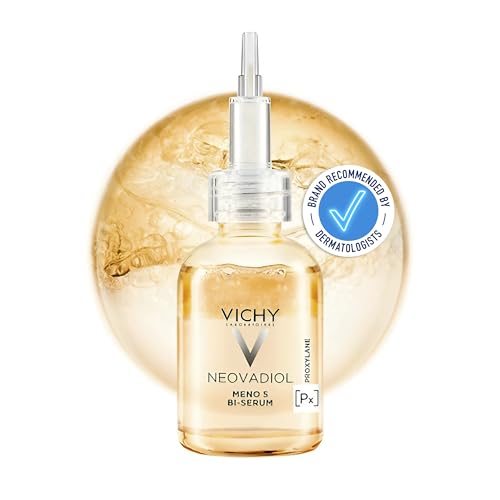
Vichy
Neovadiol Meno 5 Bi-Serum
serum · 2.4 l · 23 ingredients
£32.25−12%Amazon UK
- No essential oils
- With vitamin C
- With niacinamide
- With glycolic acid

Catrice
Glow Super Vitamin Serum
serum · 30 ml · 26 ingredients
- Fragrance-free
- No essential oils
- With vitamin C
- With niacinamide

Paula's Choice
Clinical 20% Niacinamide Treatment
serum · 20 ml · 26 ingredients
£51.49−8%Amazon UK
- Fragrance-free
- No essential oils
- With vitamin C
- With niacinamide
Amazon UK prices as of 6 November 2026, 06:19 GMT; Amazon sets the final price at checkout.
Frequently asked questions
What does current evidence say is most effective for uneven skin texture in 2026?
The best-supported evidence-based approach combines a chemical exfoliant (AHA or BHA) for surface-level desquamation with a topical retinoid for deeper, sustained epidermal and dermal remodeling. A 2023 PMC review confirms retinoids produce measurable texture improvements in skin thickness, cell turnover, and collagen architecture over 7 days to 24 weeks. A 2021 PMC study confirms glycolic acid stimulates collagen production and epidermal renewal in UV-damaged skin. For follicular congestion specifically, salicylic acid targets the root cause more precisely than AHAs. Daily SPF remains the most important preventive measure — new UV damage continuously undermines texture gains.
How long does it take to improve skin texture?
Surface roughness from dead cell buildup typically improves within 2–4 weeks of consistent AHA use. Follicular congestion responds over 8–12 weeks with a BHA or retinoid. Deeper texture improvement — from retinoid-induced collagen synthesis and epidermal remodeling — takes 12–24 weeks of consistent use to become fully apparent, with continued gains up to 12 months. Photoaging and acne scar texture improve most significantly with professional procedures but also respond to sustained retinoid use over 6–12+ months.
Can I use glycolic acid and retinol in the same routine?
Yes, but not on the same night if you are a beginner or have sensitive skin. AHAs and retinoids both disrupt the stratum corneum simultaneously, compounding barrier disruption and irritation. Alternate them: AHA on nights 1, 3, 5 and retinoid on nights 2, 4, 6 for example. Once your skin has built tolerance over 2–3 months, some experienced users apply them at different times on the same night (AHA early evening, retinoid later), but this is not necessary and should only be attempted once baseline tolerance is established.
Does niacinamide actually improve skin texture?
Yes — with moderate evidence. A 2021 PMC review of niacinamide found it improves skin barrier function (via ceramide upregulation), reduces pore appearance over 12 weeks, and improves overall skin surface regularity and clarity. It is not as potent a texture ingredient as retinoids or AHAs, but it is exceptionally well-tolerated, compatible with most actives, and provides barrier-strengthening support that makes other texture ingredients work more effectively. 5% is the most-studied concentration.
Is microneedling or laser better for skin texture?
Both are effective but work by different mechanisms. Microneedling creates controlled micro-injuries that stimulate collagen and elastin production — best for atrophic acne scars, enlarged pores, and general texture in all skin tones. Fractional laser simultaneously removes or remodels skin at controlled depths — excellent for photoaging, fine lines, and severe texture, but higher risk of post-inflammatory hyperpigmentation in darker skin tones and requires more downtime. A board-certified dermatologist can recommend which suits your specific texture concern and skin tone.
Why does my skin feel rough even though I moisturize every day?
Moisturizing addresses dehydration but does not remove accumulated dead skin cells — it only softens them temporarily. If your skin consistently feels rough despite good moisturizer use, you likely need a chemical exfoliant (AHA or BHA) to actively promote desquamation. Alternatively, if the roughness is follicular (bumps rather than general roughness), it may be closed comedones or keratosis pilaris, which require retinoids or keratolytics rather than hydration alone. Identifying which type of roughness you have guides the right ingredient choice.
Sources
- 01Glycolic Acid Adjusted to pH 4 Stimulates Collagen Production and Epidermal Renewal Without Affecting TNF-alpha in Human Skin Explants — PMC / Wiley, 2021-02-01. Glycolic acid at pH 4 stimulates collagen production and epidermal renewal in UV-damaged skin explants, with reduction in fine lines, smoothing of rough and uneven texture, and normalization of skin tone — without increasing proinflammatory TNF-alpha.
- 02Retinoids in the Treatment of Skin Aging: An Overview of Clinical Efficacy and Safety — PMC / Clinical Interventions in Aging, 2006-12-01. Retinol 0.04%–1% produces measurable improvements in skin texture, cell turnover, fine lines, and pigmentation within 7 days to 12 weeks; retinoids increase epidermal thickness and collagen synthesis; results compound with sustained use.
- 03Mechanistic Insights into the Multiple Functions of Niacinamide: Therapeutic Implications and Cosmeceutical Applications — PMC / NIH, 2024-04-01. Niacinamide at 5–10% upregulates ceramide synthesis to strengthen the skin barrier, reduces pore appearance and skin surface irregularity over 12 weeks, and inhibits melanin transfer — improving texture and tone.
- 04Mechanistic Basis and Clinical Evidence for Niacinamide to Control Skin Aging and Pigmentation — PMC / NIH, 2021-08-01. Niacinamide (nicotinamide) combined with retinol in clinical trials shows improvements in wrinkle depth, skin tone evenness, moisture, barrier function, elasticity, and surface morphology over 8–12 weeks.
- 05Sun-Damaged Skin: Photoaging, Signs, Causes & Treatment — Cleveland Clinic. UV radiation disorganizes epidermal architecture, causes rough uneven skin texture, stimulates excess melanin; treatments include retinoids, microdermabrasion, chemical peels, and laser resurfacing.
- 06Salicylic Acid as a Peeling Agent: A Comprehensive Review — PMC / Journal of Clinical and Aesthetic Dermatology, 2015-09-01. Salicylic acid is oil-soluble (lipophilic), penetrates sebum-filled follicles, reduces corneocyte cohesion, and dissolves keratin plugs — improving follicular congestion-driven texture roughness at 1–2% in leave-on formulas.