Paronychia (Infected Nail Fold): Symptoms & When to See a Doctor
The short answer
Paronychia is an infection of the skin around a nail.
What Is Paronychia?
Paronychia is infection and inflammation of the nail fold — the strip of skin that borders and overlies the base and sides of the nail plate. It is one of the most common hand infections encountered in primary care and emergency departments. The condition is divided into two clinically distinct forms based on duration and cause:
- Acute paronychia — develops over hours to days (duration under six weeks), is almost always bacterial, and typically affects a single finger
- Chronic paronychia — persists beyond six weeks, involves Candida (yeast) alongside moisture and irritant damage, and often affects multiple fingers
Understanding which type you have guides treatment entirely differently — antifungal drugs will not help an acute bacterial infection, and antibiotics alone are insufficient for chronic paronychia.
Acute Paronychia
Causes and How It Develops
Acute paronychia begins when the skin barrier around the nail is broken, allowing bacteria to enter the nail fold. The most common precipitating events include:
- Nail biting or cuticle biting — one of the most common causes, transferring oral bacteria to the nail fold
- Aggressive manicuring — cutting, pushing back, or removing the cuticle disrupts the waterproof seal between the nail fold and nail plate
- Ingrown toenails — the nail edge pierces the lateral fold, creating an entry point for bacteria
- Finger sucking (in young children)
- Minor trauma — a splinter, hangnail, or small cut near the nail
The causative organisms are predominantly:
- Staphylococcus aureus — the most common pathogen, including methicillin-resistant S. aureus (MRSA) in some settings
- Streptococcal species
- Pseudomonas aeruginosa
- Anaerobes — particularly when nail biting has introduced oral flora
Symptoms
Acute paronychia typically develops within 24–72 hours of the precipitating event:
- Redness and swelling around one nail fold, usually at the side or base of the nail
- Throbbing pain — often severe and disproportionate to the visible swelling
- Warmth to touch
- Pus collection (abscess) — a yellow or white area of fluctuance beneath the skin, indicating that the infection has progressed to abscess formation
- In severe cases: spreading cellulitis, red streaking up the finger, or systemic signs (fever, malaise) — these indicate a serious spreading infection requiring urgent care
Treatment of Acute Paronychia
Without abscess: Early acute paronychia without a defined pus pocket responds well to conservative management:
- Warm-water soaks (plain water or with dissolved salt) for 15–20 minutes, three to four times daily — this promotes drainage, relieves pain, and may allow early infection to resolve
- For mild, superficial infections, a topical antiseptic may be sufficient
- Oral antibiotics are prescribed for moderate or spreading infections that do not resolve quickly with soaks — typically a penicillinase-resistant penicillin (such as flucloxacillin in the UK, or dicloxacillin/amoxicillin-clavulanate in the US) to cover S. aureus. In settings where MRSA is a concern, trimethoprim-sulfamethoxazole or doxycycline may be used.
With abscess (pus collection): A well-defined abscess does not resolve with antibiotics alone — incision and drainage (I&D) by a clinician is required. The procedure is performed under local digital nerve block anaesthesia. A small incision is made in the most fluctuant point of the nail fold to release pus, and the cavity is gently irrigated. Packing is rarely necessary. Following drainage, oral antibiotics and warm soaks are continued.
In cases where the abscess extends under the nail plate (forming a subungual abscess), partial or full removal of the nail may be necessary to allow complete drainage.
Chronic Paronychia
Causes and Who It Affects
Chronic paronychia is a fundamentally different condition to its acute counterpart. Rather than a straightforward bacterial infection, it represents a combined eczematous and infectious process in which:
- Repeated moisture exposure and contact with irritants (detergents, chemicals, citrus juices) damage and macerate the nail fold skin
- The protective cuticle is lost or disrupted
- The space between the nail fold and nail plate becomes colonised by Candida species (most commonly C. albicans) and sometimes gram-negative bacteria
This explains why chronic paronychia disproportionately affects people in wet-work occupations: cooks, dishwashers, bartenders, healthcare workers, swimmers, cleaners, and domestic workers. It more frequently affects the dominant hand and the middle and ring fingers. Women are affected more often than men, possibly reflecting occupational exposure patterns.
Other risk factors include:
- Diabetes mellitus — altered immune response and glucose-rich environment favor Candida
- Immunosuppression — including HIV, organ transplant medications, and prolonged corticosteroid use
- Raynaud's phenomenon — impaired circulation to the nail fold
- Psoriasis
Symptoms
Chronic paronychia has a more indolent presentation than the acute form:
- Nail fold swelling — the proximal nail fold is thickened, lifted away from the nail plate (loss of the normal cuticle), and tender
- Loss of the cuticle — a characteristic sign; the cuticle is absent or eroded
- Intermittent acute exacerbations — periodic episodes of increased redness, pain, and pus
- Nail plate changes — over time, the nail becomes thickened, ridged, discolored, and irregular at the base; the nail plate may develop a transverse groove (Beau's line)
- Multiple digits affected — typically affects more than one finger, often asymmetrically
Treatment of Chronic Paronychia
Chronic paronychia is notoriously difficult to treat without addressing the root cause — moisture exposure. The cornerstone of management is behavioral change alongside medication:
1. Moisture avoidance and hand protection (essential)
- Wear waterproof gloves for all wet work — ideally cotton gloves inside vinyl gloves (not latex, which can itself be an irritant)
- Dry hands thoroughly after washing, paying careful attention to the nail fold
- Avoid contact with irritants (detergents, cleaning products, citrus juice)
2. Topical antifungal + topical corticosteroid Research demonstrates that the combination of a topical antifungal (such as miconazole or clotrimazole) plus a topical corticosteroid (such as hydrocortisone or betamethasone) applied to the nail fold is more effective than either agent used alone. The corticosteroid addresses the eczematous inflammatory component that antibiotics and antifungals cannot resolve.
3. Oral antifungal therapy When topical treatment fails or multiple digits are severely affected, oral itraconazole or fluconazole may be prescribed.
4. Addressing the cuticle The cuticle should not be cut or pushed in anyone with chronic paronychia — the cuticle is the only waterproof seal between the nail fold and nail plate. Its restoration is both a treatment goal and a preventive measure.
5. Surgical options In recalcitrant chronic paronychia that fails conservative treatment, en bloc excision of the thickened nail fold tissue (eponychial marsupialization) has been used with good long-term results.
Acute vs. Chronic: A Comparison
| Feature | Acute Paronychia | Chronic Paronychia |
|---|---|---|
| Duration | < 6 weeks | > 6 weeks |
| Primary cause | Bacteria (S. aureus) | Candida + moisture/irritants |
| Onset | Hours to days | Weeks to months |
| Pain | Severe, throbbing | Mild-moderate, intermittent |
| Pus | Often present | Less common, episodic |
| Digits affected | Usually one | Often multiple |
| Cuticle | Usually intact | Absent or disrupted |
| Treatment | Warm soaks, antibiotics, drainage | Moisture avoidance, antifungal + steroid |
The Cuticle: Don't Cut It
The cuticle (eponychium) is a thin extension of skin from the nail fold that fuses with the nail plate, creating an airtight seal. Its sole function is to prevent moisture, bacteria, and yeast from entering the space between the nail fold and nail plate. When the cuticle is cut, pushed back, or nibbled away:
- The seal is broken
- Moisture, detergents, and microorganisms gain direct access to the nail fold
- Paronychia — acute or chronic — becomes significantly more likely
This is why cuticle cutting during manicures is one of the leading preventable causes of paronychia. Gentle cuticle softening and pushing back during a professional manicure is far safer than cutting.
When to Seek Urgent Medical Attention
Paronychia that spreads beyond the nail fold is a medical emergency. Seek same-day care — or go to an emergency department — if:
- Red streaking extends up the finger or hand — a sign of spreading lymphangitis
- Fever, chills, or feeling unwell accompanies the finger infection
- The finger becomes swollen along its entire length, stiff, or bent — possible flexor tendon sheath infection (tenosynovitis), which requires urgent surgical assessment
- Symptoms are not improving after 48 hours of warm soaks and oral antibiotics
- The nail is partially detaching or there is a large abscess
- You have diabetes or a weakened immune system — even apparently mild paronychia warrants prompt assessment given the risk of complications
Products that fit this guide
Picked by code from each product's full ingredient list.

Catrice
Aura Glam Nail Polish
nail polish · 10.5 ml · 22 ingredients
- Fragrance-free
- No essential oils

Catrice
Base & Top Coat Allround 2-in-1
nail polish · 10.5 ml · 10 ingredients
£22.99Amazon UK
- Fragrance-free
- No essential oils
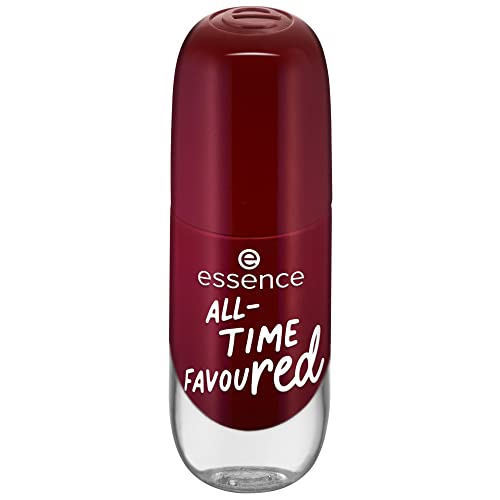
Essence
Gel Nail Colour
nail polish · 8 ml · 9 ingredients
- Fragrance-free
- No essential oils
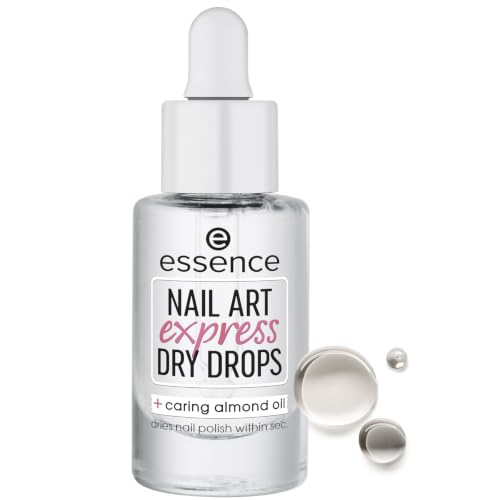
Essence
Nail Art Express Dry Drops
nail polish · 8 ml · 5 ingredients
£1.99−12%Amazon UK
- Fragrance-free
- No essential oils
- With vitamin E
Amazon UK prices as of 6 November 2026, 04:30 GMT; Amazon sets the final price at checkout.
When to see a professional
Seek same-day or urgent medical care if: redness or red streaking spreads up the finger or hand; fever, chills, or systemic unwellness accompanies the infection; the finger swells along its entire length or becomes difficult to straighten (possible flexor tenosynovitis — a surgical emergency); a visible pus abscess is present that has not drained spontaneously; symptoms do not improve after 48 hours of home care with warm soaks; or you have diabetes or immunosuppression. Do not attempt to lance or squeeze an abscess yourself. Chronic paronychia lasting more than six weeks should always be assessed by a GP or dermatologist.
Frequently asked questions
What does current evidence say about the best treatment for chronic paronychia?
The current evidence favors a combination approach: strict moisture avoidance (wearing protective gloves for all wet work) combined with a topical antifungal plus a topical corticosteroid applied to the nail fold. A review published in PMC/NIH found that combination antifungal-steroid therapy outperforms antifungal alone, because chronic paronychia involves both a Candida infection and an eczematous inflammatory component. Addressing moisture exposure without medication — or using medication without behavior change — rarely produces lasting resolution. In recalcitrant cases, oral itraconazole or surgical nail-fold excision (eponychial marsupialization) can be considered.
Can I treat paronychia at home without seeing a doctor?
Mild acute paronychia without an abscess (no visible pus pocket) can often be managed at home with warm-water soaks three to four times daily for 15–20 minutes. Most early cases respond within 2–3 days. However, if there is a defined pus collection, spreading redness, fever, or failure to improve after 48 hours of soaking, you need to see a clinician. Abscesses require incision and drainage by a professional — squeezing or self-lancing a paronychia is not appropriate and risks driving infection deeper. Chronic paronychia virtually always requires professional management.
Is paronychia caused by a fungus or bacteria?
Both types exist and they differ sharply. Acute paronychia is almost always bacterial — Staphylococcus aureus is the most common pathogen, followed by streptococci and, in nail biters, oral anaerobes. Chronic paronychia (lasting over six weeks) is primarily driven by Candida yeast combined with irritant and moisture damage to the nail fold. This distinction is clinically critical: antifungal drugs will not resolve an acute bacterial infection, and antibiotics alone will not cure chronic paronychia.
Can nail biting cause paronychia?
Yes — nail biting is one of the most common causes of both acute and chronic paronychia. Biting transfers bacteria from the mouth (including S. aureus carried in the nasal passages and oral anaerobes) directly to the nail fold. It also removes the cuticle, destroying the waterproof seal between the nail fold and nail plate. Children who bite their nails or suck their fingers are particularly prone to acute paronychia.
Can paronychia spread or become serious?
Most paronychia resolves safely with appropriate treatment. However, untreated or undertreated cases can progress to a subungual abscess (pus beneath the nail plate), osteomyelitis (bone infection), septic arthritis, or — most seriously — flexor tenosynovitis (infection of the tendon sheath running through the finger). Spreading red streaking up the finger, fever, or a finger that becomes swollen and stiff are warning signs of a spreading infection requiring same-day emergency assessment. People with diabetes or immunosuppression face a higher risk of serious complications even from initially mild infections.
Health information, not medical advice.
Beauty Comparison is an independent editorial publication. This page is researched and sourced to the authorities listed below, but it is general information — not a diagnosis or a substitute for personalised advice from a qualified doctor, dermatologist or pharmacist. If your symptoms are severe, spreading, painful, or not improving, see a healthcare professional.Sources
- 01Paronychia — StatPearls, NCBI Bookshelf — NIH / NCBI, 2023-01-01. Definition and classification of acute vs. chronic paronychia; bacterial pathogens (S. aureus, streptococci, Pseudomonas, anaerobes); treatment with warm soaks, antibiotics, and incision and drainage for abscess; Candida and moisture as drivers of chronic paronychia.
- 02Management of Chronic Paronychia — PMC / NIH, 2014-01-01. Combination topical antifungal plus corticosteroid superior to antifungal alone for chronic paronychia; moisture avoidance as cornerstone management; Candida albicans as predominant organism; wet-work occupations as primary risk factor.
- 03Paronychia (Nail Infection): Symptoms, Causes and Treatment — Cleveland Clinic, 2022-01-01. Acute paronychia: redness, swelling, throbbing pain, pus; chronic paronychia: loss of cuticle, multiple digits, Candida; treatment ladder from warm soaks to incision and drainage; warning signs requiring urgent care.
- 04Paronychia — DermNet NZ — DermNet NZ, 2023-01-01. Acute paronychia predominantly affects a single digit with rapid-onset bacterial infection; chronic paronychia typically affects multiple fingers in wet-work occupations; loss of cuticle is characteristic of chronic form; surgical options for recalcitrant cases.
- 05Paronychia Drainage — StatPearls, NCBI Bookshelf — NIH / NCBI, 2023-01-01. Incision and drainage procedure for paronychia abscess; digital nerve block; subungual abscess may require partial nail removal; clinical indications for surgical drainage versus conservative management.