Is Gel Nail Polish Bad for Your Nails? The Evidence
The short answer
Gel nail polish can weaken and thin nails over time.
Does Gel Polish Actually Damage Your Nails?
The honest answer is: it can — but the degree of damage depends heavily on application quality, removal method, and frequency of wear. The gel formula itself is not inherently destructive to the nail plate. The damage accumulates from what happens around the gel: the filing, the cuticle work, the curing lamp exposure, and above all, the removal process.
A 2025 systematic review in the Journal of Cosmetic Dermatology identified the most common adverse outcomes of gel manicures as: psoriasiform onychodystrophy, pterygium inversum unguis (PIU — adhesion of the nail bed skin to the underside of the nail plate), allergic contact dermatitis, onycholysis (nail lifting from the bed), paronychia (nail fold infection), pseudo-psoriatic nail changes, and onychomycosis (fungal infection). These are real, documented clinical outcomes — not theoretical concerns.
Source of Damage #1: Improper Removal
This is the leading cause of gel-related nail damage, and it is entirely preventable.
What correct removal looks like:
- Lightly buff the top coat to break the seal (not through the full gel layer).
- Apply petroleum jelly to the surrounding skin to protect it from acetone.
- Saturate cotton pieces (sized to each nail) in 100% acetone.
- Wrap each nail with plastic food wrap or foil; leave for 10–15 minutes.
- Gently wipe — the gel should lift with minimal pressure.
- Wash hands and apply petroleum jelly to cuticles daily for 7 days.
What damages nails: Picking, peeling, or scraping gel off the nail. Each of these actions removes the outermost layers of the nail plate along with the polish, producing the characteristic white, chalky patches (called pseudoleukonychia). The AAD specifically cautions against using orange sticks to force gel off, as this injures the nail.
Acetone itself causes transient dehydration and surface brittleness, which is why the post-removal moisturizing protocol matters. According to the AAD, applying petroleum jelly to nails and cuticles multiple times daily between manicures reduces the brittleness caused by repeated acetone exposure.
Source of Damage #2: Acrylate Allergy and HEMA Sensitization
Gel polish formulas contain acrylate and methacrylate monomers — specifically hydroxyethyl methacrylate (HEMA), isobornyl acrylate (IBOA), and other photoinitiators. These compounds are effective film-formers once cured, but in their uncured (liquid) state they are potent contact allergens.
A 2025 systematic review found:
- HEMA is present in approximately 60% of nail products reviewed
- 97% of ACD patients tested positive to HEMA in one 8.5-year patch-test study
- Allergic reactions appear in approximately 50% of gel-related dermatology case studies
- Reactions are not always at the nail — ectopic sensitization to the face, eyelids, and neck from finger contact is well-documented
The sensitization risk is higher for:
- At-home gel users who handle uncured product without protective measures
- Nail technicians with repeated daily exposure to uncured gel
- Anyone who has had a previous reaction to dental adhesives, bone cement, or eyelash glue (all contain related acrylates)
What an acrylate reaction looks like: Redness, itching, swelling, blistering, or oozing around the nail folds and fingertips, or on the face/eyelids. Onset can be delayed 24–72 hours after exposure, making it easy to misattribute. A dermatologist-administered patch test with the European standard acrylate series is the diagnostic gold standard.
Once sensitized, re-exposure continues to trigger reactions — this is why a confirmed acrylate allergy is a contraindication to gel, dip, and acrylic manicures. There is no desensitization treatment.
Source of Damage #3: UV Lamp Exposure
Every gel manicure requires a curing lamp. The concern is whether the UVA radiation from these lamps meaningfully increases skin cancer risk on the hands.
What the evidence says
A 2025 scoping review in the International Journal of Dermatology assessed 17 eligible studies and case reports published through January 2024:
- In vitro evidence: UV nail lamp exposure induced elevated DNA damage markers — cytotoxicity and mutagenesis — in irradiated keratinocytes, fibroblasts, and stem cells in laboratory settings.
- Case reports: Multiple cases of squamous cell carcinoma (SCC) and actinic keratoses on the dorsal hands were documented in patients with histories of extensive, long-term UV nail lamp use — including a 26-year-old with no other risk factors who developed SCC after bi-monthly gel manicures over two years.
- Mathematical modeling: One model estimated approximately 13,000 sessions would be required for one UV fluorescent lamp unit to produce one additional case of skin cancer — suggesting absolute individual risk per session is low.
- Conclusion: The review authors concluded that direct causal links remain unestablished but warranted concern; further epidemiological research is needed.
The important caveat is that in vitro DNA damage findings may overestimate real-world risk since the intact stratum corneum provides natural UV filtering. However, the cumulative exposure argument is valid — a person getting gel manicures every 3 weeks over 10 years accumulates approximately 170 sessions.
UV versus LED lamps
| Lamp type | Wavelength | Cure time per coat | UVA exposure per session |
|---|---|---|---|
| UV fluorescent | 340–380 nm UVA | ~2 minutes | Higher (longer exposure) |
| LED (standard) | ~365–405 nm | 30–60 seconds | Lower (shorter exposure) |
LED lamps are faster-curing and produce lower cumulative UVA exposure per session. The AAD recommends choosing salons that use LED over UV fluorescent lamps.
Protective measures (AAD-recommended)
- Apply a broad-spectrum, water-resistant SPF 30+ sunscreen to the hands and wrists 20 minutes before gel application.
- Alternatively, wear dark opaque gloves with fingertips trimmed during curing.
Source of Damage #4: Cuticle Practices
The cuticle (properly: the proximal nail fold and its attached cuticle tissue) forms a waterproof seal over the nail matrix — the living tissue that produces the nail plate. Cutting or aggressively pushing the cuticle:
- Breaks the protective seal
- Creates entry points for bacteria (paronychia) and fungi (onychomycosis)
- Triggers inflammation that can distort nail-plate growth
The AAD instructs patients to ask their nail technician to skip cuticle trimming entirely. Rough cuticles can be softened with petroleum jelly applied at bedtime — no cutting required.
How to Get Gel Manicures More Safely
Following these dermatologist-recommended practices substantially reduces the risk profile:
- Choose a licensed salon that sterilizes tools between clients — autoclave or hospital-grade disinfectant.
- Ask for LED over UV lamps and apply SPF 30+ to hands 20 minutes before your appointment.
- Never allow cuticle cutting or aggressive pushing.
- Do not pick, peel, or pry off gel polish — ever. Always soak off.
- Take a 1–2 week break between gel services to let the nail plate rehydrate.
- Moisturize daily between manicures: petroleum jelly or a ceramide-containing nail oil to nails and cuticles.
- Patch test awareness: If you develop itching, swelling, or blistering around the nails or elsewhere on your body, stop gel use and see a dermatologist for patch testing.
- Inspect bare nails: After removal, look for discoloration, nail plate separation (onycholysis), or thickening. These warrant a dermatologist visit if they persist beyond 4 weeks.
When to Stop Gel Manicures Altogether
Discontinue gel manicures and consult a dermatologist if you experience:
- Persistent redness, swelling, or blistering around the nail folds
- Nail plate separation from the nail bed (onycholysis)
- White discoloration of the nail plate that does not grow out
- Dark streaks, pain, or discharge from under the nail
- Known acrylate allergy (confirmed by patch testing)
- Pregnancy — while gel polish is not definitively linked to fetal harm, acrylate systemic absorption data in pregnancy is insufficient, and avoidance is the conservative standard
For a full comparison of gel versus acrylic, see Acrylic vs Gel Nails. For safe gel removal technique step by step, see How to Remove Gel Nails Safely.
Products that fit this guide
Picked by code from each product's full ingredient list.

Catrice
Aura Glam Nail Polish
nail polish · 10.5 ml · 22 ingredients
- Fragrance-free
- No essential oils

Catrice
Base & Top Coat Allround 2-in-1
nail polish · 10.5 ml · 10 ingredients
£22.99Amazon UK
- Fragrance-free
- No essential oils
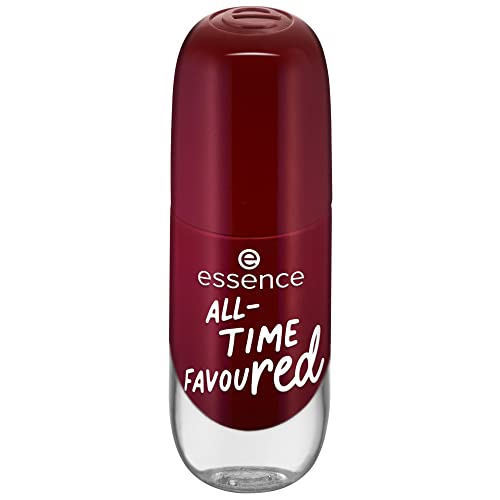
Essence
Gel Nail Colour
nail polish · 8 ml · 9 ingredients
- Fragrance-free
- No essential oils
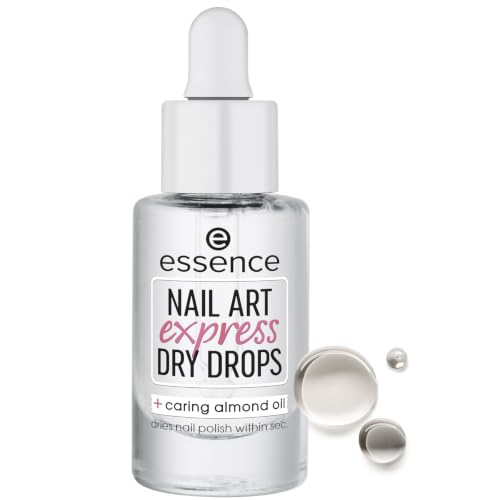
Essence
Nail Art Express Dry Drops
nail polish · 8 ml · 5 ingredients
£1.99−12%Amazon UK
- Fragrance-free
- No essential oils
- With vitamin E
Amazon UK prices as of 6 November 2026, 04:30 GMT; Amazon sets the final price at checkout.
Frequently asked questions
Is gel nail polish still considered safe in 2026?
The consensus remains: gel manicures are broadly safe when performed correctly in a licensed salon, using LED lamps, with proper soak-off removal and recovery breaks. The risks — acrylate allergy, nail thinning, and UV lamp exposure — are real but manageable with the protective practices the AAD outlines. No major new safety signal has emerged in 2025–2026 that changes this assessment. The most significant 2025 development is a systematic review documenting acrylate ACD in approximately 50% of gel-related dermatology case studies, reinforcing the importance of patch-test awareness and professional application.
Can gel polish cause a skin allergy?
Yes — allergic contact dermatitis (ACD) from acrylate compounds (especially HEMA) is the most common dermatological complication of gel manicures, documented in approximately 50% of gel-related case studies in dermatology literature. Sensitization can occur with any exposure and worsens with repeated contact. Once sensitized, you will react to all future exposures. Symptoms include itching, redness, blistering, and swelling at and around the nails, or on the face and eyelids from hand contact. A dermatologist patch test with the acrylate series confirms the diagnosis.
Do gel nail lamps cause skin cancer?
The current evidence does not establish a definitive causal link between gel nail lamp use and skin cancer. In vitro studies show DNA damage in skin cells exposed to UV nail lamps, and multiple case reports document squamous cell carcinoma on the hands of people with long-term gel nail lamp use. However, absolute per-session risk is estimated to be very low. The AAD's precautionary recommendation is to apply SPF 30+ broad-spectrum sunscreen to hands before every gel service, or to use opaque UV-blocking gloves with trimmed fingertips during curing.
How often is it safe to get gel manicures?
The AAD recommends a 1–2 week break from all enhancement manicures between services. Most people get gel every 2–3 weeks (the typical wear period). This effectively means back-to-back services with no break — which explains why taking every third or fourth service as a regular polish service, or simply leaving nails bare for 1–2 weeks, meaningfully reduces cumulative nail-plate damage and acetone dehydration.
Is gel or regular polish better for nail health?
Regular polish is unambiguously better for nail health. It contains no acrylate allergens, requires no UV lamp, and can be removed with any nail polish remover without acetone soaking. The tradeoff is wear time — 2–7 days versus 2–3 weeks for gel. For anyone with a history of nail sensitivity, allergy concerns, or who is pregnant, regular polish is the recommended default.
Health information, not medical advice.
Beauty Comparison is an independent editorial publication. This page is researched and sourced to the authorities listed below, but it is general information — not a diagnosis or a substitute for personalised advice from a qualified doctor, dermatologist or pharmacist. If your symptoms are severe, spreading, painful, or not improving, see a healthcare professional.Sources
- 01Dermatologic Conditions Associated With Various Types of Popular Nail Cosmetics: A Systematic Review — PubMed Central / Journal of Cosmetic Dermatology, 2025-01-01. Gel manicure adverse outcomes: ACD in ~50% of case studies, pterygium inversum unguis, onycholysis, paronychia, pseudo-psoriatic nails, onychomycosis; HEMA present in ~60% of nail products; 97% of ACD patients patch-tested positive to HEMA in one 8.5-year study.
- 02Assessing the Health Implications of UV/LED Nail Lamp Radiation Exposure: A Scoping Review — PubMed Central / International Journal of Dermatology, 2025-01-01. In vitro evidence: elevated DNA damage markers in keratinocytes, fibroblasts, stem cells from UV nail lamp exposure; case reports of SCC and actinic keratoses on hands after extensive lamp use; mathematical modeling estimates ~13,000 sessions per extra cancer case from UV fluorescent units; causal links remain unestablished; recommends SPF 30+ or UV-blocking gloves.
- 03Gel manicures: Tips for healthy nails — AAD — American Academy of Dermatology (aad.org). AAD states gel manicures can cause nail brittleness, peeling, and cracking; repeated UV lamp use increases risk for skin cancer and premature aging; recommends SPF 30+ on hands, LED over UV lamps, avoiding cuticle trimming, and professional acetone removal.
- 04Dermatologist's guide to removing gel nail polish at home — American Academy of Dermatology (aad.org). AAD step-by-step: protect skin with petroleum jelly, acetone-soaked cotton sized to nail, plastic-wrap seal, 10 minutes, gently rub — never use orange sticks or peel; apply petroleum jelly to cuticles daily for 7 days after removal.
- 05Adverse Effects of Do-It-Yourself Nail Cosmetics: A Literature Review — PubMed Central / Dermatology Reports, 2024-01-01. ACD from acrylates is the most prevalent complication; worn-down nail syndrome from over-filing; cyanoacrylate glue burns documented; conflicting data on carcinogenesis risk from UV lamps; recommends limiting acetone use and moisturizing after removal.
- 06The Safety of Nail Products: Health Threats in the Nail Industry — PubMed Central / International Journal of Dermatology, 2025-01-01. Documents hazardous nail product ingredients including HEMA, acrylates, TPHP; mislabeling of 'free-from' products; nail technicians at higher occupational risk than consumers; regulatory gaps in FDA premarket safety testing.