Acrylic vs Gel Nails: Which Is Safer & Which Lasts Longer?
The short answer
Gel nails are safer than acrylics for most people.
Acrylic vs. Gel Nails: The Core Difference
The choice between acrylics and gel is not purely aesthetic — the chemistry, application method, and risk profile differ enough that dermatologists have a clear preference. Understanding how each works makes the tradeoffs concrete.
How They Are Made
Acrylic Nails
Acrylic nails are a two-component system:
- Liquid monomer: Ethyl methacrylate (EMA) — a reactive compound that, when mixed with powder, initiates polymerization. (The older and now non-compliant monomer, methyl methacrylate / MMA, was banned by the FDA for nail use in the 1970s but has been found in salon air samples in occupational studies.)
- Polymer powder: Polymethyl methacrylate (PMMA) — pre-polymerized acrylic beads that provide structure.
When the technician combines these on the nail, an exothermic polymerization reaction produces a hard, sculptable material within minutes — no lamp required. This means acrylics can build significant extensions (dramatic length, structural repair) that gel polish cannot achieve.
Gel Polish
Gel polish is a photopolymer system:
- Formulation: Oligomers and monomers — primarily hydroxyethyl methacrylate (HEMA) and other acrylates — in a viscous gel that remains workable until exposed to UV or LED radiation.
- Curing: Each layer (base coat, color, top coat) is polymerized by the lamp in 30–120 seconds. Without the lamp, the gel remains uncured and tacky.
Gel creates a thinner, more flexible coating than acrylic and is available in two forms:
- Soft gel / gel polish: Thin color coat; removed by acetone soak-off. The standard salon service.
- Hard gel / builder gel: Thicker structural layer that can add modest length; requires filing to remove (cannot be soaked off).
Application: What Happens to Your Natural Nail
This is where the two systems diverge most meaningfully for nail health.
Acrylic application:
- The nail plate must be filed until the surface is rough and dull — this mechanical abrasion thins the plate.
- A primer (often an acid or bond primer) is applied to improve adhesion.
- The acrylic mixture is applied and sculpted.
- The finished surface is filed and shaped.
The filing step is unavoidable in acrylic application. The AAD notes this leaves natural nails "thin, brittle, and parched" after removal. Repeat applications compound the thinning over time.
Gel application:
- A light surface buff (less aggressive than acrylic prep) dehydrates and roughens the surface minimally.
- A bonding base coat is applied.
- Color layers and top coat are applied and cured.
The prep is meaningfully less damaging. This is the primary reason the AAD recommends gel over acrylics for people who want nail enhancements.
Longevity: Which Lasts Longer?
| Acrylic | Gel Polish | |
|---|---|---|
| Typical wear | 3–6 weeks with infills | 2–3 weeks |
| Infill needed? | Yes, every 2–3 weeks as gap shows at cuticle | No — full re-do each time |
| Can add length? | Yes — significant extensions possible | Limited (gel polish); moderate (builder gel) |
| Chip risk | Low once fully cured | Very low (chip-free is gel's key selling point) |
For people who want long, sculpted nails or significant extensions, acrylics are the industry standard. Gel polish excels for natural-length color that stays chip-free without structural bulk.
Safety: Side-by-Side Evidence
Acrylate Allergy (ACD)
Both systems contain acrylate/methacrylate compounds. The specific allergens differ:
- Acrylic: EMA (ethyl methacrylate), PMMA; acid primers can also sensitize
- Gel: HEMA, IBOA (isobornyl acrylate), and other photoinitiators
A 2025 systematic review in the Journal of Cosmetic Dermatology found:
- ACD in approximately 60% of acrylic-related case studies
- ACD in approximately 50% of gel-related case studies
Both rates are high. Acrylics have a marginally higher allergen exposure burden because the liquid EMA monomer is more volatile and skin-penetrating than cured gel in its uncured state. Once sensitized to acrylates through either system, cross-reactivity to the other is common — and to dental adhesives, medical bone cement, and other acrylate-containing products.
Nail-Plate Damage
| Damage type | Acrylic | Gel |
|---|---|---|
| Filing at application | Heavy (required) | Light buff only |
| Nail thinning during wear | Yes — progressive | Minimal |
| Damage from improper removal | High (requires long soak or drilling) | Moderate (10–15 min acetone soak) |
| Worn-down nail syndrome | Common | Less common |
| Onycholysis (nail lifting) | Documented | Documented |
| Onychomycosis (fungal infection) | Documented | Documented |
UV Exposure
- Acrylic: None. Polymerizes without light.
- Gel: Requires UV or LED lamp exposure for each layer cured. LED lamps are faster and produce lower cumulative UVA than UV fluorescent units.
The UV lamp variable is gel-specific. However, the AAD's position is that with LED lamp choice and SPF 30+ on hands, this risk is manageable.
Infection Risk
Both create a sealed environment between the artificial nail and the natural plate. If moisture enters (from nail lifting, improper fit, or water exposure), the warm, dark environment promotes bacterial and fungal growth. A properly fitting enhancement with no lifting minimizes this risk; any gap or lifting requires prompt attention.
Removal: How It Differs
Acrylic removal:
- Full soak in acetone: 30–45 minutes, often with warming
- Alternative: mechanical filing/e-file (drilling) — requires professional skill; aggressive use damages the nail plate or matrix
- Harder to remove than gel — the thicker, harder matrix resists acetone more
Gel removal:
- 10–15 minutes in acetone with the cotton-wrap method
- Easier and faster than acrylic
- The soak-off advantage is one reason the AAD favors gel over acrylics
Dermatologist Recommendation: Which to Choose?
The American Academy of Dermatology explicitly recommends soak-off gel nails over acrylics to reduce nail damage risk. The key reasons:
- Less aggressive nail-plate preparation
- Shorter acetone soak-off time
- More flexible (less brittle natural nail underneath)
Choose acrylic if:
- You need significant nail length or structural extension
- You need a damaged nail repaired or reinforced
- You have had gel manicures without issue and want longer wear
Choose gel if:
- You want chip-free color without adding length
- Nail health is a priority
- You are new to nail enhancements
Consider neither if:
- You have a confirmed acrylate allergy (both systems contain acrylates)
- Your natural nails are already severely weakened or damaged — give them a recovery period first
- You are pregnant (acrylate systemic absorption data in pregnancy is insufficient)
Minimizing Risk with Either System
Regardless of which you choose:
- Use a licensed, experienced nail technician — improper application and removal cause most of the documented damage
- Take a 1–2 week recovery break between services
- Never peel, pick, or force off either enhancement type
- Ask your technician to use the least aggressive prep possible
- Never allow cuticle cutting — it breaks the infection barrier over the nail matrix
- Inspect bare nails between services; see a dermatologist for discoloration, pain, or thickening that does not resolve
For safe gel removal technique, see How to Remove Gel Nails Safely. For the full landscape of nail service types including dip powder and press-ons, see Every Type of Manicure.
Products that fit this guide
Picked by code from each product's full ingredient list.

Catrice
Aura Glam Nail Polish
nail polish · 10.5 ml · 22 ingredients
- Fragrance-free
- No essential oils

Catrice
Base & Top Coat Allround 2-in-1
nail polish · 10.5 ml · 10 ingredients
- Fragrance-free
- No essential oils
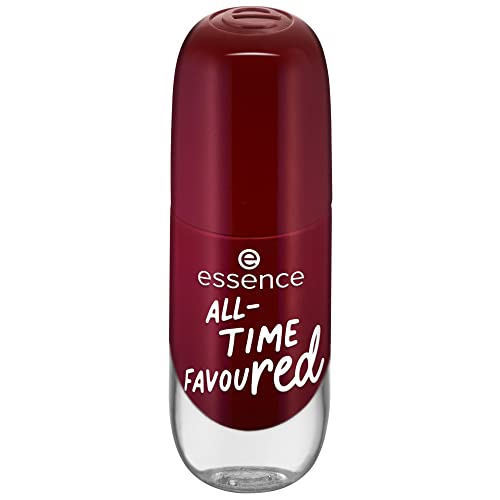
Essence
Gel Nail Colour
nail polish · 8 ml · 9 ingredients
- Fragrance-free
- No essential oils
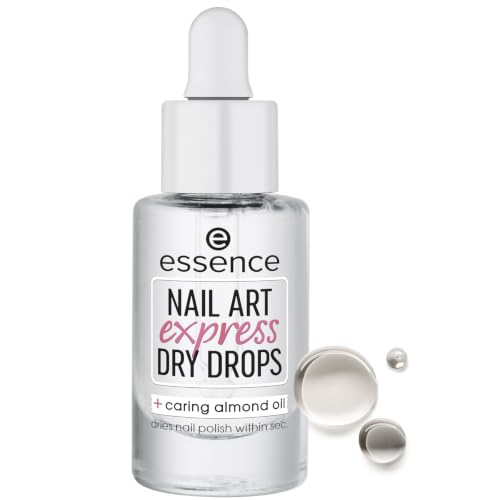
Essence
Nail Art Express Dry Drops
nail polish · 8 ml · 5 ingredients
- Fragrance-free
- No essential oils
- With vitamin E
Frequently asked questions
Which is safer in 2026 — acrylic or gel nails?
Gel nails are the dermatologically preferred option. The American Academy of Dermatology recommends soak-off gel over acrylics primarily because gel requires less nail-plate filing and is easier to remove correctly. A 2025 systematic review found ACD from acrylates in approximately 60% of acrylic-related case studies versus approximately 50% for gel. Both carry allergy risk; acrylics carry higher mechanical damage risk. LED-cured gel with SPF 30+ hand protection addresses the UV exposure variable.
Do acrylics or gel nails last longer?
Acrylics last longer — 3–6 weeks with regular infills versus 2–3 weeks for gel polish. With infills every 2–3 weeks, acrylic enhancements can be worn continuously for months. Gel polish requires a complete removal and re-application when the wear period ends.
Can I be allergic to both acrylic and gel nails?
Yes — acrylate sensitization is cross-reactive. If you develop allergic contact dermatitis from gel (typically HEMA sensitization), you are very likely to also react to acrylics (EMA and PMMA), and vice versa. A confirmed acrylate allergy is a contraindication to both systems. Patch testing with the acrylate series by a dermatologist or allergist establishes which compounds trigger your reaction.
Is it bad to wear acrylic nails long term?
Long-term continuous acrylic wear compounds nail-plate thinning with each application, increases cumulative allergen sensitization risk, and raises fungal infection risk if any lifting occurs. The AAD recommends regular breaks — at minimum, removing enhancements and leaving nails bare for 1–2 weeks periodically. If nails appear white, chalky, thin, or painful after removal, allow a full recovery period before reapplying.
Which is harder to remove — acrylic or gel?
Acrylics are harder to remove. They require a 30–45 minute acetone soak (versus 10–15 minutes for gel) or mechanical filing by a trained technician. The harder, thicker acrylic matrix resists acetone more than gel. This longer removal time increases acetone dehydration of the nail and surrounding skin.
Health information, not medical advice.
Beauty Comparison is an independent editorial publication. This page is researched and sourced to the authorities listed below, but it is general information — not a diagnosis or a substitute for personalised advice from a qualified doctor, dermatologist or pharmacist. If your symptoms are severe, spreading, painful, or not improving, see a healthcare professional.Sources
- 01Dermatologic Conditions Associated With Various Types of Popular Nail Cosmetics: A Systematic Review — PubMed Central / Journal of Cosmetic Dermatology, 2025-01-01. ACD in ~60% of acrylic-related case studies; ACD in ~50% of gel-related studies; acrylic adverse outcomes include worn-down nail syndrome, onychomycosis, onycholysis; gel adverse outcomes include PIU, pseudo-psoriatic nails, paronychia.
- 02Artificial nails: Dermatologists' tips for reducing nail damage — American Academy of Dermatology (aad.org). AAD explicitly recommends soak-off gel over acrylics; filing for acrylics leaves nails thin, brittle, parched; recommends LED over UV lamps; advises against cuticle trimming.
- 03The Safety of Nail Products: Health Threats in the Nail Industry — PubMed Central / International Journal of Dermatology, 2025-01-01. MMA found in salon air despite ban; EMA is the current standard but still a sensitizer; HEMA in ~60% of reviewed products; both acrylate types cause dermatologic and systemic adverse effects.
- 04Assessing the Health Implications of UV/LED Nail Lamp Radiation: A Scoping Review — PubMed Central / International Journal of Dermatology, 2025-01-01. LED lamps produce less cumulative UVA than UV fluorescent units per session; in vitro DNA damage documented; causal link to skin cancer unestablished; SPF 30+ or UV-blocking gloves recommended.