Press-On Nails: Are They Safe & How Long Do They Last?
The short answer
Press-on nails are safe for occasional use and last 5–14 days depending on the adhesive.
What Are Press-On Nails?
Press-on nails are pre-shaped, pre-colored artificial nail tips made from ABS plastic, acrylic, or resin that adhere directly to the natural nail plate. Unlike gel or acrylic nails, they require no filing of the natural nail surface for adhesion, no UV curing lamp, and no professional application. They are available in hundreds of shapes, lengths, and finishes — from short natural-looking ovals to extra-long stilettos — and come in both single-use and reusable formats.
The resurgence of press-on nails as a mainstream manicure option is backed by material improvements: today's press-ons are thinner, more flexible, and better-fitting than the products of twenty years ago, and some premium sets are indistinguishable from salon gel manicures at arm's length.
Types of Press-On Nail Adhesive
The adhesive choice determines wear time, removal difficulty, and the risk profile for your natural nails.
| Adhesive type | Wear time | Best for | Notes |
|---|---|---|---|
| Adhesive tabs (double-sided sticker) | 3–5 days | Events, occasional use, beginners | Gentlest on nails; easiest removal |
| Nail glue (cyanoacrylate) | 7–14 days | Longer wear, active lifestyle | Stronger bond; requires proper soak-off removal |
| Hybrid (tab + thin glue layer) | 10–14 days | Balance of durability and ease | Intermediate removal difficulty |
| Pre-applied gel adhesive | 3–7 days | Quick application | Varies significantly by brand |
Cyanoacrylate nail glue is the primary clinical concern from a safety standpoint. These fast-setting adhesives are chemically related to the (meth)acrylates used in gel and acrylic nail products and can cause allergic contact sensitisation in susceptible individuals.
How Long Do Press-On Nails Last?
With adhesive tabs alone, most users get 3–5 days of reliable wear. With nail glue properly applied, 7–14 days is typical. Some meticulous users extend this to two weeks or slightly beyond.
The most common reasons press-ons detach early have nothing to do with product quality:
- Oil on the nail plate at application. Natural nail oils prevent adhesive bonding. The nail must be clean, degreased (wiped with isopropyl alcohol), and completely dry before any adhesive is applied.
- Incorrect sizing. A press-on that extends past the lateral nail grooves creates a mechanical lever arm that catches on objects and pries the nail away. Size down if between two sizes.
- Water exposure within the first hour. Adhesive needs time to cure fully. Avoid hand-washing, dishwashing, or swimming for at least one hour after application — ideally longer.
- Not pressing firmly enough for long enough. Each nail should be held with firm pressure for a minimum of 30 seconds.
Factors That Shorten Wear Time
- Frequent handwashing or water immersion (dishwashing, swimming, long showers)
- Contact with oils — cooking oil, skincare, cuticle oil applied to the press-on itself
- Heavy manual work or using nails as tools
- Very short natural nails with minimal adhesion surface area
Step-by-Step Application Guide
Preparation (the most important phase)
- Remove all traces of existing nail polish or product. Any residue creates an uneven surface that compromises adhesion.
- Wash hands, then dry completely.
- Push back cuticles gently with a rubber or wooden cuticle pusher. Do not cut cuticles — they protect the nail fold from infection and cutting creates an entry point for bacteria.
- Lightly buff the nail surface. A very light buff (not aggressive filing) with a fine-grit buffer scuffs the glossy surface and gives adhesive something to grip. This is optional but extends wear time significantly.
- Wipe each nail with isopropyl alcohol on a lint-free pad to remove all oils. This is non-negotiable for maximum adhesion.
- Size each press-on before applying adhesive. Lay them out in order. The press-on should cover the nail plate without touching the skin at the sides or cuticle area.
Application
- Apply a thin, even layer of adhesive to both the natural nail and the underside of the press-on if using nail glue. Let it become slightly tacky for 5–10 seconds before pressing together (this is the "open time" technique that maximizes bond strength).
- Press on at a 45-degree angle — start at the cuticle edge and roll down to seal out air bubbles. Alignment at the cuticle line matters most aesthetically.
- Hold with firm, even pressure for 30 seconds.
- Repeat for all nails. Work efficiently — the alcohol degreasing begins to wear off after 10–15 minutes as natural oils resurface.
- Avoid water and significant hand use for at least one hour.
How to Remove Press-On Nails Safely
Never peel, pry, or force press-on nails off. Forced removal strips the upper layers of the nail plate, causing the thinning, roughness, and ridging that gives artificial nails a bad reputation. Almost all artificial nail damage is removal damage, not application damage.
The safest removal method
- Fill a bowl with warm soapy water. Add a few drops of dish soap.
- Soak fingers for 10–15 minutes until the adhesive loosens perceptibly.
- Gently rock the press-on from side to side — if it lifts cleanly without resistance, remove it. If it does not, soak for another 5 minutes.
- Use a cuticle pusher (not a metal tool) to gently slide under the lifted edge and ease the nail off.
For nail glue bonds that resist warm water
Acetone is the most effective solvent for cyanoacrylate adhesive. Apply a small amount of acetone-based nail polish remover to a cotton ball, hold it against the press-on for 2–3 minutes, then gently slide the nail off. Pure acetone dissolves glue faster than acetone-formula removers. Follow with a thorough rinse and a rich moisturizer or cuticle oil, as acetone is dehydrating.
After removal
The natural nail may look slightly dull or feel faintly soft immediately after removal. This is normal and resolves within a few days. Apply cuticle oil and a strengthening base coat, and allow the nail to breathe for at least a few days before reapplying press-ons.
Health and Safety Risks
Bacterial and fungal infection
The space between a press-on nail and the natural nail plate creates a warm, potentially moist environment — ideal conditions for Pseudomonas aeruginosa (causing the blue-green discoloration of "green nail syndrome") and various fungal species. Risk factors include:
- Lifting at the edges allowing water ingress
- Long wear beyond the intended duration
- Nails applied over pre-existing damage or infection
- Very long press-on lengths that create greater separation potential between the press-on and nail bed
Signs of infection under a press-on nail: discoloration (white, yellow, green, or black) visible through the nail, odor on removal, pain, swelling or pus at the nail fold. Remove the press-on immediately if any of these signs appear and see a dermatologist if discoloration or symptoms persist.
Allergic contact dermatitis from adhesive
Cyanoacrylate nail glue is a contact sensitiser. Sensitisation means the immune system learns to react to the substance — and once sensitized, even small exposures trigger increasingly severe reactions. The reaction typically appears as:
- Redness, itching, and swelling at the nail folds, fingertips, or elsewhere on the body (eyelids, neck, face are common secondary sites from inadvertent transfer)
- In severe cases: blistering and weeping
A peer-reviewed literature review (PMC11147520) documented multiple cases of allergic contact dermatitis from nail glue, confirmed by patch testing for cyanoacrylate/methacrylate compounds. About 5% of the population can become sensitized to cyanoacrylate after repeated exposure.
If you have previously reacted to gel or acrylic nails: these products share (meth)acrylate chemistry with nail glue. Cross-reactivity is possible. Use adhesive tabs only, or patch-test glue on a small area of inner arm for 24–48 hours before full application.
Chemical burns from spilled nail glue
Cyanoacrylate adhesive undergoes an exothermic (heat-releasing) reaction when it contacts cotton or cellulose — including clothing, cloth, or certain wound dressings. Spills of nail glue onto fabric in contact with skin can cause full-thickness burns. Documented cases in the literature include injuries requiring skin grafts and healing times of two weeks to five months.
Practical prevention:
- Keep nail glue away from fabric; work over a plastic or glass surface
- If a spill occurs on skin, do not wipe with a cloth — use cool running water immediately
- Keep a bottle of acetone accessible when working with nail glue
Physical nail damage
Press-on nails applied correctly and removed properly cause minimal lasting damage. Damage occurs through:
- Forced removal — peeling strips the nail plate surface, causing roughness, thinning, and white spots (leukonychia)
- Onycholysis — separation of the nail plate from the nail bed, typically from leverage created by very long press-ons catching on objects
- Over-buffing during preparation — aggressive sanding removes too much of the nail plate thickness; a very light scuff is sufficient
Press-On Nails Compared to Other Artificial Nails
| Feature | Press-on nails | Gel manicure | Acrylic nails | Dip powder |
|---|---|---|---|---|
| UV lamp required | No | Yes (gel) | No | No |
| Natural nail filing required | Minimal/none | Minimal | Yes — significant | Yes |
| At-home application | Easy | Difficult | Not recommended | Not recommended |
| Wear time | 5–14 days | 2–3 weeks | 3–4 weeks | 3–4 weeks |
| Removal method | Soak-off | Soak-off or file | File off or acetone | Acetone or buff off |
| Main safety concern | Infection, glue allergy | UV exposure, nail brittleness | Filing damage, allergy | Dust inhalation, allergy |
| Reusability | Some sets (5–6 uses) | No | No | No |
For someone who wants a low-commitment, UV-lamp-free, filing-free nail enhancement option, press-on nails offer a genuine safety advantage over gel and acrylic alternatives. They are particularly appropriate for people who get gel or acrylic nails infrequently and want to avoid cumulative UV lamp exposure or repeated nail-plate filing.
Tips for Making Press-On Nails Last Longer
- Choose the right length for your lifestyle. Longer nails are more likely to catch and pop off during daily tasks. Short-to-medium lengths are more durable for active hands.
- Wear gloves for dishes, cleaning, and gardening. Water and cleaning chemicals are the primary wear-time killers.
- Avoid using nails as tools. Opening cans, peeling stickers, and similar tasks apply torque to the press-on-to-nail interface.
- Apply cuticle oil to the surrounding skin — but keep it off the press-on itself. Oil migrates underneath and weakens the adhesive bond over time.
- Store unused press-ons in a cool, dry place. Heat softens adhesive pre-applied to press-ons and reduces their effectiveness.
- Reusable sets: Peel adhesive residue off gently after removal, clean with isopropyl alcohol, and store in the original tray. High-quality sets can withstand 4–6 uses.
When to See a Dermatologist
Seek medical advice if you notice:
- Green, black, or dark discoloration under or around the nail that persists after removing the press-on (suggests Pseudomonas or fungal infection)
- Pain, swelling, redness, or pus at the nail fold or fingertip
- A spreading rash on the hands, eyelids, face, or neck after glue exposure (suggests contact sensitisation)
- Nail plate changes (extreme thinning, pitting, significant ridging) that do not improve with a nail-rest period
- A lesion that does not heal under or around the nail — this warrants dermatological review to exclude a melanoma or other nail unit neoplasm
Most press-on nail problems are self-limiting once the product is removed and the nails are rested. Persistent changes always warrant professional assessment.
Products that fit this guide
Picked by code from each product's full ingredient list.

Catrice
Aura Glam Nail Polish
nail polish · 10.5 ml · 22 ingredients
- Fragrance-free
- No essential oils

Catrice
Base & Top Coat Allround 2-in-1
nail polish · 10.5 ml · 10 ingredients
£22.99Amazon UK
- Fragrance-free
- No essential oils
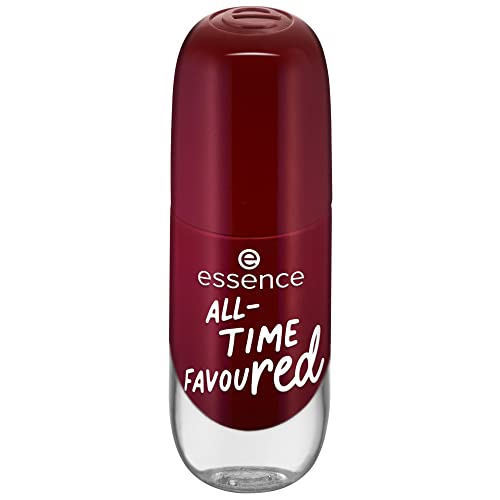
Essence
Gel Nail Colour
nail polish · 8 ml · 9 ingredients
- Fragrance-free
- No essential oils
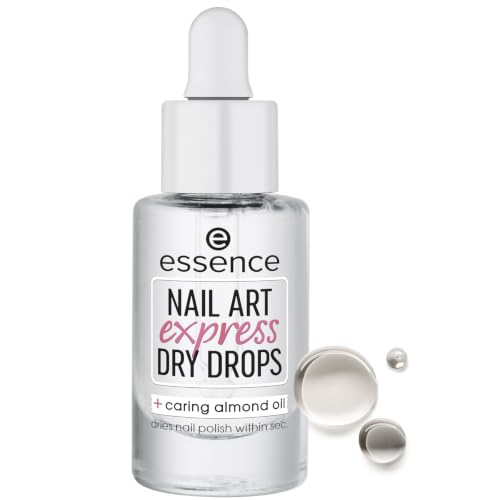
Essence
Nail Art Express Dry Drops
nail polish · 8 ml · 5 ingredients
£1.99−12%Amazon UK
- Fragrance-free
- No essential oils
- With vitamin E
Amazon UK prices as of 6 November 2026, 04:30 GMT; Amazon sets the final price at checkout.
Frequently asked questions
Are press-on nails safe to use regularly in 2026?
Yes, with appropriate precautions. Press-on nails require no UV lamp, no significant nail-plate filing, and no harsh chemical application — making them one of the lower-risk artificial nail formats available. The main evidence-documented risks are allergic contact dermatitis from cyanoacrylate adhesive (affecting an estimated 5% of people after repeated exposure) and bacterial or fungal infection from moisture trapping. Both are manageable: use adhesive tabs instead of glue if you're sensitized, size nails correctly to minimize lifting, and remove them promptly and properly. Dermatologists typically recommend occasional use over continuous wear, allowing natural nails to breathe between sets.
How long do press-on nails actually last?
With adhesive tabs: 3–5 days under normal conditions. With nail glue: 7–14 days, and up to 2 weeks with thorough preparation and careful daily habits. The single biggest determinant of longevity is preparation — specifically, degreasing the nail plate with isopropyl alcohol immediately before application. Oil left on the nail plate prevents proper adhesive bonding regardless of glue quality or application technique.
Can press-on nails damage my natural nails?
Correct application and proper removal causes minimal lasting damage. The vast majority of press-on nail damage — thinning, roughness, ridging — results from forced removal (peeling or prying) rather than the press-on itself. Stripping the nail plate this way removes surface layers and weakens the nail structure. Always soak nails in warm soapy water until the adhesive releases naturally, and use acetone if needed for glue bonds. A brief recovery period of a few days between sets and regular cuticle oil use keeps natural nails healthy.
What should I do if my press-on nail develops discoloration or odor?
Remove the press-on immediately and inspect the natural nail. Green or blue-black discoloration suggests Pseudomonas aeruginosa colonisation (green nail syndrome). Yellow-white discoloration with a thickened, crumbling nail plate may indicate a fungal infection (onychomycosis). Both require dermatological assessment and, in the case of fungal infection, prescription antifungal treatment. Do not re-apply press-ons over a discolored nail — this traps the infection and allows it to worsen.
I reacted to gel nails in the past — can I use press-on nail glue?
Proceed with caution. Gel nails and press-on nail glue share (meth)acrylate chemistry — cyanoacrylate in glue is chemically related to the methacrylates in gel products, and cross-sensitisation is possible. If you have previously developed contact dermatitis from gel or acrylic nails, patch-test nail glue on a small area of inner arm for 24–48 hours before applying to your nails. If any redness, itching, or swelling develops, avoid cyanoacrylate glue entirely and use adhesive tabs only. See a dermatologist for formal patch testing if you want to clarify exactly which acrylate compound you are sensitized to.
Are press-on nails or gel manicures better for nail health?
Press-on nails have a meaningful safety advantage for nail health: no UV lamp exposure, no nail-plate filing required for adhesion, and simpler removal. Gel manicures require UV curing (with associated UVA exposure risk), light filing of the natural nail, and repeated acetone soaking for removal. Both carry infection risk if moisture is trapped. For people who want low-frequency nail enhancement without cumulative UV exposure or filing damage, press-ons are the lower-risk choice. For people who prioritize longest wear time and the most natural integration, gel manicures (especially with LED lamps) remain a strong option.
Sources
- 01Potential Risks of Using Press-On Nails — Cleveland Clinic — Cleveland Clinic Newsroom, 2024-04-10. Dermatologist Taryn Murray MD identifies the main risks of press-on nails as infections, allergic reactions, and damage to the nail unit; moisture trapping creates bacterial and fungal growth conditions; longer nails increase onycholysis risk; nails should be reserved for special occasions.
- 02Adverse Effects of Do-It-Yourself Nail Cosmetics: A Literature Review — PubMed Central / Journal of Clinical Medicine, 2024-05-01. Allergic contact dermatitis from cyanoacrylate nail glue confirmed by patch testing; green-nail syndrome (Pseudomonas aeruginosa) from extended press-on use; chemical burns from cyanoacrylate contact with cotton causing exothermic reaction — documented cases required skin grafts; ~5% of population can become sensitized to cyanoacrylate.
- 03Artificial nails: Dermatologists' tips for reducing nail damage — American Academy of Dermatology (aad.org). AAD advises that cuticle trimming should be skipped (cuticles protect against infection); occasional use of artificial nails is recommended to allow natural nails to recover; LED preferred over UV lamps; artificial nails should not be used to cover existing nail problems.
- 04The Safety of Nail Products: Health Threats in the Nail Industry — PubMed Central, 2025-05-01. Nail product chemicals including formaldehyde, phthalates, toluene, and TPHP present health risks ranging from dermatologic to systemic; nail technicians face elevated occupational exposure; information on nail product safety is limited but increasing.