Back Acne: Causes, Products & How to Get Clear Skin
The short answer
Back acne is treated with benzoyl peroxide body wash, salicylic acid, and.
What Is Back Acne?
Back acne — informally called bacne — is acne vulgaris affecting the upper and/or lower back, shoulders, and upper arms. These areas are rich in sebaceous glands and are therefore prone to the same pathology that drives facial acne: excess sebum production, abnormal follicular cell shedding, Cutibacterium acnes (C. acnes) bacterial colonization, and the resulting inflammatory response.
Back acne is extremely common. Studies confirm it is one of the most frequent sites of acne outside the face, and for many people it is more difficult to treat than facial acne — not because the underlying biology is different, but because the back presents specific mechanical challenges: thicker skin that reduces topical penetration, constant occlusion from clothing, physical difficulty reaching and applying products consistently, and additional triggers like sweat and friction that facial acne typically does not encounter at the same intensity.
Why Back Acne Is Different From Facial Acne
| Feature | Facial Acne | Back Acne |
|---|---|---|
| Skin thickness | Thinner, higher penetration | Thicker stratum corneum, lower topical penetration |
| Sebaceous gland density | High on T-zone | High across upper back and shoulders |
| Occlusion | Minimal in most climates | Constant (clothing, backpacks, bra straps) |
| Sweating | Moderate | High during exercise and heat |
| Friction triggers | Occasional | Frequent (straps, equipment, seams) |
| Self-application | Easy to see and reach | Difficult; hard to apply leave-on treatments evenly |
| First-choice treatment | Leave-on retinoid or BP gel | Rinse-off BP wash, spray formats, or systemic |
Causes of Back Acne
The Core Pathology
Like facial acne, every back breakout originates inside the pilosebaceous unit. The sequence is the same:
- Excess sebum (driven by androgens) provides a substrate that accumulates in the follicle
- Follicular hyperkeratinization — abnormal shedding of the follicle lining — creates a plug
- C. acnes colonizes the blocked, anaerobic, sebum-rich follicle and triggers an immune response
- Inflammation ruptures the follicle and produces papules, pustules, and — at the severe end — nodules and cysts
Sweat and Occlusion
Sweat itself does not cause acne — the follicular blockage is the starting point. But sweat creates a warm, moist environment on the skin surface that can promote C. acnes growth, worsen existing follicular occlusion, and cause a separate condition called miliaria (sweat-related heat rash) that superficially resembles acne. Wearing moisture-wicking, breathable fabrics and changing clothes promptly after exercise reduces this compounding factor.
Acne Mechanica
Acne mechanica is a distinct subtype caused by sustained physical friction on the skin. On the back, common sources include:
- Backpack straps pressing and rubbing against the upper back and shoulders
- Sports equipment — shoulder pads, helmet straps, bra straps
- Tight synthetic fabrics that repeatedly friction the skin during movement
Acne mechanica produces characteristic lesions in the precise zone of contact with the friction source. The primary treatment is removing or modifying the mechanical trigger. Standard acne treatments help but cannot fully resolve friction-driven lesions if the trigger persists.
Comedogenic Body Products
Hair care products applied in the shower — conditioners, masks, oils — rinse down the back and can deposit comedogenic ingredients on skin that is already prone to follicular blockage. Shampoo and conditioner that run down the back during rinsing are a frequently overlooked source of back acne, sometimes called "acne cosmetica" of the trunk. Rinsing the body after hair rinsing, or applying and rinsing hair products before washing the body, reduces this exposure.
Hormonal and Genetic Factors
The same hormonal drivers that trigger facial acne apply to the back. Puberty, high androgen states, the menstrual cycle, PCOS, and the use of anabolic steroids all increase sebum production uniformly across sebaceous-gland-rich skin — making the back a primary site. A family history of severe back acne substantially increases individual risk, as genetic factors influence sebaceous gland activity, inflammatory response intensity, and follicular keratinization patterns.
Diet
Moderate evidence from observational and interventional studies links high-glycemic-load foods and dairy consumption to increased acne severity — a mechanism that operates via insulin and IGF-1 pathways stimulating sebum production. This applies to back acne as it does to facial acne. Reducing ultra-processed, high-sugar foods is a low-risk adjunct to treatment, though not a substitute for evidence-based interventions.
OTC Treatment Options
Benzoyl Peroxide Body Wash
The most evidence-backed OTC treatment for back acne. The AAD specifically recommends benzoyl peroxide emollient foam wash for back acne, emphasizing that it should be left on the skin for two to five minutes before rinsing — significantly longer than typical face wash use. The back's thicker stratum corneum means penetration is slower than on the face, and rinsing immediately after lathering dramatically reduces the time active ingredients have to work.
Available concentrations: 2.5%, 5%, and 10%. Starting with 5% and moving to 10% only if well tolerated is a sensible approach. Benzoyl peroxide bleaches fabric — use white towels and avoid colored clothing while it is on skin.
Salicylic Acid Body Wash and Spray
Salicylic acid (a beta-hydroxy acid) penetrates the follicle and dissolves the bonds between dead skin cells — directly targeting the follicular plug that initiates every lesion. At concentrations of 1–2% in a body wash, it provides comedolytic benefit while being rinsed off. Sprays (at 1–2% SA) are particularly valuable for the back because they can cover a large surface area without requiring contortion to apply.
Leave-On OTC Retinoids
Adapalene 0.1% gel (OTC in the US) can be used on the back by someone who can reach the affected area or with help from a partner. It normalizes follicular cell turnover and prevents microcomedone formation. It is more time-consuming to apply to the back than a wash, but provides superior therapeutic benefit over time for comedonal and mild inflammatory lesions.
Lifestyle and Skincare Practices
- Change out of sweaty clothes immediately after exercise — don't allow sweat-saturated fabric to stay in contact with the skin
- Wear loose-fitting, breathable clothing (cotton or moisture-wicking technical fabrics) rather than tight, synthetic materials
- Apply and rinse out hair products before washing your back — let conditioner and masks work, then rinse the body last so residue doesn't sit on the back skin
- Use non-comedogenic sunscreen on the back when it will be exposed to sun — many standard body sunscreens are rich, occlusive formulas that can worsen back acne
- Do not scrub or exfoliate aggressively — scrubbing irritates the skin barrier and worsens inflammation. Gentle cleansing is consistently more effective long-term
- Shower promptly after sweating when possible — a brief rinse removes surface sweat and oil
When to See a Dermatologist
Back acne often responds to OTC interventions when mild. Seek professional advice if:
- Back acne is widespread, nodular, or cystic
- Any lesions have caused or are risking scarring
- Two to three months of consistent OTC treatment has not produced meaningful improvement
- Acne extends significantly to the chest, shoulders, and arms alongside the back
- You suspect fungal folliculitis (itchy, monomorphic papules that haven't responded to acne treatments)
Prescription Options
Oral antibiotics (doxycycline, minocycline, sarecycline): For moderate-to-severe back acne. More effective for truncal acne than topical-only approaches because they work systemically. Always combined with topical benzoyl peroxide to prevent antibiotic resistance. Short courses (3–6 months) only.
Oral isotretinoin: The definitive treatment for severe or scarring back acne. Reduces sebaceous gland activity by 70–90% systemically, addressing the root cause across the entire body surface — not just the face. See the cystic acne guide for the full isotretinoin protocol.
Hormonal therapies (women): Combined oral contraceptives and spironolactone address the androgen drivers of truncal acne systemically and are particularly useful for women with back and chest acne alongside facial acne. See adult acne in women.
Distinguishing Back Acne From Fungal Folliculitis
A common and important diagnostic pitfall: fungal folliculitis (Malassezia folliculitis) on the back is frequently mistaken for bacterial acne. Key distinctions:
| Feature | Back Acne (Bacterial) | Fungal Folliculitis |
|---|---|---|
| Comedones present? | Yes | No — monomorphic papules/pustules only |
| Itch | Generally absent | Often itchy |
| Response to antibiotics | Improves | No improvement or worsens |
| Distribution | Variable | Classic: chest, upper back, posterior arms |
| Treatment | BP, salicylic acid, retinoids, antibiotics | Oral/topical antifungals (ketoconazole, itraconazole) |
If back acne has not responded to standard acne treatment and is itchy, the possibility of fungal folliculitis should be raised with a dermatologist. See the fungal acne guide for a full breakdown.
Post-Acne Marks and Scars on the Back
Back acne, particularly at nodular or cystic severity, can cause post-inflammatory hyperpigmentation and atrophic scarring. The back heals more slowly than the face. Management principles:
- Topical azelaic acid or niacinamide applied consistently can reduce PIH on the back over months
- Chemical peels (salicylic acid or glycolic acid, performed by a professional) can improve surface texture and PIH
- Laser resurfacing or microneedling for established atrophic scars — a dermatologist referral is required
- Daily SPF on any exposed back skin dramatically reduces the development and persistence of PIH
The most effective strategy for back acne scarring is, as always, preventing the deep inflammatory lesions that cause it — by treating back acne aggressively before scarring occurs.
Products that fit: body acne
Picked by code from each product's full ingredient list.
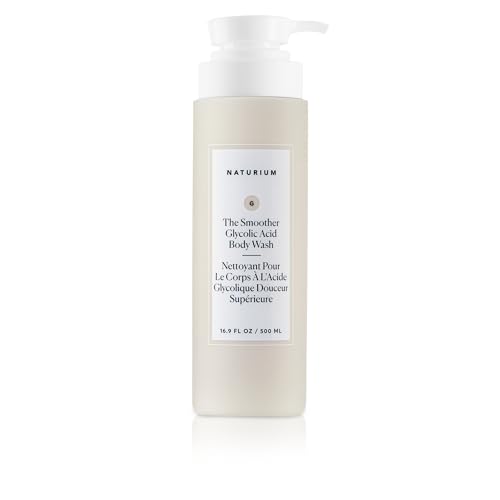
Naturium
The Smoother Glycolic Acid Exfoliating Body Wash
body wash · 500 ml · 27 ingredients
£15.20−20%Amazon UK
- Fragrance-free
- No essential oils
- With glycolic acid
- With lactic acid

Naturium
The Smoother Glycolic Acid Body Wash
body wash · 100 ml · 28 ingredients
£7.00Amazon UK
- Fragrance-free
- No essential oils
- With glycolic acid
- With lactic acid

Neutrogena
Anti-Spot Facial Cleansing Daily Wash Gel
body wash · 200 ml · 18 ingredients
£7.86Amazon UK
- No essential oils
- With salicylic acid

Vichy
Normaderm Intensive Purifying Foaming Cleanser Gel
body wash · 200 ml · 16 ingredients
£11.99Amazon UK
- No essential oils
- With salicylic acid
Amazon UK prices as of 6 November 2026, 06:08 GMT; Amazon sets the final price at checkout.
Frequently asked questions
What is the best back acne treatment available in 2026?
For mild back acne, the most evidence-backed OTC option is benzoyl peroxide 5–10% emollient wash left on for 2–5 minutes daily, as recommended by the AAD. Salicylic acid 1–2% spray can be added for comedolytic benefit. For moderate-to-severe back acne, oral antibiotics (doxycycline or sarecycline) combined with topical benzoyl peroxide produce significantly better results than topicals alone. For severe or scarring back acne, oral isotretinoin is the gold-standard, addressing sebum production across the whole body. See a dermatologist if OTC options haven't produced meaningful improvement within 2–3 months.
Why is back acne harder to treat than face acne?
Several factors compound to make back acne more challenging than facial acne: the skin on the back is thicker, reducing topical penetration; the area is constantly occluded by clothing; physical access to apply leave-on treatments evenly is difficult; sweat and friction from clothing or backpacks continuously aggravate lesions; and the sebaceous gland density — particularly on the upper back and shoulders — is high. This combination means that oral systemic treatments (antibiotics, isotretinoin) are more often necessary for back acne than for comparable facial acne.
Could my itchy back rash be fungal acne, not regular acne?
Yes — fungal folliculitis (Malassezia folliculitis) on the back is frequently misdiagnosed as acne vulgaris. The key distinguishing features: fungal folliculitis produces monomorphic (all the same size and type) papules and pustules with no comedones present, it is characteristically itchy, and it does not respond to antibiotics or standard acne treatments — in fact, antibiotics can worsen it by disrupting the skin flora that keeps Malassezia in check. If your back breakouts are itchy and haven't responded to typical acne treatment, discuss fungal folliculitis with a dermatologist. Treatment requires oral or topical antifungals, not acne medications.
Can wearing a backpack cause back acne?
Yes — this is called acne mechanica, a subtype of acne triggered by sustained friction or pressure on the skin. Backpack straps that press repeatedly against the shoulders and upper back over hours create the friction and occlusion that trigger follicular blockage and inflammation in exactly that pattern. The primary treatment is removing or modifying the mechanical trigger — switching to a different bag, adjusting strap placement, or wearing padded clothing under straps. Standard acne treatments help but cannot fully resolve mechanically driven lesions if the friction source continues.
Does showering more often prevent back acne?
Showering promptly after sweating removes sweat and surface oil before they can compound occlusion in hair follicles, which can help reduce back acne severity. However, over-showering or scrubbing aggressively is counterproductive — it strips the skin barrier, increases inflammatory irritation, and can worsen breakouts. The AAD emphasizes gentle cleansing rather than vigorous scrubbing. Two showers per day (or a rinse after exercise) with a benzoyl peroxide or salicylic acid body wash is a practical and effective protocol for most people with back acne.
Sources
- 01Back acne: How to see clearer skin — AAD Patient Education — American Academy of Dermatology. Benzoyl peroxide emollient foam wash left on for 2–5 minutes recommended for back acne; skin is thicker on the back so extended contact time needed; non-comedogenic skincare essential; scrubbing worsens acne.
- 02How to get rid of back acne — DermNet NZ — DermNet NZ. Topical treatments (BP, salicylic acid) suitable for mild back acne; oral antibiotics or isotretinoin for moderate-to-severe; laser and chemical peels for post-acne scarring on back.
- 03Acne Vulgaris — StatPearls, NCBI Bookshelf — National Library of Medicine / NIH, 2024-01-01. Acne pathogenesis (sebum, hyperkeratinization, C. acnes, inflammation); truncal involvement common; mechanical stimulation (friction) and cosmetics as acne triggers; genetic and hormonal factors.
- 04Acne Treatment — PMC NIH — PubMed Central / NIH, 2023-04-01. Topical and systemic therapies as primary options for moderate-to-severe acne; oral antibiotics (tetracyclines) plus benzoyl peroxide for inflammatory acne; isotretinoin 0.5–1 mg/kg/day for severe cases.
- 05Is your workout causing your acne? — AAD — American Academy of Dermatology. Exercise causes sweating, oil, dirt, and bacteria buildup on skin leading to acne; sports equipment causes acne mechanica; changing out of sweaty clothes and showering promptly reduces flares.