Blackheads vs. Sebaceous Filaments: The Crucial Difference
The short answer
Sebaceous filaments are normal skin anatomy; blackheads are acne.
The Confusion — And Why It Matters
If you look closely at your nose and see small dots dotting the pores, you are almost certainly looking at sebaceous filaments — not blackheads. Yet the internet's skincare advice treats them interchangeably. This matters because the appropriate response to each is fundamentally different:
- Sebaceous filaments are normal anatomy. Treating them like acne means endless, futile extractions, potential skin barrier damage, and frustration at results that never last.
- Blackheads are acne lesions. They respond to specific topical treatments and can be meaningfully reduced with consistency.
Getting the diagnosis right is the first step to choosing the right approach.
What Are Sebaceous Filaments?
Sebaceous filaments are thin, cylinder-like structures that line the inside of hair follicles. Their function is to conduct sebum (skin oil) from the sebaceous gland through the follicular canal to the skin surface, where it forms part of the skin's protective lipid layer.
Every person has sebaceous filaments in every hair follicle. They are most visible in areas of high sebaceous gland density — particularly the nose, chin, and forehead — where the volume of sebum conducted through the follicle is high enough to produce a visible impression at the pore opening.
A 2021 PMC review of sebaceous filaments confirms they are a normal physiological structure composed of sebum, desquamated keratinocytes, and Malassezia species — all normal constituents of a healthy follicular environment.
What they look like:
- Small dots visible at pore openings, predominantly on the nose
- Color: gray, off-white, or pale yellowish (sometimes flesh-toned)
- Flat or very slightly raised — they do not protrude from the skin
- Distributed evenly across an area (they follow follicle density, not random)
- If squeezed, they release a waxy, thread-like strand of pale sebum that refills within 20–30 days
What Are Blackheads?
Blackheads (open comedones) are a form of non-inflammatory acne. They form when excess sebum and abnormally shed keratinocytes accumulate inside a hair follicle whose opening remains exposed to air. The characteristic black color results from oxidation: melanin and lipids in the follicular plug react with atmospheric oxygen, darkening them.
Unlike sebaceous filaments, blackheads are not universal — they reflect a pathological process (follicular hyperkeratinization and excess sebum production) rather than normal skin function.
What they look like:
- Distinctly dark brown or black colored (oxidized)
- May appear as slightly raised bumps or protrusions at the pore
- Typically larger and more prominent than sebaceous filaments
- Less uniformly distributed — tend to cluster in oilier areas but appear where conditions favor abnormal keratinization
- If squeezed (not recommended), yield a darker, firmer plug of oxidized sebum and keratin
Side-by-Side Comparison
| Feature | Sebaceous Filaments | Blackheads |
|---|---|---|
| Clinical classification | Normal skin anatomy | Acne (open comedone) |
| Color | Gray, off-white, pale yellow, flesh-toned | Dark brown or black |
| Distribution | Even, following follicle density | Patchy, where abnormal keratinization occurs |
| Cause | Normal sebum conduction through follicle | Excess sebum + follicular hyperkeratinization + oxidation |
| Raised above skin? | Flat or barely elevated | Can protrude slightly |
| After squeezing | Waxy pale thread (refills in ~30 days) | Darker firm plug; risk of follicle wall rupture |
| Clearable with treatment? | No (they refill permanently) | Yes — responds to BHA + retinoids |
| Target treatment | Sebum reduction, minimize appearance | Salicylic acid to clear, retinoid to prevent |
| Should you extract? | No — pointless and potentially harmful | Ideally not at home; professional extractions acceptable |
The Oxidation Factor Explained
The single most reliable visual distinction is color — and understanding why helps clarify the biology:
Sebaceous filaments contain fresh sebum that is continuously refreshed from the gland. The follicle is functioning normally; the material inside is not stagnant, so it does not oxidize significantly. The pale color reflects unsaturated lipids in their natural state.
Blackheads contain stagnant, accumulated sebum and keratinocytes that have become packed into the follicle. The abnormal keratinization prevents normal shedding, so the material cannot exit and accumulates. The follicle opening is exposed to air, and over days to weeks, the melanin and lipids in the stagnant plug oxidize — turning dark. The longer and more packed the comedone, the darker it appears.
This is why the darkness of the dot is the most reliable distinguishing sign, not the size.
Why Sebaceous Filaments Cannot Be Permanently Removed
This is the most important practical reality about sebaceous filaments:
Squeezing, pore strips, or extraction removes the current contents of the follicle — but the sebaceous gland continues to produce sebum, and the filament refills within 20–30 days. This is not a failure of extraction; it is the sebaceous gland functioning exactly as it should. There is no treatment that stops sebum production entirely (nor would that be desirable — sebum is essential for skin health).
Aggressive repeated extraction of sebaceous filaments:
- Strips the skin barrier repeatedly, potentially triggering increased sebum production (the skin compensatory response to dryness)
- Can cause micro-trauma and irritation that leads to redness or post-inflammatory pigmentation
- Provides zero lasting benefit
The most realistic goal for sebaceous filaments is minimizing their visibility — not eliminating them:
- Niacinamide (2%–10%): Reduces sebum excretion rate, making filaments less full and therefore less visible
- Salicylic acid (0.5%–2%): Keeps the follicle clear of excess sebum and dead cells, reducing their prominence
- Oil-control skincare: Non-comedogenic, oil-free products prevent adding to follicular congestion
- Daily SPF: Prevents the UV-driven collagen loss that widens pores and makes filaments more visible
Treatment Strategies Compared
For Blackheads (Open Comedones)
Blackheads respond to treatment and can be meaningfully reduced:
- Salicylic acid (0.5%–2% leave-on): Oil-soluble; penetrates the follicle and dissolves the plug material. Apply nightly.
- Topical retinoid (adapalene 0.1% OTC or tretinoin prescription): Normalizes follicular keratinization — addresses the root cause. Begin 2–3 nights per week.
- Professional extractions (by a dermatologist or aesthetician): Safe when performed correctly on prepared skin; provides faster clearance when combined with topical maintenance.
- Consistency over 6–8 weeks: Results require sustained treatment. See blackheads guide for the full protocol.
For Sebaceous Filaments
The goal is minimization, not removal:
- Niacinamide serum (2%–10%): Best evidence-based option for reducing sebum and filament visibility. Well tolerated daily.
- Salicylic acid (0.5%–2%): Keeps follicles clear, reducing the fullness of filaments.
- Oil-free, non-comedogenic products: Prevents compounding follicular congestion.
- Avoid: Aggressive extraction, pore strips, harsh scrubs — all temporarily remove contents that refill within a month, while risking barrier damage.
The Skincare Routine That Works for Both
Fortunately, the same core routine addresses both concerns simultaneously:
| Step | Product | Benefit |
|---|---|---|
| Gentle cleanser (AM + PM) | Non-comedogenic, low-pH | Removes surface sebum without stripping |
| Niacinamide (AM) | 2%–10% serum | Reduces sebum; minimizes filament visibility; strengthens barrier |
| Salicylic acid (PM, nightly) | 0.5%–2% toner or serum | Clears follicular contents; treats blackheads; keeps filaments clear |
| Retinoid (PM, 2–3× weekly) | Adapalene 0.1% or retinol | Treats and prevents blackheads (no impact on normal filaments) |
| SPF 30+ (AM) | Broad-spectrum, oil-free | Prevents collagen loss; keeps pores from expanding |
Common Mistakes From Misidentification
Mistake 1: Using pore strips repeatedly on sebaceous filaments. Pore strips physically pull the contents from follicles. On sebaceous filaments, this is temporarily satisfying — you can see the sebum strands — but they refill within 30 days. Repeated stripping damages the skin barrier without achieving any lasting benefit.
Mistake 2: Using a high-percentage AHA peel to "deep clean" the nose. AHAs (glycolic, lactic) work at the skin surface. They are not oil-soluble and do not penetrate sebaceous follicles. They are the wrong chemistry for either sebaceous filaments or blackheads on the nose.
Mistake 3: Expecting retinoids to eliminate sebaceous filaments. Retinoids prevent comedone (blackhead) formation by normalizing abnormal keratinization. They do not eliminate normal sebaceous filaments — and that's appropriate, since filaments are healthy anatomy.
Mistake 4: Assuming perfectly pore-free skin is achievable. Sebaceous filaments are visible in every person with normal sebaceous function. No product or treatment produces pore-free skin; filter-smoothed social media images and makeup create an unrealistic standard. The goal is healthy, clear, minimally congested skin — not the absence of any pore visibility.
Products that fit: acne-prone skin
Picked by code from each product's full ingredient list.

Anua
Azelaic Acid 10 Hyaluron Redness Soothing Serum
serum · 30 ml · 35 ingredients
- Fragrance-free
- No essential oils
- No heavy, pore-clogging emollients such as coconut oil and isopropyl myristate
- With salicylic acid
- With niacinamide

Medik8
Calmwise Colour Correct
serum · 50 ml · 41 ingredients
£49.00Amazon UK
- Fragrance-free
- No essential oils
- No heavy, pore-clogging emollients such as coconut oil and isopropyl myristate
- With niacinamide
- With azelaic acid

Anua
Peach 70 Niacinamide Serum
serum · 30 ml · 45 ingredients
£20.00−17%Amazon UK
- No essential oils
- No heavy, pore-clogging emollients such as coconut oil and isopropyl myristate
- With salicylic acid
- With niacinamide
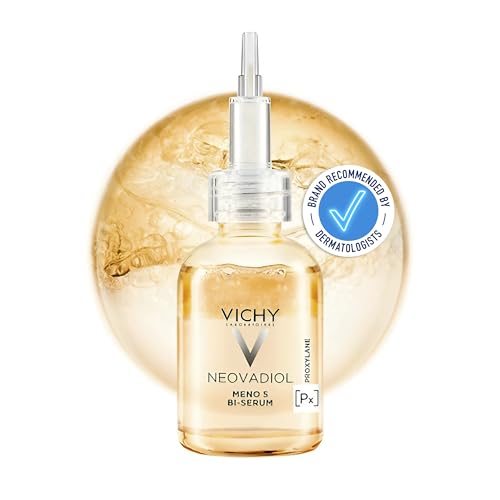
Vichy
Neovadiol Meno 5 Bi-Serum
serum · 2.4 l · 23 ingredients
£32.25−12%Amazon UK
- No essential oils
- No heavy, pore-clogging emollients such as coconut oil and isopropyl myristate
- With salicylic acid
- With niacinamide
Amazon UK prices as of 6 November 2026, 06:19 GMT; Amazon sets the final price at checkout.
Frequently asked questions
How can I tell if I have blackheads or sebaceous filaments?
Color is the most reliable indicator. Sebaceous filaments are gray, off-white, or pale yellowish — the color of unsaturated natural sebum. Blackheads are distinctly dark brown or black, darkened by oxidation. Distribution is also useful: sebaceous filaments appear evenly across the nose (and sometimes chin and forehead) following normal follicle density; blackheads tend to cluster in areas where abnormal keratinization occurs and are less uniform. If you gently squeeze (once, and not a habit to develop), sebaceous filaments release a pale waxy thread; blackheads release a darker, firmer plug.
Do sebaceous filaments go away permanently if I extract them?
No. Sebaceous filaments refill within 20–30 days after extraction because the sebaceous gland continues producing oil — that is its normal function. No extraction method, pore strip, or tool changes the underlying sebum production. This is one of the most important facts about sebaceous filaments: they are permanent features of functioning follicles. The only sustainable management is reducing their visibility through sebum-lowering actives like niacinamide, not removal.
Will salicylic acid get rid of both blackheads and sebaceous filaments?
Salicylic acid will treat and help clear blackheads by dissolving the abnormal keratin plug inside the follicle. It will also keep sebaceous filaments cleaner and less prominent by clearing excess sebum from the follicular canal — but the filaments will not disappear; they simply look less visible when the follicle is clear. Salicylic acid at 0.5%–2% applied as a leave-on product is the right tool for both concerns.
Are sebaceous filaments a sign of something wrong with my skin?
No. Sebaceous filaments are present in every person with functioning sebaceous glands. They are more visible in people with oily skin types (higher sebum output) and in enlarged pores (where the follicle opening is wider). Their visibility is a matter of genetics and skin type, not skin health. Acne-prone skin with blackheads is different — that reflects pathological follicular keratinization. Sebaceous filaments are the skin working correctly.
Sources
- 01Sebaceous Filaments — PMC — PubMed Central, 2021-01-01. Sebaceous filaments are normal physiological structures lining sebaceous follicles, composed of sebum, desquamated keratinocytes, and Malassezia; they appear as yellowish to off-white collections predominantly on the nose and are distinct from acne comedones.
- 02Physiology, Sebaceous Glands — StatPearls / NCBI Bookshelf — National Center for Biotechnology Information (NCBI), 2023-01-01. Sebaceous glands secrete sebum into the hair follicle canal; sebum wicks to the skin surface via the hair shaft. Sebum is a normal skin surface lipid essential for skin barrier function.
- 03Comedone formation: etiology, clinical presentation, and treatment — PubMed, 2004-01-01. Blackheads (open comedones) form from pilosebaceous ductal hypercornification; the dark color results from oxidized melanin and lipids exposed to air through the open follicular orifice, not dirt.
- 04Sebaceous Filaments: Difference From Blackheads & Treatment — Cleveland Clinic — Cleveland Clinic, 2023-01-01. Sebaceous filaments are normal skin anatomy; blackheads are a form of acne. Sebaceous filaments appear gray or flesh-toned, not black; they refill after extraction within approximately 30 days.
- 05Mechanistic Insights into the Multiple Functions of Niacinamide — PubMed Central, 2024-01-01. Niacinamide at 2%–5% reduces sebum excretion rate and improves visible pore size — the primary management strategy for minimizing sebaceous filament visibility.