Do Pore Strips Actually Work? A Dermatologist Answers
The short answer
Pore strips temporarily remove surface blackhead material but do not prevent recurrence or address any.
How Pore Strips Work
Pore strips — most famously the Bioré nose strips — are small fabric strips coated on one side with a pressure-sensitive adhesive (typically polyquaternium compounds or a similar polymer). The mechanism is entirely physical:
- The strip is moistened and applied adhesive-side down to the nose (or chin or forehead)
- As it dries, the adhesive bonds to the material at and near the skin surface — including the tops of blackheads, sebaceous filaments, and surface skin debris
- When the strip is peeled off, it mechanically removes whatever has adhered to it
The satisfying visual result — the small dark and pale protrusions visible on the strip after removal — is real. Pore strips do pull material out of follicles. This is not placebo. The question that matters is how much they remove, how deep, and whether it lasts.
What Pore Strips Actually Remove
This is where the clinical reality becomes more modest than the marketing:
What they can remove:
- The superficial portion of blackheads (open comedones) that are already near or at the skin surface
- The surface-level contents of sebaceous filaments — the pale waxy sebum strand visible at the pore opening
- Dead skin cell debris and surface oil sitting in pore openings
What they cannot remove:
- The deeper portion of a blackhead below the skin surface — the adhesive does not extend into the follicle
- Fully formed or deeply embedded comedones
- Closed comedones (whiteheads) — these are sealed beneath the skin surface and the adhesive cannot access them
- Sebum being produced inside the sebaceous gland — which refills the follicle within days to weeks
Independent dermatological assessments consistently find that pore strips remove only the superficial tip of blackheads. If the comedone extends deeper into the follicle, the strip takes the top off while the lower portion remains. This is analogous to cutting a weed at soil level rather than pulling out the root.
The Evidence Base (or Lack Thereof)
There are no well-designed, placebo-controlled, peer-reviewed clinical trials demonstrating that pore strips provide meaningful, sustained blackhead reduction. The available evidence is:
- Expert consensus from board-certified dermatologists: Consistently characterizes pore strips as a brief cosmetic measure. Dermatologist assessments in medical literature and clinical practice describe them as removing only the surface portion of blackheads with no effect on recurrence.
- No published data on sebum production effects: Because pore strips have no pharmacological action — they are purely mechanical — there is no plausible mechanism by which they reduce sebum output, follicular keratinization, or future blackhead formation.
- Temporary results, confirmed in practice: Blackheads that are stripped return within days to weeks. Sebaceous filaments (often mistaken for blackheads on the nose) refill within 20–30 days regardless of extraction method.
What exists is a 2025 PMC clinical study on nasal blackhead treatment using Optimal Pulse Technology — a professional laser — which provides a useful reference point for what genuine clinical blackhead treatment outcomes look like, and in doing so implicitly highlights the limitations of at-home mechanical methods.
Risks of Pore Strips
Pore strips are generally safe for occasional use on healthy, non-sensitive skin. The risks arise with overuse, misuse, or use on inappropriate skin types:
Skin Barrier Disruption
The adhesive in pore strips bonds not only to follicular material but also to the surface skin itself — specifically, to the stratum corneum (the uppermost layer of dead skin cells and intercellular lipids that forms the skin barrier). Peeling the strip forcefully removes this material, temporarily disrupting the moisture barrier. Repeated use can cause:
- Increased transepidermal water loss (TEWL)
- Dryness and flaking
- Heightened sensitivity and redness
Micro-Tears
On sensitive skin, or if the strip is applied too forcefully or removed too quickly, the adhesive force can exceed the tensile strength of the stratum corneum, causing micro-tears in the skin surface. These microscopic injuries increase vulnerability to environmental irritants and infection.
Capillary Damage on Sensitive Skin
There are reports of petechiae (tiny pinpoint hemorrhages from burst capillaries) following pore strip removal, particularly in individuals with rosacea or thin, sensitive skin. This reflects the vacuum-like mechanical force pulling on the dermis.
Who Should Never Use Pore Strips
- Anyone with rosacea — the mechanical force and adhesive can worsen flushing and barrier damage
- Anyone with eczema or psoriasis — already-compromised barrier cannot tolerate additional disruption
- Anyone with active inflammatory acne (papules, pustules, cysts) — the strip can rupture inflamed follicles, spreading bacteria and worsening breakouts
- Anyone with sunburned, windburned, or recently treated skin (post-peel, post-laser) — the skin is too fragile
- Anyone using prescription retinoids at higher concentrations — the retinoid-thinned stratum corneum is more vulnerable to adhesive damage
Pore Strips vs. Evidence-Based Alternatives
| Approach | How It Works | Duration of Effect | Addresses Root Cause? |
|---|---|---|---|
| Pore strip | Mechanical adhesive pulls surface material | Days to weeks | No |
| Salicylic acid 0.5%–2% leave-on | Oil-soluble BHA penetrates follicle; dissolves plug from within | Ongoing while used | Yes — dissolves keratin plug |
| Adapalene 0.1% / retinoid | Normalizes follicular keratinization; prevents microcomedone formation | Ongoing while used | Yes — prevents comedone formation |
| Professional extraction | Manual extraction under controlled conditions | Weeks; requires topical maintenance | No — requires topical adjunct |
| Salicylic acid chemical peel (20–30%) | Deep follicular exfoliation | Months per session series | Partial — targets keratinization |
The case for salicylic acid over pore strips is straightforward: salicylic acid is oil-soluble and penetrates into the lipid-rich sebaceous follicle, dissolving the intercellular cement that binds the keratin plug together. It works from inside the follicle, not only at the surface. It also prevents new plug formation with ongoing use. A pore strip cannot do any of this.
When Pore Strips Have a Legitimate Use Case
Pore strips are not entirely without utility. In limited, appropriate contexts:
- Before a special occasion: For immediate, visible pore-clearing on the nose before a photo or event, a pore strip used on healthy non-sensitive skin provides a fast cosmetic result. This is not treating acne; it is temporary surface improvement.
- As an adjunct to topical treatment: Used very occasionally (no more than once a week) alongside a consistent BHA and retinoid routine — where the routine addresses the cause and the strip provides occasional visual satisfaction.
The key word is occasional. Used once or twice a month on appropriate skin, pore strips carry low risk. Used multiple times a week as a primary strategy, they carry real risks and zero long-term benefit.
What to Use Instead
For lasting blackhead improvement, the evidence-based routine:
- Daily gentle cleansing — twice daily with a non-comedogenic, low-pH cleanser. Remove makeup and SPF thoroughly in the evening.
- Salicylic acid 0.5%–2% leave-on — apply to clean, dry skin in the evening as a toner or serum. This is the most targeted OTC treatment for both existing blackheads and their prevention.
- Topical retinoid (adapalene 0.1% OTC) — start 2–3 nights per week, building to nightly. Normalizes follicular keratinization and prevents microcomedone formation. Results visible at 6–12 weeks with consistency.
- Niacinamide 2%–10% — reduces sebum production; well tolerated daily in AM or PM. Helps minimize both blackhead severity and the visibility of sebaceous filaments.
- Daily SPF 30+ — prevents UV-driven collagen loss that widens pores and makes blackheads more prominent.
See best BHA for blackheads for specific product guidance, and blackheads guide for the full treatment protocol.
Products that fit: acne-prone skin
Picked by code from each product's full ingredient list.

Anua
Azelaic Acid 10 Hyaluron Redness Soothing Serum
serum · 30 ml · 35 ingredients
- Fragrance-free
- No essential oils
- No heavy, pore-clogging emollients such as coconut oil and isopropyl myristate
- With salicylic acid
- With niacinamide

Medik8
Calmwise Colour Correct
serum · 50 ml · 41 ingredients
£49.00Amazon UK
- Fragrance-free
- No essential oils
- No heavy, pore-clogging emollients such as coconut oil and isopropyl myristate
- With niacinamide
- With azelaic acid

Anua
Peach 70 Niacinamide Serum
serum · 30 ml · 45 ingredients
£20.00−17%Amazon UK
- No essential oils
- No heavy, pore-clogging emollients such as coconut oil and isopropyl myristate
- With salicylic acid
- With niacinamide
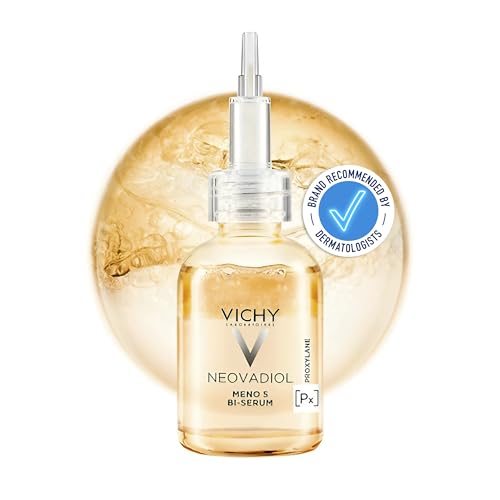
Vichy
Neovadiol Meno 5 Bi-Serum
serum · 2.4 l · 23 ingredients
£32.25−12%Amazon UK
- No essential oils
- No heavy, pore-clogging emollients such as coconut oil and isopropyl myristate
- With salicylic acid
- With niacinamide
Amazon UK prices as of 6 November 2026, 06:19 GMT; Amazon sets the final price at checkout.
Frequently asked questions
Do pore strips work better than salicylic acid for blackheads?
No — they work less well, by any meaningful measure. Pore strips provide immediate visible removal of surface blackhead material, which salicylic acid cannot match for speed. But salicylic acid penetrates inside the follicle, dissolves the plug material from within, and with daily use prevents new blackheads from forming. Pore strips cannot penetrate the follicle, cannot prevent recurrence, and provide no lasting benefit. For fast cosmetic relief before an event, a pore strip is useful. For actual improvement in blackhead frequency and severity over weeks, salicylic acid is clearly superior.
Can pore strips damage your skin?
Yes, with overuse or misuse. The adhesive bonds to the stratum corneum and can disrupt the skin barrier, causing dryness, increased sensitivity, and micro-tears. On people with rosacea, eczema, or active inflammatory acne, pore strips can cause capillary damage, worsen barrier disruption, and rupture inflamed follicles, potentially spreading bacterial contents into surrounding skin. For occasional use on healthy, non-sensitive skin, the risk is low. For daily or frequent use, the cumulative barrier disruption is a real concern.
Why do blackheads come back so quickly after using pore strips?
Because pore strips do not address any of the three causes of blackhead formation: excess sebum production, abnormal follicular keratinization, or the progressive accumulation of debris inside the follicle. They remove what is already at or near the skin surface — but the sebaceous gland continues producing oil, the follicular cells continue shedding abnormally, and the cycle of plugging and oxidation resumes within days. Without a topical active (salicylic acid, retinoid) that works inside the follicle to change this cycle, blackheads are guaranteed to return.
Are pore strips safe to use on the nose every day?
No. Daily use is too frequent for even healthy, non-sensitive skin. The repeated mechanical adhesion and removal disrupts the stratum corneum and can impair the skin barrier cumulatively. Dermatologist guidance consistently recommends occasional use only — no more than once or twice a week at most, and only on healthy, non-reactive skin. Many dermatologists suggest once a month as a more appropriate frequency when used alongside a proper topical routine.
Sources
- 01Effectiveness of the Optimal Pulse Technology in a Novel Technique for Treating Nasal Blackheads in Asians: A Clinical Study — PubMed Central / PMC, 2025-01-01. Clinical reference for professional blackhead treatment outcomes on nasal comedones; highlights that superficial mechanical extraction methods (including strips) cannot match follicle-level clinical interventions.
- 02Comedonal Acne — DermNet NZ — DermNet NZ, 2023-01-01. Topical retinoids and salicylic acid are evidence-based first-line treatments for open comedones (blackheads); mechanical extraction methods including strips do not prevent recurrence.
- 03Acne Vulgaris — StatPearls / NCBI Bookshelf — National Center for Biotechnology Information (NCBI), 2023-01-01. OTC salicylic acid 0.5%–2% and topical retinoids are clinically validated for comedonal acne; follicular keratinization is the primary pathogenic event requiring pharmacological — not mechanical — intervention.
- 04Sebaceous Filaments — PMC — PubMed Central, 2021-01-01. Sebaceous filaments (commonly mistaken for blackheads) refill within 20–30 days after extraction; their removal by strips or squeezing is temporary and does not alter sebaceous gland output.