Enlarged Pores: Why You Have Them & How to Minimize Them
The short answer
Enlarged pores cannot be permanently shrunk, but consistent use of retinoids, niacinamide.
What Are Pores and Why Do They Appear Enlarged?
Pores are the surface openings of hair follicles, each attached to a sebaceous (oil) gland. Their primary function is to allow sebum to travel from the gland to the skin surface, where it forms part of the protective lipid mantle. Every person has pores; they are essential anatomy, not a flaw.
Pores appear enlarged when three factors act alone or together:
- High sebum production. Oily skin types have more active sebaceous glands. When a follicle is chronically packed with sebum and dead cells, its opening stretches to accommodate the volume.
- Decreased skin elasticity. The collagen and elastin fibers that surround each follicle act like a cuff, keeping the pore opening taut. UV radiation degrades this framework over time, allowing pores to relax open.
- Increased hair follicle volume. Thicker vellus or terminal hairs occupy more follicular space, physically widening the ostium.
Additional contributing factors include genetics (the single largest determinant), age, male sex (androgenic sebum stimulation is higher), and skin tone (some studies suggest increased sebum production in darker skin types contributes to pore prominence).
The critical baseline fact: Pores do not have muscles and therefore cannot "open" or "close" with steam or cold water. Steam temporarily hydrates the stratum corneum and softens the contents of a pore, making manual extractions easier — but it does not alter pore diameter itself.
The Sebum–Pore Size Relationship
Sebum is produced inside the sebaceous gland under androgenic stimulation. Testosterone and dihydrotestosterone (DHT) bind to androgen receptors in sebocytes, increasing gland size and output. The oilier the skin, the more consistently pores are filled with sebum — and the more persistently they appear enlarged.
A 2025 PMC review on the relationship between sebum and pore size confirmed that sebum casual level (a standardized measure of surface sebum) correlates significantly with visible pore size in both Asian and Caucasian populations. This is why treatments that reduce sebum production — or normalize its flow through the follicle — reliably improve pore appearance.
The Photoaging Component
UV radiation is the most actionable environmental driver of enlarged pores. UVA penetrates deeply into the dermis and:
- Upregulates matrix metalloproteinases (MMP-1, MMP-8) that break down Type I and III collagen
- Depletes fibrillin-1, a microfibrillar protein critical to periorbital elastin networks
- Damages the elastin fibers surrounding each follicle, reducing the mechanical tension that keeps pores taut
The result is a permanent structural loosening around each pore opening. UV-induced pore enlargement accumulates over decades and is largely irreversible — which is precisely why daily sunscreen is the most important long-term intervention, not a cosmetic afterthought.
Proven Topical Treatments
Retinoids
Topical retinoids — including OTC retinol, OTC adapalene, and prescription tretinoin — are the most evidence-supported topical category for visible pore reduction. They act through multiple mechanisms simultaneously:
- Normalizing follicular keratinization: Retinoids regulate the shedding of cells lining the follicle, preventing the keratin plugs that stretch pore openings.
- Rebuilding dermal collagen: By activating fibroblasts and suppressing MMPs, retinoids restore the collagen scaffold that keeps pore walls taut.
- Reducing sebum output modestly: Long-term retinoid use modestly reduces sebocyte activity.
Clinical studies support measurable pore improvement with tretinoin at 0.025%–0.1%. OTC adapalene 0.1% (the same active in Differin) provides demonstrable comedolytic and collagen-supporting effects at a fraction of the cost of prescription alternatives.
Practical guidance: Start at the lowest concentration 2–3 nights per week, increase frequency over 6–8 weeks. Expect 12–24 weeks before significant visible improvement. See the retinol guide for full protocol.
Niacinamide (Vitamin B3)
Niacinamide is one of the most studied cosmeceutical ingredients for pore appearance. A randomized, double-blind, placebo-controlled split-face study found that 4% niacinamide reduced pore size and skin unevenness within 8 weeks. At 2%–5% concentrations, niacinamide reduces the sebum excretion rate — the key mechanism linking it to pore minimization — while simultaneously strengthening the skin barrier and reducing inflammation.
A 2024 PMC review confirmed that niacinamide's anti-sebum effects are clinically significant and work synergistically with other actives. Unlike retinoids, niacinamide has virtually no irritation profile, making it suitable for all skin types including sensitive and rosacea-prone skin.
Practical guidance: Use 2%–10% niacinamide serum or moisturizer, AM and/or PM, on clean skin. Safe to use daily. Compatible with most other actives.
Salicylic Acid (BHA)
Salicylic acid is an oil-soluble beta-hydroxy acid that penetrates the lipid-rich environment of the pilosebaceous unit. Inside the follicle, it:
- Dissolves the intercellular cement between dead skin cells (desquamation)
- Breaks down and removes sebaceous plugs
- Exerts mild anti-inflammatory effects
At 0.5%–2% in OTC leave-on products, salicylic acid consistently clears the contents of pores, reducing the physical stretching that makes them look large. Pores appear visibly smaller when they are emptied — not because the pore diameter has changed, but because an empty pore is less visible.
Practical guidance: Use as a toner, serum, or cleanser at 0.5%–2%. If using both salicylic acid and a retinoid, alternate nights to avoid barrier disruption. Best suited for oily and combination skin types.
Sunscreen
Daily broad-spectrum SPF 30+ is not a treatment for existing enlarged pores — it is the primary prevention of future pore enlargement. UV-driven collagen degradation is cumulative and largely irreversible. Applying sunscreen every morning prevents the photodamage that expands pore size over years.
Choose lightweight, oil-free, non-comedogenic formulations to avoid contributing to pore congestion.
Ingredients With Limited Evidence for Pore Size
Several popular ingredients are frequently marketed for pore minimization. The evidence base for these is weaker:
| Ingredient | Claimed Mechanism | Evidence Quality |
|---|---|---|
| Clay / kaolin | Absorbs excess sebum from surface | Short-term cosmetic only |
| Charcoal | Surface adsorption of oil/debris | Minimal peer-reviewed data |
| Witch hazel | Astringent, temporary tightening | No structural effect; potential irritant |
| Alpha-hydroxy acids (glycolic, lactic) | Surface exfoliation, collagen stimulation | Moderate; less pore-targeted than BHA |
| Green tea extract | Antioxidant, anti-sebum | Preliminary; needs larger trials |
None of these address the structural or sebum-driven causes of enlarged pores at the level retinoids, niacinamide, and BHAs do.
Professional Treatments
When topical care reaches its ceiling — or for faster, more dramatic results — dermatologists offer:
Chemical Peels
Medium-depth peels (glycolic acid 30–70%, salicylic acid 20–30%, trichloroacetic acid 15–30%) exfoliate the stratum corneum and stimulate collagen remodeling. Clinical studies show meaningful improvement in pore appearance after a series of 3–6 peels.
Microneedling
Controlled micro-injuries stimulate collagen and elastin synthesis in the dermis. A 2023 clinical study published in PMC demonstrated significant pore improvement at 3- and 6-month follow-ups after microneedling. Results compound over multiple sessions.
Laser and Energy Devices
1064-nm Nd:YAG picosecond lasers with fractional microlens arrays have shown measurable pore reduction in controlled clinical studies. CO₂ fractional lasers provide the most significant collagen remodeling but carry longer downtime and higher risk in darker skin tones.
Botulinum Toxin Injections
A recent PMC clinical trial comparing intradermal versus microneedling-assisted botulinum toxin injection found both methods reduced pore size and sebum production, with microneedling-assisted delivery showing superior distribution. This remains a specialist option for refractory cases.
The Daily Routine for Minimizing Pores
| Step | Product Type | Evidence Purpose |
|---|---|---|
| Morning cleanse | Non-comedogenic, gentle | Remove overnight sebum without over-stripping |
| Niacinamide serum | 2%–10% | Reduce sebum; strengthen barrier |
| Moisturizer | Oil-free, non-comedogenic | Maintain barrier without clogging pores |
| Sunscreen | SPF 30+, broad-spectrum | Prevent UV-driven collagen loss |
| Evening cleanse | Gentle micellar or low-pH cleanser | Remove SPF, makeup, daytime sebum |
| BHA (2–3× weekly, or nightly if tolerated) | 0.5%–2% salicylic acid | Clear pore contents |
| Retinoid (alternate or nightly) | Retinol 0.025%–0.5%, adapalene 0.1% | Normalize keratinization; rebuild collagen |
Start BHA and retinoid on separate nights if new to both actives. Once both are tolerated, you can experiment with using them on the same evening or alternating schedules.
What Does Not Work
- Pore strips: Remove superficial blackhead material temporarily but do not address sebum production, follicular keratinization, or collagen scaffolding. Overuse can damage the skin barrier. See pore strips for full analysis.
- Steam: Temporarily softens the follicular contents and makes extraction easier but does not change pore size.
- Pore-minimizing primers: Optical effect only — silicones fill the visible depression of a pore, reducing the appearance in photos and in person at the cost of potentially occluding the pore. Wash off thoroughly.
- Ice or cold water: No clinical evidence for any structural change in pore size from cold temperatures.
Key Realistic Expectations
No topical product or professional treatment eliminates pores — they are necessary anatomy. The realistic goal is consistent visible minimization: pores that are clear of sebum and debris, surrounded by collagen-supported skin, look substantially smaller than congested, sun-damaged pores. With a committed routine, most people see meaningful improvement within 8–16 weeks.
Products that fit: acne-prone skin
Picked by code from each product's full ingredient list.

Anua
Azelaic Acid 10 Hyaluron Redness Soothing Serum
serum · 30 ml · 35 ingredients
- Fragrance-free
- No essential oils
- No heavy, pore-clogging emollients such as coconut oil and isopropyl myristate
- With salicylic acid
- With niacinamide

Medik8
Calmwise Colour Correct
serum · 50 ml · 41 ingredients
£49.00Amazon UK
- Fragrance-free
- No essential oils
- No heavy, pore-clogging emollients such as coconut oil and isopropyl myristate
- With niacinamide
- With azelaic acid

Anua
Peach 70 Niacinamide Serum
serum · 30 ml · 45 ingredients
£20.00−17%Amazon UK
- No essential oils
- No heavy, pore-clogging emollients such as coconut oil and isopropyl myristate
- With salicylic acid
- With niacinamide
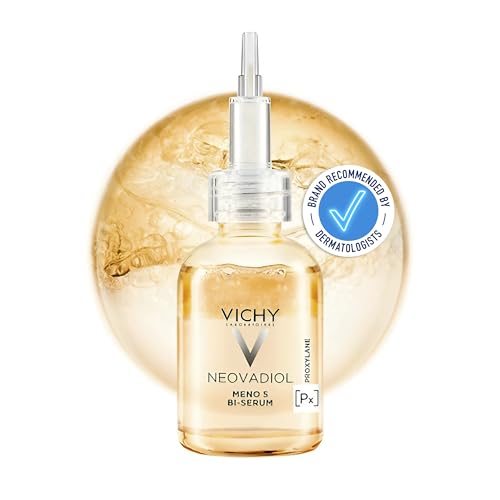
Vichy
Neovadiol Meno 5 Bi-Serum
serum · 2.4 l · 23 ingredients
£32.25−12%Amazon UK
- No essential oils
- No heavy, pore-clogging emollients such as coconut oil and isopropyl myristate
- With salicylic acid
- With niacinamide
Amazon UK prices as of 6 November 2026, 06:19 GMT; Amazon sets the final price at checkout.
Frequently asked questions
What is the most effective ingredient for minimizing pores in 2026?
The strongest evidence base belongs to topical retinoids (retinol OTC, adapalene OTC, tretinoin prescription) for addressing both the structural collagen loss and the keratinization component of enlarged pores. Niacinamide at 2%–5% is the best-evidenced complementary ingredient, with multiple RCTs showing meaningful pore and sebum reduction within 8–12 weeks. Salicylic acid at 0.5%–2% is the most effective active for clearing pore contents. Daily SPF prevents the UV-driven collagen degradation that enlarges pores over time — arguably the most important long-term intervention.
Can pores actually be permanently reduced in size?
No — pore size is primarily genetic and there is no treatment that permanently changes the diameter of a pore opening. What treatments can do is consistently minimize their visible appearance: by clearing them of sebum and debris (making them less prominent), by restoring the collagen scaffold around them (making them appear tighter), and by reducing sebum production (keeping them less full). The improvement is real and often striking, but it requires ongoing maintenance. Stop the routine and pores return to their natural baseline.
Does oily skin cause larger pores?
There is a direct relationship. Oily skin produces more sebum, which fills the follicular canal and physically stretches the pore opening. Clinical studies confirm that sebum casual level correlates significantly with visible pore size. This is why sebum-reducing interventions — niacinamide, retinoids, salicylic acid — also improve pore appearance. However, genetics determines how much sebum your glands produce in the first place, so some people with oily skin will always have larger visible pores than others regardless of routine.
Does sunscreen actually help with pore size?
Daily sunscreen prevents further pore enlargement by protecting the collagen and elastin fibers that keep pore walls taut. UV radiation degrades this structural support, permanently widening pores over years. It will not reverse existing damage, but consistent SPF use stops the ongoing loss. Treating pores without sunscreen is analogous to bailing out a boat without plugging the hole — you may be doing other things right but you're working against a continuing source of damage.
Are professional treatments worth it for enlarged pores?
For people who have used consistent retinoids, niacinamide, and SPF for 3–6 months without achieving satisfactory improvement, professional treatments can provide a meaningful step up. Microneedling and fractional laser treatments have clinical trial evidence for pore reduction through collagen induction. A consultation with a board-certified dermatologist is the right route — they can assess whether structural collagen loss, sebum overproduction, or both are the primary driver, and recommend accordingly.
Sources
- 01The Impact of Sebum and Pore Size on Consumer Perception — PubMed Central / PMC, 2025-01-01. Sebum casual level correlates significantly with visible pore size in Asian and Caucasian populations; sebum reduction interventions reliably improve pore appearance.
- 02Mechanistic Insights into the Multiple Functions of Niacinamide: Therapeutic Implications and Cosmeceutical Applications — PubMed Central / PMC, 2024-01-01. Niacinamide at 2%–5% reduces sebum excretion rate and improves pore appearance; 4% niacinamide in RCT reduced pores and skin unevenness after 8 weeks.
- 03A Study of Combined Onabotulinumtoxin A and Hyaluronic Acid Filler for the Treatment of Enlarged Facial Pores — PubMed Central / PMC, 2024-01-01. Three major clinical causes of enlarged facial pores: high sebum production, decreased elasticity around pores, and increased hair follicle volume. Influencing factors include UV exposure, male sex, age, and genetic predisposition.
- 04Quantitative assessment of the long-term efficacy and safety of a 1064-nm picosecond laser with fractionated microlens array for enlarged pores — PubMed Central / PMC, 2022-07-01. 1064-nm picosecond laser with fractional microlens array demonstrated significant measurable reduction in pore size at 3- and 6-month follow-up in a controlled case-control study.
- 05Comparison of Intradermal Versus Microneedling-Assisted Botulinum A Toxin Injection for Enlarged Facial Pores: A Randomized Clinical Trial — PubMed Central / PMC, 2025-01-01. Both intradermal and microneedling-assisted botulinum toxin injection significantly reduced pore size and sebum production; microneedling delivery showed superior distribution in a randomized clinical trial.
- 06Comedone formation: etiology, clinical presentation, and treatment — PubMed, 2004-01-01. Pilosebaceous ductal hypercornification is the primary event in comedone and enlarged pore formation; retinoids normalize follicular keratinization and reduce pore visibility.