Collagen Supplements for Skin: Do They Actually Work?
The short answer
Yes — hydrolyzed collagen peptides improve skin hydration, elasticity, and wrinkle depth.
Do Collagen Supplements Actually Work?
The short, evidence-based answer: yes, with meaningful caveats. Oral hydrolyzed collagen supplements are not marketing fiction. A peer-reviewed meta-analysis published in 2024 analyzed 14 randomized controlled trials and found statistically significant improvements in skin hydration, elasticity, wrinkle depth, and barrier function versus placebo. The mechanism by which they work is also better understood than it was five years ago.
The caveats: they are not equivalent to prescription retinoids or dermatological procedures for photoaging; the evidence base, while growing, is still maturing; and most trials are short-term (≤12 weeks). But the claim that collagen supplements "just get digested as protein" and have no skin-specific effect is demonstrably outdated.
Why the "Just Protein" Dismissal Is Wrong
The old sceptical argument was straightforward: collagen is a protein, the gut digests proteins into amino acids, those amino acids enter the amino acid pool, and there is nothing special about collagen-derived amino acids versus any other protein. This is wrong for a specific reason: hydrolyzed collagen produces bioactive dipeptides and tripeptides (notably Gly-Pro, Pro-Hyp, Hyp-Gly) that:
- Resist full hydrolysis — the unique amino acid triplet structure (Gly-X-Y repeating) of collagen peptides produces fragments that survive intestinal digestion and absorb intact into the bloodstream
- Accumulate in skin tissue — labelled studies show these specific peptides reaching the dermis
- Trigger fibroblast chemotaxis — collagen-derived tripeptides signal to dermal fibroblasts, stimulating them to produce new collagen, hyaluronic acid, and elastin
This peptide-signaling mechanism — not simply amino acid supply — is the reason hydrolyzed collagen has measurably different effects on skin than equivalent-nitrogen standard protein supplement controls.
What the Meta-Analysis Evidence Shows
The 2024 Systematic Review and Meta-Analysis
A systematic review and meta-analysis published in Nutrients (2024, PMC10773595) analyzed 14 randomized controlled trials involving 967 participants, all using oral hydrolyzed collagen supplementation versus placebo. Primary outcomes:
| Outcome | Z-score | P-value | Direction |
|---|---|---|---|
| Skin hydration | 7.42 | <0.00001 | Significant improvement |
| Skin elasticity | 6.16 | <0.00001 | Significant improvement |
| Wrinkle depth/appearance | 2.07 | 0.04 | Significant improvement |
| Transepidermal water loss (TEWL) | 4.69 | <0.00001 | Significant reduction |
| Skin firmness | Positive | — | Less pronounced |
Risk of bias was assessed with RoB-2: 7 trials rated low bias, 7 as unclear. Funnel plot analysis found publication bias minimal. The effect sizes for hydration and elasticity were particularly robust.
The 2024 CollaSel Pro Double-Blind RCT
A 2024 double-blind, randomized, placebo-controlled clinical trial in Nutrients (PMC11432272) evaluated 112 adult females receiving 10 g hydrolyzed collagen peptides or placebo daily for 8 weeks. Outcomes included skin elasticity, hydration, roughness, and facial soft tissue sagging, assessed using biophysical and skin imaging techniques. Improvements in the collagen group were statistically significant across multiple parameters versus placebo.
Fibroblast Signaling Research (2024)
A May 2024 study in PMC (PMC11094247) examined collagen peptides' effects on gene expression in cultured human dermal fibroblasts, finding upregulation of collagen (COL1A1, COL3A1), elastin (ELN), and versican (VCAN) genes — providing mechanistic confirmation at the transcriptomic level.
What Kind of Collagen Is Best?
Type I vs. Type II vs. Type III
For skin, Type I collagen is the most relevant — it constitutes approximately 80% of dermis collagen by weight and is the primary structural collagen that degrades with photoaging. Most collagen supplements are derived from fish or bovine sources and are predominantly Type I (and Type III). Type II collagen (cartilage-derived) is primarily studied for joint health, not skin.
Marine vs. Bovine vs. Chicken
| Source | Collagen Type | Research Volume | Notes |
|---|---|---|---|
| Marine (fish skin/scales) | Predominantly Type I | Highest in recent skin trials | High bioavailability (small peptide size); no BSE/bovine concern |
| Bovine (cow hide) | Type I + Type III | Substantial | Most widely used; good tolerability |
| Chicken (cartilage) | Type II predominantly | Less for skin | More relevant for joint health |
| Porcine (pig) | Type I + III | Moderate | Similar to bovine in skin evidence |
Marine collagen has become dominant in skin research partly due to the abundance of Type I collagen from fish processing waste and partly because its smaller average peptide size may improve intestinal uptake.
Hydrolyzed vs. Gelatin vs. Native
Only hydrolyzed collagen (also called collagen peptides or collagen hydrolysate) has clinical evidence for skin. Gelatin (partially hydrolyzed) may have modest effects but is much less studied. Native collagen (unprocessed) does not have the bioactive peptide profile that drives fibroblast signaling.
Molecular Weight
Lower molecular weight peptides (typically 2–5 kDa) show better absorption in blood and better dermis accumulation than higher molecular weight fractions. "Low molecular weight collagen" designation on products reflects this — look for hydrolyzed collagen peptides rather than plain "collagen powder."
How Much Collagen to Take, and When?
Dose
Clinical trials showing robust skin benefits have used 2.5 g to 10 g of hydrolyzed collagen peptides daily. The 2024 meta-analysis found significant effects across a broad range (300 mg to 5 g), but effect sizes were generally larger in trials using 5–10 g. There is no established upper dose for skin benefit; increasing beyond 10 g daily has no established additional benefit and substantially increases cost and caloric load.
Practical recommendation: 5–10 g hydrolyzed collagen peptides per day is well within the evidence range.
When to Take It
Timing does not meaningfully affect outcomes. Taking collagen with a meal containing vitamin C (which supports hydroxyproline synthesis in collagen) is a theoretically sensible pairing — vitamin C is a cofactor for prolyl hydroxylase, the enzyme that stabilizes the collagen triple helix. Some brands add vitamin C directly to their formulas for this reason.
How Long Before You See Results
| Timeline | Expected Changes |
|---|---|
| Weeks 1–3 | No visible change; peptides are accumulating in skin tissue |
| Week 4 | Early improvements in hydration and barrier function in most users |
| Weeks 8–12 | Improved elasticity, skin texture, and modest wrinkle reduction |
| 3–6 months | Progressive collagen remodeling; longer-term improvements in firmness |
Minimum trial period: 12 weeks of daily use before assessing whether the supplement is producing meaningful benefit for you.
Are Collagen Supplements Safe?
Yes, for most people — hydrolyzed collagen supplements have an excellent general safety profile:
- Common adverse effects: Rare; mild gastrointestinal discomfort (bloating, fullness) in a small number of users, typically transient
- Allergic reactions: Possible in individuals with shellfish or fish allergies (for marine collagen); those with known fish allergies should use bovine or porcine collagen or avoid entirely
- Pregnancy and breastfeeding: Generally considered safe as a food-derived protein, but clinical trial data in pregnant women are absent — discuss with your healthcare provider
- Bovine spongiform encephalopathy (BSE): High-quality bovine collagen is derived from BSE-free certified herds and processed under conditions that eliminate prion risk; choose established brands with transparent sourcing
- Drug interactions: No known pharmacokinetic interactions with common medications
The Cosmetic Ingredient Review and food regulatory bodies in the US, EU, and UK classify hydrolyzed collagen as safe for use in food supplements at typical commercial doses.
What Collagen Supplements Cannot Do
Being rigorous about limitations:
- Cannot match topical retinoids for photoaging: Tretinoin and prescription retinoids have four decades of biopsy-controlled evidence showing direct collagen synthesis upregulation and MMP suppression in the dermis. Collagen supplements stimulate fibroblast activity indirectly via peptide signaling — a related but lower-magnitude mechanism.
- Cannot remove established deep wrinkles: They can modestly reduce wrinkle depth and improve skin elasticity — which is meaningful — but are not a wrinkle removal strategy.
- Cannot replace SPF: Sun damage is the primary cause of collagen degradation and photoaging. No supplement addresses the root cause of continued UV damage.
- Cannot rebuild collagen rapidly: Collagen remodeling is measured in months. Supplements are slow-acting by the biology, not by marketing.
Collagen Supplements vs. Other Approaches
| Approach | Mechanism | Evidence Level |
|---|---|---|
| Oral hydrolyzed collagen (5–10 g/day) | Peptide-triggered fibroblast signaling → endogenous collagen + HA synthesis | Moderate–strong; 14-RCT meta-analysis |
| Topical retinol/tretinoin | RAR activation → direct collagen synthesis + MMP inhibition | Strong; decades of RCTs + biopsies |
| SPF 30+ daily | Prevents UV-driven MMP elevation and collagen degradation | Very strong; prevents primary cause |
| Vitamin C serum | Cofactor for collagen synthesis; antioxidant protection | Moderate; clinical and mechanistic |
| Topical peptides | Variable; some signal fibroblasts at skin surface | Limited; mostly in vitro data |
| Collagen-boosting foods (bone broth etc.) | Provides amino acids + some di/tripeptides, but at lower concentration than supplements | Minimal clinical evidence |
The most evidence-supported anti-aging protocol combines daily broad-spectrum SPF + topical retinoid + consistent oral collagen supplementation — each addressing a different part of the collagen maintenance equation.
What to Look for When Buying a Collagen Supplement
- "Hydrolyzed collagen peptides" on the label — not "collagen" alone or "gelatin"
- Clear source disclosure — marine, bovine, porcine; avoid vague "collagen blend"
- Dose statement — at least 5 g per serving; you need to be able to assess what you are taking
- Third-party testing — Informed Sport, NSF, or USP certification for supplement quality and contamination
- Minimal additives — unflavored or simply flavored; avoid formulas with excessive sugars or artificial sweeteners
- No extravagant claims — if the marketing claims that the product removes wrinkles completely or replaces medical treatment, treat it as a red flag
Liquid collagen drinks, collagen gummies, and capsule forms are all valid delivery formats — the critical variable is total daily dose of hydrolyzed collagen peptides.
Products that fit: mature skin
Picked by code from each product's full ingredient list.

Medik8
Advanced Pro-Collagen+ Peptide Cream
moisturizer · 50 ml · 56 ingredients
- Fragrance-free
- No essential oils
- With peptides
- With vitamin C
- With ceramides

Beauty of Joseon
Dynasty Cream Hydrating Face Moisturizer
moisturizer · 100 ml · 37 ingredients
- Fragrance-free
- No essential oils
- With niacinamide
- With ceramides
- With hyaluronic acid
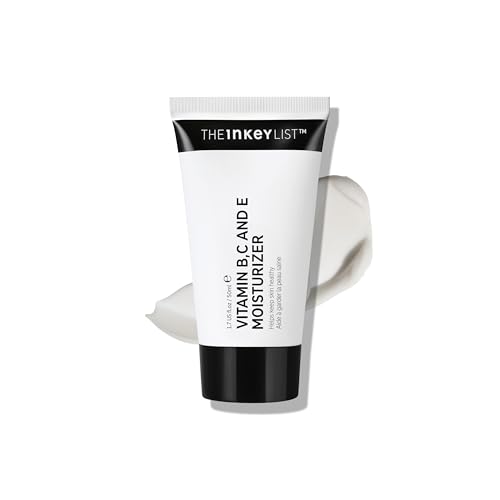
The Inkey List
Vitamin B
moisturizer · 50 ml · 22 ingredients
- Fragrance-free
- No essential oils
- With vitamin C
- With niacinamide
- With hyaluronic acid

Caudalie
Vinoperfect Dark Spot Niacinamide Moisturizer
moisturizer · 50 ml · 29 ingredients
- No essential oils
- With peptides
- With niacinamide
- With hyaluronic acid
Frequently asked questions
What does the latest 2025 evidence say about collagen supplements for skin?
The evidence base continues to strengthen. A 2024 systematic review and meta-analysis of 14 RCTs (967 participants) confirmed statistically significant improvements in skin hydration, elasticity, and wrinkle depth with hydrolyzed collagen versus placebo — with low publication bias on funnel plot analysis. A 2024 fibroblast gene expression study confirmed that collagen peptides upregulate COL1A1, elastin, and versican genes in human dermal fibroblasts, providing transcriptomic mechanistic confirmation. The peptide-signaling mechanism is now well-established in the literature. The 'just digested as amino acids' dismissal is not consistent with current science.
How long does it take for collagen supplements to work on skin?
Expect meaningful changes in hydration and barrier function around week 4, with improvements in elasticity and wrinkle depth more apparent at weeks 8–12. Collagen remodeling is a slow biological process — fibroblasts must synthesize new collagen fibers and integrate them into the dermis matrix. Do not evaluate results at 2–4 weeks; the minimum fair trial is 12 weeks of daily use.
Do collagen supplements work better than topical skincare?
They work differently, not better. Topical retinoids (retinol, tretinoin) have stronger evidence for directly stimulating collagen synthesis in the dermis and inhibiting the MMP enzymes that degrade it — this is a four-decade body of biopsy-controlled data. Oral collagen supplements stimulate fibroblast activity through a different route (peptide signaling) and additionally improve skin hydration and barrier function in ways topical retinoids do not address as directly. The most evidence-supported approach uses both: topical retinoid for the collagen-signaling and cell-turnover benefit, oral collagen for the hydration, elasticity, and indirect fibroblast support.
Is marine collagen better than bovine collagen for skin?
Marine (fish-derived) collagen is predominantly Type I — the most relevant type for skin — and its smaller average peptide size may improve intestinal absorption. It dominates recent skin-focused clinical trials. Bovine collagen is also Type I and III and is well-established with a large body of evidence. The practical difference in skin outcomes between high-quality marine and bovine hydrolyzed collagen is likely small; sourcing transparency, degree of hydrolysis, and consistent daily dose matter more than source species.
Can vegan collagen supplements work?
There is no vegan source of actual collagen — collagen is an animal protein. Products marketed as 'vegan collagen' typically contain ingredients that support the body's own collagen synthesis: vitamin C, zinc, glycine, proline, and sometimes silica. These nutrients are cofactors for collagen synthesis rather than direct collagen sources. There are no clinical trials comparing vegan 'collagen support' products to placebo for skin outcomes; this is a categorically different and substantially less evidence-supported product category.
Should I take collagen supplements if I already use retinol?
Yes — they complement rather than overlap. Retinol works via nuclear receptor activation to directly upregulate collagen synthesis genes and block MMP degradation enzymes. Oral collagen peptides work by providing fibroblast signaling molecules and amino acid substrate for collagen synthesis. They target overlapping but distinct aspects of the same biological goal (maintaining dermal collagen density), and combining them is the approach with the broadest mechanistic support.
Health information, not medical advice.
Beauty Comparison is an independent editorial publication. This page is researched and sourced to the authorities listed below, but it is general information — not a diagnosis or a substitute for personalised advice from a qualified doctor, dermatologist or pharmacist. If your symptoms are severe, spreading, painful, or not improving, see a healthcare professional.Sources
- 01Exploring the Impact of Hydrolyzed Collagen Oral Supplementation on Skin Rejuvenation: A Systematic Review and Meta-Analysis — PubMed Central / Nutrients, 2024-01-03. Meta-analysis of 14 RCTs (967 participants): oral hydrolyzed collagen significantly improved skin hydration (Z=7.42, P<0.00001), elasticity (Z=6.16, P<0.00001), wrinkles (Z=2.07, P=0.04), and TEWL (Z=4.69, P<0.00001) versus placebo. Results within 4 weeks, sustained at 12 weeks. Effective dose range 300 mg–5 g.
- 02The Efficacy and Safety of CollaSel Pro® Hydrolyzed Collagen Peptide Supplementation in Improving Skin Health in Adult Females: A Double Blind, Randomized, Placebo-Controlled Clinical Study — PubMed Central / Nutrients, 2024-09-01. Double-blind RCT (n=112): 10 g/day hydrolyzed collagen peptides for 8 weeks significantly improved skin elasticity, hydration, roughness, and facial tissue sagging versus placebo, assessed with biophysical and imaging techniques.
- 03Collagen peptides affect collagen synthesis and the expression of collagen, elastin, and versican genes in cultured human dermal fibroblasts — PubMed Central / Nutrients, 2024-05-01. Collagen peptides upregulate COL1A1, COL3A1, ELN (elastin), and VCAN (versican) gene expression in human dermal fibroblasts, confirming the peptide-signaling (fibroblast chemotaxis) mechanism at the transcriptomic level.
- 04Collagen supplementation in skin and orthopedic diseases: A review of the literature — PubMed Central / Heliyon, 2023-04-01. Review confirms hydrolyzed collagen dipeptides/tripeptides survive intestinal digestion, accumulate in skin tissue, and trigger fibroblast chemotaxis; systematic review of 11 RCTs shows improved elasticity, hydration, and collagen density; generally well-tolerated.
- 05Restoration of Collagen Formation in Photodamaged Human Skin by Tretinoin (Retinoic Acid) — New England Journal of Medicine, 1993-08-19. Landmark biopsy-controlled trial establishing topical retinoids as gold-standard for dermal collagen restoration — the comparison baseline against which collagen supplements are contextualised.