The Gut-Skin Connection: How Your Microbiome Affects Skin
The short answer
Gut microbiome dysbiosis drives skin inflammation through immune, metabolic, and barrier signaling.
What Is the Gut-Skin Axis?
The gut-skin axis refers to the bidirectional biochemical communication network between the gastrointestinal microbiome and the skin. It is not metaphorical — specific molecular pathways connect gut bacteria, their metabolites, the intestinal immune system, and the inflammatory signaling that determines skin health.
Both organs share fundamental biological properties: they are the two largest interfaces between the human body and the external environment, both are heavily colonized by microbial communities, both are critical immune surveillance organs, and both share embryological origins in neuroectodermal tissue. These commonalities create overlapping regulatory systems that make gut dysbiosis a biologically plausible driver of skin disease — and the evidence now confirms that it is.
A landmark March 2025 review in Gut Microbes (PMC11901370) described the gut-skin axis as "a bi-directional, microbiota-driven relationship with therapeutic potential," synthesizing mechanisms from genetics, microbiology, and immunology into a unified framework.
The Key Communication Pathways
1. Short-Chain Fatty Acids (SCFAs) — The Butyrate Pathway
When gut bacteria — particularly Lactobacillus, Bifidobacterium, and Clostridium species — ferment dietary fiber, they produce short-chain fatty acids: acetate, propionate, and butyrate. Butyrate is the most immunologically active:
- Treg induction: Butyrate promotes the differentiation of regulatory T cells (Tregs) in the intestinal lamina propria and in systemic circulation. Tregs suppress excessive inflammatory responses, including those driving atopic dermatitis and psoriasis.
- Epigenetic regulation: Butyrate inhibits histone deacetylases (HDACs), altering gene expression in immune cells in ways that reduce inflammatory cytokine production.
- Gut barrier integrity: Butyrate is the primary energy source for colonocytes (intestinal epithelial cells), maintaining tight junction protein expression and preventing "leaky gut" — the increased intestinal permeability that allows LPS and bacterial fragments to enter systemic circulation.
The skin consequence: Low dietary fiber → reduced butyrate production → increased intestinal permeability → elevated circulating LPS (lipopolysaccharide) → systemic inflammatory signaling → skin inflammation.
2. LPS and Systemic Endotoxemia
Lipopolysaccharide (LPS) is a component of gram-negative bacterial cell walls. When gut barrier integrity is compromised, LPS translocates from the intestinal lumen into systemic circulation — a condition called metabolic endotoxemia. LPS binds to TLR-4 receptors on immune cells and activates NF-κB, producing a systemic low-grade inflammatory state that:
- Elevates circulating TNF-α, IL-6, and IL-1β
- Activates skin-resident immune cells (Langerhans cells, dermal dendritic cells)
- Amplifies inflammatory acne and rosacea pathophysiology
- Worsens psoriatic inflammation
Ultra-processed foods, high-fat diets (particularly saturated fat), alcohol, and antibiotics all increase intestinal LPS translocation. Dietary fiber, omega-3 fatty acids, and polyphenol-rich foods reduce it.
3. Tryptophan Metabolites and the Aryl Hydrocarbon Receptor (AhR)
Tryptophan (an essential amino acid in dietary protein) is metabolized by gut bacteria into indole derivatives — key AhR ligands. The aryl hydrocarbon receptor is expressed in skin keratinocytes and immune cells and regulates:
- Skin barrier gene expression (including filaggrin, critical for eczema)
- IL-22 production (which drives epidermal proliferation in psoriasis)
- Th17 and Treg balance
Gut dysbiosis alters the tryptophan → indole pathway, shifting AhR signaling in ways that may amplify atopic dermatitis and psoriasis. Conversely, specific Lactobacillus species produce AhR-activating indoles that have demonstrated barrier-protective and anti-inflammatory effects in preclinical models.
4. Vitamin D — The Skin-Gut-Immune Triangle
UVB exposure in skin drives vitamin D synthesis. Vitamin D then:
- Regulates gut microbiome composition (vitamin D receptor signaling shapes microbial diversity)
- Maintains gut barrier integrity
- Modulates immune responses relevant to both skin and gut conditions
Vitamin D deficiency is associated with increased severity of atopic dermatitis and psoriasis — and with gut dysbiosis. This three-way relationship (skin → vitamin D → gut) illustrates why the axis is genuinely bidirectional.
Which Skin Conditions Are Linked to the Gut Microbiome?
Acne Vulgaris
Mendelian randomization studies identified independent causal relationships between four specific gut microbiota taxa and acne vulgaris, providing genetic-level evidence beyond observational association. The mechanism operates through IGF-1 modulation and inflammatory pathway activation.
Additionally: Cutibacterium acnes (the skin bacterium central to acne pathogenesis) is related to gut Propionibacterium species — changes in gut microbiome composition may influence the inflammatory threshold at which C. acnes triggers skin inflammation.
Atopic Dermatitis (Eczema)
The gut-skin link in atopic dermatitis is the most extensively studied:
- Staphylococcus aureus dominates skin microbiome in AD and is also found in elevated levels in the gut of AD patients — gut S. aureus colonization may sustain systemic Th2 immune skewing
- Neonatal gut microbiome composition predicts AD development — reduced Lactobacillus and Bifidobacterium diversity in infancy correlates with increased AD risk
- Filaggrin gene mutations (the primary genetic risk factor for AD) compromise skin barrier AND alter gut permeability — the same molecule linking skin and gut barrier
- Clinical trials of oral probiotics in infants show modest reductions in AD risk, with Lactobacillus rhamnosus GG the most studied
Psoriasis
- A 2023 Mendelian randomization study found causal associations between specific gut microbiota and psoriasis risk
- Gut dysbiosis elevates systemic IL-17 (the central driver of psoriasis) via Th17 cells that traffic from gut to skin
- 10–25% of IBD patients develop psoriasis — a clinical overlap that reflects shared gut-immune-skin pathways
- Mediterranean diet, which supports gut microbiome diversity, inversely correlates with psoriasis disease activity
Rosacea
The rosacea-gut connection is particularly well-documented clinically:
- Small intestinal bacterial overgrowth (SIBO) occurs at significantly higher rates in rosacea patients than controls in multiple studies
- A 2024 PMC review (Rosacea, microbiome and probiotics: the gut-skin axis, PMC10800857) found that oral probiotic supplementation may be a viable adjunct to improve rosacea clinical outcomes
- The gut microbiome modulates the kallikrein-5/cathelicidin pathway — the key immunological driver of rosacea flushing and inflammation
Hidradenitis Suppurativa (HS) and Alopecia Areata
Emerging evidence links gut dysbiosis to both HS (increased intestinal permeability and dysbiosis) and alopecia areata (Treg deficiency and gut microbiome alterations) — these remain areas of active research rather than established clinical consensus.
The Bidirectionality: Skin Affects the Gut Too
The axis runs both ways. UVB radiation on the skin produces vitamin D and AhR ligands that enter circulation and modulate gut microbiome composition and intestinal immune function. Emerging research from the 2025 Gut Microbes review proposes that "moderate UVB exposure is a novel therapeutic approach for the human GI tract, acting via the gut-skin axis" — an idea with preclinical support and growing clinical interest.
Skin barrier disruption (as in eczema) activates systemic Th2 skewing and inflammatory mediators that affect gut motility and microbiome composition. This helps explain why eczema patients have elevated rates of gut symptoms and IBD.
How to Support the Gut-Skin Axis
Dietary Approaches (Strongest Evidence)
High-fiber diet Dietary fiber is the substrate for butyrate production. Adults in the US and UK average 15–17 g fiber/day versus the recommended 25–38 g. Increasing fiber from diverse whole plant foods (legumes, vegetables, fruit, whole grains, nuts, seeds) directly feeds the Bifidobacterium and Clostridium species that produce butyrate.
Mediterranean dietary pattern The Mediterranean diet consistently increases microbial diversity, reduces systemic LPS, and produces higher SCFA levels in human studies. Its benefits for psoriasis, acne, and gut microbiome are the most clinically supported.
Omega-3 fatty acids EPA and DHA reduce gut inflammation, improve gut barrier integrity, and shift the microbiome composition toward reduced inflammatory potential. The 2025 SPM systematic review (PMC12837189) confirms omega-3 specialized pro-resolving mediators modulate inflammatory skin pathways downstream of gut-skin signaling.
Polyphenol-rich foods Polyphenols from berries, green tea, olive oil, and dark chocolate are selectively metabolized by Bifidobacterium and Lactobacillus species, increasing these beneficial populations while reducing Bacteroidetes associated with gut permeability.
Fermented foods Kefir, kimchi, sauerkraut, miso, and natural yogurt contain live probiotic organisms and organic acids that may support microbiome diversity. A 2021 Stanford RCT showed a high-fermented-food diet increased microbiome diversity and reduced 19 inflammatory proteins in circulation — though skin-specific outcomes were not assessed.
Probiotic Supplementation (Promising, Strain-Specific)
| Condition | Most-studied strain(s) | Evidence level |
|---|---|---|
| Atopic dermatitis (infant prevention) | Lactobacillus rhamnosus GG | Moderate |
| Atopic dermatitis (adult management) | Lactobacillus spp. + Bifidobacterium | Limited–Moderate |
| Acne | Lactobacillus acidophilus, L. bulgaricus | Limited |
| Rosacea | Lactobacillus species (multiple) | Limited–Moderate |
| Psoriasis | Lactobacillus spp. | Limited |
Important caveats: Probiotic evidence in skin is heavily strain-specific — results from one strain cannot be extrapolated to another. Most trials are small and short-term. The gut microbiome is highly individual, so population-level trial results may not predict individual response. Probiotics are an adjunct, not a primary treatment.
Lifestyle Factors That Damage the Gut-Skin Axis
| Factor | Gut-Skin Impact |
|---|---|
| Broad-spectrum antibiotics | Dysbiosis; reduces butyrate-producing species |
| High-sugar, ultra-processed diet | Reduces microbial diversity; increases Proteobacteria |
| Alcohol | Increases gut permeability; raises circulating LPS |
| Chronic stress | Alters gut motility and microbiome via the gut-brain axis |
| Low sleep quality | Disrupts microbial circadian rhythms; increases gut permeability |
| Sedentary lifestyle | Lower microbiome diversity vs. physically active individuals |
Clinical Implications: What You Should Actually Do
- Increase dietary fiber to 25–35 g/day from diverse plant sources — this is the single most evidence-supported gut microbiome intervention
- Eat a Mediterranean-pattern diet — the broadest evidence for both gut microbiome health and skin outcomes
- Include fatty fish 2–3× weekly or take 1–2 g EPA+DHA daily
- Add fermented foods if tolerated (kefir, natural yogurt, kimchi, sauerkraut)
- Minimize ultra-processed food, alcohol, and unnecessary antibiotics — the most evidence-backed ways to damage the gut-skin axis
- Consider a probiotic if you have a condition with evidence (particularly atopic dermatitis or rosacea) — choose a multi-strain product with Lactobacillus species and ≥10 billion CFU, and trial for at least 8 weeks
This is adjunctive management. Gut-skin strategies support but do not replace evidence-based dermatological treatment for established conditions.
Products that fit: sensitive skin
Picked by code from each product's full ingredient list.

Naturium
Marshmallow Root Barrier Balm
moisturizer · 50 g · 58 ingredients
- Fragrance-free
- No essential oils
- No drying alcohol
- No MI/MCI
- No menthol, camphor and witch hazel
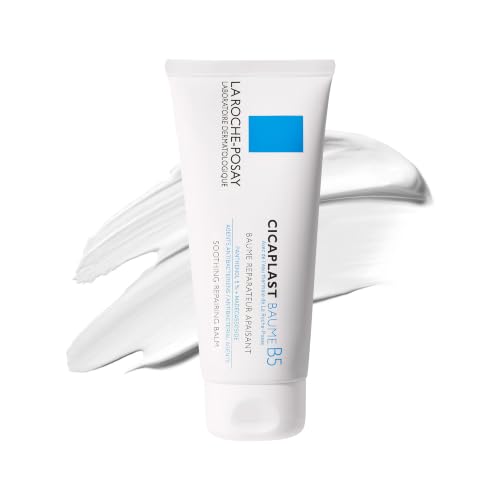
La Roche-Posay
Cicaplast Baume B5 Soothing Repair
moisturizer · 100 ml · 33 ingredients
- Fragrance-free
- No essential oils
- No drying alcohol
- No MI/MCI
- No menthol, camphor and witch hazel

Beauty of Joseon
Red Bean Water Gel
moisturizer · 99.9 ml · 58 ingredients
- Fragrance-free
- No essential oils
- No drying alcohol
- No MI/MCI
- No menthol, camphor and witch hazel

Uriage
Xemose C8+ Lipid-Replenishing Anti-Itch Balm
moisturizer · 500 ml · 24 ingredients
- Fragrance-free
- No essential oils
- No drying alcohol
- No MI/MCI
- No menthol, camphor and witch hazel
Frequently asked questions
Is the gut-skin axis scientifically established, or is it still speculative?
The mechanistic foundation is well-established — the specific pathways (SCFAs, LPS, tryptophan/AhR signaling, immune cell trafficking) are documented in peer-reviewed molecular biology. Mendelian randomization studies now provide genetic-level evidence for causal relationships between gut microbiota and acne, eczema, psoriasis, and rosacea. What remains less mature is the clinical intervention evidence: we understand the biology of how gut dysbiosis affects skin better than we have proven that specific probiotic interventions reliably treat skin conditions in large RCTs. The axis is real; the optimal clinical interventions are still being refined.
What does the latest 2025 research say about the gut-skin axis?
A March 2025 review in Gut Microbes (PMC11901370) — one of the field's leading journals — described the gut-skin axis as a bidirectional, microbiota-driven relationship and proposed UVB phototherapy as a novel gut-targeting intervention via the skin-vitamin D-gut pathway. A 2025 systematic review on omega-3 SPMs (PMC12837189) confirmed that omega-3-derived pro-resolving mediators operate across both gut and skin inflammatory pathways. The mechanistic map is now substantially built; the major open question is translating it into reliable clinical interventions.
Can probiotics clear acne or eczema?
Probiotics alone are unlikely to clear established moderate-to-severe acne or eczema. In eczema, the most robust clinical evidence is for Lactobacillus rhamnosus GG reducing atopic dermatitis risk in infants when given in early life — not for clearing established adult eczema. For acne, small trials show promising signals but no large RCTs have confirmed that probiotics meaningfully reduce lesion counts as a primary therapy. Probiotics are best considered as adjuncts to proven treatments (topical retinoids, benzoyl peroxide for acne; emollients and corticosteroids for eczema) rather than replacements.
What gut bacteria are most important for skin health?
Beneficial species include Lactobacillus reuteri, Lactobacillus rhamnosus, Bifidobacterium longum, and butyrate-producing Clostridium species. These maintain gut barrier integrity, produce anti-inflammatory SCFAs, and support regulatory T cell function. Pathogenic associations include elevated Staphylococcus aureus in atopic dermatitis and specific Bacteroides alterations in psoriasis. The key concept is microbial diversity — a diverse microbiome is more resilient and generally associated with better immune regulation than one dominated by any single species.
Is leaky gut real, and does it cause skin problems?
Increased intestinal permeability — called 'leaky gut' — is a real, measurable physiological state, not a fringe concept. It is assessed clinically by measuring LPS translocation, zonulin levels, and tight junction protein expression. Increased permeability allows LPS and bacterial fragments into systemic circulation, elevating inflammatory markers associated with skin conditions including acne, psoriasis, and eczema. What is less established is whether 'leaky gut' is a primary cause of skin disease in people who do not have IBD or celiac disease — it may be a contributing factor rather than the primary driver in most skin conditions.
Health information, not medical advice.
Beauty Comparison is an independent editorial publication. This page is researched and sourced to the authorities listed below, but it is general information — not a diagnosis or a substitute for personalised advice from a qualified doctor, dermatologist or pharmacist. If your symptoms are severe, spreading, painful, or not improving, see a healthcare professional.Sources
- 01The gut-skin axis: a bi-directional, microbiota-driven relationship with therapeutic potential — PubMed Central / Gut Microbes, 2025-03-06. Comprehensive review of gut-skin axis mechanisms: SCFA/butyrate/Treg pathway, LPS endotoxemia, tryptophan/AhR signaling, vitamin D triangle; confirms bidirectional nature; proposes UVB as a novel gut-targeting intervention; documents 10–25% skin pathology co-occurrence in IBD/celiac patients.
- 02Exploring the Association between Gut Microbiota and Inflammatory Skin Diseases: A Two-Sample Mendelian Randomization Analysis — PubMed Central / Frontiers in Microbiology, 2023-10-01. Mendelian randomization study establishing causal genetic relationships between gut microbiota composition and eczema, acne, psoriasis, and rosacea — genetic-level evidence for the gut-skin axis beyond observational association.
- 03Rosacea, microbiome and probiotics: the gut-skin axis — PubMed Central / Frontiers in Microbiology, 2024-01-18. Reviews evidence linking SIBO and gut dysbiosis to rosacea pathogenesis via the kallikrein-5/cathelicidin pathway; finds oral probiotic supplementation may improve rosacea clinical evolution.
- 04Impact of gut microbiome on skin health: gut-skin axis observed through the lenses of therapeutics and skin diseases — PubMed Central / Gut Microbes, 2022-07-01. Reviews gut microbiome-skin condition links (atopic dermatitis, psoriasis, acne, rosacea, alopecia areata, HS); documents S. aureus gut-skin role in AD; identifies Lactobacillus species as the most studied probiotic for skin conditions.
- 05Specialized Pro-Resolving Lipid Mediators and Dietary Omega-3/6 Fatty Acids in Selected Inflammatory Skin Diseases: A Systematic Review — PubMed Central / Nutrients, 2025-02-01. 57-study systematic review: omega-3 SPMs modulate inflammatory pathways in skin and gut via shared immunological mechanisms; preclinical data support epithelial repair and immune balance restoration across psoriasis, atopic dermatitis, and acne.