Does Diet Cause Acne? What the Evidence Actually Says
The short answer
High-glycemic diets and, to a lesser extent, dairy are associated with increased acne severity.
The Diet-Acne Debate: A Century of Controversy
For most of the twentieth century, dermatology largely dismissed the link between diet and acne as folk wisdom unsupported by evidence. The dismissal was partly driven by a 1969 controlled trial on chocolate that found no effect — a methodologically flawed study using chocolate bars with low cocoa content — and partly by the profession's shift toward bacterial and hormonal explanations.
By the 2000s, a new wave of epidemiological observations and mechanistic research shifted the consensus. Populations eating low-glycemic, high-fiber, high omega-3 traditional diets were observed to have dramatically lower acne rates. Controlled intervention trials followed. Today, the evidence is clear enough that the American Academy of Dermatology's 2024 acne guidelines acknowledge the diet-acne relationship as real and advise clinicians to discuss dietary patterns with acne patients.
The Mechanism: How Diet Talks to the Follicle
The pathway from diet to acne is hormonal, not topical. Food does not directly clog pores. Instead, specific dietary signals — primarily insulin and insulin-like growth factor-1 (IGF-1) — activate androgen receptors on sebocytes (sebum-producing cells) and keratinocytes in the follicular lining.
The Insulin–IGF-1–Androgen Axis
- High glycemic index food → rapid glucose spike → pancreatic insulin release
- Elevated insulin → reduced liver production of IGF-1 binding protein (IGFBP-3) → more free IGF-1 available
- Elevated IGF-1 and insulin → stimulate androgen synthesis and activity at sebocytes
- Excess androgen stimulation → increased sebum production and follicular keratinocyte proliferation
- More sebum + abnormal follicular shedding → microcomedo formation → acne lesion
This cascade is the same one that drives the acne–polycystic ovary syndrome (PCOS) connection, explaining why PCOS patients have both hyperinsulinism and severe hormonal acne.
Where Dairy Fits
Milk contains several biologically active compounds:
- IGF-1 — bovine IGF-1 is structurally nearly identical to human IGF-1 and survives pasteurization
- Whey protein — a potent insulin secretagogue (stimulates insulin release beyond what its glycemic index would predict)
- Bioavailable leucine — activates mTORC1, a nutrient-sensing pathway that stimulates lipogenesis and sebum production
This explains why even skim milk — lower in fat but still rich in whey and IGF-1 — appears to have an acne-aggravating effect in observational studies. Fat content is not the operative mechanism.
Glycemic Index: The Strongest Evidence
What the Research Shows
The evidence base for glycemic diet and acne is the strongest of any dietary variable:
- 77% of relevant observational studies reviewed in a 2010 PMC systematic review (PMC2836431) reported positive associations between high glycemic content and acne
- A 2022 updated meta-analysis (PMC8971946) concluded: "High glycemic index, increased glycemic load, and carbohydrate intake have a modest yet significant proacnegenic effect"
- Randomized controlled trials — the gold standard of evidence — support the observational findings
The Key RCT: Smith et al.
A randomized controlled trial by Smith, Mann, and colleagues tested a 12-week low glycemic load (LGL) diet versus a high-glycemic control diet in males aged 15–25 with mild-to-moderate acne. Key outcomes:
- Total lesion count decreased by −22.0 ± 3.5 in the LGL group vs. −10.9 ± 2.9 in controls (P = .02)
- Inflammatory lesion count showed significantly greater improvement in the LGL group
- Insulin sensitivity improved in the LGL group alongside acne outcomes — consistent with the mechanistic model
The Glycemic Index of Common Foods
| Food | Glycemic Index | Acne Risk |
|---|---|---|
| White bread, white rice, refined cereals | 70–100 | High |
| Sweetened drinks, juice | 60–80 | High |
| Whole grain bread, oats | 50–65 | Moderate |
| Legumes, lentils | 25–45 | Low |
| Most vegetables | <40 | Very low |
| Berries, apples, pears | 35–50 | Low |
Glycemic load (GL) — which accounts for portion size as well as GI — is the more clinically relevant metric. A high-GI food consumed in a small portion has a lower GL than a moderate-GI food consumed in a large portion.
Dairy: The More Complicated Picture
What the Research Shows
Approximately 70% of relevant studies have found a positive association between dairy consumption and acne (PMC8971946). However, the picture has important nuances:
- Population-dependent: The association is most consistent in Western populations eating a broader high-glycemic diet context. Studies from non-Western countries, where overall glycemic load is lower, show weaker or absent associations — suggesting dairy's effect may be additive to rather than independent of glycemic diet.
- Skim vs. whole milk: Several observational studies report stronger associations with skim or low-fat milk than whole milk — the opposite of what a fat-mediated mechanism would predict, reinforcing the IGF-1/whey pathway.
- Fermented dairy (yogurt, cheese): Less consistently associated with acne than liquid milk. Fermentation alters the IGF-1 content and whey protein structure, which may explain this.
Practical Implication
Dairy is worth trialing as a dietary modification — particularly liquid milk and whey protein supplements — in motivated patients with moderate-to-severe acne. The evidence does not support eliminating all dairy for all acne patients, but a 6–8 week elimination trial is a reasonable, low-risk intervention.
What the Evidence Does NOT Support
Chocolate
The oft-cited link between chocolate and acne is not supported by well-controlled evidence. A 2012 randomized pilot study in the Journal of the American Academy of Dermatology found that unsweetened chocolate capsules increased acne lesions compared to placebo, but methodological limitations (small n, unblinded assessment) prevent firm conclusions. The 1969 controlled trial found no effect, but the chocolate used had negligible cocoa content. The honest answer: mechanistically plausible (chocolate has a moderate-to-high glycemic load and dairy milk), but not proven as an independent cause.
Greasy or Fried Food
The idea that eating greasy food makes skin oily is physiologically implausible — dietary fat does not meaningfully change sebum lipid composition or output. Greasy foods cause acne only insofar as they are often high glycemic (French fries, for instance, have a high GI). The fat content itself is not the driver.
Spicy Food
No clinical evidence links spicy food to acne. Some individuals report flushing and redness from capsaicin, which may temporarily worsen inflammatory lesions, but this is not an acne mechanism.
The Mediterranean Diet: Emerging Positive Evidence
A 2025 systematic review and meta-analysis (PMC12587681) specifically examined the Mediterranean dietary pattern and acne. Key findings:
- Adherence to a Mediterranean diet was inversely associated with acne prevalence — higher adherence, lower acne rates
- The protective components identified: high omega-3 fatty acids (anti-inflammatory, reduce IGF-1 signaling), high fiber (improves insulin sensitivity), high antioxidants (reduce oxidative stress in sebaceous glands), low glycemic load overall
This makes the Mediterranean dietary pattern the most evidence-supported practical framework for acne-prone individuals who want to use diet as an adjunct to treatment:
- Emphasize: vegetables, legumes, whole grains, fatty fish (salmon, mackerel, sardines), olive oil, nuts, berries
- Reduce: refined carbohydrates, sweetened beverages, white bread/white rice, processed snacks
- Consider limiting: liquid milk and whey protein supplements (4–6 week trial period)
What Diet Can and Cannot Do
Diet modification is a useful adjunct to acne treatment — not a replacement.
| Scenario | Diet Role |
|---|---|
| Mild comedonal acne | Diet changes alone may produce meaningful improvement in motivated patients |
| Moderate inflammatory acne | Diet as adjunct to topical retinoids and/or benzoyl peroxide |
| Severe or cystic acne | Diet alone is insufficient; systemic treatment required — discuss options at /acne-guide and /cystic-acne-guide |
| Hormonal acne in women | Diet targeting insulin sensitivity is particularly relevant given the androgen–insulin axis — see /hormonal-acne-guide |
Tracking Your Own Diet–Acne Response
Because acne is multifactorial and genetic susceptibility varies, individual responses to dietary changes differ substantially. A practical approach:
- Baseline photograph — before any diet change, photograph your skin in consistent lighting
- Elimination trial — reduce high-GI foods AND liquid dairy for 6–8 weeks (enough time for the follicular cycle to turn over)
- Photograph at week 8 — compare systematically, not from memory
- Reintroduce one variable — add dairy back for 4 weeks; reassess
- Document, don't guess — the skin cycle is slow; gut-feel assessments within 1–2 weeks are unreliable
The Bottom Line
The connection between diet and acne is real and mechanistically grounded, but it is not the whole story. Acne is a disease of genetic predisposition, hormonal signaling, follicular biology, and microbial ecology — diet modifies hormonal signals within that system rather than being the root cause. The strongest evidence supports limiting high-glycemic foods. Dairy is a reasonable next variable to test. No single food causes acne in isolation, and no diet alone reliably cures moderate-to-severe acne.
For evidence-based treatment options, see the /acne-guide.
Products that fit: acne-prone skin
Picked by code from each product's full ingredient list.

Anua
Azelaic Acid 10 Hyaluron Redness Soothing Serum
serum · 30 ml · 35 ingredients
- Fragrance-free
- No essential oils
- No heavy, pore-clogging emollients such as coconut oil and isopropyl myristate
- With salicylic acid
- With niacinamide

Medik8
Calmwise Colour Correct
serum · 50 ml · 41 ingredients
£49.00Amazon UK
- Fragrance-free
- No essential oils
- No heavy, pore-clogging emollients such as coconut oil and isopropyl myristate
- With niacinamide
- With azelaic acid

Anua
Peach 70 Niacinamide Serum
serum · 30 ml · 45 ingredients
£20.00−17%Amazon UK
- No essential oils
- No heavy, pore-clogging emollients such as coconut oil and isopropyl myristate
- With salicylic acid
- With niacinamide
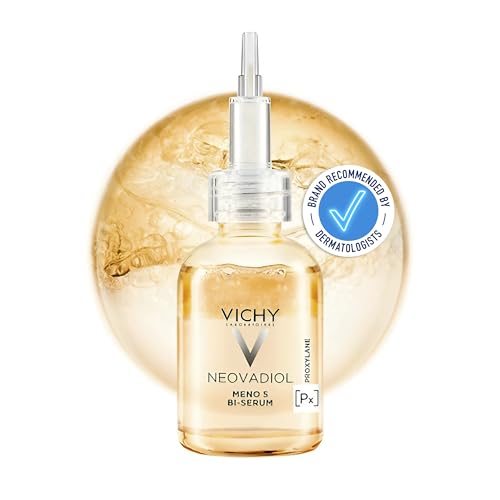
Vichy
Neovadiol Meno 5 Bi-Serum
serum · 2.4 l · 23 ingredients
£32.25−12%Amazon UK
- No essential oils
- No heavy, pore-clogging emollients such as coconut oil and isopropyl myristate
- With salicylic acid
- With niacinamide
Amazon UK prices as of 6 November 2026, 06:08 GMT; Amazon sets the final price at checkout.
Frequently asked questions
What does the latest evidence say about diet and acne in 2026?
A 2025 meta-analysis (PMC12587681) confirmed that adherence to a Mediterranean diet is inversely associated with acne, supporting previous RCT evidence that low-glycemic-load diets reduce lesion counts. The 2024 AAD acne guidelines acknowledge the dietary connection as clinically relevant. The consensus has shifted from 'diet doesn't matter' (pre-2000s) to 'high-glycemic diet and possibly dairy are meaningful contributors in susceptible individuals, and dietary modification is a reasonable adjunct to treatment.' No new evidence has emerged to change the recommendation to reduce refined carbohydrates and consider a dairy elimination trial.
Will cutting out dairy clear my acne?
For some people, yes — particularly those eating a high-glycemic Western diet where dairy is an additional IGF-1 and insulin-stimulating load. Approximately 70% of studies in one systematic review found a positive association between dairy consumption and acne. However, the association is population-dependent and not universal. A 6–8 week elimination trial (removing all liquid milk and whey protein) is a reasonable low-risk experiment. Fermented dairy (yogurt, cheese) is less consistently linked and can usually be retained during the trial.
Does sugar directly cause acne?
Sugar causes acne via its effect on blood glucose and insulin — not through any direct skin contact or topical mechanism. High-glycemic foods (including concentrated sugars) spike insulin, which activates the androgen–sebum pathway. This is a dietary load effect, not a sugar-specific compound effect. Replacing high-GI sugar sources with low-GI alternatives (whole fruit instead of juice, for example) is more relevant than avoiding 'sugar' as a blanket category.
Does eating oily fish help acne?
Possibly. Western diets have omega-6 to omega-3 ratios of approximately 10:1–20:1, while traditional diets with lower acne rates run at 3:1–2:1. Omega-3 fatty acids (EPA and DHA from fatty fish) have anti-inflammatory properties and may reduce IGF-1 signaling. Mechanistically plausible, but the direct clinical evidence for omega-3 supplementation in acne is limited. Including fatty fish (salmon, mackerel, sardines) 2–3 times per week is a reasonable and low-risk dietary strategy, consistent with both general cardiovascular health and potential acne benefit.
Should I try a low-glycemic diet before starting medication?
For mild acne, a low-glycemic diet trial is a reasonable first step — particularly if your diet currently includes a lot of refined carbohydrates and sweetened beverages. The Smith et al. RCT showed meaningful lesion count reduction over 12 weeks. For moderate-to-severe acne, dietary modification is not a replacement for topical or systemic treatment — consult a dermatologist. The most sensible approach is to improve diet and pursue appropriate treatment in parallel rather than sequentially.
Health information, not medical advice.
Beauty Comparison is an independent editorial publication. This page is researched and sourced to the authorities listed below, but it is general information — not a diagnosis or a substitute for personalised advice from a qualified doctor, dermatologist or pharmacist. If your symptoms are severe, spreading, painful, or not improving, see a healthcare professional.Sources
- 01The relationship of diet and acne: A review — PubMed Central / Journal of the American Academy of Dermatology, 2010-02-01. High-glycemic diet is associated with acne via the insulin–IGF-1–androgen axis; RCTs show low-glycemic-load diets reduce lesion counts; dairy's IGF-1 and whey content mechanistically links it to acne; chocolate and fatty foods have weak or absent direct evidence.
- 02Diet and Acne: A Systematic Review and Meta-Analysis — PubMed Central / NCBI, 2022-03-01. High glycemic index, glycemic load, and carbohydrate intake have a modest yet significant proacnegenic effect; 77% of observational studies found positive association; dairy associated with acne in 70% of studies; Mediterranean diet inversely associated with acne.
- 03The Mediterranean diet and acne vulgaris: a systematic review and meta-analysis — PubMed Central / NCBI, 2025-05-01. Higher adherence to a Mediterranean dietary pattern is inversely associated with acne vulgaris prevalence; protective components include omega-3 fatty acids, fiber, antioxidants, and low glycemic load.
- 04Acne: Diet and acnegenesis — PubMed Central / NCBI, 2012-07-01. IGF-1 and insulin stimulate androgen receptors on sebocytes to drive sebum overproduction; mTORC1 activation by leucine and insulin stimulates lipogenesis; dairy-derived whey is an insulin secretagogue beyond its glycemic index.