Dry Scalp vs. Dandruff: How to Tell the Difference
The short answer
Dry scalp is caused by moisture loss and produces small white flakes.
Why Dry Scalp and Dandruff Are So Often Confused
Both dry scalp and dandruff produce visible flakes and scalp itching — the two symptoms most people notice first. But they are driven by opposing sebum states and require opposite treatments. Applying a rich, moisturizing oil treatment to dandruff feeds the Malassezia yeast that drives it; using an antifungal shampoo on a dry scalp strips it further. Getting this distinction right is not cosmetic — it is the difference between resolving your scalp issue in weeks or making it worse for months.
Side-by-Side Comparison
| Feature | Dry Scalp | Dandruff (Seborrheic Dermatitis) |
|---|---|---|
| Root cause | Moisture loss from skin | Excess sebum + Malassezia yeast overgrowth |
| Flake size | Small, fine, powdery | Larger, may appear clumped |
| Flake color | White | White to yellowish |
| Flake texture | Dry, falls freely | May appear greasy or waxy |
| Scalp feel | Tight, parched | Oily or normal-oily |
| Scalp inflammation | Mild or absent | Often present (redness) |
| Associated symptoms | Tightness, itching, dry skin elsewhere | Itching, possible burning, dandruff odor |
| Triggers | Cold weather, hot water, harsh shampoos | Stress, hormonal changes, product buildup |
| Treatment | Gentle hydrating shampoo, reduce wash stripping | Antifungal shampoo (ketoconazole, ZPT) |
| Responds to oils? | Yes — moisturizing helps | No — oils worsen Malassezia overgrowth |
Dry Scalp: What It Is and What Causes It
Dry scalp occurs when the skin on the scalp loses moisture faster than it can be replaced, disrupting the stratum corneum's water-retention capacity. This is not primarily a sebum problem — sebum output can be normal or even elevated while the scalp's outer layers are still dehydrated. The result is flaking of dry, desiccated skin cells, scalp tightness, and itch.
Common Causes
Environmental: Cold, low-humidity air (heated indoor environments in winter are a classic trigger) draws moisture from the skin surface. Wind amplifies this effect.
Water temperature: Hot showers dissolve lipids in the scalp barrier more aggressively than lukewarm water, accelerating transepidermal water loss. The AAD and Cleveland Clinic both identify hot water as a contributing factor to dry scalp.
Product-related: Shampoos containing high concentrations of sodium lauryl sulfate (SLS), alcohol, or harsh preservatives strip the scalp's water-retaining lipid barrier. Fragrances and preservatives can additionally trigger contact dermatitis — an inflammatory reaction that disrupts barrier function and amplifies moisture loss.
Age: Skin naturally produces less ceramide and natural moisturizing factor (NMF) with age, reducing the scalp's ability to retain water. Dry scalp is more prevalent in older adults.
Underlying skin conditions: Atopic dermatitis (eczema) and contact dermatitis can both present on the scalp with dry, flaking patches. These require specific management and may need dermatologist diagnosis.
What Dry Scalp Looks and Feels Like
- Flakes: Small, white, powdery, and dry — they tend to fall freely onto the shoulders and clothing with minimal scratching.
- Scalp feel: Tight, itchy, or uncomfortable — especially noticeable after washing or in dry/cold environments.
- Scalp appearance: Not visibly oily; may look dull or slightly irritated.
- Distribution: May also coincide with dry skin elsewhere on the body (dry patches on arms, legs, or face).
- Severity: Typically milder and more responsive to simple changes in shampoo and wash temperature than seborrheic dermatitis.
Dandruff and Seborrheic Dermatitis: What's Actually Happening
Dandruff is the noninflammatory variant of seborrheic dermatitis — the same condition on a continuum of severity. Both involve the interplay of three factors: excess sebum, Malassezia yeast, and individual immune susceptibility.
The Malassezia Mechanism
Malassezia species — lipophilic yeasts that live as normal commensals on all adult scalps — metabolize sebaceous lipids, preferentially consuming triglycerides and liberating free fatty acids (particularly oleic acid). In susceptible individuals, oleic acid penetrates the stratum corneum, disrupts barrier function, and triggers an inflammatory cascade that accelerates skin cell turnover. The result: visible scale, redness, and itch.
This is why high-sebum scalps are at greater risk of dandruff — more sebum means more substrate for Malassezia to metabolize. It also explains why antifungal shampoos that reduce Malassezia populations are the effective treatment.
Seborrheic dermatitis affects approximately 5% of the global adult population (the full inflammatory form), with the milder noninflammatory dandruff variant affecting closer to 50% worldwide — making it one of the most common scalp conditions encountered in dermatology. The condition shows a bimodal age distribution: infancy (cradle cap) and after age 40.
What Dandruff Looks and Feels Like
- Flakes: Larger than dry-scalp flakes, often white to yellowish-white, and may appear slightly waxy or greasy.
- Scalp feel: Oily, or oily-normal — not parched; greasy roots often persist even after washing.
- Scalp appearance: Often slightly reddened or inflamed; poorly defined reddish patches with greasy scale.
- Associated signs: Possible involvement of the eyebrows, sides of the nose, and chest (sebaceous-rich areas).
- Triggers: Stress commonly exacerbates seborrheic dermatitis; cold weather also worsens it; hormonal fluctuations play a role.
The Diagnostic Test: Shampoo and Observe
If you are uncertain which condition you have, this simple protocol clarifies most cases:
- Wash with a gentle, fragrance-free, sulfate-free shampoo for one week (daily or every other day).
- Observe after one week:
- Flaking reduced significantly → dry scalp was likely the issue (barrier was being stripped by your previous shampoo).
- Flaking unchanged or worsened, scalp still oily → seborrheic dermatitis is more likely.
- If seborrheic dermatitis is suspected, switch to a zinc pyrithione or ketoconazole shampoo for two to four weeks.
- If neither resolves the issue, or if you develop redness, burning, scalp pain, or visible patches of thick scale, see a board-certified dermatologist.
Treatment: The Right Approach for Each Condition
Treating Dry Scalp
- Switch to a gentle, non-stripping shampoo — sulfate-free or low-sulfate formulas reduce barrier disruption. Fragrance-free is preferable to minimize contact-irritant risk.
- Lower water temperature — lukewarm water preserves scalp lipids better than hot water.
- Reduce wash frequency — washing every two to three days rather than daily allows natural sebum to redistribute and moisturize the scalp surface.
- Use a moisturizing scalp serum or oil — hyaluronic acid, glycerin, or lightweight oils (jojoba, argan) applied to the scalp can supplement moisture. Unlike dandruff, dry scalp responds positively to these.
- Humidify indoor environments in winter — adding moisture to heated indoor air reduces transepidermal water loss across the whole body, including the scalp.
Treating Dandruff (Seborrheic Dermatitis)
- Use an antifungal shampoo — zinc pyrithione 1%, ketoconazole 1–2%, selenium sulfide 1–2.5%, or piroctone olamine. Leave the shampoo on the scalp for the duration specified on the label (typically 3–5 minutes) before rinsing.
- Wash frequency: The AAD recommends two to three times per week for straight and wavy hair; once weekly for curly or coily hair types.
- Avoid heavy oils and conditioners on the scalp — these provide substrate for Malassezia and worsen the condition.
- Manage stress — stress is a well-established exacerbating trigger for seborrheic dermatitis.
- Maintenance phase: Once symptoms are controlled, reducing medicated shampoo use to once weekly typically maintains remission.
When OTC Treatment Is Not Enough
Both the AAD and Cleveland Clinic recommend seeing a dermatologist when:
- Symptoms have not improved after four weeks of appropriate OTC treatment
- The scalp develops thick, silvery plaques (possible psoriasis)
- You notice patchy hair loss or scalp pain
- Symptoms extend to the face, ears, or chest
Prescription options for seborrheic dermatitis include ciclopirox shampoo, roflumilast foam, topical corticosteroids, and oral antifungals for widespread cases.
Conditions That Mimic Both
Several conditions can look like dry scalp or dandruff but require specific dermatological management:
- Scalp psoriasis: Well-defined, thick, silvery-white plaques with a different histology than seborrheic dermatitis. Often accompanied by psoriasis elsewhere on the body. Does not respond to antifungal shampoos alone.
- Tinea capitis: Fungal scalp infection producing scaly patches and potential hair loss; more common in children. Requires oral antifungal medication (topical treatment is insufficient to penetrate the follicle).
- Contact dermatitis: Localized inflammatory reaction to a hair dye, shampoo ingredient, or product preservative. Presents with redness, itch, and possible weeping — not just dry scaling. Patch testing by a dermatologist identifies the culprit allergen.
- Scalp eczema (atopic dermatitis): Can present with dry, itchy scale; often accompanies eczema elsewhere; managed differently from seborrheic dermatitis.
Summary: The Decision Flowchart
Flakes + tight, non-greasy scalp + small white powdery flakes → Dry scalp → Treat with gentle hydrating shampoo, reduce wash frequency, lower water temperature.
Flakes + oily or greasy scalp + larger yellowish flakes + possible redness → Dandruff/seborrheic dermatitis → Treat with antifungal shampoo (ZPT, ketoconazole), avoid heavy scalp oils.
Flakes + thick silvery plaques + distinct edges → See a dermatologist (possible psoriasis).
Flakes + patchy hair loss or scalp pain → See a dermatologist (rule out tinea capitis or scarring condition).
For a complete overview of scalp biology and scalp type identification, see the scalp type guide. For sensitive scalp with symptoms beyond flaking, see sensitive scalp care.
Products that fit: dandruff
Picked by code from each product's full ingredient list.

Vichy
Dercos Anti-Dandruff Water
scalp treatment · 200 ml · 20 ingredients
£18.49Amazon UK
- No essential oils
- With piroctone olamine
- With salicylic acid
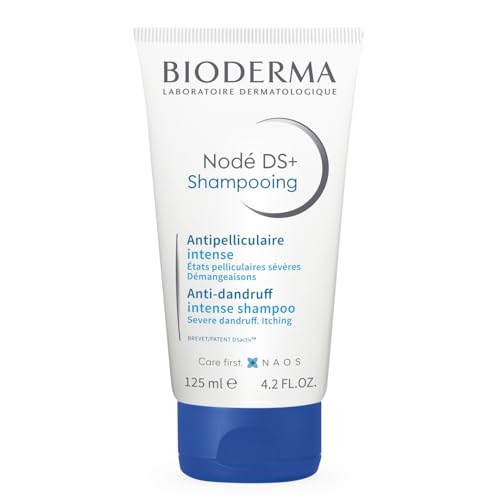
Bioderma
Node DS+ Anti Dandruff Shampoo
shampoo · 125 ml · 26 ingredients
- No essential oils
- With piroctone olamine
- With salicylic acid
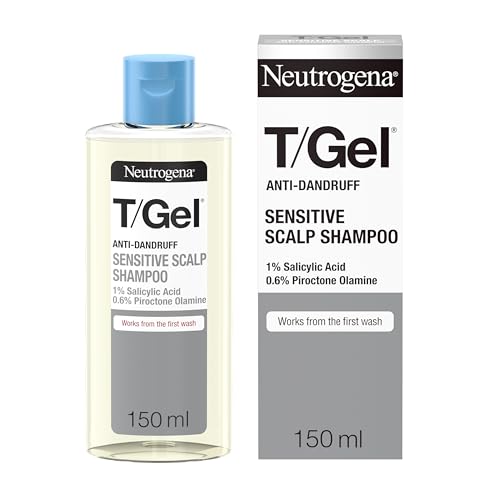
Neutrogena
T/Gel Anti Dandruff Shampoo
shampoo · 150 ml · 15 ingredients
£5.62−13%Amazon UK
- Fragrance-free
- No essential oils
- With piroctone olamine
- With salicylic acid

Vichy
Dercos PSOlution Kerator-Reducing Treatment Shampoo Psoriatic-Prone Scalps
shampoo · 200 ml · 31 ingredients
£10.45Amazon UK
- No essential oils
- With piroctone olamine
- With salicylic acid
Amazon UK prices as of 6 November 2026, 06:19 GMT; Amazon sets the final price at checkout.
Frequently asked questions
Is the dry scalp vs. dandruff distinction still clinically relevant in 2026?
Yes — and the dermatological community continues to reinforce it precisely because the two conditions are so often conflated in consumer advice. The underlying biology (moisture loss vs. Malassezia-mediated sebum dysbiosis) is well established and unchanged. Recent research has deepened understanding of the scalp microbiome in seborrheic dermatitis, confirming the antifungal approach as first-line and underscoring why moisturizing interventions worsen rather than help dandruff.
Can you have dry scalp and dandruff at the same time?
Yes, though it is uncommon. Some people with seborrheic dermatitis also have areas of dry scalp, particularly if they have been using harsh shampoos to combat oiliness. The presence of yellowish, greasy flakes alongside tight, white, powdery flaking in different scalp zones suggests a mixed picture. In these cases, a gentle antifungal shampoo (which is less stripping than some anti-seborrhea formulas) used at a moderate frequency is the best starting point.
Do oils make dandruff worse?
Yes, for most people with seborrheic dermatitis. Malassezia is a lipophilic (fat-loving) yeast — it metabolizes the triglycerides in oils and sebum to produce the free fatty acids that drive inflammation and scale. Applying oils to a scalp with active dandruff provides additional substrate for this process and typically worsens flaking. Oils are appropriate and beneficial for dry scalp, which is the opposite condition.
What does dandruff look like vs. dry scalp flakes?
Dandruff flakes are generally larger, may have a yellowish or off-white color, and can appear slightly greasy or clumped rather than powdery. They may adhere to the scalp or hair rather than falling freely. Dry scalp flakes are smaller, uniformly white, powdery, and fall freely onto dark clothing with minimal contact. The scalp itself also looks different: oily with dandruff, dry and non-shiny with dry scalp.
How long does it take dandruff treatment to work?
Most antifungal shampoos (zinc pyrithione, ketoconazole) show measurable improvement within two to four weeks of consistent use. A 331-person randomized controlled trial found ketoconazole 2% produced 73% improvement in dandruff severity score at week 4. If symptoms have not meaningfully improved by week 4–6, or if they return immediately after stopping the shampoo, see a dermatologist — prescription-strength treatments (ciclopirox, roflumilast) are available.
Sources
- 01Seborrheic Dermatitis — StatPearls — NCBI Bookshelf / NIH. Seborrheic dermatitis affects ~5% of adults globally; dandruff variant affects ~50%; Malassezia species degrade scalp lipids to free fatty acids that drive inflammatory scaling; antifungal shampoos are first-line.
- 02Dry Scalp: Causes, Treatment & Prevention — Cleveland Clinic. Dry scalp results from moisture loss (not low sebum); produces small white powdery flakes from a tight, non-greasy scalp; hot water and harsh products are common triggers; differs from dandruff which produces larger greasier flakes.
- 03Is your dry scalp something more serious? — AAD — American Academy of Dermatology (aad.org). AAD distinguishes dry scalp (moisture loss) from dandruff (seborrheic dermatitis); recommends gentle, non-medicated shampoo for dry scalp and medicated antifungal shampoo for dandruff; advises dermatologist referral if persistent.
- 04Seborrheic Dermatitis — Diagnosis and Treatment — American Academy of Dermatology (aad.org). AAD treatment protocol for seborrheic dermatitis: antifungal shampoos 2–3 times/week for straight/wavy hair; once/week for curly/coily; prescription ciclopirox for resistant cases.
- 05A multicenter randomized trial of ketoconazole 2% and zinc pyrithione 1% shampoos in severe dandruff and seborrheic dermatitis — PubMed / Skin Pharmacology and Physiology, 2003-01-01. Ketoconazole 2% achieved 73% improvement vs. 67% for ZPT 1% at week 4 (p<0.02) in 331 participants; ketoconazole showed significantly lower recurrence rates.
- 06Scalp Itch: A Systematic Review — PubMed Central / International Journal of Dermatology, 2018-09-01. Scalp itch differential includes seborrheic dermatitis, contact dermatitis, psoriasis, and sensitive scalp; contact allergens include p-phenylenediamine (hair dye) and cocamidopropyl betaine (shampoo detergent); systematic five-step evaluation approach described.