Dandruff: Causes, Triggers & Best Treatments Explained
The short answer
Dandruff is chronic scalp flaking caused by Malassezia yeast, excess sebum, and individual susceptibility.
What Is Dandruff?
Dandruff is a chronic, non-inflammatory condition of the scalp characterized by shedding of white-to-yellowish skin flakes, usually accompanied by mild itch. It is one of the most common scalp disorders globally — affecting approximately 50% of the adult population — yet it remains poorly understood by most people who have it.
Dandruff sits at the mild end of a clinical spectrum that extends to seborrheic dermatitis (SD). The fundamental biological process is identical: Malassezia yeast, scalp sebum, and individual immune susceptibility combine to accelerate the scalp skin's natural shedding cycle. The distinction is one of degree and location:
- Dandruff: scalp only, no visible redness, flakes are loose and dispersed
- Seborrheic dermatitis: visible inflammation (erythema), may extend to face, ears, chest; more severe scaling
Both are chronic relapsing conditions. Neither is contagious, caused by dirt, or curable — but both are highly manageable.
Who Gets Dandruff?
Dandruff is remarkably common across all populations, but certain patterns emerge from epidemiological research:
- Age: Prevalence peaks around age 20 and gradually declines after 50
- Sex: Males are affected more consistently and severely than females — likely because androgens drive higher sebum production
- Ethnicity: One comprehensive review found dandruff prevalence of 81–95% in African Americans, 66–82% in Caucasians, and 30–42% in Chinese populations
- Immune status: Seborrheic dermatitis (the more severe end of the spectrum) affects up to 83% of people with AIDS — a strong signal that immune regulation governs the condition
The sheer scale of the problem carries economic weight: an estimated 50 million Americans with dandruff spend approximately $300 million annually on over-the-counter treatments.
What Causes Dandruff?
No single cause explains dandruff. Research identifies three interacting factors:
1. Malassezia Yeast
Malassezia is a genus of lipophilic yeast that is part of every healthy person's scalp microbiome. The species most implicated in dandruff and seborrheic dermatitis are M. globosa and M. restricta.
The problem is not merely that Malassezia is present — it is present on healthy scalps too. The mechanism involves what Malassezia does with sebum:
- Malassezia lipases break down sebum triglycerides into free fatty acids
- Oleic acid and arachidonic acid are released onto the scalp surface
- In susceptible individuals, these fatty acids penetrate the stratum corneum
- This triggers a local immune-inflammatory response and abnormal keratinocyte proliferation
- Accelerated cell turnover (the scalp's normal 2–4-week cycle is compressed) produces visible flakes
The key phrase is "in susceptible individuals" — this is why dandruff is not universal despite Malassezia being ubiquitous. Individual differences in skin-barrier integrity, sebum composition, and immune reactivity to fungal antigens determine who develops symptoms.
2. Sebum Production
Malassezia requires lipids to survive; it cannot grow without them. Areas of the body with the highest concentration of sebaceous glands — the scalp, face, upper chest — are precisely where seborrheic conditions occur. Dandruff peaks in early adulthood, corresponding to peak sebaceous-gland activity. The association between androgens, sebum, and dandruff explains the male predominance.
However, sebum quantity alone does not determine dandruff severity. Sebum composition — specifically the ratio of triglycerides to squalene and free fatty acids — may be more relevant than raw output volume.
3. Individual Susceptibility
Genetic variation in epidermal barrier proteins, immune response genes, and the complement system influences who reacts to Malassezia colonisation. This explains family clustering of dandruff and SD. Neurological conditions — particularly Parkinson's disease — are consistently associated with markedly elevated SD prevalence (around 60–73%), possibly through altered sebum secretion and immune regulation mediated by the nervous system.
Symptoms of Dandruff
Dandruff produces a recognisable constellation of signs:
- White-to-yellowish flakes on the scalp, visible on dark clothing
- Scalp itch (pruritus) — absent to mild in dandruff; more pronounced in seborrheic dermatitis
- Dry or oily scalp — dandruff can occur on both; oily flakes tend to be larger and more adherent
- No visible redness — the critical feature distinguishing dandruff from seborrheic dermatitis
Dandruff is confined to the scalp. If you notice scaling on the eyebrows, sides of the nose, ears, beard, or chest — with or without redness — the picture is more consistent with seborrheic dermatitis. See the Dandruff vs. Seborrheic Dermatitis comparison for a detailed breakdown.
What Triggers Dandruff Flares?
Dandruff is chronic but fluctuates. Common triggers include:
- Stress and fatigue — emotional stress elevates cortisol, which alters immune function and may exacerbate Malassezia responses
- Cold, dry weather — reduced humidity compromises the scalp barrier; dandruff notoriously worsens in winter
- Product buildup — heavy oils, dry shampoos, and styling products left on the scalp create a substrate for yeast proliferation
- Infrequent shampooing — allows sebum and skin-cell accumulation; paradoxically, over-washing can also worsen inflammation
- Hormonal changes — puberty, menstrual-cycle variations, and stress-related cortisol spikes affect sebum production
- Neurological conditions — Parkinson's disease is a well-documented risk factor for severe seborrheic dermatitis
How Dandruff Is Treated
Dandruff has no cure, but the following interventions are well-supported by clinical evidence:
Antifungal Shampoos (First-Line)
Targeting Malassezia is the cornerstone of dandruff treatment. Three antifungals are widely available:
Ketoconazole (1% OTC / 2% Prescription)
The most evidence-backed antifungal for dandruff and seborrheic dermatitis:
- In multiple double-blind trials, 89% of patients using ketoconazole experienced improvement or were free of lesions, compared to 44% in the placebo group
- Ketoconazole 2% demonstrated a 73% improvement in dandruff severity versus 67% for zinc pyrithione in a comparative trial, with lower relapse rates
- How it works: Inhibits ergosterol biosynthesis in fungal cell membranes by blocking cytochrome P450-dependent enzymes, compromising Malassezia viability and reducing oleic acid production
- Protocol: Twice weekly for 4 weeks to clear active dandruff; once weekly for maintenance
- Safety: Generally well-tolerated; rare scalp irritation, dryness, or hair texture changes (resolve on stopping)
Zinc Pyrithione (ZPT, 1–2%)
Widely available in OTC anti-dandruff shampoos:
- Has antifungal activity against Malassezia and some antibacterial properties
- Clinical evidence is weaker than ketoconazole — rated as "very low quality" in systematic reviews, with mixed outcomes beyond one week
- Practical value as a maintenance shampoo between active treatment courses; very low side-effect burden
- Works best when the formulation delivers adequate concentration to the scalp during washing
Selenium Sulfide (2.5%)
A dual-mechanism agent with antifungal and cytostatic (cell-turnover-slowing) properties:
- In a single-center study, 2.5% selenium sulfide produced a 67% reduction in dandruff score versus 45% with placebo
- Higher cytostatic and keratolytic activity than 1% zinc pyrithione or 2% ketoconazole formulations in lab comparisons
- Side effects include scalp burning, itching, and risk of scalp/hair discoloration with prolonged use
- Available OTC at 1% (Head & Shoulders Intensive); prescription at 2.5%
Other Agents
| Agent | Mechanism | Current Status |
|---|---|---|
| Coal tar (4%) | Antifungal, anti-inflammatory, antiproliferative | Effective but rarely used; strong odor, risk of photosensitisation, potential carcinogenicity concerns with prolonged use |
| Salicylic acid (2–3%) | Keratolytic — loosens and lifts scale | Useful as an adjunct to antifungals; alone does not address the fungal cause |
| Ciclopirox (1%) | Broad-spectrum antifungal | Moderate evidence; reduces relapse rate to ~14.7% vs 35.5% with vehicle control |
| Topical corticosteroids | Anti-inflammatory | Short-term symptom relief for itching; not appropriate for long-term scalp use (risk of skin atrophy) |
Maintenance Matters
Dandruff returns in most people after stopping treatment. Once symptoms are cleared with twice-weekly antifungal shampoo for 4 weeks, stepping down to once-weekly or biweekly maintenance with ketoconazole, zinc pyrithione, or ciclopirox significantly reduces relapse rates. The goal is not cure but control.
Practical Scalp-Care Rules
- Shampoo regularly — daily or every other day is appropriate for oily, dandruff-prone scalps; infrequent washing allows scale and sebum to accumulate
- Leave medicated shampoo on for 2–5 minutes before rinsing — contact time matters for antifungal efficacy
- Minimize heavy scalp products (thick oils, dry shampoo) during active treatment; these reduce shampoo contact with the scalp
- Manage stress where possible — documented trigger for flares
- Protect in cold weather — a hat in cold, dry conditions reduces environmental scalp-barrier stress
When to See a Dermatologist
Dandruff is usually manageable with OTC antifungal shampoos. See a dermatologist if:
- Symptoms persist or worsen after 4–6 weeks of consistent OTC antifungal use
- You notice visible redness, swelling, or involvement beyond the scalp (face, ears, chest) — this may indicate seborrheic dermatitis requiring prescription treatment
- Significant hair shedding accompanies the scalp condition — could signal an unrelated alopecia that warrants investigation
- Dandruff appears suddenly and severely in an adult with no prior history — sudden-onset severe SD can be a marker of immune compromise, including undiagnosed HIV
- The condition is significantly affecting quality of life or mental health
Common Myths About Dandruff
Myth: Dandruff means you don't wash your hair enough. Dandruff is driven by yeast, sebum, and immune susceptibility — not hygiene. Blackheads and skin flakes alike are not caused by dirt. Many people with impeccable hygiene have chronic dandruff.
Myth: Dandruff is contagious. Malassezia is part of normal human skin flora — everyone carries it. Dandruff is an individual inflammatory response to the yeast, not a transmitted infection.
Myth: Dandruff causes permanent hair loss. Dandruff itself does not cause permanent alopecia. However, severe long-standing scalp inflammation can theoretically stress hair follicles; treating the underlying condition promptly is advisable.
Myth: Natural oils cure dandruff. Some plant oils (coconut, tea tree) have limited in-vitro antifungal activity, but there are no large, rigorous RCTs demonstrating clinical equivalence to ketoconazole or zinc pyrithione for scalp seborrheic conditions. Heavy oils applied to the scalp can also increase substrate for Malassezia growth.
Products that fit: dandruff
Picked by code from each product's full ingredient list.
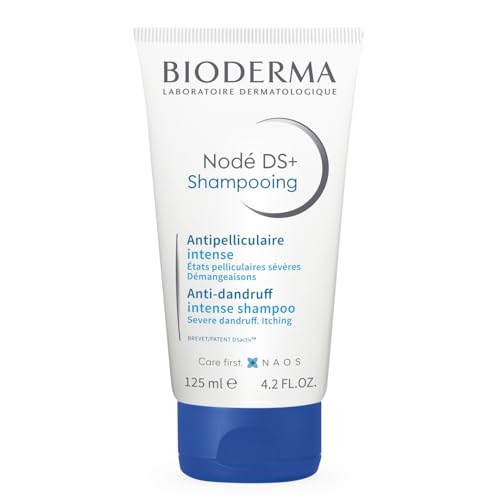
Bioderma
Node DS+ Anti Dandruff Shampoo
shampoo · 125 ml · 26 ingredients
- No essential oils
- With piroctone olamine
- With salicylic acid
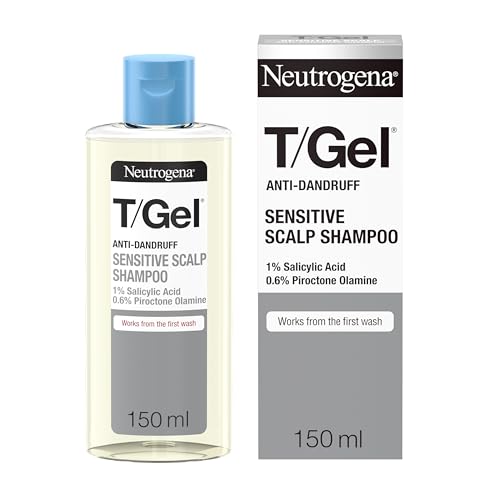
Neutrogena
T/Gel Anti Dandruff Shampoo
shampoo · 150 ml · 15 ingredients
£5.62−13%Amazon UK
- Fragrance-free
- No essential oils
- With piroctone olamine
- With salicylic acid

Vichy
Dercos PSOlution Kerator-Reducing Treatment Shampoo Psoriatic-Prone Scalps
shampoo · 200 ml · 31 ingredients
£10.45Amazon UK
- No essential oils
- With piroctone olamine
- With salicylic acid

Makeup Revolution
Haircare Salicylic Acid Clarifying Shampoo
shampoo · 250 ml · 28 ingredients
- With piroctone olamine
- With salicylic acid
Amazon UK prices as of 6 November 2026, 04:30 GMT; Amazon sets the final price at checkout.
When to see a professional
See a dermatologist if dandruff persists or worsens after 4–6 weeks of consistent OTC antifungal shampoo use; if you develop visible redness, swelling, or scaling on the face, ears, or chest (suggesting seborrheic dermatitis requiring prescription treatment); if significant hair shedding accompanies scalp symptoms; if dandruff appears suddenly and severely in an adult with no prior history (sudden-onset severe SD can signal immune compromise including undiagnosed HIV); or if the condition materially affects quality of life or mental health.
Frequently asked questions
What is the most effective dandruff treatment in 2026?
Ketoconazole 2% shampoo (prescription) or 1% OTC remains the best-evidenced single-agent treatment for dandruff. Multiple double-blind randomised trials report 73–89% improvement versus 29–44% with placebo, and superior relapse prevention compared to zinc pyrithione. Ciclopirox 1% is a strong second option, reducing 12-week relapse rates to 14.7% versus 35.5% with vehicle. For maintenance after clearing, zinc pyrithione and selenium sulfide offer practical, low-irritation options. No new treatment has surpassed ketoconazole as of current 2025 reviews.
What is the difference between dandruff and a dry scalp?
A dry scalp produces fine, powdery white flakes because the scalp is genuinely dehydrated and under-producing sebum. Dandruff produces larger, oilier flakes that may clump together, and is driven by excess sebum and Malassezia yeast — the opposite underlying mechanism. Treating dandruff with heavier moisturizers can worsen symptoms by feeding the yeast; treating a dry scalp with antifungal shampoo will just make it drier. The distinction matters: if your scalp is tight and flaky without itch, try a gentle moisturizing shampoo first. If you have an itchy, oily scalp with larger flakes, start with an antifungal.
Does stress cause dandruff?
Stress does not directly cause dandruff, but it is a well-documented flare trigger. Elevated cortisol modulates immune function, including the scalp's inflammatory response to Malassezia. Many people notice dandruff worsening during periods of significant psychological or physical stress. Managing stress is a reasonable adjunct to medicated treatment, but it cannot substitute for antifungal therapy when flakes are active.
How long does dandruff treatment take to work?
With a ketoconazole or selenium sulfide antifungal shampoo used twice weekly, most people see meaningful reduction in flaking and itch within 2–4 weeks. The full 4-week course is recommended before judging efficacy. Stopping treatment as soon as flakes disappear typically leads to relapse within weeks; stepping down to maintenance dosing (once weekly) is more sustainable. If there is no improvement after 6 weeks of consistent use, see a dermatologist — the diagnosis may need revisiting.
Can I use anti-dandruff shampoo every day?
Most medicated anti-dandruff shampoos are designed for use 2–3 times per week, not daily. Daily use of ketoconazole or selenium sulfide is not recommended for long-term maintenance and can cause scalp dryness or irritation. During an active flare, twice weekly is standard. Maintenance is typically once weekly or biweekly. Some zinc pyrithione shampoos are formulated for daily use — check the product label. Using a gentle everyday shampoo between medicated washes is a practical strategy.
Is dandruff related to diet?
There is no robust clinical evidence that any specific food reliably causes or cures dandruff. Some people report anecdotal improvement cutting out sugar or certain foods. One mechanistic argument — that high-sugar diets promote yeast proliferation generally — is plausible but unproven on the scalp specifically. Biotin deficiency can cause scaly scalp conditions, but true biotin deficiency is rare. Maintaining a balanced diet and adequate hydration supports overall skin health, but dietary changes are not a substitute for antifungal treatment.
Health information, not medical advice.
Beauty Comparison is an independent editorial publication. This page is researched and sourced to the authorities listed below, but it is general information — not a diagnosis or a substitute for personalised advice from a qualified doctor, dermatologist or pharmacist. If your symptoms are severe, spreading, painful, or not improving, see a healthcare professional.Sources
- 01Seborrheic Dermatitis and Dandruff: A Comprehensive Review — PubMed Central / International Journal of Trichology, 2015-11-01. Dandruff affects ~50% of the adult population globally; peaks age 20; males more affected; prevalence 81–95% African Americans, 66–82% Caucasians, 30–42% Chinese; Malassezia lipases release oleic/arachidonic acid triggering immune response and accelerated shedding; $300 million annual US OTC spend.
- 02Seborrheic Dermatitis — StatPearls (NIH Bookshelf) — National Institutes of Health / NCBI Bookshelf, 2023-07-31. SD/dandruff are driven by Malassezia species, impaired T-cell immune response, lipid imbalances, and epidermal barrier dysfunction; global SD prevalence ~5%, dandruff ~50%; bimodal age peaks; treatment first-line = topical antifungals; SD affects 35–85% of HIV patients.
- 03Seborrheic Dermatitis of the Scalp (Cochrane-style review) — PubMed Central / Evidence-Based Dermatology, 2015-05-01. Ketoconazole 2% achieves 73–89% response versus 29–44% placebo; ciclopirox reduces 12-week relapse to 14.7% vs 35.5%; selenium sulfide 2.5% gives 67% dandruff score reduction vs 45% placebo; coal tar rarely used; zinc pyrithione has very low-quality evidence.
- 04Ketoconazole Shampoo for Seborrheic Dermatitis of the Scalp: A Narrative Review — PubMed Central / Skin Health and Disease, 2024-09-01. Ketoconazole inhibits ergosterol synthesis, reduces Malassezia load; 89% patient improvement vs 44% placebo in double-masked study; 2% superior to 1% (p<0.001) at 2 and 4 weeks; recommended twice weekly for 4 weeks then maintenance; generally well-tolerated.
- 05Seborrheic Dermatitis: Overview — American Academy of Dermatology — American Academy of Dermatology (aad.org). AAD definition: seborrheic dermatitis causes scaly rash on oily areas; dandruff is scalp-only without inflammation; not contagious; common in adults over 50 and Black Americans; no cure but treatment controls symptoms.
- 06Seborrheic Dermatitis: Exploring the Complex Interplay with Malassezia — PubMed Central / Journal of Fungi, 2025-03-01. M. globosa and M. restricta activate NLRP3 inflammasome triggering IL-1β; Th17/IL-23/IL-17 axis drives chronic inflammation; immune dysregulation and barrier dysfunction are central to pathogenesis; sebum triglycerides (50–60%) provide Malassezia substrate.