Seborrheic Dermatitis on the Scalp: Symptoms & Treatment
The short answer
Scalp seborrheic dermatitis is a chronic inflammatory condition causing greasy scales, redness, and itch.
What Is Seborrheic Dermatitis of the Scalp?
Seborrheic dermatitis (SD) is a common, chronic inflammatory skin condition that primarily affects areas of the body richest in sebaceous (oil) glands — the scalp, face, ears, and upper chest. On the scalp, it produces the most visible and troublesome presentation: greasy or dry scales, visible redness, and persistent itch.
SD sits at the more severe end of a clinical spectrum that includes simple dandruff at one extreme and severe, body-wide disease in immunocompromised individuals at the other. The unifying biology is the same — Malassezia yeast interacting with sebum and the host immune system — but the inflammation and extent distinguish SD from ordinary dandruff.
Key distinguishing features of seborrheic dermatitis vs. dandruff:
| Feature | Dandruff | Seborrheic Dermatitis |
|---|---|---|
| Location | Scalp only | Scalp + possibly face, ears, chest, skin folds |
| Inflammation (redness) | None | Present — erythema is a defining sign |
| Scale character | Loose, white-yellowish | Greasy, yellowish, may be adherent |
| Itch | Mild or absent | Moderate-to-severe |
| Prevalence | ~50% of adults | 3–10% of general adults |
| Treatment needs | OTC antifungal shampoo | May need prescription antifungals or corticosteroids |
Who Is Affected?
Seborrheic dermatitis affects approximately 3–10% of the general adult population (estimates vary by diagnostic criteria used). Key epidemiological patterns:
- Age: Bimodal distribution — peaks in infancy (cradle cap, affecting up to 72% of babies at 3 months) and in adults after age 40; increases further in the elderly
- Sex: Males affected more commonly and severely than females, consistent with androgen-driven sebum production
- Immune status: SD is dramatically more prevalent and severe in immunocompromised individuals — affecting approximately 35% of people with early HIV and up to 85% of those with AIDS. Sudden-onset severe SD in a previously unaffected adult should trigger investigation for immune compromise
- Neurological conditions: People with Parkinson's disease have SD prevalence of 60–73%, one of the highest in any identified population — possibly due to altered sebum production and autonomic dysfunction
What Causes Scalp Seborrheic Dermatitis?
The pathogenesis is multifactorial and involves three interlocking mechanisms:
Malassezia Yeast and Lipid Metabolism
Malassezia — a lipophilic genus of yeast that is normal flora on every adult scalp — drives seborrheic dermatitis not merely through its presence but through what it does with sebum.
Scalp sebum is approximately 50–60% triglycerides. Malassezia secretes lipase enzymes that cleave these triglycerides, releasing free fatty acids — particularly oleic acid — onto the scalp surface. In susceptible individuals, these fatty acids penetrate the stratum corneum, triggering keratinocyte dysfunction and an inflammatory immune cascade.
The species most consistently implicated in scalp SD are Malassezia restricta and Malassezia globosa. A 2025 review found M. restricta abundance is elevated in SD-affected skin while total fungal diversity is reduced — suggesting a specific dysbiosis rather than simply elevated yeast counts.
Critically, the relationship between Malassezia and disease is not simply quantitative. Clinically healthy scalps also carry Malassezia. It is the individual immune response to fungal antigens that determines whether pathological inflammation occurs.
Immune Dysregulation
Emerging research has substantially reframed our understanding of seborrheic dermatitis immunopathology:
- NLRP3 inflammasome: M. globosa and M. restricta activate the NLRP3 inflammasome in keratinocytes and immune cells, triggering IL-1β secretion — a potent pro-inflammatory cytokine
- Th17/IL-23/IL-17 axis: γδ T cells produce IL-17 in response to Malassezia, and Th17 cell activation is now considered a central driver of chronic SD inflammation — similar to other inflammatory skin conditions such as psoriasis
- Mast cell histamine: Elevated histamine levels are documented in SD-affected skin, partly explaining the itch
- Elevated IFN-γ and IL-2: Detected in serum of SD patients, indicating systemic T-helper dysregulation
This immune-dysregulation model explains why SD is dramatically worsened by immunosuppression and why some patients with otherwise-controlled SD experience rapid improvement with immunomodulatory therapies.
Epidermal Barrier Dysfunction
Genetic variation in barrier proteins — including filaggrin and other structural components of the stratum corneum — creates permeability that allows Malassezia-derived fatty acids and other antigens to penetrate more readily. Barrier dysfunction and inflammation become mutually reinforcing: inflammation damages the barrier, which allows more antigen exposure, which perpetuates inflammation.
Symptoms of Scalp Seborrheic Dermatitis
Scalp SD produces a characteristic presentation:
- Greasy or dry scaling — yellowish, often adherent flakes or sheets of scale, larger and more cohesive than simple dandruff flakes
- Erythema (redness) — visible reddening of the scalp, sometimes extending to the hairline
- Pruritus (itch) — typically moderate to severe; more prominent than in dandruff
- Burning sensation — reported by some patients, particularly on the face and ears
- Extension beyond the scalp — in SD (unlike dandruff), involvement may spread to:
- Eyebrows and glabella (between the brows)
- Sides of the nose and nasolabial folds
- External ear canals and behind the ears
- Beard area in men
- Upper chest and skin folds (more common in severe or immunocompromised cases)
Severe SD of the scalp may produce thick, crusted plaques that mat hair and, if untreated, can develop secondary bacterial or yeast infection.
Diagnosis
Seborrheic dermatitis is diagnosed clinically — based on the characteristic distribution, scale morphology, and erythema. Investigations are rarely needed for typical presentations.
In atypical cases, a dermatologist may perform:
- KOH microscopy of skin scrapings — to identify fungal elements (not usually necessary for SD but helps exclude tinea capitis/ringworm)
- HIV serology — recommended for adults with sudden, severe, widespread, or treatment-refractory SD
- Skin biopsy — occasionally needed to distinguish SD from psoriasis, contact dermatitis, or pityriasis rosea. Histopathology shows superficial perivascular lymphocytic infiltration with spongiosis and parakeratosis
Conditions that can mimic scalp SD:
| Condition | Key Distinguishing Feature |
|---|---|
| Psoriasis | Thicker, silvery-white scale; well-demarcated plaques; often involves elbows, knees |
| Tinea capitis (ringworm) | Primarily in children; broken hair shafts; confirmed by KOH/culture |
| Contact dermatitis | Usually acute onset; history of new product exposure; burning > itch |
| Atopic dermatitis | Associated with eczema elsewhere; different scale morphology |
Treatment: Evidence-Based Options
Scalp seborrheic dermatitis requires a staged approach matched to severity.
First-Line: Antifungal Shampoos
Ketoconazole 2% (Prescription) / 1% (OTC)
The best-evidenced single agent for scalp SD:
- Mechanism: Inhibits fungal ergosterol biosynthesis by blocking cytochrome P450-dependent enzymes; also alters scalp lipid composition reducing the substrate favoring Malassezia
- Efficacy: 73–89% improvement in dandruff/SD severity versus 29–44% with placebo across multiple double-blind trials; superior to zinc pyrithione with lower relapse rates
- Protocol: Twice weekly for 4 weeks (active treatment); once weekly for maintenance
- Safety: Generally well-tolerated; rare scalp irritation, dryness, or temporary hair texture change
Ciclopirox 1% Shampoo
A strong alternative and, in some studies, comparable or superior to ketoconazole:
- Reduces 12-week SD relapse rate to 14.7% versus 35.5% with vehicle control
- Twice-weekly application outperforms once-weekly in clearing active disease
- Good tolerability; local irritation is the main reported side effect
Zinc Pyrithione (1–2%) and Selenium Sulfide (2.5%)
Useful adjuncts and maintenance agents:
- Zinc pyrithione: Antifungal with a very low side-effect burden; primarily useful for maintenance after clearing with a stronger antifungal; clinical evidence base rated as limited quality
- Selenium sulfide 2.5%: Dual antifungal and cytostatic mechanism achieves 67% reduction in dandruff severity score versus 45% with placebo; higher cytostatic activity than some ketoconazole formulations in lab comparisons; side effects include scalp burning and risk of hair discoloration
Second-Line: Topical Corticosteroids
Corticosteroids rapidly reduce inflammation and itch but do not address the underlying fungal cause:
- Use: Short-term acute flare management only — typically 1–2 weeks
- Formulations: Scalp solutions, foams, or sprays containing betamethasone valerate 0.1%, fluocinolone acetonide, or clobetasol propionate 0.05%
- Risks: Prolonged scalp corticosteroid use risks skin atrophy, telangiectasia, and rebound flaring. Not appropriate for maintenance
- Combination approach: Using a topical antifungal concurrently with a short course of corticosteroid often clears active flares faster than either agent alone
Calcineurin Inhibitors (Tacrolimus, Pimecrolimus)
Steroid-sparing alternatives for patients who need anti-inflammatory treatment without corticosteroid risks:
- Effective for facial SD (where corticosteroid risks are highest) and as long-term maintenance
- Less commonly used on the scalp due to practical application limitations (thick hair reduces penetration)
- Not FDA-approved specifically for SD but are used off-label with clinical evidence
Systemic Antifungals
Reserved for widespread, severe, or treatment-refractory cases:
- Itraconazole 200 mg/day for 1 week/month: most studied oral option for SD; controls disease with maintenance dosing
- Fluconazole 300 mg once weekly: alternative with good evidence
- Terbinafine: effective against some Malassezia species but has more limited trial data for SD specifically
Emerging Therapies
A 2025 narrative review highlights active investigation of JAK inhibitors, PDE4 inhibitors, and biological therapies targeting the IL-23/IL-17 axis for moderate-to-severe SD. These remain experimental for SD and are not yet in clinical guidelines.
Practical Treatment Protocol
Active flare:
- Start ketoconazole 2% shampoo twice weekly; leave on scalp for 5 minutes before rinsing
- If itch is severe, a short course (1–2 weeks) of topical corticosteroid lotion or foam applied to the scalp can be added
- Use a gentle, non-medicated everyday shampoo on non-treatment days if needed
Maintenance (once symptoms clear):
- Step down to ketoconazole 1% OTC, ciclopirox 1%, or zinc pyrithione shampoo once weekly
- Most adults need ongoing maintenance to prevent relapse — "cure" is not achievable, control is
Lifestyle adjuncts:
- Avoid heavy scalp oils and styling products that increase Malassezia substrate during active disease
- Manage psychological stress — a documented flare trigger
- Protect the scalp in cold, dry weather
Seborrheic Dermatitis in Skin of Color
SD presents differently across skin tones. In people with darker skin:
- Erythema (redness) is less visible — the inflammatory component may be missed or underestimated
- Post-inflammatory hypopigmentation — lighter patches after lesions resolve — is a common and distressing feature not typically seen in lighter skin
- Scale and itch remain the primary complaints
- Dermatologists should calibrate diagnostic thresholds accordingly; treatment principles are the same
Products that fit: dandruff
Picked by code from each product's full ingredient list.

Vichy
Dercos Anti-Dandruff Water
scalp treatment · 200 ml · 20 ingredients
£18.49Amazon UK
- No essential oils
- With piroctone olamine
- With salicylic acid
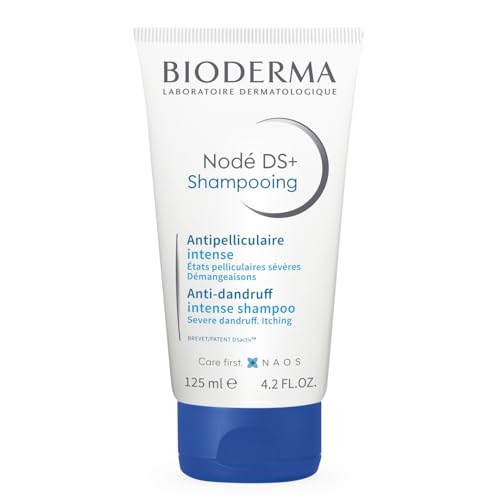
Bioderma
Node DS+ Anti Dandruff Shampoo
shampoo · 125 ml · 26 ingredients
- No essential oils
- With piroctone olamine
- With salicylic acid
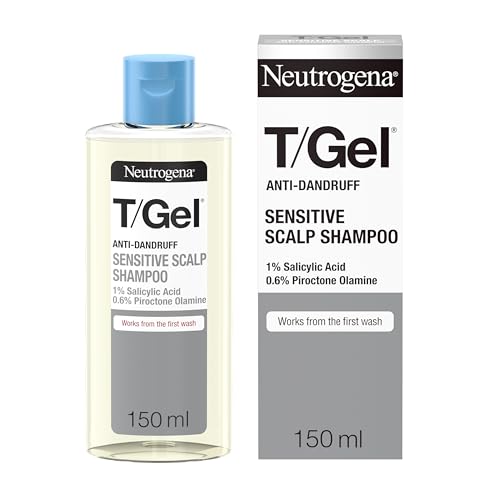
Neutrogena
T/Gel Anti Dandruff Shampoo
shampoo · 150 ml · 15 ingredients
£5.62−13%Amazon UK
- Fragrance-free
- No essential oils
- With piroctone olamine
- With salicylic acid

Vichy
Dercos PSOlution Kerator-Reducing Treatment Shampoo Psoriatic-Prone Scalps
shampoo · 200 ml · 31 ingredients
£10.45Amazon UK
- No essential oils
- With piroctone olamine
- With salicylic acid
Amazon UK prices as of 6 November 2026, 06:08 GMT; Amazon sets the final price at checkout.
When to see a professional
See a dermatologist if: scalp seborrheic dermatitis does not improve after 4–6 weeks of consistent OTC antifungal shampoo use; you develop thick crusted plaques or signs of secondary infection (increasing pain, warmth, pus); SD extends to the face, ears, or body; significant hair loss accompanies the scalp condition; onset is sudden and severe in an adult with no prior history (warrants HIV testing); you have a confirmed immune-compromising condition and SD is worsening; or if the condition significantly impacts quality of life.
Frequently asked questions
What does current evidence say about seborrheic dermatitis treatment in 2026?
The evidence base as of 2025–2026 continues to support topical ketoconazole and ciclopirox as the best-evidenced first-line agents, with moderate-quality evidence from multiple RCTs. A 2025 narrative review (PMC12562114) highlights emerging therapies — JAK inhibitors, PDE4 inhibitors, and IL-23/IL-17 biologics — that may offer future options for severe or refractory cases, but none have reached clinical guidelines yet. Selenium disulfide 1% plus salicylic acid was confirmed comparable to ketoconazole 2% in a 2024 RCT, expanding evidence-based maintenance options. No treatment cures SD; control with ongoing maintenance is the realistic goal.
Is seborrheic dermatitis the same as dandruff?
They exist on the same biological spectrum but are clinically distinct. Dandruff is scalp-only, produces loose white-yellow flakes, and has no visible inflammation. Seborrheic dermatitis involves visible redness (erythema), typically heavier or more adherent scale, more pronounced itch, and may extend beyond the scalp to the face, ears, and chest. About 50% of adults have dandruff at some point; SD affects 3–10%. Both are driven by Malassezia and both are chronic, but SD usually requires more intensive treatment.
Can seborrheic dermatitis cause hair loss?
Seborrheic dermatitis itself does not cause permanent hair loss (alopecia). However, severe chronic scalp inflammation can temporarily increase hair shedding by stressing follicles in the telogen effluvium pattern. This is typically reversible once the SD is adequately treated. If significant or persisting hair thinning accompanies scalp SD, a dermatologist should assess for concurrent androgenetic alopecia or other alopecia conditions, which are separate diagnoses.
Why does seborrheic dermatitis keep coming back?
SD is a chronic relapsing condition because its underlying drivers — Malassezia yeast (a permanent skin resident), individual immune reactivity, and sebum production — cannot be permanently eliminated. Treatment reduces the Malassezia load and inflammatory response but does not alter the underlying susceptibility. Most adults who experience SD need ongoing maintenance therapy (typically once-weekly antifungal shampoo) to maintain remission. Flares are commonly triggered by stress, cold weather, fatigue, illness, or product buildup — managing these reduces relapse frequency.
Is seborrheic dermatitis linked to any serious health conditions?
SD itself is not dangerous, but its sudden-onset severe form is strongly associated with immune compromise. SD affects 35% of people with early HIV and up to 85% of those with AIDS — making it one of the most common dermatological manifestations of HIV infection. Parkinson's disease is also strongly associated, with 60–73% of patients developing SD. If an adult develops sudden, severe, or treatment-resistant SD with no prior history, a clinician should consider HIV testing and neurological evaluation depending on the clinical context.
Can I use a steroid shampoo long-term for seborrheic dermatitis?
No. Topical corticosteroids for the scalp — including clobetasol, betamethasone, and fluocinolone — should only be used for short-term acute management (typically 1–2 weeks) to rapidly reduce inflammation and itch. Long-term use risks scalp skin atrophy, telangiectasia, and rebound flaring when stopped. Once acute symptoms are controlled, step down to a maintenance antifungal shampoo (ketoconazole, ciclopirox, or zinc pyrithione) for ongoing control.
Health information, not medical advice.
Beauty Comparison is an independent editorial publication. This page is researched and sourced to the authorities listed below, but it is general information — not a diagnosis or a substitute for personalised advice from a qualified doctor, dermatologist or pharmacist. If your symptoms are severe, spreading, painful, or not improving, see a healthcare professional.Sources
- 01Seborrheic Dermatitis — StatPearls (NIH Bookshelf) — National Institutes of Health / NCBI Bookshelf, 2023-07-31. SD prevalence 3–10% of adults; bimodal age peaks; up to 85% prevalence in AIDS; Parkinson's disease association; diagnosis primarily clinical; first-line = topical antifungals; KOH microscopy and HIV serology for atypical cases.
- 02Seborrheic Dermatitis and Dandruff: A Comprehensive Review — PubMed Central / International Journal of Trichology, 2015-11-01. Malassezia lipases cleave sebum triglycerides releasing oleic acid; SD prevalence 1–3% general adults vs ~50% dandruff; sebum lipid composition (50–60% triglycerides) as Malassezia substrate; economic burden data ($179M direct costs).
- 03Seborrheic Dermatitis: Exploring the Complex Interplay with Malassezia — PubMed Central / Journal of Fungi, 2025-03-01. NLRP3 inflammasome activation by M. globosa and M. restricta triggers IL-1β; Th17/IL-23/IL-17 axis drives chronic inflammation; mast cell histamine elevated; M. restricta abundance increased in SD-affected skin; immune dysregulation and barrier dysfunction are central pathogenic mechanisms.
- 04Seborrheic Dermatitis of the Scalp (Cochrane-style systematic review) — PubMed Central / Evidence-Based Dermatology, 2015-05-01. Ketoconazole 2% and ciclopirox 1% have moderate-quality evidence as first-line agents; ketoconazole 73–89% response vs 29–44% placebo; ciclopirox reduces 12-week relapse to 14.7% vs 35.5%; selenium sulfide 2.5% achieves 67% dandruff score reduction; coal tar rarely used; corticosteroids for short-term acute use only.
- 05Seborrheic Dermatitis Revisited: Pathophysiology, Diagnosis, and Emerging Therapies — A Narrative Review — PubMed Central, 2025-06-01. Emerging therapies for moderate-to-severe SD include JAK inhibitors, PDE4 inhibitors, and biologics targeting IL-23/IL-17; current treatment remains topical antifungals and corticosteroids; SD is not curable; ongoing maintenance required.
- 06A Comparative Randomized Clinical Study: 1% Selenium Disulfide vs 2% Ketoconazole Shampoo in Scalp Seborrheic Dermatitis — PubMed Central, 2024-12-01. 1% selenium disulfide-based shampoo was as effective as 2% ketoconazole shampoo for moderate-to-severe scalp seborrheic dermatitis in a randomised controlled trial — confirming selenium disulfide as an evidence-based alternative.
- 07Seborrheic Dermatitis: Overview — American Academy of Dermatology — American Academy of Dermatology (aad.org). AAD: SD is not contagious; common in adults over 50 and Black Americans; treatment controls but does not cure; dermatologist evaluation recommended for diagnosis and refractory cases.