Best Dandruff Shampoos: Ketoconazole, Zinc & Selenium Compared
The short answer
Ketoconazole 2% has the strongest clinical evidence for dandruff.
How Anti-Dandruff Shampoos Actually Work
Dandruff is driven by Malassezia yeast metabolising scalp sebum into irritating free fatty acids. Effective anti-dandruff shampoos work by targeting one or more points in this process:
- Antifungal action: Reducing Malassezia populations directly (ketoconazole, zinc pyrithione, ciclopirox, selenium sulfide, coal tar)
- Cytostatic action: Slowing the accelerated scalp-cell turnover that produces flakes (selenium sulfide, coal tar)
- Keratolytic action: Mechanically loosening and dissolving scale so it can be rinsed away (salicylic acid, coal tar)
The most effective shampoos address the antifungal root cause. Keratolytics alone improve the appearance of flaking without resolving the underlying yeast-driven process.
Active Ingredient Comparison
| Ingredient | Mechanism | OTC/Rx | Evidence Quality | Key Advantage | Key Limitation |
|---|---|---|---|---|---|
| Ketoconazole 2% | Antifungal (ergosterol synthesis inhibitor) | Rx (US); 1% OTC | Strongest — multiple RCTs | Highest efficacy; best relapse prevention | 2% requires prescription in the US |
| Ketoconazole 1% | Antifungal | OTC | Strong | Widely accessible; effective for mild dandruff | Slightly less potent than 2% |
| Ciclopirox 1% | Broad-spectrum antifungal | Rx | Strong | Comparable to ketoconazole; excellent relapse data | Prescription required |
| Selenium sulfide 2.5% | Antifungal + cytostatic | Rx (OTC at 1%) | Moderate-strong | Dual mechanism; cytostatic benefit | Risk of scalp/hair discoloration; more irritating |
| Zinc pyrithione 1–2% | Antifungal + antibacterial | OTC | Limited-moderate | Widely available; very well-tolerated; good for maintenance | Weaker efficacy evidence than ketoconazole; evidence quality rated low |
| Salicylic acid 2–3% | Keratolytic | OTC | Limited | Loosens stubborn scale; useful adjunct | Does not address the fungal cause; insufficient alone |
| Coal tar 4% | Antifungal + cytostatic + anti-inflammatory | OTC | Low-moderate | Covers multiple mechanisms | Strong odor; potential photosensitisation; cosmetically unpopular; rarely used |
Ketoconazole: The Best-Evidenced Option
Ketoconazole is an imidazole antifungal that inhibits fungal ergosterol biosynthesis by blocking the cytochrome P450-dependent enzyme lanosterol 14α-demethylase — disrupting Malassezia cell membrane integrity and reducing yeast proliferation. It also alters scalp lipid composition, reducing the sebum-derived substrate favorable to yeast growth.
The clinical evidence is the strongest of any anti-dandruff ingredient:
- In a double-masked study, 89% of patients treated with ketoconazole experienced improvement or complete lesion clearance versus 44% in the placebo group
- Compared head-to-head with zinc pyrithione, ketoconazole showed 73% improvement in dandruff severity versus 67% for zinc pyrithione, with significantly fewer relapses
- The 2% concentration is significantly more effective than 1% at weeks 2 and 4 (p<0.001), with better relapse prevention during follow-up
- Adverse effects are mild: scalp irritation, temporary hair texture change, dryness — each occurring in under 1% of patients in clinical trials
Recommended protocol: Twice weekly for 4 weeks (active treatment); once weekly for maintenance. Leave on scalp for 2–5 minutes before rinsing.
Ketoconazole 1% OTC: Available without prescription (Nizoral 1% in the US). Effective for mild-to-moderate dandruff and as a maintenance agent after clearing with the 2% formulation.
Ketoconazole 2% Rx: Requires a prescription in the US. Appropriate for moderate-to-severe dandruff or seborrheic dermatitis, and for patients who relapse quickly on the 1% OTC version.
Selenium Sulfide: Dual-Mechanism Workhorse
Selenium sulfide (also labelled as selenium disulfide) works through two pathways:
- Antifungal: Directly inhibits Malassezia growth
- Cytostatic: Slows keratinocyte proliferation, directly reducing the rate of skin-cell shedding
This dual mechanism makes it valuable when accelerated cell turnover is a primary driver of heavy flaking — particularly in seborrheic dermatitis where both fungal activity and hyperproliferation contribute.
Clinical data:
- In a single-center study, 2.5% selenium sulfide achieved a 67% reduction in dandruff score versus 45% with placebo
- A 2024 RCT comparing 1% selenium disulfide (with salicylic acid) to ketoconazole 2% found equivalent efficacy for moderate-to-severe seborrheic dermatitis
- Higher cytostatic and keratolytic activity than ketoconazole and zinc pyrithione formulations in laboratory comparisons
Practical caveats: Selenium sulfide can cause scalp burning and stinging (more than ketoconazole) and carries a risk of scalp and hair discoloration with frequent or prolonged use. It should not be used on broken or inflamed skin. Shake the bottle well before use; rinse thoroughly.
Availability: 1% OTC (Head & Shoulders Intensive, Selsun Blue); 2.5% prescription (Selsun, Versel).
Zinc Pyrithione: The Everyday Maintenance Agent
Zinc pyrithione (ZPT) is the most common active ingredient in OTC dandruff shampoos worldwide — it is the ingredient in Head & Shoulders and many store-brand alternatives.
How it works: ZPT has antifungal activity against Malassezia and some antibacterial properties. Its anti-dandruff effect depends significantly on how much active ZPT is deposited on the scalp during washing — formulation quality and leave-on time affect this substantially.
Clinical evidence: Systematic reviews rate the evidence for ZPT as limited to moderate quality:
- Compared to placebo: some improvement in dandruff severity, but the evidence base is thin
- Compared to ketoconazole: ZPT showed 67% improvement versus ketoconazole's 73% in one comparative trial, with higher relapse rates
- Very low-quality evidence from small trials for seborrheic dermatitis specifically
Where ZPT shines: As a maintenance shampoo after active treatment with ketoconazole or selenium sulfide. Its low cost, wide availability, good tolerability, and daily-use formulations make it the practical first choice for ongoing scalp health. It is not the ideal first-line agent for an active, significant dandruff flare.
Ciclopirox: Underappreciated but Strong
Ciclopirox 1% shampoo is a broad-spectrum antifungal that operates via a different mechanism to azoles — it chelates polyvalent metal cations essential for enzyme function in the fungal cell. This makes it effective against Malassezia species.
Clinical data — excellent relapse prevention:
- Reduces 12-week SD relapse rate to 14.7% versus 35.5% with vehicle control — one of the best-evidenced maintenance outcomes of any anti-dandruff agent
- Twice-weekly application outperforms once-weekly for clearing active disease
- Comparable efficacy to ketoconazole overall; one study showed ciclopirox slightly superior for certain outcomes
Limitation: Requires prescription in the US. Less widely known to patients than ketoconazole.
Salicylic Acid: Adjunct, Not Standalone
Salicylic acid is a keratolytic — it works by loosening the corneocyte bonds that bind scale to the scalp, making it easier to rinse away. At 2–3%, it is effective at improving the appearance of flaking and can help penetration of antifungal agents when combined.
What salicylic acid does not do: kill Malassezia, reduce sebum, or address the inflammatory immune response. Using salicylic acid alone for dandruff treats the symptom (flake appearance) without addressing the cause.
Best use: Combined with an antifungal agent (some ketoconazole formulations add salicylic acid for this reason); or as a pre-treatment wash to loosen heavy scale before applying antifungal shampoo.
Coal Tar: Historical but Declining
Coal tar shampoos (2–4%) have antifungal, cytostatic, and anti-inflammatory properties. They were once widely used for dandruff and scalp psoriasis.
Current status: Rarely recommended as a first-line dandruff treatment. Reasons:
- Strong, unpleasant odor that many users find intolerable
- Risk of scalp irritation, photosensitisation (increased UV sensitivity)
- Long-term carcinogenicity concerns — while topical coal tar is on the FDA's OTC monograph and considered acceptable at approved concentrations, concerns about polycyclic aromatic hydrocarbons have led many clinicians and patients to prefer alternatives
- Available antifungals are equally or more effective with better tolerability
Coal tar retains a role in scalp psoriasis, where its keratolytic and anti-inflammatory properties are beneficial alongside its antifungal action.
How to Use Any Anti-Dandruff Shampoo Correctly
The most overlooked factor in anti-dandruff shampoo failure is incorrect application:
- Wet hair thoroughly — apply the medicated shampoo directly to the wet scalp (not just the hair length)
- Massage into the scalp — work the shampoo into the scalp skin with your fingertips
- Leave on for 2–5 minutes — this contact time is critical; most people rinse too quickly
- Rinse completely — especially important with selenium sulfide (to prevent discoloration)
- Frequency: Twice weekly during active treatment (4 weeks), then once weekly for maintenance — daily use of prescription-strength antifungals is not recommended
- Consistency: The most common reason dandruff treatment fails is stopping when flakes improve but before full control is achieved; relapse is common within 4–8 weeks of stopping
Choosing the Right Shampoo
For significant active dandruff (many visible flakes, scalp itch): → Start with ketoconazole 1% OTC twice weekly. If response is inadequate at 4 weeks, consider prescription ketoconazole 2% or ciclopirox 1%.
For seborrheic dermatitis (redness + scale): → Prescription ketoconazole 2% or ciclopirox 1% twice weekly; may need a short course of topical corticosteroid for acute inflammation.
For maintenance after clearing: → Zinc pyrithione or ketoconazole 1% OTC once weekly; ciclopirox once weekly if relapse is frequent.
For heavy, adherent scale: → Add salicylic acid shampoo as a pre-wash or choose a combination ketoconazole + salicylic acid formulation.
For oily scalp: → Any antifungal is appropriate; avoid thick conditioning shampoos that leave heavy residue on the scalp.
Sensitive or color-treated hair: → Zinc pyrithione at standard concentration is the most gentle; selenium sulfide should be used cautiously and rinsed thoroughly.
Our picks: the best shampoos for dandruff
Picked by code from each product's full ingredient list.
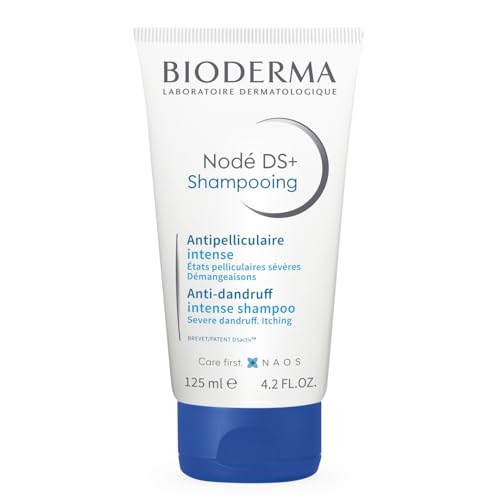 1
Bioderma
Node DS+ Anti Dandruff Shampoo
shampoo · 125 ml · 26 ingredients
- No essential oils
- With piroctone olamine
- With salicylic acid
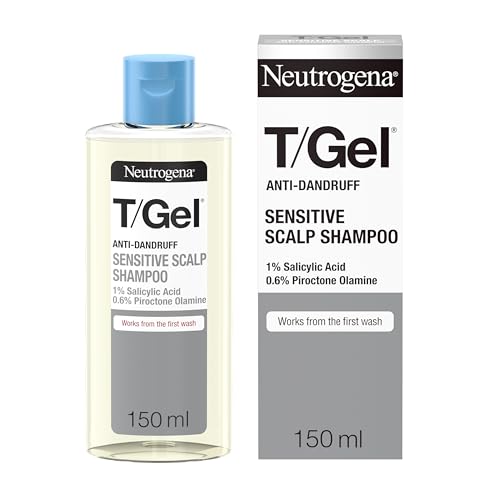 2
Neutrogena
T/Gel Anti Dandruff Shampoo
shampoo · 150 ml · 15 ingredients
£5.62−13%Amazon UK
- Fragrance-free
- No essential oils
- With piroctone olamine
- With salicylic acid
 3
Vichy
Dercos PSOlution Kerator-Reducing Treatment Shampoo Psoriatic-Prone Scalps
shampoo · 200 ml · 31 ingredients
£10.45Amazon UK
- No essential oils
- With piroctone olamine
- With salicylic acid
 4
Neutrogena
T/Gel Oily Scalp Anti-Dandruff Shampoo Fights Dandruff
shampoo · 125 ml · 16 ingredients
- No essential oils
- With piroctone olamine
- With salicylic acid
 5
Makeup Revolution
Haircare Salicylic Acid Clarifying Shampoo
shampoo · 250 ml · 28 ingredients
- With piroctone olamine
- With salicylic acid
 6
Matrix
So Silver Purple Toning Shampoo
shampoo · 300 ml · 17 ingredients
£12.14−24%Amazon UK
- Fragrance-free
- No essential oils
- With salicylic acid
 7
Davines
Natural Tech Purifying Shampoo
shampoo · 250 ml · 21 ingredients
£24.99−3%Amazon UK
- No essential oils
- With selenium sulfide
 8
Carol's Daughter
Washday Delight
shampoo · 16.9 oz · 14 ingredients
- No essential oils
- With salicylic acid
Amazon UK prices as of 6 November 2026, 06:19 GMT; Amazon sets the final price at checkout.
Frequently asked questions
Which dandruff shampoo has the strongest clinical evidence?
Ketoconazole 2% shampoo has the most robust clinical evidence, backed by multiple double-blind randomised trials showing 73–89% improvement in dandruff severity versus 29–44% with placebo, and superior relapse prevention compared to zinc pyrithione. Ciclopirox 1% is a close second with excellent relapse data (14.7% vs 35.5% at 12 weeks). These two are consistently placed at the top of evidence-based rankings in systematic reviews of scalp seborrheic dermatitis treatments.
Is Head & Shoulders actually effective for dandruff?
Head & Shoulders contains zinc pyrithione (typically 1%), which has real antifungal activity against Malassezia and genuine anti-dandruff effects. However, systematic reviews rate the clinical evidence for zinc pyrithione as lower quality than ketoconazole — one head-to-head trial showed 67% dandruff score improvement for ZPT versus 73% for ketoconazole with higher relapse rates. Head & Shoulders is a reasonable maintenance or mild-dandruff option, but people with significant dandruff or seborrheic dermatitis typically achieve better and more durable results with ketoconazole or ciclopirox.
Can I use an anti-dandruff shampoo every day?
Most medicated anti-dandruff shampoos are not designed or tested for daily use. The standard protocol is twice weekly for active treatment (4 weeks), then once weekly for maintenance. Daily use of prescription-strength formulations like ketoconazole 2% or selenium sulfide 2.5% can cause scalp dryness, irritation, and in the case of selenium sulfide, discoloration. Some zinc pyrithione formulations are specifically marketed for daily use at lower concentrations — check the label. On non-treatment days, use a gentle fragrance-free shampoo if needed.
How long should I leave the dandruff shampoo on my scalp?
At least 2–5 minutes. Most people rinse anti-dandruff shampoo immediately after lathering, which significantly reduces antifungal contact time and efficacy. Applying the shampoo, working it into the scalp, and waiting 2–5 minutes before rinsing — treating it like a scalp treatment rather than a wash — substantially improves outcomes. This is especially important for ketoconazole and ciclopirox, which need adequate contact time to reduce Malassezia populations.
Does dandruff shampoo cause hair loss?
No reliable clinical evidence links medicated anti-dandruff shampoos to hair loss. Ketoconazole may actually have a mild beneficial effect on androgenetic alopecia (hair loss from genetics) via anti-androgenic properties at the follicle level, though this is not an approved indication. Selenium sulfide used excessively can cause temporary hair texture changes. If you are experiencing significant hair loss alongside scalp dandruff, see a dermatologist — the conditions may be co-occurring and warrant separate evaluation.
Health information, not medical advice.
Beauty Comparison is an independent editorial publication. This page is researched and sourced to the authorities listed below, but it is general information — not a diagnosis or a substitute for personalised advice from a qualified doctor, dermatologist or pharmacist. If your symptoms are severe, spreading, painful, or not improving, see a healthcare professional.Sources
- 01Ketoconazole Shampoo for Seborrheic Dermatitis of the Scalp: A Narrative Review — PubMed Central / Skin Health and Disease, 2024-09-01. Ketoconazole mechanism (ergosterol inhibition), 89% vs 44% response rates in double-masked study; 73% vs 67% improvement over zinc pyrithione with lower relapse; 2% superior to 1% at p<0.001; twice-weekly protocol; adverse events under 1%; broad comparison with ciclopirox, zinc pyrithione, selenium sulfide.
- 02Seborrheic Dermatitis of the Scalp (Evidence-Based Review) — PubMed Central / Evidence-Based Dermatology, 2015-05-01. Ketoconazole 2% and ciclopirox 1% are first-line with moderate-quality evidence; ciclopirox reduces relapse to 14.7% vs 35.5%; selenium sulfide 2.5% gives 67% vs 45% placebo; zinc pyrithione rated very low-quality evidence; coal tar rarely used; corticosteroids short-term only.
- 03A Comparative Randomized Clinical Study: 1% Selenium Disulfide vs 2% Ketoconazole Shampoo in Scalp Seborrheic Dermatitis — PubMed Central, 2024-12-01. 1% selenium disulfide-based shampoo was equivalent in efficacy to 2% ketoconazole shampoo for moderate-to-severe scalp seborrheic dermatitis in a randomised controlled trial.
- 04Safety, Efficacy and Attributes of 2.5% Selenium Sulfide Shampoo in the Treatment of Dandruff — PubMed Central / Dermatology and Therapy, 2024-05-01. 2.5% selenium sulfide achieved primary endpoint reduction in total dandruff score at weeks 1, 2, and 4; higher cytostatic and keratolytic activity than ketoconazole or zinc pyrithione formulations; multifaceted antifungal, cytostatic mechanism confirmed.
- 05Seborrheic Dermatitis and Dandruff: A Comprehensive Review — PubMed Central / International Journal of Trichology, 2015-11-01. Malassezia-targeting mechanism for all major anti-dandruff actives; zinc pyrithione protocol 2–3x weekly; selenium sulfide risk of scalp discoloration; coal tar rarely used; ketoconazole most evidenced first-line agent; salicylic acid keratolytic adjunct.