Seborrheic Dermatitis Flare Triggers: Stress, Diet & More
The short answer
Seborrheic dermatitis flares are most reliably triggered by psychological stress, cold dry weather.
Why Does Seborrheic Dermatitis Flare?
Seborrheic dermatitis (SD) is not a static condition. It follows a relapsing–remitting course, often clearing for weeks or months before returning with frustrating abruptness. Understanding why it returns — and what drives individual flares — is the most practical tool for reducing how often and how severely it recurs.
The underlying mechanism is an interaction between three factors: the lipase-secreting yeast Malassezia (which lives on everyone's scalp), sebaceous gland output, and individual immune reactivity. A flare occurs when this balance tips — usually because one or more external or internal triggers shifts sebum production, impairs the skin barrier, activates the immune response, or promotes Malassezia overgrowth.
The triggers below are the best-evidenced from clinical studies and patient-reported data. Not everyone has every trigger; identifying your personal pattern is the key.
Trigger 1: Psychological Stress
Stress is the single most frequently reported and clinically recognized SD trigger. The mechanism is not vague — it is a specific neuroimmune cascade.
The HPA axis pathway: When psychological stress is perceived, the hypothalamus releases corticotrophin-releasing hormone (CRH). CRH travels to the pituitary (triggering ACTH release) and adrenal glands (triggering cortisol) but also acts directly on skin cells. CRH receptors are expressed on sebocytes (oil-producing cells), and CRH binding stimulates sebocyte release of pro-inflammatory cytokines IL-6 and IL-8. These cytokines promote local inflammation and alter the lipid composition of sebum — producing the fatty acid environment in which Malassezia thrives.
Cortisol's barrier effect: Elevated cortisol suppresses epidermal lamellar body secretion (the process that deposits lipid bilayers in the stratum corneum) and downregulates antimicrobial peptides including beta-defensin and cathelicidin. The practical consequence is a temporarily compromised skin barrier and reduced innate antimicrobial defense — both of which allow Malassezia to expand more easily.
Neuropeptides from nerve endings: The skin contains a dense network of sensory nerve endings. Stress increases levels of substance P (SP) and calcitonin gene-related peptide (CGRP) from cutaneous C-fiber nerve terminals. Substance P activates dermal mast cells, triggering degranulation of histamine, TNF-α, and IL-6, which amplifies the inflammatory signal and drives the itch–scratch cycle that worsens SD.
The NCBI Bookshelf overview of SD explicitly notes that "symptoms may go away for a while — often in the summer — but may return in the winter or during periods of stress." A dedicated PubMed study (PMID 18033062) investigated this relationship and confirmed the clinical link between stress and SD exacerbation.
Practical implication: Stress management strategies — including adequate sleep, exercise, and psychological support — have documented value in inflammatory skin conditions and are recommended as adjunctive SD management by dermatology guidelines.
Trigger 2: Cold, Dry Weather and Seasonal Changes
SD famously follows the seasons. Most patients experience their worst flares during winter and early spring, with remission — or marked improvement — in summer. This is one of the most reproducible patterns in the condition.
Why winter worsens SD:
- Low humidity: Cold air holds less moisture, and central heating further reduces indoor humidity. A dry environment accelerates transepidermal water loss (TEWL), disrupting the stratum corneum lipid bilayers that maintain barrier integrity. With a compromised barrier, inflammatory mediators penetrate more easily and Malassezia products (particularly oleic acid) cause more irritation.
- Reduced UV exposure: Natural sunlight has mild antifungal and immunomodulatory effects. The reduced UV exposure of winter months appears to allow Malassezia populations to expand with less natural suppression — explaining in part why SD remits for many people during summer sun exposure.
- Hot showers and baths: In cold weather, people tend to take hotter, longer showers, which strips the natural lipid barrier from the scalp and skin more aggressively. The AAD specifically warns that hot water can dry out the scalp and is a common SD trigger.
Practical management: The AAD recommends protecting exposed skin from cold air (including wearing hats outdoors), avoiding hot-water showers, and using a humidifier indoors during winter months to reduce seasonal flares.
Trigger 3: Diet and Nutrition
The diet–SD relationship is the most contested and nuanced of the major triggers, but evidence is emerging.
What the Research Shows
A 2023 case-control study published in the Journal of the American Academy of Dermatology (PMC10719884) involving 267 participants found that daily consumption of high-glycemic index carbohydrates — specifically white bread (p = 0.002) and rice or pasta (p < 0.001) — was significantly more common in SD patients than controls. This aligns with the established link between high-glycemic diets and sebum overproduction: insulin spikes stimulate IGF-1, which upregulates androgen-driven sebaceous gland activity and increases sebum output — the substrate Malassezia needs to proliferate.
Patient-reported dietary triggers in the same study included:
| Food Category | % Reporting as Aggravator |
|---|---|
| Spicy food | 16.9% |
| Sweets | 16.9% |
| Fried food | 13.5% |
| Dairy products | 11.9% |
| Citrus fruits | 10.2% |
Notably, 49.2% of SD patients reported no dietary trigger at all — this is an individual-variation condition, not a universal diet restriction.
Foods associated with improvement: In the same study, leafy green vegetables, other vegetables, and citrus fruits were frequently associated with symptom relief (8.5%, 6.8%, and 8.5% respectively), likely reflecting vitamin A, antioxidants, and anti-inflammatory compounds. A separate systematic review (PMID 39102684) found that higher fruit intake was associated with lower SD risk across patient groups.
Micronutrient Deficiencies
The 2024 systematic review on nutrition and SD (PMID 39102684) found that SD patients show:
- Significantly lower serum zinc, vitamin D, and vitamin E compared to controls
- Elevated copper, manganese, iron, calcium, and magnesium
Zinc is particularly relevant: it has antifungal properties, supports keratinocyte function, and regulates sebum production. Low zinc and vitamin D are documented in SD, though interventional studies specifically testing supplementation are still limited.
Alcohol is another dietary trigger: most studies find a consistent association between regular alcohol consumption and SD, with proposed mechanisms including altered sebum lipid composition, systemic immune modulation, and nutritional displacement (alcohol competes with zinc absorption).
Trigger 4: Sleep Deprivation and Fatigue
The NCBI overview of SD lists fatigue as a recognized flare factor alongside stress, and there is a mechanistic basis. Sleep deprivation elevates cortisol, increases systemic inflammation (IL-6, TNF-α), and impairs skin barrier repair — all three of which promote SD flares. DermNet notes that "lack of sleep is associated with severity" of seborrheic dermatitis.
The practical implication is that SD management cannot be limited to topical treatments alone; sleep hygiene is part of the clinical picture.
Trigger 5: Topical Irritants and Skincare Habits
Several scalp and skincare practices can precipitate or worsen SD flares:
- Alcohol-containing lotions and styling products: Alcohol is a direct skin-barrier disruptor, increasing TEWL and altering the scalp microenvironment.
- Infrequent shampooing: Malassezia thrives in sebum-rich environments. Allowing sebum to accumulate provides more substrate for yeast lipases and the inflammatory free fatty acids they generate. Regular shampooing (including maintenance antifungal shampooing) reduces yeast load and sebum buildup.
- Harsh or alkaline shampoos: High-pH products strip the scalp's protective acid mantle (normal scalp pH 4.5–5.5), disrupting the conditions that favor commensalism over pathogenic Malassezia growth.
- Sweat: The AAD notes that the salt from sweat can trigger SD flares; sweat also temporarily alters scalp pH and can increase bacterial and yeast colonization.
- Chemical exposure: Paint fumes, strong cleaning products, and new carpeting have been reported as environmental triggers; the precise mechanism is likely barrier disruption and pro-inflammatory irritant response.
Trigger 6: Immunosuppression and Medical Conditions
The most striking demonstration of the immune component in SD is its dramatically elevated prevalence in immunocompromised populations:
| Population | SD Prevalence |
|---|---|
| Immunocompetent adults | 1–12% |
| HIV-positive (early) | 34–40% |
| AIDS patients | Up to 83% |
| Parkinson's disease patients | 52–59% |
| Transplant recipients (on immunosuppressants) | Elevated |
HIV and AIDS: SD is recognized as a marker of early immune decline in HIV infection. As CD4+ T-cell counts fall, the immune system loses its ability to mount a normal response to Malassezia, allowing the yeast to proliferate unchecked. SD in this population tends to be more widespread, more severe, and harder to treat.
Parkinson's disease: The association between Parkinson's and SD is one of the most replicated findings in SD epidemiology. The increased sebum production in Parkinson's (linked to autonomic nervous system dysfunction) combined with reduced facial movement (which normally distributes sebum) creates a permissive environment for Malassezia. There is also emerging evidence of disrupted cutaneous neurotransmitter signalling in Parkinson's that may independently influence SD.
Neurological conditions broadly: Stroke, facial nerve palsy, and spinal cord injury are also associated with elevated SD risk, suggesting that disrupted neurogenic control of sebaceous function plays a role.
Practical implication: A new or suddenly severe SD presentation in an adult — particularly if resistant to standard antifungal treatment — warrants evaluation for underlying immunosuppression or undiagnosed Parkinson's disease.
Trigger 7: Hormonal Factors
Androgens (testosterone and its metabolites) directly stimulate sebaceous gland size and output. This explains several epidemiological patterns in SD:
- Sex distribution: SD is significantly more common in men than women — likely reflecting higher androgen levels driving greater sebum production.
- Age distribution: SD peaks in adolescence (when androgen production rises), subsides in early adulthood, and shows a second peak after age 50 (when hormonal regulation changes).
- Menstrual cycle and hormonal contraceptives: Some women report SD flares linked to their cycle; premenstrual estrogen drops can temporarily allow androgen-relative dominance and sebum increases.
Hormonal influence on SD does not mean SD responds to anti-androgen therapy in most people — the androgen connection is permissive (setting the sebum environment) rather than the direct driver of inflammation.
Trigger 8: Medications
Certain medications are documented to precipitate or worsen SD:
- Neuroleptic (antipsychotic) drugs that induce parkinsonism — these appear to cause SD by the same sebum-accumulation mechanism seen in idiopathic Parkinson's disease.
- Lithium — directly worsens many inflammatory skin conditions including SD.
- Psoralen plus UV-A (PUVA) therapy for other skin conditions — reported association.
- Some systemic interferon therapies — inflammatory skin effects include SD flares.
If SD worsens after starting a new medication, this should be discussed with the prescribing clinician.
Putting It Together: Identifying Your Triggers
Because SD is multifactorial, most people experience flares from a combination of triggers rather than a single cause. Clinical guidance recommends a practical approach:
- Keep a flare diary: Note when SD worsens, what was different in the preceding 1–2 weeks (stress level, sleep quality, diet changes, weather, new products, illness).
- Eliminate one variable at a time: If alcohol, a new shampoo, and a stressful period all coincide, change one thing at a time to identify the most actionable factor.
- Maintain antifungal therapy as the foundation: Trigger avoidance complements — but does not replace — evidence-based topical antifungal maintenance (typically once-weekly antifungal shampoo between active flare treatment). See Seborrheic Dermatitis on the Scalp for the full treatment framework and Best Dandruff Shampoos for product selection.
- Address modifiable lifestyle factors: Sleep, stress management, dietary quality (particularly reducing high-glycemic foods), and moderate alcohol intake are the lifestyle levers with the best evidence base.
When to See a Dermatologist
Mild-to-moderate SD can usually be self-managed with OTC antifungal shampoos. Seek professional evaluation if:
- SD is severe, widespread, or involves the face, ears, or chest prominently
- Flares are frequent despite consistent maintenance antifungal use
- SD is newly onset and severe in an adult without a prior history — particularly if accompanied by weight loss, fatigue, or other systemic symptoms (to rule out immunosuppression)
- First-line antifungal shampoos have failed after 4–8 weeks of correct use
- You need prescription-strength treatment (ketoconazole 2%, oral itraconazole, or calcineurin inhibitors)
Products that fit: dandruff
Picked by code from each product's full ingredient list.

Vichy
Dercos Anti-Dandruff Water
scalp treatment · 200 ml · 20 ingredients
£18.49Amazon UK
- No essential oils
- With piroctone olamine
- With salicylic acid
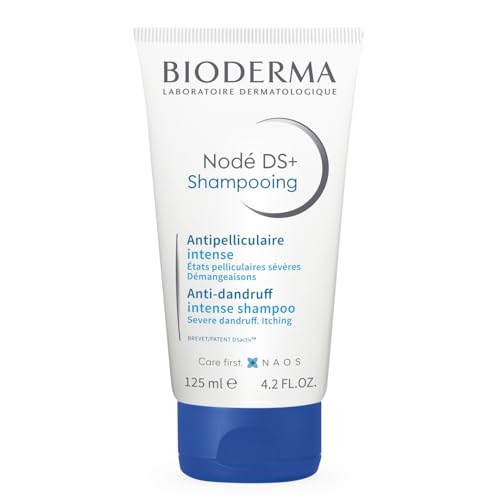
Bioderma
Node DS+ Anti Dandruff Shampoo
shampoo · 125 ml · 26 ingredients
- No essential oils
- With piroctone olamine
- With salicylic acid
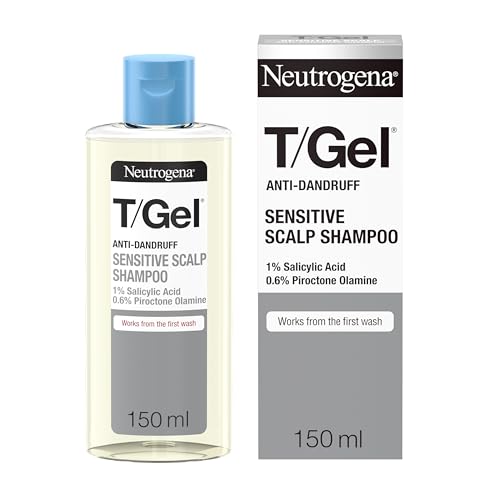
Neutrogena
T/Gel Anti Dandruff Shampoo
shampoo · 150 ml · 15 ingredients
£5.62−13%Amazon UK
- Fragrance-free
- No essential oils
- With piroctone olamine
- With salicylic acid

Vichy
Dercos PSOlution Kerator-Reducing Treatment Shampoo Psoriatic-Prone Scalps
shampoo · 200 ml · 31 ingredients
£10.45Amazon UK
- No essential oils
- With piroctone olamine
- With salicylic acid
Amazon UK prices as of 6 November 2026, 06:08 GMT; Amazon sets the final price at checkout.
Frequently asked questions
What does the latest evidence say about seborrheic dermatitis triggers in 2026?
The 2025 narrative review in NCBI (PMC12562114) confirms the established trigger hierarchy: psychological stress, cold weather, and immune compromise remain the most replicated triggers. Dietary evidence has strengthened with a 2023 case-control study linking high-glycemic index diets to SD prevalence. Emerging understanding of the HPA axis and CRH-driven sebocyte inflammation has clarified the stress mechanism at a molecular level. No new major trigger categories have been identified, but the mechanistic understanding of existing triggers has become more detailed.
Why does seborrheic dermatitis get worse in winter?
Winter SD flares reflect several converging factors: low ambient humidity increases transepidermal water loss and disrupts the stratum corneum barrier; reduced UV exposure allows Malassezia to proliferate with less natural suppression; and the tendency to take hot showers strips the scalp's protective lipid layer. Cold air also drives people indoors — with heated, drier air — compounding barrier disruption. Many patients see near-complete seasonal remission in summer due to the reversal of these factors.
Does stress really cause seborrheic dermatitis to flare?
Yes — and the mechanism is well-characterized. Psychological stress activates the HPA axis, releasing corticotrophin-releasing hormone (CRH). CRH binds receptors on scalp sebocytes, stimulating release of pro-inflammatory cytokines IL-6 and IL-8 that alter the sebum environment in favor of Malassezia overgrowth. Simultaneously, elevated cortisol suppresses antimicrobial peptides (beta-defensin, cathelicidin) that would normally help control yeast populations. Stress-triggered neuropeptides (substance P) further activate mast cells, amplifying scalp inflammation.
Should I change my diet if I have seborrheic dermatitis?
The diet evidence is real but individualized — roughly half of SD patients report no dietary trigger. The most evidence-backed dietary adjustments are reducing high-glycemic index foods (white bread, refined carbohydrates, sweets) that stimulate sebum-driving IGF-1, limiting alcohol, and ensuring adequate zinc and vitamin D. Increasing fruit and vegetable intake is associated with lower SD risk in observational data. If you suspect a specific food triggers your flares, an elimination trial combined with a food diary is more useful than broad restriction.
Why do people with HIV or Parkinson's disease get such severe seborrheic dermatitis?
Both conditions impair the immune mechanisms that normally keep Malassezia in check. In HIV/AIDS, falling CD4+ T-cell counts reduce the adaptive immune response to Malassezia antigens, allowing the yeast to proliferate far beyond normal levels; SD affects 34–83% of HIV-positive individuals. In Parkinson's disease, autonomic nervous system dysfunction increases sebum secretion, and reduced facial movement allows sebum to accumulate — plus disrupted cutaneous neurotransmission appears to independently affect scalp inflammation. The severity in these populations underscores the immune-mediated nature of SD.
Can medications cause seborrheic dermatitis flares?
Yes. Neuroleptic medications that induce drug-induced parkinsonism are well documented to trigger SD via the same sebum-accumulation mechanism. Lithium is another known SD aggravator. Some PUVA therapies and interferon treatments have also been reported to worsen SD. If you notice SD worsening after starting a new medication, discuss alternatives with the prescribing clinician — do not stop prescribed medication without medical advice.
Health information, not medical advice.
Beauty Comparison is an independent editorial publication. This page is researched and sourced to the authorities listed below, but it is general information — not a diagnosis or a substitute for personalised advice from a qualified doctor, dermatologist or pharmacist. If your symptoms are severe, spreading, painful, or not improving, see a healthcare professional.Sources
- 01Overview: Seborrheic Dermatitis — NCBI Bookshelf (InformedHealth.org) — National Center for Biotechnology Information / InformedHealth.org. Seborrheic dermatitis flares are associated with stress, fatigue, weather extremes, infrequent shampooing, alcohol-containing lotions, neurological conditions, and HIV; symptoms may remit in summer and return in winter or during periods of stress.
- 02Association Between Diet and Seborrheic Dermatitis: A Case-Control Study — PubMed Central / Journal of the American Academy of Dermatology, 2023-12-01. Daily high-glycemic foods (white bread p=0.002, rice/pasta p<0.001) significantly associated with SD; most patient-reported aggravators were spicy food, sweets, fried food, dairy, citrus; 49.2% of patients reported no dietary trigger; leafy greens associated with improvement.
- 03Nutrition, Obesity, and Seborrheic Dermatitis: Systematic Review — PubMed / NCBI, 2024-08-01. SD patients have significantly lower serum zinc, vitamin D, and vitamin E; alcohol associated with SD in most studies; fruit intake associated with lower SD risk; Western diet pattern linked to higher risk especially in women.
- 04Seborrheic Dermatitis Revisited: Pathophysiology, Diagnosis, and Emerging Therapies — PubMed Central / NCBI, 2025-01-01. Global SD prevalence 4.38%; HIV patients 20–83%; Parkinson's disease patients 52–59%; Malassezia activates TLR2, Dectin-2, NLRP3 inflammasome, and Th1/Th17 pathways; emerging treatments include roflumilast, JAK inhibitors, biologics.
- 05An Overview of the Diagnosis and Management of Seborrheic Dermatitis — PubMed Central / NCBI, 2022-08-01. Low temperature and humidity in winter are documented SD triggers; ketoconazole 2% twice weekly for 4 weeks is first-line; ciclopirox 1% three times weekly is an effective alternative; severe/resistant SD warrants HIV screening.
- 06Seborrheic Dermatitis: Self-Care — American Academy of Dermatology — American Academy of Dermatology (aad.org). AAD identifies cold and dry weather, hot showers, alcohol-containing products, sweat, harsh detergents, and chemical fumes as SD triggers; recommends wearing a hat in cold weather and avoiding hot-water showers.
- 07Seborrheic Dermatitis: Causes and Treatment — DermNet — DermNet NZ. Stress precipitates flares; winter flares and improvement in summer are typical; lack of sleep associated with severity; oily skin, family history, immunosuppression, and neuroleptic medications are recognized risk factors; high fruit intake associated with less disease.
- 08Seborrheic Dermatitis: Exploring the Complex Interplay with Malassezia — PubMed Central / NCBI, 2025-03-01. SD pathogenesis involves Malassezia lipase-driven free fatty acid release, NLRP3 inflammasome activation, Th17/IL-17 immune polarization, and barrier dysfunction; immune dysregulation and barrier impairment are central rather than Malassezia alone.
- 09Stress and Seborrheic Dermatitis — PubMed / NCBI. Clinical investigation confirming the recognized association between psychological stress and seborrheic dermatitis exacerbation.