Scalp Acne: Causes, Best Shampoos & When to See a Derm
The short answer
Scalp acne is clogged or inflamed scalp follicles.
What Is Scalp Acne?
Scalp acne refers to acne-type lesions — comedones, papules, pustules, or cysts — that develop on the scalp, at the hairline, or along the nape of the neck. It shares the same underlying biology as acne vulgaris on the face: a blockage and inflammation of the pilosebaceous unit (hair follicle plus sebaceous gland).
However, the scalp environment introduces additional variables that make it distinct from facial acne. A dense mat of hair traps sebum, sweat, dead skin cells, and hair product residue — creating an ideal microenvironment for follicular clogging and microbial proliferation. Hairstyle choices, product use, and hygiene patterns all significantly influence scalp acne in ways that don't apply to the face.
Causes and Triggers
The Four Core Factors (Shared with Facial Acne)
-
Excess sebum production — the scalp is home to some of the highest densities of sebaceous glands on the body, particularly at the vertex and frontal regions. Sebum overproduction, driven by androgens, clogs follicles.
-
Follicular hyperkeratinization — dead skin cells lining the follicle clump together rather than shedding normally, forming the micro-plug that is the starting point of every acne lesion.
-
Cutibacterium acnes colonisation — this anaerobic bacterium thrives in the sebum-rich, oxygen-poor environment of a blocked follicle. It metabolises sebum into irritating free fatty acids, triggering an inflammatory immune response.
-
Inflammation — the immune response to bacterial colonisation and disrupted follicular integrity produces the visible redness, swelling, and pus of inflammatory scalp acne.
Scalp-Specific Triggers
Hair product buildup This is the most uniquely scalp-related trigger. Heavy, occlusive formulations coat the scalp skin and follicle openings:
- Pomades (petroleum-based or wax-based) — the classic cause of "pomade acne" along the hairline
- Thick leave-in conditioners and styling creams — particularly in highly conditioning formulations designed to coat the hair shaft; they accumulate on the scalp
- Dry shampoo buildup — starch- and silica-based residue builds up over days of use, blocking pores
- Hair oils and serums applied too close to the scalp
Tight hairstyles and mechanical occlusion Braids, ponytails, buns, weaves, wigs, and extensions create several problems simultaneously:
- Mechanical friction at the hairline disrupts the follicular epithelium
- Occlusion under tight styles prevents sweat and sebum from dispersing
- Prolonged wear time (particularly with wigs and weaves) means extended exposure to a warm, moist, occluded environment — ideal for bacterial and yeast proliferation
Infrequent washing Allowing sebum, dead cells, sweat, and product residue to accumulate over days provides more material for follicular plugging.
Sweat and heat Exercise combined with wearing hats, helmets, or headbands creates a microenvironment where sweat macerates the skin, promotes microbial growth, and increases follicular occlusion.
Hormonal fluctuations Androgens drive sebum production on the scalp as they do on the face. Hormonal scalp acne often worsens at the same time as facial hormonal acne — before menstruation, during pregnancy, or with conditions like polycystic ovary syndrome (PCOS).
Stress Psychological stress stimulates adrenal androgen production, elevating sebum output — a recognized worsening factor for all forms of acne.
Symptoms
Scalp acne lesions mirror those of facial acne:
- Comedones — whiteheads and blackheads at follicle openings, particularly along the hairline; often the earliest, mildest presentation
- Papules — small, tender, raised red bumps without visible pus
- Pustules — pus-filled bumps with a white top, typically itchy or painful
- Nodules and cysts — larger, deeper, painful lesions that indicate more severe inflammation; carry a higher risk of scarring and hair follicle damage
- Hairline acne — a row of small papules or pustules tracing the forehead hairline, often reflecting product migration (pomade acne)
- Itching and tenderness — common, and scratching worsens the condition by spreading bacteria and inducing secondary infection
- Crusting — from ruptured pustules or scratching
Severe or longstanding cases, particularly where cystic lesions are present, can lead to localised, temporary hair loss (the follicle recovers once infection resolves). True permanent hair loss from scalp acne alone is uncommon but possible in severe cystic disease.
Pomade Acne: A Specific Pattern
Pomade acne deserves separate mention because it is one of the most common and recognisable forms of scalp acne, particularly in people who style natural or textured hair.
It presents as a band of small comedones and papules tracing the hairline — forehead, temples, and nape — precisely where pomades, edge control products, thick creams, and oils contact the skin. The products migrate from the hair onto the adjacent skin, blocking pores.
Managing pomade acne:
- Identify and stop or reduce the offending product; switch to lighter, non-comedogenic styling alternatives
- Apply styling products away from the hairline (on the hair shaft only)
- Use a salicylic acid cleanser or toner on the hairline and forehead
- Improvement typically takes 4–8 weeks after removing the trigger
Best Shampoos for Scalp Acne
The most practical first-line intervention for scalp acne is a targeted medicated shampoo. Key active ingredients:
| Ingredient | Mechanism | Best For |
|---|---|---|
| Salicylic acid (1–3%) | Beta-hydroxy acid; dissolves the bonds between dead skin cells inside follicles (comedolytic); exfoliates scalp skin | Comedonal scalp acne; buildup-prone scalp; general scalp exfoliation |
| Ketoconazole (1–2%) | Antifungal; also has anti-inflammatory and mild antibacterial properties | Malassezia-associated scalp acne or folliculitis; inflammatory scalp |
| Selenium sulfide (1–2.5%) | Antifungal; cytostatic (slows cell turnover); antibacterial properties | Combination dandruff + scalp acne; oily, flaking scalp |
| Zinc pyrithione | Antifungal, antibacterial | Mild scalp acne; maintenance |
| Benzoyl peroxide (wash formulations) | Bactericidal; kills C. acnes effectively | Primarily bacterial scalp acne; use with caution — can bleach hair fabrics |
| Ciclopirox | Antifungal; anti-inflammatory | Alternative to ketoconazole when yeast involvement suspected |
How to use a medicated shampoo effectively:
- Apply directly to the wet scalp (not just the hair)
- Leave on for 3–5 minutes before rinsing — most people rinse immediately, which dramatically reduces contact time and efficacy
- Use 2–3 times per week during flares; once weekly as maintenance
- Follow with your regular conditioner on the hair (mid-length to ends only; avoid the scalp)
Other At-Home Treatments
Scalp Exfoliation
A physical scalp scrub or scalp massager used during shampooing helps loosen built-up dead cells, product residue, and sebum. Use gentle, circular movements — do not scrub aggressively, which irritates the scalp.
Salicylic Acid Toner on the Hairline
A cotton pad soaked in 2% salicylic acid toner applied along the external hairline (not deep into the scalp) 1–2 times per week addresses pomade acne and hairline breakouts directly.
Tea Tree Oil
Tea tree oil (5% diluted) has in-vitro antibacterial and antifungal properties. The evidence for topical skin application in acne is modest, but it is a reasonable OTC option for mild cases. Crucially, it must be diluted before applying to the scalp — undiluted tea tree oil causes contact dermatitis.
Product Audit and Elimination
Before adding any treatment, remove heavy, occlusive products from the scalp for 4–6 weeks and assess the response. Product-triggered scalp acne often clears substantially with this step alone.
When OTC Treatment Is Not Enough: Prescription Options
See a dermatologist if scalp acne is:
- Causing nodules or cysts (larger, deeper, very painful lesions)
- Not responding to medicated shampoos after 6 weeks of consistent use
- Causing or threatening hair loss
- Significantly painful, spreading, or accompanied by fever (which may indicate a secondary bacterial infection requiring systemic antibiotics)
- Present alongside acne elsewhere that is severe and untreated
Prescription treatments a dermatologist may offer:
- Topical clindamycin solution or gel — applied to affected scalp areas; effective for bacterial scalp acne
- Oral antibiotics — doxycycline or minocycline for moderate inflammatory scalp acne; typically given for 3–6 months
- Oral isotretinoin — for severe, cystic, or treatment-resistant scalp acne; reduces sebaceous gland size and output; can induce long-term remission
- Hormonal therapy (for women) — combined oral contraceptives or spironolactone, when scalp acne is driven by androgen excess; particularly relevant in PCOS
- Intralesional corticosteroid injections — for individual large, painful cysts to speed resolution and reduce scarring risk
Prevention and Long-Term Management
- Wash hair regularly — at least every other day if the scalp is oily or acne-prone; daily after intense exercise
- Choose non-comedogenic hair products — look for lightweight oils (jojoba, argan) rather than petrolatum, beeswax, or mineral oil-heavy pomades
- Apply products away from the scalp — styling products should go on the hair shaft, not the skin
- Vary hairstyles — give the scalp air exposure; avoid wearing tight styles and wigs continuously without breaks
- Keep hats, headbands, and helmets clean and allow the scalp to air-dry after sweating
- Clean pillowcases frequently — they accumulate sebum, hair products, and bacteria that transfer back to the scalp and hairline nightly
- Use maintenance medicated shampoo once weekly even after clearing to prevent recurrence
Scalp Acne vs. Other Scalp Conditions
| Feature | Scalp Acne | Scalp Folliculitis | Seborrheic Dermatitis | Scalp Psoriasis |
|---|---|---|---|---|
| Primary lesion | Comedones, papules, pustules, cysts | Pustules at follicle bases | Diffuse scale with greasiness | Thick, adherent silvery plaques |
| Itching | Moderate | Prominent | Moderate to severe | Moderate to severe |
| Hair loss | Uncommon (possible in cystic) | In severe forms | Not typical | Not typical |
| Location | Hairline common; diffuse possible | Frontal hairline; all scalp | Diffuse; also face and chest | Margins; extensor scalp |
| Contagious | No | Sometimes (bacterial) | No | No |
| First treatment | Salicylic acid shampoo; stop occlusive products | Ketoconazole shampoo; antibiotics if bacterial | Ketoconazole / zinc pyrithione shampoo | Medicated shampoos; topical corticosteroids |
For more detail on seborrheic dermatitis, see Seborrheic Dermatitis of the Scalp. For scalp folliculitis, see Scalp Folliculitis Guide.
Products that fit: itchy, sensitive scalp
Picked by code from each product's full ingredient list.
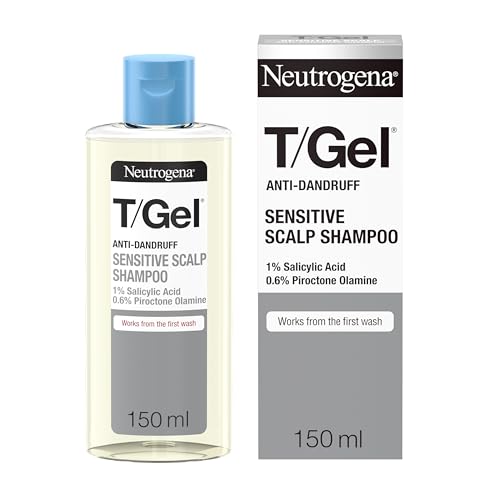
Neutrogena
T/Gel Anti Dandruff Shampoo
shampoo · 150 ml · 15 ingredients
£5.62−13%Amazon UK
- Fragrance-free
- No essential oils
- No MI/MCI
- With piroctone olamine
- With salicylic acid
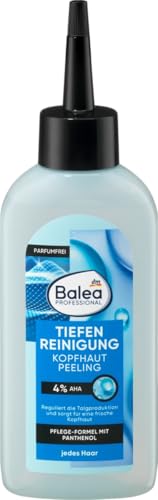
Balea
Professional Scalp Scrub Deep Cleansing
scalp treatment · 150 ml · 10 ingredients
- Fragrance-free
- No essential oils
- No MI/MCI
- With panthenol

OGX
ProGrowth + Peptide Scalp Serum
scalp treatment · 10 ml · 16 ingredients
- Fragrance-free
- No essential oils
- No MI/MCI
- With panthenol

Vanicream
Free & Clear Shampoo
shampoo · 355 ml · 16 ingredients
- Fragrance-free
- No essential oils
- No MI/MCI
- With panthenol
Amazon UK prices as of 6 November 2026, 06:08 GMT; Amazon sets the final price at checkout.
When to see a professional
Consult a dermatologist if: scalp acne includes large, painful nodules or cysts; lesions are causing or threatening permanent hair loss or scarring; there has been no improvement after 6 weeks of consistent medicated shampoo use and product removal; acne is accompanied by significant pain, spreading redness, or fever; or you have signs of hormonal acne elsewhere (jaw, chin) and potential underlying hormonal conditions such as PCOS. Prompt dermatologist assessment for cystic scalp acne reduces the risk of permanent hair follicle damage.
Frequently asked questions
What does the latest evidence say about treating scalp acne in 2026?
The evidence base for scalp acne treatment largely mirrors that for facial acne, with scalp-specific adaptations. Salicylic acid remains the most validated OTC comedolytic agent, and clinical research continues to support ketoconazole shampoo as effective for the Malassezia-related inflammatory component of scalp acne. A 2024 AAD acne management guideline update reinforced combination approach (comedolytic + antimicrobial) as superior to monotherapy for any acne presentation, with the same principle applying to the scalp. No scalp-acne-specific drug has been approved recently, but oral isotretinoin remains the most effective intervention for severe cystic scalp acne, with long-term remission in the majority of cases.
How long does it take to clear scalp acne?
With consistent use of an appropriate medicated shampoo and removal of triggering products, mild scalp acne typically begins to improve within 2–4 weeks. Most guidelines suggest assessing response at 6 weeks — if no improvement is visible by then, either the product is wrong for the underlying cause or the case warrants prescription treatment. Moderate inflammatory scalp acne treated with oral antibiotics or topical clindamycin usually improves within 6–8 weeks. Severe cystic scalp acne treated with isotretinoin typically requires 4–6 months for full clearance.
Does scalp acne cause permanent hair loss?
Mild scalp acne generally does not cause permanent hair loss — the follicle recovers once inflammation resolves and the acne clears. However, severe, deep, or cystic scalp acne — particularly when left untreated for extended periods — can damage the follicle through chronic inflammation and scarring, leading to permanent localised alopecia. This is more of a risk with acne necrotica and dissecting cellulitis of the scalp than with typical acne. If you notice hair not regrowing in areas where scalp acne has resolved, see a dermatologist promptly.
What hair products should I avoid if I have scalp acne?
Avoid heavy, occlusive products applied to the scalp directly: petrolatum-based pomades, mineral oil-based products, beeswax-containing edge controls, thick wax-based styling products, and dry shampoos used daily without washing. These clog follicles and are frequent causes of pomade acne along the hairline. Opt for lightweight, non-comedogenic styling products and apply them to the hair shaft rather than the scalp. Check product labels for 'non-comedogenic' and 'oil-free' designations, though these are not regulated terms on hair products — jojoba oil, argan oil, and lighter silicone serums tend to be less occlusive than petrolatum or thick waxes.
Can hormones cause scalp acne?
Yes — androgens drive sebum production on the scalp as they do on the face. Scalp acne that flares predictably before menstruation, worsens during pregnancy, or accompanies other signs of androgen excess (irregular periods, excess facial/body hair) is likely hormonally driven. Women with PCOS are particularly susceptible. Hormonal treatments — combined oral contraceptives or anti-androgen agents like spironolactone — can significantly improve hormonally driven scalp acne in women. A dermatologist or endocrinologist can assess whether hormonal investigation is warranted.
Is scalp acne the same as scalp folliculitis?
The terms are sometimes used interchangeably but there is a clinical distinction. Scalp acne specifically involves the same comedonal biology as facial acne — closed and open comedones, papules, pustules, and cysts from follicular plugging and C. acnes activity. Scalp folliculitis is a broader category of follicular inflammation that includes bacterial (S. aureus), fungal (Malassezia), and Demodex-related causes — not all of which produce true comedones. Scalp acne is therefore a subset of follicular inflammation on the scalp. Distinguishing them matters because antifungal treatment is needed for Malassezia folliculitis, while comedonal scalp acne responds better to comedolytic agents (salicylic acid) and anti-C.-acnes treatments.
Health information, not medical advice.
Beauty Comparison is an independent editorial publication. This page is researched and sourced to the authorities listed below, but it is general information — not a diagnosis or a substitute for personalised advice from a qualified doctor, dermatologist or pharmacist. If your symptoms are severe, spreading, painful, or not improving, see a healthcare professional.Sources
- 01Scalp Pimples and Acne — Cleveland Clinic — Cleveland Clinic (clevelandclinic.org). Scalp acne caused by clogged pores from sebum, bacteria, yeast, mites, products, sweat, and hormonal fluctuations; recommended shampoo ingredients (salicylic acid, ketoconazole, selenium sulfide, benzoyl peroxide, ciclopirox); treatment timeline of up to 6 weeks; when to see a provider.
- 02Guidelines of Care for the Management of Acne Vulgaris (2024 Update) — Journal of the American Academy of Dermatology, 2024-01-01. Combination approach (comedolytic + antimicrobial) superior to monotherapy for acne; isotretinoin for severe or scarring disease; topical retinoids as first-line; adapalene OTC as validated first-line option; treatment should be assessed at 6–8 weeks.
- 03Salicylic Acid — DermNet NZ — DermNet NZ (dermnetnz.org). Salicylic acid as a beta-hydroxy acid that dissolves the bonds between keratinocytes inside follicles (comedolytic); reduces follicular plugging; used in shampoos for scalp conditions; well tolerated with mild stinging on broken skin.
- 04Recent Trends in the Management of Acne Vulgaris: A Review Focusing on Clinical Studies in the Last Decade — PubMed Central / PMC, 2024-04-01. Four pathogenic factors of acne (sebum, hyperkeratinisation, C. acnes, inflammation); isotretinoin achieves long-term remission; oral antibiotics for moderate-to-severe inflammatory acne; hormonal therapies for androgen-driven acne in women including spironolactone and combined oral contraceptives.
- 05Clinical Characteristics and Treatment Outcomes of Pityrosporum Folliculitis in Immunocompetent Patients — PubMed Central / PMC, 2022-12-01. Malassezia (Pityrosporum) contributes to inflammatory follicular lesions on the scalp and trunk; ketoconazole 2% and oral itraconazole are effective treatment (92% improvement rate); pruritus is a distinguishing feature versus acne vulgaris; antibiotic use can worsen Malassezia proliferation.
- 06Shampoos — DermNet NZ — DermNet NZ (dermnetnz.org). Medicated shampoos containing salicylic acid (loosens scale, comedolytic), selenium sulfide, zinc pyrithione, ketoconazole, and ciclopirox are used for scalp conditions including seborrheic dermatitis and scalp acne-related conditions; antifungal components reduce Malassezia.