Scalp Folliculitis: What It Is, Causes & How to Treat It
The short answer
Scalp folliculitis is inflammation of scalp hair follicles causing itchy pustules.
What Is Scalp Folliculitis?
Scalp folliculitis is an inflammatory condition affecting the hair follicles on the scalp. Each hair follicle becomes inflamed — producing a small red papule or pus-filled pustule — resulting in the cluster of itchy, crusted bumps that characterizes the condition. It most commonly develops along the frontal hairline but can affect the entire scalp.
The condition ranges from a mild, self-limiting nuisance to a severe, scarring disease that causes permanent hair loss. The correct approach depends entirely on identifying what is driving the inflammation — bacterial, fungal, parasitic, or non-infectious — because these require fundamentally different treatments.
Types and Causes
Bacterial Folliculitis
The most common form. The primary culprit is Staphylococcus aureus, a bacterium that colonises the skin of most people harmlessly but invades hair follicles when the follicular epithelium is disrupted by occlusion, friction, or moisture. Methicillin-resistant S. aureus (MRSA) causes a more treatment-resistant variant.
Cutibacterium acnes (the bacterium associated with acne vulgaris) also plays a role in scalp folliculitis, particularly the chronic low-grade form sometimes called acne necrotica miliaris or Proprionibacterium folliculitis — small itchy papulopustules at the frontal hairline and scalp.
Malassezia (Pityrosporum) Folliculitis
Malassezia is a lipophilic yeast that naturally colonises all human scalps. In some individuals — particularly young men, people in hot humid environments, and those on prolonged antibiotics — it proliferates inside hair follicles, producing itchy papules and pustules that can be mistaken for acne. This form preferentially affects the upper trunk (back, chest, shoulders) but occurs on the scalp as well.
Critically, Malassezia folliculitis does not respond to antibiotics — it requires antifungal treatment. Prescribing antibiotics for this form can worsen the condition by altering the skin microbiome in the yeast's favor.
Demodex Folliculitis
Demodex folliculorum is a microscopic mite that normally inhabits hair follicles in small numbers without causing symptoms. In people with impaired immune defences or altered skin microbiome, mite populations increase dramatically (demodicosis), producing an inflammatory folliculitis with tiny papulopustules and erythema. This form responds to topical permethrin or oral ivermectin, not antibiotics or antifungals.
Non-Infectious Causes
Folliculitis can occur without infection:
- Mechanical/frictional — tight hairstyles, headbands, hats, headphones, and helmets create friction and occlusion that disrupt the follicular epithelium
- Product occlusion — heavy oils, waxes, creams, and leave-in products clog follicles; this is sometimes called "pomade acne" when it affects the hairline
- Sweat — prolonged sweating under occlusion (tight hats, wigs, weaves) creates a microenvironment that favors bacterial and yeast overgrowth
- Steroid-induced — systemic or prolonged potent topical corticosteroids can trigger steroid acne, including on the scalp
Severe Variants
Acne necrotica (acne varioliformis) A more aggressive form producing larger inflammatory papules that develop dark, necrotic (blackened) crusts. When these crusts separate, they leave pitted, varioliform (chickenpox-like) scars. Affects the frontal scalp and forehead. Requires systemic treatment; scarring is the major complication.
Perifolliculitis capitis abscedens et suffodiens (PCAS, also called dissecting cellulitis of the scalp) A rare, severe form presenting as painful fluctuant nodules, interconnected sinuses, and abscesses across the scalp. Part of the "follicular occlusion tetrad" alongside acne conglobata and hidradenitis suppurativa. Without aggressive management, it causes extensive permanent scarring alopecia. Requires specialist (dermatologist) care.
Who Is Affected?
Scalp folliculitis is common across all ages and genders. Risk factors include:
- Wearing tight hairstyles, protective styles with tension, weaves, or wigs for extended periods
- Using heavy, occlusive hair products (pomades, oils, waxes)
- Excessive sweating combined with occluded scalp
- History of acne vulgaris — the same sebaceous gland and follicular factors apply
- Prolonged antibiotic use (can allow Malassezia to proliferate)
- Immunosuppression (HIV, organ transplantation, corticosteroid therapy)
- Conditions that disrupt the skin microbiome
Symptoms
Scalp folliculitis presents as:
- Small pustules — pus-filled bumps at the base of hair follicles, often with a hair shaft visible at the center
- Papules — red, raised, tender bumps without visible pus
- Intense itching — often the most distressing symptom; scratching spreads bacteria and worsens the condition
- Crusting — papules and pustules crust over after scratching or rupturing
- Soreness and tenderness — especially in the frontal hairline zone
- Clustering along the hairline — the frontal scalp is the most common site, though the entire scalp can be involved
- In severe forms: large nodules, interconnected sinuses, permanent hair loss
Diagnosis
Diagnosis is primarily clinical — a dermatologist assesses the morphology, distribution, and history. However, identifying the causative organism matters for treatment:
When to Investigate Further
- Swab for bacterial culture and sensitivity — essential when cases are severe, recurrent, or fail to respond to empirical antibiotics. This identifies the exact organism and its antibiotic sensitivities, including MRSA.
- KOH scraping or Wood's lamp — if Malassezia (fungal) folliculitis is suspected
- Dermoscopy/trichoscopy — helps assess follicular inflammation pattern and rule out scarring alopecia
- Biopsy — reserved for diagnostically uncertain or treatment-resistant cases; histopathology can confirm the form of folliculitis and rule out conditions like lichen planopilaris (scarring alopecia)
Treatment
Treatment must be matched to the likely cause. Using the wrong treatment (e.g. antibiotics for Malassezia folliculitis) will fail and can worsen the condition.
Step 1: Address Precipitating Factors
Before or alongside any medication:
- Reduce or temporarily discontinue heavy, occlusive hair products
- Avoid tight hairstyles and anything that creates friction or occlusion across the scalp
- Wash the scalp regularly — at least every other day when folliculitis is active
- Do not share hair accessories, combs, or hats
Step 2: Topical Treatment for Mild Cases
Antidandruff shampoos are the standard first-line measure for mild scalp folliculitis because they address both Malassezia and bacterial imbalance:
- 2% ketoconazole shampoo — the most evidence-backed antifungal shampoo; reduces Malassezia effectively
- Selenium sulfide (1–2.5%) — antifungal and antibacterial properties
- Zinc pyrithione — antifungal and antimicrobial; available OTC in most antidandruff shampoos
Leave the shampoo on the scalp for 3–5 minutes before rinsing to maximize contact time.
Topical antibiotics for bacterial folliculitis:
- Fusidic acid gel or cream — effective against S. aureus; applied directly to affected areas
- Clindamycin solution or lotion
- Erythromycin solution (though resistance is increasing)
- Mupirocin ointment — particularly useful for MRSA-associated folliculitis
Topical mild corticosteroids may reduce inflammation when folliculitis is predominantly inflammatory and non-infective, but should not be used long-term (can trigger steroid-induced folliculitis).
Step 3: Systemic Treatment for Moderate to Severe Cases
When topical treatment is insufficient or the condition is widespread:
Oral antibiotics for bacterial folliculitis:
- Tetracyclines (doxycycline, minocycline, lymecycline) — the preferred choice for moderate scalp folliculitis, particularly the Cutibacterium acnes–associated form; taken for 6–12 weeks
- Cephalexin or dicloxacillin — for S. aureus; guided by culture results
- Trimethoprim-sulfamethoxazole or doxycycline — for MRSA (sensitivity-guided)
- Ciprofloxacin — for Gram-negative folliculitis (e.g. after hot tub exposure — Pseudomonas folliculitis)
Oral antifungals for Malassezia folliculitis:
- Itraconazole (100–200 mg/day for 2–4 weeks) — high efficacy; published evidence shows improvement rates of 92% with oral azoles
- Fluconazole as an alternative
Oral antihistamines — address the pruritus (itching) component; useful when scratching is perpetuating the cycle of damage and re-infection.
Oral isotretinoin — reserved for severe, recurrent, or treatment-resistant scalp folliculitis. Isotretinoin reduces sebaceous gland output and follicular keratinization, addressing the underlying anatomical driver of follicular plugging. It is particularly useful for PCAS (dissecting cellulitis) and acne necrotica.
Treatment for Specific Variants
| Cause / Type | First-Line Treatment |
|---|---|
| Bacterial (S. aureus), mild | Topical fusidic acid or clindamycin + ketoconazole shampoo |
| Bacterial (S. aureus), moderate–severe | Oral tetracycline or cephalexin + antidandruff shampoo |
| MRSA | Culture-guided — often trimethoprim-sulfamethoxazole or doxycycline |
| Malassezia folliculitis | Ketoconazole shampoo + oral itraconazole (moderate–severe) |
| Demodex folliculitis | Topical permethrin 5% cream or oral ivermectin |
| Hot tub (Pseudomonas) folliculitis | Usually self-limiting; ciprofloxacin if severe or immunocompromised |
| Acne necrotica | Oral tetracyclines long-term; consider isotretinoin |
| PCAS (dissecting cellulitis) | Oral isotretinoin, rifampicin–clindamycin combination; surgical drainage for fluctuant lesions |
Preventing Recurrence
Scalp folliculitis has a strong tendency to recur. Long-term strategies:
- Use a medicated shampoo (ketoconazole, zinc pyrithione, or selenium sulfide) once to twice per week as maintenance
- Avoid returning to the occlusive products or hairstyles that contributed to the original episode
- Ensure headwear (helmets, hats) is clean and not worn for prolonged periods without scalp air exposure
- Address sweating: allowing the scalp to dry after exercise before tying hair up or wearing hats
- If on prolonged antibiotic courses for other conditions, antifungal shampoo can be used preventively
Related Scalp Conditions to Distinguish
Scalp folliculitis can resemble other scalp conditions. Key differences:
| Feature | Scalp Folliculitis | Tinea Capitis | Scalp Psoriasis | Scalp Acne |
|---|---|---|---|---|
| Primary lesion | Pustules at follicle openings | Scaly patches + hair loss | Thick, silvery-white plaques | Comedones, papules, pustules |
| Itch | Prominent | Moderate | Prominent | Mild to moderate |
| Hair loss | Possible in severe forms | Yes — characteristic | Uncommon | Uncommon |
| Age group | Any | Predominantly children | Any | Adolescents/adults |
| Contagious | Sometimes (S. aureus) | Yes (highly) | No | No |
| Key differentiator | Culture/swab confirms bug | KOH + culture confirms fungus | Extensor pattern; nail involvement | Comedones present |
For more on distinguishing fungal infections from dandruff, see Ringworm vs. Dandruff on the Scalp and Malassezia and the Scalp.
Products that fit: itchy, sensitive scalp
Picked by code from each product's full ingredient list.
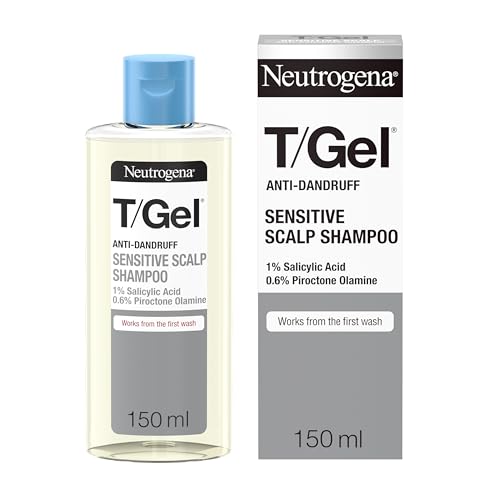
Neutrogena
T/Gel Anti Dandruff Shampoo
shampoo · 150 ml · 15 ingredients
£5.62−13%Amazon UK
- Fragrance-free
- No essential oils
- No MI/MCI
- With piroctone olamine
- With salicylic acid
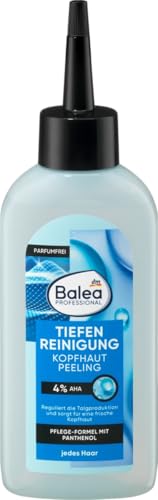
Balea
Professional Scalp Scrub Deep Cleansing
scalp treatment · 150 ml · 10 ingredients
- Fragrance-free
- No essential oils
- No MI/MCI
- With panthenol

OGX
ProGrowth + Peptide Scalp Serum
scalp treatment · 10 ml · 16 ingredients
- Fragrance-free
- No essential oils
- No MI/MCI
- With panthenol

Vanicream
Free & Clear Shampoo
shampoo · 355 ml · 16 ingredients
- Fragrance-free
- No essential oils
- No MI/MCI
- With panthenol
Amazon UK prices as of 6 November 2026, 06:08 GMT; Amazon sets the final price at checkout.
When to see a professional
Consult a doctor or dermatologist if: scalp folliculitis does not improve after 2–4 weeks of antidandruff shampoo and good scalp hygiene; lesions are spreading, increasing in size, or becoming painful nodules; you notice hair loss in affected areas; crusted or weeping sores develop; you have signs of spreading infection such as surrounding redness, warmth, or systemic fever; or you are immunocompromised. Severe variants (acne necrotica, dissecting cellulitis of the scalp) require early specialist involvement to prevent permanent scarring alopecia.
Frequently asked questions
What does the latest evidence say about treating scalp folliculitis in 2026?
The treatment framework is unchanged and still centers on identifying the causative organism before committing to antibiotics or antifungals. Published evidence continues to support ketoconazole 2% shampoo and oral itraconazole for Malassezia folliculitis (with improvement rates of ~92% in published series), topical and oral tetracyclines for bacterial forms, and oral isotretinoin for severe refractory disease. The most important evolution in clinical practice is improved awareness that antibiotic-resistant S. aureus (MRSA) is increasingly common, making culture-and-sensitivity testing important for cases that don't respond to first-line empirical antibiotic therapy.
How do I know if my scalp folliculitis is bacterial or fungal?
Clinical distinction can be difficult because both produce itchy pustules. Clues that suggest Malassezia (fungal) folliculitis: distribution on upper chest, back, and shoulders in addition to the scalp; onset after a course of antibiotics; worsening in summer or humid conditions; pruritus is often the dominant symptom; previous failed antibiotic treatment. Bacterial folliculitis (S. aureus) is more likely when lesions are localised to areas of friction or occlusion, individual lesions are larger and more painful, or there is a purulent discharge. A bacterial swab and KOH scraping (or culture) will definitively identify the organism. A dermatologist can arrange these tests.
Can scalp folliculitis cause hair loss?
Mild, acute folliculitis typically does not cause permanent hair loss — the inflammation resolves without lasting damage to the follicle. However, prolonged, repeated, or severe episodes can damage the follicle, and the scarring forms (acne necrotica, dissecting cellulitis of the scalp / PCAS) cause permanent, irreversible alopecia as the follicles are replaced by scar tissue. Prompt diagnosis and treatment of severe forms is essential to preserve hair density. If you notice hair not regrowing after a folliculitis episode has resolved, see a dermatologist for assessment.
Can I treat scalp folliculitis at home?
Mild cases — small, itchy pustules along the hairline with no spreading, no pain, and no hair loss — can often be managed at home with a medicated antidandruff shampoo (ketoconazole 2% or selenium sulfide), used 2–3 times per week leaving it on the scalp for a few minutes before rinsing. Reducing heavy hair products and avoiding tight hairstyles helps remove the triggers. If there is no clear improvement within 2–4 weeks, if lesions are spreading or becoming more painful, if crusting is prominent, or if hair loss appears, see a doctor. Do not try to squeeze or pop scalp pustules — this spreads infection.
Why does my scalp folliculitis keep coming back?
Recurrence is common because the underlying risk factors — Malassezia colonisation, S. aureus carriage on skin and in nasal passages, heavy hair products, tight styles, sweating under occlusion, or immunosuppression — persist after one treated episode. Maintenance use of an antifungal or antibacterial medicated shampoo once or twice per week significantly reduces recurrence. Chronic nasal carriage of S. aureus is a frequent but overlooked source of re-infection (decolonisation with mupirocin nasal ointment may be recommended by your doctor). Review your hair care routine and identify products or styling practices that may be clogging follicles.
Is scalp folliculitis contagious?
It depends on the cause. Bacterial folliculitis caused by S. aureus can spread from person to person via shared combs, towels, hats, or direct contact — particularly if the infection is active and weeping. Malassezia (yeast) folliculitis is not considered contagious in the conventional sense, as the yeast is a normal skin resident in all people; it is individual susceptibility rather than transmission that drives the condition. Demodex mites may transfer between people in very close contact but this is not the usual route of acquisition. As a precaution, avoid sharing hair accessories, towels, and headwear during an active episode.
Health information, not medical advice.
Beauty Comparison is an independent editorial publication. This page is researched and sourced to the authorities listed below, but it is general information — not a diagnosis or a substitute for personalised advice from a qualified doctor, dermatologist or pharmacist. If your symptoms are severe, spreading, painful, or not improving, see a healthcare professional.Sources
- 01Scalp Folliculitis — DermNet NZ — DermNet NZ (dermnetnz.org). Definition as inflammatory condition of scalp hair follicles; causes including Cutibacterium acnes, Staphylococcus aureus, Malassezia, and Demodex; treatment options including ketoconazole shampoo, topical antibiotics, oral tetracyclines, and isotretinoin for persistent cases; description of severe forms (acne necrotica, PCAS).
- 02Folliculitis — StatPearls (NCBI Bookshelf) — National Center for Biotechnology Information / StatPearls, 2023-07-01. Pathophysiology of folliculitis as infected/inflamed hair follicle; bacterial (S. aureus), fungal (Malassezia), viral, and Demodex causes; treatment table by organism including topical mupirocin/clindamycin, oral cephalexin for staph; oral itraconazole/fluconazole for Pityrosporum; clinical diagnosis; generally benign and self-limiting prognosis.
- 03Bacterial Folliculitis — DermNet NZ — DermNet NZ (dermnetnz.org). Staphylococcus aureus as the most common bacterial cause of folliculitis; coagulase-negative staphylococci and gram-negative organisms as secondary causes; warm compresses and topical antibiotics as management; oral antibiotics for severe or resistant cases.
- 04Clinical Characteristics and Treatment Outcomes of Pityrosporum Folliculitis in Immunocompetent Patients — PubMed Central / PMC, 2022-12-01. Malassezia folliculitis predominantly affects young males (average age 24); pruritus in 71.7% of cases; oral azoles (itraconazole, ketoconazole) achieve ~92% improvement; 2% ketoconazole cream achieves 100% improvement at 27 days; KOH smear sensitivity up to 84.6%.
- 05Malassezia Folliculitis: Pathogenesis and Diagnostic Challenges — PubMed Central / PMC, 2024-12-01. Malassezia folliculitis pathogenesis via lipase-mediated sebum breakdown; pruritic papules and pustules more common than acne vulgaris distribution; differentiation from bacterial acne important because antibiotic treatment worsens Malassezia overgrowth; antifungal treatment required.
- 06Folliculitis — DermNet NZ (General) — DermNet NZ (dermnetnz.org). Classification of folliculitis by cause (bacteria, yeast, fungi, viruses, Demodex, non-infectious); Malassezia folliculitis on upper trunk; scalp ringworm causing folliculitis; non-infectious causes including occlusion, shaving irritation, and topical steroid overuse.